Disclaimer: This blog post contains an affiliate link. If you click on this link and decide you want to purchase this product, I may make a commission from this.However, it will be at no cost to you.
Medical insurance debt is one of the most common forms of debt that has impacted many Americans. Many are either dealing with some debt from their medical bills or high amounts. In addition to it being a financial problem for many, there is significant research that shows the impact of medical insurance debt on emotional health. Let’s further examine these connections between medical insurance debt and your mental health.
What is the Average Medical Debt per Person?
There are many Americans today with insurmountable amounts of medical bills due to serious health conditions. A recent Census Bureau analysis of medical debt showed that in 2021, 15% of households owed medical debt. It also shows that 20 million people, which is nearly 1 in 12 adults, owe medical debt. 14 million Americans, (6% of adults) owe over $1,000 in medical debt and about 3 million (1% of adults) owe over $10,000 in medical debt. Finding out the average amount of medical debt is said to be difficult. This is because so many people owe small amounts and only a few people owe larger amounts.
How Does Medical Debt Affect Mental Health?
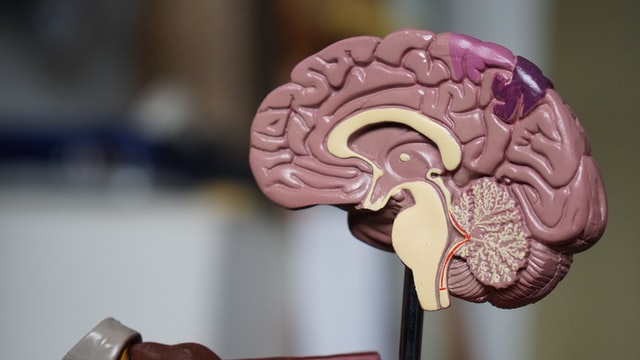
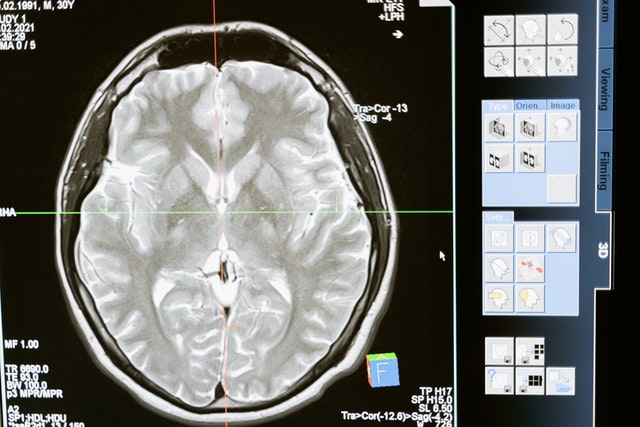
Medical debt has not only been a burden on people’s finances. It also has had a big impact on mental health. Some research suggests medical insurance debt and your mental health could have strong connections. A new study led by researchers at the Johns Hopkins Bloomberg School of Public Healthshows that medical debt is significantly more present among those with depression and anxiety than among people who aren’t dealing with these emotional issues. The study suggested that those dealing with medical debt were twice as likely to report having delayed or forgone mental health care in the previous 12 months. It also was found that 27.3 percent of adults with current depression and 26.2 percent with anxiety reported having medical debt going back 12 months.
There is significant research that shows the impact of medical insurance debt on emotional and mental health.
Is Your Medical Insurance Debt Affecting Your Mental Health?
Now that you’ve seen the statistics showing the strong connection between medical insurance debt and mental health, it may be good to start examining yourself. Is this something that’s been happening to you? One of the ways to find out is to see if there are any changes to your behavior. Have you been feeling emotionally overwhelmed lately? Maybe you’ve been working nonstop to pay off your debt and haven’t been able to take some time off. There are many people like you with medical insurance, but still have mounting debt they’re trying to pay off. This has left them with plenty of emotional pain and stress.
Seeking Help for Your Medical Debt and Emotional Health
But there’s no need for you to feel emotionally overwhelmed by this. There are ways you can seek help for both your medical insurance debt and your mental health. You can try reviewing and negotiating your medical bills before attempting to pay them. Make sure you understand your insurance charges and how to read a bill. The first step when negotiating any medical bills is to make sure there aren’t any mistakes. If you notice any errors, be sure to call the billing office of your provider to recode and rebill your insurer. Taking concerted action to further examine your bill and do something about it will help benefit your mental and emotional health. You’ll start to feel better about the action you’re taking.
What about Medical Debt Settlement?
Many people who have become drowned in medical debt have been turning to a debt settlement company to rectify their problems. Going this route has caused many to save a lot of money and reduce their debt burden. By negotiating with your creditors on your behalf, they may reduce your medical bills for less than the original amount. If successful, the debtor can then make a lump sum payment or a series of payments to settle it.
One debt settlement company that has been instrumental in lifting this burden off many people has been Prosperity Financial Network. This company’s process of helping many people get out of medical debt is considered straightforward and simple. They first assess if you qualify for their program and negotiate on your behalf with your creditors. Once a settlement has been reached, you can start making payments to settle your debt.
This could be a good option for some people. However, it’s important to analyze the pros and cons of a debt settlement company before deciding on that as a source to settle your medical bills. Whatever decision you make to eliminate your medical insurance debt, it must be a good one that’ll benefit your mental and emotional health.
Is your medical insurance debt and your mental health affecting your life? How much of an impact your medical insurance debt is having on your emotional health? If you’re personally coping with this or know someone who is, feel free to share in the comments below. As always, be sure to like or share this post with the next person you know who may benefit from this.
During this time of the year, many people plan to hit the road or fly off somewhere. This is what we call traveling season. But while we’re traveling, it could be hard always to eat well like we should. Most people tend to subject themselves to more sugar and calories while they’re on the go. However, there are plenty of healthy alternatives we can choose to eat instead of these things. Here are 4 of those healthy food options you must have while traveling.
Heading out for a road trip? Be sure you have plenty of healthy food options to have a great time.
What is the Healthiest Food to Eat While Traveling?
While most people are prone to eating unhealthy while traveling, some others do strive to watch what they eat. It’s not easy, but it can be done. There are plenty of healthy options that travelers can choose from. Some of them are considered to be long-lasting while you’re on the go. Peanuts, almonds, crackers, energy bars, and nut butters are all good examples of these. There are also some unique things you can do to preserve the freshness of your food such as putting them in a cooler. Also, foods that have a good shelf-life such as canned foods and dried fruits are good healthy options when traveling.
4 Healthy Food Options While Traveling
Are you heading out on a road trip this summer? Perhaps you may be planning to fly overseas somewhere? If you’re traveling pretty far, it’s important to have some healthy snacks available. It would help if you had these nutritional foods to stay energized, healthy, and upbeat during your travels. Fortunately, there is no shortage of these items for you to choose from. Here are just four of the most common healthy food options you must have in your tote bag:
Nuts and Seeds
Packed with plenty of protein and fiber, nuts and seeds are vital to have in your traveling bag. Some of the most common nuts are almonds, walnuts, cashews, and pistachios, to name a few. Many people like to mix pepita or sunflower seeds with these various nuts. When preparing a travel trail mix, add your favorite nuts and seeds for that extra energy boost you need for your trip.
Healthy Fast-Food Items
If you’re like me, you’ll more than likely hit a fast-food restaurant during your travels. Whether it’s McDonald’s’, Burger King, or Starbucks, you’ll likely come across these places wherever you go. While most of these popular chains menus are usually high in calories, there are some healthy options you could opt for during your travels. Try ordering more grilled, steamed, or baked items from the menu. Consider salads with lean protein and a vinaigrette dressing and broth-based soups.
Tuna and Crackers
Another great go-to summer lunch for travelers, tuna is also a good source of omega-3. Pair this filling food with your favorite crackers. Just be sure to keep your food fresh by storing it in a cooler or an insulated bag with ice packs. You can find these items at any local grocery store.
Energy Bars
There are plenty of different energy bar brands to choose from. However, some of them could be loaded with sugar and additives. Look for ones made with whole ingredients such as nuts, seeds, and dried fruit. These natural ingredients will fill you up and give your body the nutrients it needs. You need this jolt of energy to sustain driving long distances.
Having a Safe and Healthy Trip
Eating healthy on any trip is vital for your well-being, physically and mentally. What we put in our bodies could either drain or restore our energy levels. Whether you’re heading out on a road trip or flying somewhere, you want to have yourself a great time. You don’t want to find yourself too sick or tired to do so. So eat a lot of foods filled with nutritional ingredients that’ll fill you up without feeling always fatigued. May you have a happy and healthy traveling summer season.
What are your go-to healthy snacks for traveling this summer season? Feel free to share in the comments section below. As always, be sure to like or share this post with the next traveling buddy you know.
The summer season is usually a fun time for many people. But for people dealing with mental health issues, it’s also a good time for true self-care. If you want to keep yourself mentally healthy, keeping yourself active is very important. There are plenty of fun mental health activities that could keep you in a positive mood. Here are four good self-care activities you can do this summer.
How Can I Stay Mentally Healthy in the Summer?
During this summer, staying healthy is always important. But being mentally well is just as important. But how can you remain this way during this season? One of the best ways to do this is to keep yourself active. This usually involves going out and being exposed to sunlight. Research shows that increased sun exposure could boost our Vitamin D levels, causing our mood to improve. Spending more time in the sun allows us to produce more melatonin, which causes us to sleep and feel better. So going out and allowing ourselves to touch sunlight could do our mental health good.
What are Self-Care Activities for Mental Health?
So what kinds of things could we do outdoors to benefit our mental health? There are plenty of activities that are not only fun but could make you feel better. Summer is a great time of the year for nurturing your mental well-being. Most people choose to take a long vacation, but if you can’t afford that, here are a few low-cost fun summer mental health activities:
Start a Garden
Many people love to do this as a hobby because it is so relaxing and comforting. Gardening is a great hobby that could be a good mindfulness tool for you this summer. It’s not only educational but fun. Try starting a fruit and veggie garden outside your backyard.
Have a Picnic
What a delicious activity to do in the summer season! Bring your favorite main dish, side dish, fruits, and veggies to lay on your favorite blanket. Whether you’re enjoying your meal outside with your friends or by yourself at a park, having a picnic is a great way to get some Vitamin D and change up your routine. Your mental well-being will benefit from this. Just be sure to bring some sunscreen for protection.
Having a fun picnic with yourself or your family is a fun summer mental health activity.
Go Exploring a New Neighborhood in Your Area
This activity is a good way to get away from the usual monotony of your usual surroundings. What unique neighborhoods haven’t you visited recently? Are there specific places you would like to go? Consider searching online for some interesting things going on in a neighborhood near you or outside your area. Exploring exciting things in your backyard or away from it could benefit your mental health.
Go for a Walk or Jog
Exercise is always good for the mind. You should take advantage of the nice hot weather and go for a brisk walk. This is something that isn’t easy for a lot of us to do, including myself. But it’ll have a positive effect on your body and mind if you do this more often. Choose your favorite park and spend a few minutes walking or jogging around the path. This will help calm your mind and improve your mood.
How is Summer Good for Your Health?
Summer is considered to be a fun time for everyone. It’s also a beneficial time for people dealing with mental health issues. Being around natural sunlight increases your levels of Vitamin D and serotonin, which could help boost your mood. So try doing one of these activities like going for a walk or starting a garden to help you enjoy this summer.
What other fun mental health activities do you like to do this summer? How do you plan to help your mental health this season? Feel free to share your favorite summer mental health tips in the comments section below. As always, be sure to like or share this post with the next summer-loving woman you know.
Besides reducing your allergies, it’s also important to be healthy this summer. One of the most important parts is eating the right fruits and vegetables. There are plenty of fruits and veggies that are good enough to buy and eat this summer. Which ones are in season? Let’s take a look at some of the best summer season fruits and vegetables.
What are the Best Fruits to Eat in Summer?
During this hot, muggy, and humid season, eating fruits becomes very important to stay hydrated and healthy. These delectable, juicy foods are also beneficial for keeping illness at bay. If you want to meet the nutritional requirements your body needs, here are some of the best fruits that are in season you must try:
Mango– This fruit boosts metabolism, strengthens immunity, and even is good for your eyes. The tropical mango is one of the most popular summer fruits that’s packed with antioxidants and stored with 83% water content.
Pineapple– You can’t go wrong with this fruit. I mentioned in last week’s post that it contains bromelain, an enzyme that could help with allergies. However, pineapples also have a lot of water content and are a strong source of Vitamin C. Give your digestion a boost with this fruit.
Watermelon– Very common in the summertime, watermelons help boost the immune system and fight inflammation.
Peach– You’ll find plenty of these juicy fruits in Georgia. Peaches contain high fiber content, along with Vitamins A and C.
Grapes– Whether you like them in red, green, or black grapes are another staple in the summertime. They have plenty of nutritional benefits including heart health and memory improvement.
Which Vegetables Should We Eat in the Summer Season?
We all know about our fruits. What about our veggies that are also for our nutritional benefit? Vegetables are always beneficial for your heart health, immune system, and brain health, to name a few. You can eat them raw, dip them in your favorite sauce, cook them, or blend them in a smoothie. But if you’re looking for the best ones that are in the summer season, here are just several that you can incorporate into your diet:
Green Beans- These beans are considered to be rich in protein, fiber, and essential minerals. Green beans promote heart and digestive problems.
Cucumber- Another good summer vegetable that many put on their salads. The cucumber is low in calories and rich in Vitamin K and beta-carotene.
Summer Squash- The summer squash thrives in warmer climates and it’s nutritional for your health. Rich in Vitamins A, C, and B6, it helps in digestion and keeping your skin healthy.
Okra- Some people like to eat this veggie fried. Okra supports digestion, bone health, and boosts immunity.
Green Chilies- A fiery veggie that’s rich in Vitamins A and C, green chilies help boost immunity and metabolism. It could also alleviate pain.
Which Foods are Best for Weight Loss?
Some of these foods are not only nutritional summer eats that are good for your heart, immune, or digestive system. Many of them are great for keeping your weight down. Some of the ones I just named include pineapples, watermelons, and cucumbers. All of these are great for keeping your calories low and staying active over the summer. There are plenty of leafy veggies that are beneficial for weight loss including broccoli, cauliflower, spinach, and cabbage.
Which Foods Are Good for Your Face?
Some delicious fruits and veggies are good for your body’s health. However, there are plenty that contain water content that’s beneficial for your skin. Mangoes are a good example of this, due to their 83% content. Summer squash is a veggie you could saute with garlic and herbs, but it’s also good for your skin. However, even fruits I didn’t mention earlier such as blueberries, blackberries, and raspberries are packed with antioxidants including one called anthocyanins. This antioxidant helps protect the skin from UV damage.
Some fruits and veggies are great for your skin’s health.
So during this summer or throughout any summer, eating healthy is very important to stay active and fit. You don’t want to find yourself sick that you can’t enjoy the nice weather. So be sure to watch what you’re putting in your body while enduring this sweltering heat.
Are you planning on implementing all or most of these foods in your diet this summer? Which one of these fruits and veggies are your favorites? Feel free to share in the comments section below. As always, be sure to like or share this post with the next healthy-eating woman you know.
It looks like the summer season is officially almost upon us. During this time of the year, many people start to develop seasonal allergies. Some of its symptoms include runny nose, watery eyes, coughing, and sneezing, among others. While there are a lot of medications out there, many have resorted to treating those pesky allergies with natural remedies. Let’s read how you can do this and find the root cause of seasonal allergies.
How Can I Cure My Allergies Naturally?
Many people treat allergies in various ways. The most common way of treating this is using allergy medications like Claritin or Benadryl. But during this season, some people have been considering natural remedies as a way to treat their sneezes, watery eyes, or stuffy noses. You probably might’ve heard of these common natural remedies before. Some people have been using them as their home remedies.
Essential oils: Sometimes, people will use these concentrated plant extracts that have varying effects on the body. Eucalyptus is one of those essential oils that has a strong, piney aroma which is great for opening up your nasal passages. It has that menthol-like sensation that helps alleviate your allergies.
Steam: Research has shown that inhaling steam helps open nasal passages and alleviates various symptoms of allergies such as sneezing and a runny nose. Here’s an easy method you can try: Pour hot, boiling water into a bowl or container. Drape a towel over your head and deeply inhale the steamy water from your nose. Be careful to don’t get too close to it or you’ll burn yourself.
Herbs and Supplements: Some various herbs and supplements have been proven to be effective in reducing allergy symptoms. One of those is ginger, which helps alleviate inflammation. You could find this plant in a lot of teas and soups. An enzyme found in pineapples called bromelain could help improve breathing and reduce swelling.
What is the Best Natural Supplement for Allergies?
Speaking of bromelain, it is considered as being one of the most common natural supplements for treating allergies. However, there isn’t quite enough research to suggest they’re completely helpful for this. However, there are other natural supplements that you should consider instead. One of those that comes to mind is used in a lot of foods such as turkey breast and pumpkin seeds. It is a natural mineral known as zinc. While known for its role in strengthening your immune system, zinc also helps reduce inflammation caused by allergies. Larger studies in humans are still needed to prove how effective it is with allergy symptoms. However, there is a lot of evidence that favors zinc as a potential allergy-reducing supplement.
How to Get Rid of Pollen Allergy?
During this summer season, many people become allergic to this powdery, granular substance that you can find on many trees called pollen. It can be spread by insects or dispersed in the wind. This makes pollen hard to avoid due to it being everywhere and easy to inhale.
Grass pollen is a common seasonal allergy during the summer months.
But if you’ve been suffering from this allergy, there are ways you can reduce your symptoms. One of the best ways is to don’t be exposed to it often. Pay attention to how many levels of pollen are outside so you know when to avoid certain activities. Be sure to stay indoors in the morning, if possible because grass pollen levels usually go up during that time. Shut your windows and doors in your home, office, and car to keep it from filtering in those places. It also may be a good idea to shower immediately after being outside, especially after gardening. Doing this prevents pollen from spreading on your clothes, furniture, or pillowcases.
What is the Root Cause of Seasonal Allergies?
So since we know about the symptoms and good treatments for seasonal allergies, what exactly is the root cause of them? Allergies usually develop when the body’s immune system overreacts to something in the environment, usually during spring, summer, or fall. Your body could mistake a substance like pollen for something dangerous even though it isn’t. This could cause you to develop symptoms similar to a cold like watery eyes, sneezing, coughing, or a runny nose.
How Do You Boost Your Immune System to Get Rid of Allergies?
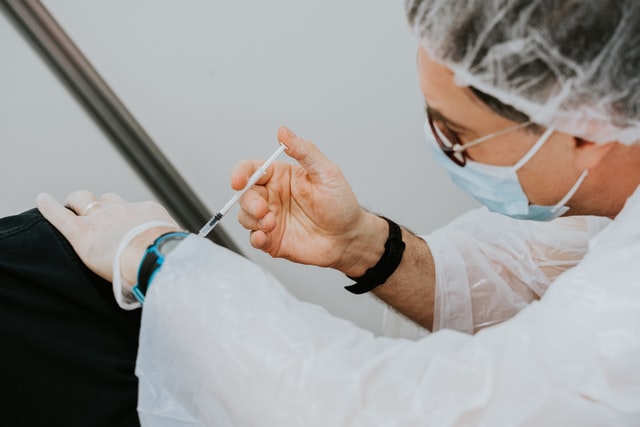
Because allergies have a big effect on the body’s immune system, it’s important to take steps to give it a boost. Allergies do more than irritate you. They could also affect your overall health. Some of the best natural treatments for boosting the immune system are allergy immunotherapy and IV vitamin drips. Allergy immunotherapy is injections made of naturally derived serums where a medical professional injects small amounts of allergens. IV Vitamin Drips are considered vitamin therapy where you can take vitamins and minerals intravenously. Studies show that these drips could reduce allergy symptoms and inflammation as well as strengthen the immune system.
With the beginning of summer coming upon us, get ready for vacations, splashing in the pool, and dealing with pesky allergies. Before even considering one of these natural treatments for treating them, talk to your doctor to see if it’s right for you. Let’s have ourselves a safe and healthy summer.
Are you or someone you know dealing with irritating allergy symptoms? Perhaps you need more natural remedies to fight your allergies? Feel free to share your thoughts on this in the comments section below. As always, be sure to like or share this post with the next person you know battling allergies.
After I attended my circuit assembly in Newburgh, NY, earlier this month, my partner and I drove over to Queens Village to participate in New York’s Haitian Creole campaign. This is now the second campaign that I’ve been a part of. The first one was in Miami this past January. I must say, “Mesi anpil, Jewova” for giving me the strength, energy, health, and confidence to participate in not one, but two preaching campaigns. I almost didn’t apply for New York’s campaign. I’m glad I changed my mind.
It was a joy to participate in New York’s Haitian Creole Preaching CampaignNew York Campaign Welcome Sign
Enthusiastically Giving a Witness to Haitian People
While I did get the chance to witness to some Haitians in Miami’s campaign, it seems like I took it to another level during New York’s campaign. I was able to demonstrate the free home bible study program to four people. I remember being so excited to share a video with a nice lady at the door about how our bible study program works after sharing the brochure with her. There was even one man I gave a witness to who looked so amazed at me speaking Haitian Creole to him. He even asked me why I wanted to learn this language. I told him (in Haitian Creole) I wanted to help more people learn about Jehovah and his son, Jesus.
Developing my Creole Speaking Skills
I really got the chance to build up my conversational skills during New York’s campaign. The brothers and sisters in the congregation my partner and I were assigned to really practiced with us. They disciplined us to have more conversations in Haitian Creole. One of the sisters made sure to not interrupt my partner while she was trying to get her point across. The friends at Queens Village Haitian Creole challenged us to speak more in this language, whether we were doing it correctly or not.
Making More New Friends in Queens Village
How nice it is to visit another congregation somewhere and make some more new friends! The friends there were so amazed by our self-sacrificing spirit. They were also seemingly amazed by me and my partner willingness to drive many miles from Chicago to New York for their month-long campaign. We not only preached and ate like “queens” with them. They even invited us to go bowling with them. That was a lot of fun. My partner and I were assigned such a very warm Haitian Creole congregation and it was hard to leave them.
A Joy to Be Part of a Second Campaign
Initially, I thought participating in Miami’s campaign was enough for me. I was in a major city in Florida that is the closest thing to Haiti. But I was wrong. It was an absolute joy to participate in New York’s Haitian Creole preaching campaign as well. I’ve really practiced my Creole speaking, witnessed to several Haitian people, ate really well, and made even more friends. These friends hardly didn’t want to see us leave. What a joy to be a part of Jehovah’s worldwide organization!
Have you ever been on a memorable, spiritual trip? What about a preaching campaign like me and my partner were a part of? Please feel free to share in the comments section below. You could talk about any other memorable trip that you were a part of. As always, be sure to like or share this post with the next dear brother and sister that you know and love.
As we know, this month of May is known as Mental Health Awareness Month. This issue has not only affected adults but young people as well. One of the main groups being affected is young teenage girls. Many young girls are going through mental health illnesses such as depression, anxiety, and so on. If you’re a parent who has a child dealing with this, you’re probably figuring out how to help a teenager with mental health issues. Here are a few things in this post you need to know to do this.
Many teenage girls are struggling with a mental health issue for various reasons.
What is Causing the Youth Mental Health Crisis?
Many experts have various opinions on the youth mental health crisis today. According to a recent CDC report in 2021, 57% of teenage girls reported experiencing persistent feelings of depression. This is an increase of 36% from the previous years. However, what are some of the reasons this is happening? Respondents in a POLITICO 2024 survey of 1,400 mental and medical health professionals shared some of the drivers behind the youth mental health crisis are social media, social isolation, and unfortunate outside events beyond their control such as school shootings, war, and climate change. A lot of the mental health professionals in this survey were also unhappy about the lack of resources they have to properly treat children and teens.
How is It Affecting Young Girls Today?
As was mentioned earlier, young teenage girls are one of the major groups that are being affected by severe mental health. Besides increasing pressure to be perfect on social media, they also face so much intense pressure to be perfect academically or to perform well in their extracurricular activities. Most young girls could also be dealing with problems in the household, perhaps separated or divorced parents. This, along with many other factors such as trauma, are some of the most common risk factors for young girls developing a mental health issue.
When Should I Worry About My Child’s Mental Health?
There are plenty of critical periods where you have to take notice of your child’s mental health. Start looking at her behavior closely. Are there any signs of it changing for you? Is your daughter the same person she has always been? Or do you notice some alarming symptoms of ongoing sadness, trouble concentrating, or doing poorly in school? If you see your daughter talk more about hurting herself to the point where she attempts to do it, it could be time to get her some professional help. But how can you deal with your daughter’s mental illness? What resources are out there in making sure she gets the help she needs?
How Do I Deal with My Mentally Unstable Daughter?
It could be a lot to deal with a mentally unstable daughter. You have to do your homework about her illness and handle her differently. It’s usually stressful dealing with a child like this. But it also could be a lot for your daughter, too. You both could cope with a plaguing mental illness by:
Being positive and encouraging to one another. Let them know that you love them and that you’ll always be there for them.
Seek ways to relax and have fun with your child.
Enroll in parent training programs designed for parents with children with mental illnesses.
Look for ways to handle stress and help you respond calmly.
Work with your child’s school to make sure she’s getting the support she needs.
What Mental Health Resources for High School Students?
There are plenty of mental health resources for teen girls and high school students in general. Some of these are even free mental health services for youths. NAMI (National Alliance on Mental Health) Ending the Silence is a free 50-minute mental health program offered by many national school systems and organizations. Its purpose is to help middle school and high school students understand mental health conditions better, learn the warning signs, and seek the necessary help. You can search for a program near you by zip code through NAMI’s website.
No matter what mental illness your teen daughter is going through, there are resources out there for them. The important thing is for you and your family to take advantage of them. With time and effort, you can be able to figure out how to help a teenager with mental health issues and save their life.
Do you have a teen daughter struggling with mental health issues? Perhaps you may have a teenage niece like myself going through this? Feel free to share your experiences with this in the comments section below. As always, be sure to like or share this post with the next teenage girl you know struggling with a mental illness.
National Women’s Health Week is on May 12-18 this year. This annual observance is an important reminder for young girls and adult women to prioritize their health. This also allows them to learn more about their health and bodies. One of the most important ways of prioritizing your health is scheduling a women’s wellness exam. Here’s how you prepare well for it and what you shouldn’t do before this health exam.
What is the Meaning of National Women’s Health Week?
During this week, women and girls are encouraged to give their health an important priority. Women must start getting themselves screened for medical conditions such as diabetes and breast cancer. National Women’s Health Week is not only about bringing awareness to physical and mental health check-ups but also about acknowledging women’s health conditions. Sometimes, we need to learn how to take charge of our health. It’s all we have and too precious to be taken for granted.
How to Prep for a Women’s Wellness Exam?
One of the most important things in taking charge of your health is scheduling a woman’s wellness exam. During this exam, women are usually pre-screened for various medical conditions, their blood pressure checked, and questions asked by their doctor concerning their medical history. There isn’t a lot of preparation required in getting ready for a medical appointment like this, but it’s important to come ready with a list of questions to ask your doctor. You may have questions that involve what important vaccinations you need or getting a pap smear. Some medical experts recommend that women don’t use vaginal creams 24 hours before the exam.
In some cases, your doctor may recommend some medical tests for you. These tests normally involve you being screened for any serious medical condition such as diabetes, cancer, or any gastrointestinal condition. This occurs if you experience enough of the symptoms to warrant a test. Check with your doctor concerning which ones they recommend for your care.
Scheduling a well woman’s exam is one of the best ways of prioritizing your health.
What Not to Do Before a Woman Wellness Exam?
Getting a pelvic exam is an important part of a women’s wellness exam. This screening test is the most accurate way to check for early signs of cervical cancer or HPV. Many doctors recommend that you prepare well for this by not only using vaginal creams or douches but also not engaging in any intercourse. Doing any of these things could obscure abnormal cells and prevent your doctor from giving you a complete pap smear test.
Besides coming prepared with questions concerning your health, it’s also important to be prepared with other vital information to share with your doctor. You must know your family medical history, bring a list of current medications and supplements you use, and provide them with your comprehensive medical history. Be sure to keep track of the start date of your menstrual cycle and when you first started experiencing menopause symptoms.
Why is National Women’s Health Week Important?
National Women’s Health Week is acknowledged to remind women and girls to make their health a priority. During this week, females of all ages and backgrounds are encouraged to engage in healthy practices, access preventive care, and share their health stories to inspire others in their journey. If you feel you haven’t been taking care of your health as you should, take this week to schedule a women’s wellness exam, exercise more, or eat healthier. It’s time we take control of our health not only during this week but throughout every time of the year.
How do you plan to take control of your health during National Women’s Health Week? Share some aspects of your health, whether it’s physical or mental, that you need to work on in the comments section below. As always, be sure to like or share this post with the next woman you know.
This week from April 22nd to 27th is Fibroids Awareness Week. This is a topic that I’ve written about before concerning its impact on black women. However, I thought this time I touched on how this benign tumor could affect women who are pregnant. How can they deal with fibroids during pregnancy? What does fibroid pain during pregnancy feel like? If you’re pregnant or thinking about starting a family, here are a few things you must know about fibroids and pregnancy.
Can Fibroids Affect your Pregnancy
Most women don’t experience any effects from fibroids while they’re pregnant. But there’s a nice amount who did experience some sort of complications. A 2010 review from Obstetrics & Gynecology suggests that 10 to 30 percent of women with fibroids do experience complications such as pain while pregnant. It’s also been said that fibroids could also increase other complications while you’re pregnant such as fetal growth restriction, early preterm delivery, cesarean delivery, or even a miscarriage. That’s why your doctor needs to monitor you if you’re pregnant while dealing with fibroids.
What Triggers Fibroid Pain While Pregnant?
So what exactly causes this complication such as pain to occur? When you’re pregnant, your uterus will expand to make room for your baby. As it expands, it pushes against your fibroids causing pain to occur. Fibroids can twist, causing cramping and discomfort. However, at other times, these tumors could outgrow their blood supply, turn red, and die. This is known as the red degeneration process. This process could cause severe stomach pain and in some cases lead to a miscarriage.
What Happens to Fibroids During Pregnancy?
Fibroids can change during pregnancy. Approximately 60% of fibroids will grow or shrink from their original size. Ones that are larger than 5 cm are more likely to grow during pregnancy. Most fibroid growth is said to occur during the first trimester of pregnancy. This growth normally comes from blood flowing to the uterus.
How Can I Reduce Fibroids During Pregnancy?
When experiencing fibroids during your pregnancy, you could normally treat them with mild painkillers. Doctors also recommend that you get yourself some good rest and stay hydrated. Drinking plenty of water is vital whether you’re pregnant or not. However, treatment for uterine fibroids is limited due to the risk of the fetus being hurt.
It’s actually recommended to treat your fibroids before you become pregnant. This could improve your fertility, increase your chances of getting pregnant, and help deal with any complications that may occur before, during, and after pregnancy. Some of the most common procedures that involve removing fibroids are myomectomy, myolysis, and hormonal birth control pills. You must talk to your doctor to find out which one is right for you.
If you’re a woman experiencing fibroids during the pregnancy stage. It’s important to talk to your doctor about your options.
Dealing with Fibroids During Pregnancy
While fibroids growing in and around the uterus or womb while you’re pregnant can happen, it doesn’t happen to all women. In most studies, the majority of fibroids can remain the same size. Also, it could be hard for most doctors to detect fibroids in a pregnant woman because it’s hard for them to tell fibroids from the thickening of uterus muscles during pregnancy.
But if it’s happening to you and you’re trying to get pregnant, talk to your doctor concerning the best options for you and your spouse. Your physician may be able to help you figure out the safest choice for treatment and how you could have a safe pregnancy.
Have you been thinking about starting a family but you’re dealing with fibroids? Perhaps you may be already pregnant and have been experiencing fibroids? Feel free to share your thoughts about this issue in the comments section below. As always, be sure to like or share this with the next future mother you know.
Earth Day is coming around the corner on April 22nd. As a former employee of an energy efficiency firm, this is another day that has become re-familiarized in my mind. People take the time on this day to acknowledge how we can better protect our planet. One of the ways of doing that is being mindful of the type of skincare products we’re using. There are plenty of eco-friendly skincare products that use recyclable packaging and natural ingredients. Here are just four of them for you to learn about and add to your list.
What are Eco-Friendly Cosmetic Products?
Eco-friendly cosmetic products are beauty products that are different from regular cosmetic products. These products are composed of environmentally friendly ingredients along with sustainable-conscious production practices and packaging methods. The ingredients in eco-friendly products are produced from renewable raw materials. Eco-friendly products usually don’t contain harsh ingredients, making them a good option for people with sensitive skin. Some of the natural oils you likely find in these products include coconut oil, avocado oil, and argan oil.
Find the best eco-friendly skincare product for your skin type and to help the environment.
Is Eco-Friendly the Same as Organic?
A lot of people tend to view eco-friendly as another way of saying “organic.” Many experts even say that just because a product is eco-friendly, that doesn’t always mean it’s organic. Eco-friendly cosmetic or skincare products mean that these products are safe for the environment. It doesn’t mean that these products are without chemicals. Also, it’s important to know that not all chemicals are harmful to the environment.
Organic, on the other hand, normally refers to methods used in agriculture and food production. These products are normally without synthetic pesticides, fertilizers, and antibiotics. When a manufacturer labels any product as “organic,” they are saying that this product follows strict standards that ensure consumers the product was made with environmentally friendly practices.
Both terms are related to sustainability and protecting the environment. But eco-friendly is more related to anything that doesn’t harm the environment, while organic is related to agriculture practices. Some other words that are often used interchangeably with eco-friendly include green, natural, and biodegradable.
What are the Best Eco-Friendly Skincare Brands?
Now that we know the difference between what’s eco-friendly and what’s organic, let’s start examining whether some skincare products fit this category. There are plenty of brands that are considered environmentally conscious that have attracted many customers. Many people have enjoyed these products’ effectiveness in keeping their skin healthy, while also containing sustainable, safe ingredients.
Conscious Skincare
This first skincare line has received several sustainable beauty products. Conscious Skincare is a vegan skincare line that offers natural and organic face products, body care, and other skincare accessories. Their skincare is handcrafted in the beautiful country of West Wales and is cruelty-free. In addition to having high-quality ingredients and natural scents, Conscious Skincare products are also found in plastic-free packaging. Check out their website to sign up for some free samples.
The Body Shop
This well-known, internationally leading cosmetics brand has been providing cruelty-free products for its customers for years now. The Body Shop uses Community Trade recycled plastic from India to ensure that workers are paid a fair working salary and are working in sanitary conditions. This company has helped communities thrive through this programme and strives to work fairly with farmers and suppliers. In their stores, you can return your empty plastic and glass tubs, tubes, and bottles for recycling. Through its products and its fair trade programme, The Body Shop hopes to continue to have a positive social and environmental impact on the world.
Fat and the Moon
Fat and the Moon is an interesting name for an eco-friendly skincare company. It’s also one of the most eco-conscious beauty brands out there. The women-owned company makes its products from medicinal plants that are ethically-harvested and non-toxic formulations. Fat and the Moon also strive to use reusable, recyclable containers for their packaging. Some of their top sellers include their Aluminum-free Deodorant Cream made with Bergamot and Clary sage and their Lavender & Cocoa Dry Shampoo.
UpCircle Beauty
The fourth and last eco-friendly skincare brand repurposes its beauty products from various items such as coffee grounds and fruit stones. UpCircle Beauty packages their skincare products in plastic-free recyclable containers. They also use brewed chai tea as one of their ingredients. Some of their products include the Coffee Body Scrub and the Cleansing Face Balm with Apricot Powder.
What are Your Favorite Sustainable Skincare Brands?
There are so many eco-friendly skincare brands that are using organic and natural ingredients. These products are also eco-conscious in their packaging by using recyclable plastic-free containers. With Earth Day coming up next week, why not give one of these products a try if you need to change your beauty routine? You’ll not only be supporting their brand. The important thing is you’ll be helping our environment.
If you use eco-friendly skincare products, what are your favorite brands? What do you like about this particular brand? Feel free to share in the comments below. As usual, be sure to like or share this post with the next eco-friendly person you know.
Because we women are only human, we all tend to think negatively often or overthink things. But what if we strive to think positively more often? Thinking positively requires more effort, patience, and discipline. But it could be done if we rewire our brains this way. You could also try implementing more positive thinking activities into your everyday life. Here are five of them you could try.
How do You Train your Brain for Positivity
To start developing more positive activities in your life, you must start training your brain to think this way. This involves taking some time to eliminate those negative ideas and perceptions out of your head. If you’re always a negative person, training your brain to see things differently is a nice start to practicing positive thinking. One of the ways of doing this is by practicing gratitude toward others or something. It could be anything like expressing thanks to God about waking up to see another day or smiling on your return back to work. Take a few minutes of your time to reflect on what’s going well in your life.
How Long Does it Take to Train Your Brain to Think Positive?
For some people, it could take some time. It could especially be hard for those who have experienced something traumatic or depressing in their lives. But it could be possible as long as you work with your mind to reflect on things differently. For example, if you usually view your job as “just something that pays the bills” instead of something more meaningful, you may need to take some time to look at it differently. What did you do at your workplace today that made someone’s day better? How does your job title help others or make a difference in people’s lives? The more you reflect on questions like these, the more you’ll start to train your brain to think positively easier and quicker.
What are 5 Ways to Practice Positive Thinking
There are several ways we can try to practice positive thinking in our everyday lives. It isn’t always easy to practice these activities, but it’s possible because you can learn to take each practice day by day. If you want to learn how to live your life positively, try implementing one of these five activities at home, work, or school.
Reframe your Negative Thoughts
The most important thing you must do is to try reframing your thoughts the minute you get up to face another day. Reframing your brain involves patience and commitment. But it is worth it because you start to see yourself thinking differently about various situations. You can start doing this by first identifying when the negative thoughts occur, questioning the accuracy and validity of the negative thoughts by reflecting on the evidence supporting it or not, and finding alternative words to say to replace your negative ones. Doing this habit more often will help you develop a positive mindset.
Reframe your thoughts to a more positive mindset
Do Something Nice for Someone
Another positive thinking activity involves doing something for someone in need. I have always shared this as a good way to feel better about yourself. But it’s also a good way to change your mindset. When you help someone, whether it’s taking your neighbor to the grocery store or tutoring a student with his schoolwork, you’ll start to have a more positive mindset. So reach out to someone you know who needs help and do something for them that makes them feel good.
Surround Yourself Around Positive People
Your friends could be a good reflection of you. So who you spend time with could have a big effect on your mindset. When you surround yourself with people who always complain or become upset, you’ll start to turn into them. Negative people usually weigh you down and can be discouraging. Spend time with people who are positive thinkers and bring out the best in you.
Take a Pause Before Responding to Hard Situations
When we find ourselves in a difficult situation, our instinct is to react to it right away. However, we don’t have to always do this. We can instead pause before responding to these situations to respond to them better. Doing this will help us to think rationally about a challenging situation and respond more positively
Let Go of Things that Weigh Us Down
As I mentioned earlier, if you have friends or people in your life who are always negative toward you, those types of people could weigh you down. It’s also important to get rid of other things that can weigh you down. This could be that couch you hate, that outfit you no longer could fit in, or the way your house is decorated. Be willing to let go of stuff that keeps you down. Don’t be so willing to hold onto things so tightly because all things do come to an end.
Stop Negative Thoughts and Overthinking
A lot of us are guilty of this sort of thing. I am guilty of it and that’s overthinking. We must stop the cycle of streaming negative thoughts inhibiting our minds and overthinking matters. It could be hard because our instinct is to always think negatively or overthink things. But if we follow the above 5 suggestions, we can be on our way to implementing positive thinking activities in our lives.
Do you find yourself always thinking negatively or overthinking about every single thing? Do you try to implement positive thinking activities in your everyday life? Feel free to share those in the comments section below. As always, be sure to like or share this post with the next person you know who needs more positivity in their life.
During this Women’s History Month, many have been honoring different women who have done brave things or made a difference. There have been so many historical women who endured or overcame some setbacks. One of those setbacks includes enduring health challenges. So to conclude this month of March, I decided to take some time to highlight four different women who have certainly done this.
During this Women’s History Month, honor the bravest woman you know.
A Woman Who is an Advocate for Her Illness
The first woman I would like to highlight is one who was diagnosed with an autoimmune condition at a young age. Despite the challenges of managing her condition and its debilitating effects, she refused to let it define her. When some people become diagnosed with a devastating illness, they become so depressed over it that they allow it to crush their spirit. But not this woman. When she learned of her diagnosis, she took action to seek medical care, adjust her lifestyle, and remain positive. She also has become an advocate for her condition by spreading awareness to others.
A Woman Who is a Mentor to Others
This next fearless woman that I just got through reading about is a breast cancer patient who also helps mentor medical students in Georgia. When she was diagnosed with breast cancer during the COVID-19 pandemic, it was devastating. But she just held her head up high and continued to stay busy. Besides being a wife and mom to three children, she is also a mentor to medical students at the Medical College of Georgia. She admitted things were all over the place in her household during the lockdown. But once she took the time to pause and reevaluate things, she and her husband were able to still get their house in order.
A Woman Who Keeps on Going Despite Rare Condition
Usher’s syndrome is a rare condition that causes people to develop progressive vision and hearing loss. This Brazilian woman suffers from this condition. Already born deaf, she began losing her eyesight at age 30. However, she didn’t allow all of this to stop her from living.
She started studying the bible with Jehovah’s Witnesses in 1977 and soon got baptized. She began using tactile sign language to communicate and to talk to deaf people about God and the Bible. Despite being now completely blind and older, I appreciate the fact that she continues to remain very industrious by cooking and cleaning for herself. She cares about helping people and is a good example of selflessness.
A Young Girl Who Refuses to Allow a Condition to Stop Her
This last young lady is another good example of not allowing a medical condition to stop you from living. She is diagnosed with motor-neuromuscular disorder. This condition prevents her brain from correctly passing information to her body. She goes on to say that different parts of her body will sometimes tremble or become paralyzed. Admittedly, it’s been tough living with this condition because it limits her. She’s not able to read, write, move, and perform other basic tasks normally.
But despite her limitations, she also continues to live her life trying to serve Jehovah. When times get rough for her, the elders in her congregation usually pray with her. She usually feels calmer when they do this. However, the most important that she relies on to help her manage her condition is Jehovah. She feels her heavenly Father is always there to sustain her.
These four women have gone through a lot coping with their own physical ailments. However, each of them didn’t allow their limitations to cause them to feel down and stop living. No matter what you’re personally going through physically or emotionally, you could learn something from these women in enduring your health challenges.
Are you a woman enduring a health challenge? Perhaps you may know a woman who’s striving to do the same thing. Feel free to share your or that woman’s story in the comments section below. As always, be sure to like or share this post with the next brave woman you know.
We’re almost at the most important event of the year. This event is none other than the Memorial of Christ’s Death. Many of us are looking forward to this day, which will be held on March 24 this year. As important as this day is for my dear friends and myself, it’s also important that we continue to show our appreciation for it every single day. How can we do this? Here are 4 ways we can show our appreciation for Christ’s beautiful ransom gift even after it ends.
Read the Bible Daily
If we want to continue learning and deepening our appreciation for the ransom, we must be diligent in reading and studying the Bible every day. We should do more than just merely read the Bible. It’s also important to do some background research on what we’re learning. Consider making use of tools such as the Watchtower Library, JW.org, or JW Library. People who are attending the Memorial for the first time could ask for a free home Bible study. All of these things help you to deeply take in knowledge and strengthen your appreciation for the ransom.
Meditate on the Ransom
After we deeply study the Bible, we must take the time to think about what we learned. As you’re thinking, it’s important to analyze what Christ’s ransom sacrifice means to you. The more you meditate on this loving sacrifice, the more it’ll draw you closer to the Father and his Dear son. Meditating more on the scriptures from the Bible allows you to think about other questions such as what does this scripture account teach me about Jehovah. You may likely find yourself getting emotional as you read about God’s greatest gift to mankind.
Talk to People about this Ransom Sacrifice
When people are really appreciative of something, they’ll more than likely tell people instead of holding it in. That’s why we go out in the ministry to share with people about this sacrifice. We want others to come to deeply understand and appreciate God’s greatest gift as we are. Hence, the reason for our Memorial campaign is that we strive to invite as many people as possible to this important event. We want to help others draw closer to Jehovah and his son. Jesus commissioned us to “go therefore and make disciples of people of all the nations.”
Strive to Live our Life for Jehovah and Jesus
The fourth and last way is one of the most important ones to express our appreciation for the ransom even after the Memorial celebration. It involves us living our lives for our heavenly Father. This means doing our best to live our lives based on the way that Jehovah wants us to live. He wants all people to come to know and love him. But he also wants us to obey him by living a morally clean life that pleases him.
We all can show appreciation for Christ’s ransom sacrifice by choosing to live for our Heavenly Father.
Those are some of the most important ways we can continue to show our appreciation for the ransom sacrifice after the Memorial celebration. As we all come together to have our annual celebration, let us not only think about acknowledging this ransom gift on March 24. We must also think about how we’re going to keep it in our minds and hearts by showing our appreciation every day.
Share your thoughts and ways how you will continue to show your appreciation for God’s ransom sacrifice after the Memorial in the comments section below. As always, be sure to like or share this post with the next person you love and care about who’s celebrating the Memorial of Christ’s Death with you.
If you’re a busy woman like myself, you probably might find it hard to take some time to relax. However, even if you’re always on the go, you could still find time to relax from being overwhelmed. What are your go-to spring relaxation techniques despite being so busy? If you find it hard to take some time to de-stress, here are four self-care relaxation techniques you can start practicing today.
How Can You Calm Down When Overwhelmed?
We all seem to get overwhelmed from time to time. Whether it’s through our jobs, family, or anything else in between, it could be so easy for us to become too swamped with work. But there are ways we can still calm down despite our busy schedules. Make time for yourself and your needs amid chaos. Scheduling some personal relaxation time has proven to be effective for a lot of busy women and their peace of mind.
Quick Relaxation Techniques for Busy Women
There are plenty of relaxation techniques you can try to relieve the stress of everyday life. Most women don’t stop to try these techniques enough because they may feel they’re too busy. Busy, working women are always on the go. But it’s healthy for us to take the time to relax and refresh our bodies for the next day. We’re not machines and here are the following four ways you can start doing this in the springtime:
Deep Breathing Exercises
Breathing is so important for any person to do when they have a busy schedule. It relieves any stress and pain you’re going through. Take 5-10 minutes of your time to inhale and exhale during or after a long day. There are even apps that you can use for breathing exercises. You can use some YouTube calming music to breathe in and out.
Walking
During this spring season, most people will feel more compelled to walk. This activity is not only good for you. It is also a good relaxing technique. Now that the weather has been getting milder, give yourself a nice brisk walk around your favorite park. Going out, walking around, and breathing in the clean air could put your mind at ease and exercise your body.
Give yourself a nice brisk walk sometimes to relax yourself this spring.
Engaging in Visualization
This technique involves using mental imagery to create a calming experience in your mind. It is known as visualization. You start doing this by engaging two of your senses of sight and sound to create a peaceful environment that allows you to escape from your busy life. When you visualize yourself in this peaceful place, your body and mind start to feel calm and at ease. Experts have said that visualization has helped improve focus, boosting creativity, and reduce stress.
Pamper Yourself
This last relaxation technique has always been popular with women. It’s a must for any busy woman. Pampering yourself by going out for a mani-pedi or a massage is always relaxing. Many caregivers should especially find the time to do this. The spring season is a great time to treat yourself to some much-needed self-care.
Why it’s Important to Make Time to Relax Despite Being Busy
Making time to relax is important for any woman with a busy schedule. Try these spring relaxation techniques to put your mind and body at ease. You’ll feel better after doing so and become more productive as a working woman.
What spring relaxation techniques at home do you like to try? Which ones you would like (or need to do) more often? Feel free to express your relaxation tips and routines in the comments section below. As always, be sure to like or share this post with the next busy, working woman you know.
I’ve recently heard about a news report about multivitamins. It suggested that these could potentially benefit your cognitive health. Many people have been turning to multivitamins over medications for certain health treatments. However, what are the pros and cons of multivitamins? What benefits do they provide for women? What type of multivitamins are good for women in their 40s? Let’s examine these questions to find out what we should know about these supplements.
What Happens to Your Body When You Start Taking Multivitamins?
Taking multivitamins can have a different effect on your body and how you function. Some of these things involve your energy levels going up and your immune system becoming stronger. There was also a recent report that suggested that multivitamins could have a positive effect on cognitive health. However, with all of these positive effects, there are some negative side effects to be aware of when using multivitamins such as nausea. So you must follow all instructions when consuming these vitamins.
What are the Benefits of Multivitamins for Women?
There are various types of multivitamins that we all need for our health. One that comes to mind is Vitamin D. However, there are several types that women must have to remain healthy. Some of them that come to mind are essential in helping us to function every day. The demands of everyday life could be tough on our bodies and our immune system. Multivitamins such as the different B vitamins are all designed to help us function throughout the day, but they also reduce our risk of heart disease, cancer, blood clots, and stroke. Vitamin B12 has been effective in energizing you and keeping bodily functions healthy.
Multivitamins have also been beneficial for pregnant women. Your body needs essential vitamins such as Vitamin A, iron, and Vitamin C to support fetal development and protect your baby’s health. Birth defects such as autism and spinal bifida could occur in your baby if you don’t have the proper multivitamins during pregnancy. Taking the right multivitamins is also vital during breastfeeding. A lack of calcium could deter you from producing breast milk.
Is There a Downside to Taking Multivitamins?
However, while there are a lot of positives to taking multivitamins, there are some negatives that you must be aware of. There are certain side effects to taking multivitamins such as headaches, upset stomach, nausea, constipation, and diarrhea. While most are considered safe and side effect-free when taken correctly, some people could be susceptible to these side effects.
Multi-vitamins could be essential for our nutritional health, but they could be harmful when not consumed appropriately.
Which Multivitamin is Best for 40-year-old Women?
For women who have reached the age of 40 and older, several multivitamins are safe and beneficial to take. These multivitamins could be useful in filling in the nutritional gaps you need to maintain a healthy diet. One multivitamin is New Chapter Every Woman’s One Daily 40+ Multivitamin. This multivitamin product contains all of the essential vitamins and minerals such as Vitamin A, B12, C, D3, E, K, and selenium. While New Chapter does offer plenty of nutritional help and can be taken on an empty stomach, it does contain soy and doesn’t have too much calcium.
Why You Should Consult a Doctor Before Taking Multivitamins
However, before you consider using this multivitamin or any other different types of vitamins for nutritional or any other health reasons, you must consult a doctor before switching to them. This is especially important if you’ve been on medications. There are a lot of pros and cons of multivitamins that you could take into account and analyze before making a sound decision about using them.
If you use multivitamins or used to take them for your nutritional health, feel free to share how they have benefited or harmed you in the comments section below. Need something to help you keep track of your multivitamin intake? Check out this handy tracker sheet here. As always, be sure to like or share this post with the next woman you care about.
As a woman who is now in her 40s, I do sometimes struggle with being more disciplined in eating healthy. Some of the things you used to eat in your teens or 20s you probably can’t eat anymore. That’s because as you become 40, your metabolism is slowing down. You must also consider cutting down on the amount of processed and sugary foods as you age. But why could changing your eating habits be a little difficult for some women? How does it affect our bodies? How can we become more disciplined in changing our habits? Katia Mashni, a Registered Dietitian with 8 years of experience in Weight Management, shared her thoughts with me about these questions and much more in this interview.
When you reach a certain age, it could be a challenge to making some changes to your eating habits.
Why is Changing Eating Habits so Hard?
Brandi Walker: What are the common challenges most women in their 40s experiencewhen it comes to changing their eating habits?
Katia Mashni: Metabolic changes that lead to weight gain or difficulty losing weight. The diets that have worked in the past don’t work anymore. Busier lifestyle, finding less time for working out or focusing on meal quality or health. Hormonal imbalances due to perimenopause.
B.W.: Why is changing their eating habits so hard?
K. M.: Most of the time, changing eating habits is harder as one gets older because he/she is used to a certain way of eating or doing things, which suddenly has to change. It might take more effort and commitment than if it was something adopted earlier in life.
Stress levels can increase as one gets older due to changes in career, work hours, or responsibilities, leading to a shift in focus from building healthy habits to a sedentary lifestyle or leaning on more convenience foods.
How Does it Affect Your Bodies?
B.W.: How difficult it is to lose weight in your 40s?
K.M.: As we age, our metabolism slows down. We tend to lose more muscle mass and store more fat mass. However, this is not the case with everyone, and it can be changed/ controlled through implementing healthy lifestyles and dietary habits. The difficulty of weight loss varies among individuals as it depends on their current lifestyle habits, dieting history, muscle mass, metabolic function, and hormone balance. Many factors play a role in weight loss; it is not a one-size-fits-all approach.
B.W.: How do our bodies change when we make adjustments in our eatinghabits?
K.M.: – In terms of body composition, gaining muscle mass and losing fat mass can help improve metabolic function that can reflect on that individual’s strength and energy level.
– Improving sleep quality can reduce the feeling of fatigue and brain fog during the day; it can also help balance out the hunger and satiety hormones “ghrelin and leptin” and, in return, improve metabolism and aid with weight loss.
– Drinking more water and being well hydrated can help improve energy levels, focus, appetite management, metabolism, and weight loss.
– Eating foods high in antioxidants, like fruits and vegetables, can help in the aging process and improve energy levels, strengthen immunity, reduce inflammation, and aid with hormone balance.
B.W.: How long does it take for our bodies to adjust to new eating habits?
K.M.: – When it comes to changes to eating habits, one might start feeling different as soon as they start making changes to their meals. For example, by having a balanced meal with protein, whole grain carbs, and vegetables, they might feel fuller for a longer time and don’t have the urge to snack as much. This will reflect energy level and performance throughout the day, and it might not take a very long time to start feeling the changes.
– For a new habit to form, it might take at least 21 days. However, that depends on how far we are from the habits we try to change. For some people, it might take 21 days; for others, it might take months.
How Can We Improve in Changing our Eating Habits in our 40s
B.W.: What happens when changing your eating habits could be harmful toyou? What happens when changing your diet could be detrimental to your health?
K.M.: If one starts feeling negative symptoms like fatigue, excessive hunger, headaches, or tiredness after changing their eating habits, then the dietary changes they are making are not the right ones for them, and it is important to address that. Working with a dietitian to find the best plan for you when it comes to changing your dietary habits (especially if you have healthy risks) is highly recommended.
B.W.: List 4 ways a woman could improve in changing her eating habits.
K.M.:
Have at least 3-4 servings of vegetables/day and at least 1-2 servings of fruit/day.
Stay well hydrated by drinking at least 64-80 oz of water/day. Ideally, half your body weight in oz, but that depends on your weight and your starting point for drinking water.
Have protein with your main meals, on average, around 15-30g of protein for breakfast, lunch, and dinner.
Increase fiber intake to 25-30g/day by including fruits and vegetables in meals and snacks. As well as whole grains rich in fiber like quinoa, oatmeal, barley, oat bran, whole wheat products, and legumes.
B.W.: How could women improve in being more disciplined in their eatinghabits?
K.M.:
Take time to have a meal, even if it is 15-20 minutes. Learn how to eat slowly and enjoy the meal that you are having.
Try to connect with your hunger fullness and thirst cues. If you are hungry, eat, do not suppress that feeling. If you are full, stop eating and save your meal for later. If you are thirsty, drink water instead of coffee or other drinks. It is good to learn how to differentiate the hunger and thirst cues by slowing down and tuning in to your body’s cues; you can learn how to do that.
Set smart, healthy goals- specific, measurable, attainable, realistic, and timely goals. Know what you’d like to change when it comes to your health, what steps you need to take, and put them in a goal that you can work towards.
Have an accountability partner with whom you can share healthy goals and progress to help maintain your motivation and momentum.
Try new recipes that include your favorite flavors and are prepared in a healthy way, with the focus on whole foods.
Changing eating habits as you enter your 40s isn’t easy for most women. However, our bodies go through some significant changes as we age and we must watch what we eat better. If you’re in your 40s,in what ways have you changed your eating habits or diet? Feel free to share your thoughts in the comments section below. For more information about Katia Mashni, visit her page on the Top Nutrition Coaching website at https://www.topnutritioncoaching.com/nutritionists/katia-mashni. As always, be sure to like or share this post with the next health-conscious woman you know.
During this time of the year, more people are munching on chocolate these days. Whether it’s milk chocolate, white chocolate, or dark chocolate, the tasty treat has always been an American favorite. But do you know that only one of these types of chocolate is considered the most nutritional? It’s even nutritional enough for diabetics due to its high cocoa content. This is none other than dark chocolate. Let’s learn all about its benefits, which type of dark chocolate is best for diabetics, and how much is feasible to eat per day.
Benefits of Dark Chocolate for Diabetes
There are a lot of benefits to be said about dark chocolate and its nutritional value. For one, dark chocolate contains the highest concentration of cocoa beans than any other chocolate. Courtney Pelitera, MS, RD, CNSC, Registered Dietitian specializing in sports nutrition and wellness nutrition mentions that the higher the amount of cocoa beans in a chocolate, the more benefits it has. “The cocoa beans themselves provide nutrients such as magnesium, potassium, phosphorus, copper, iron, and zinc,” she says.
However, most of the benefits of dark chocolate for those dealing with diabetes come from a compound that’s part of the polyphenol family called flavonoids. These compounds are typically found in fruits and vegetables. Flavonoids work against diabetes in that they may help improve insulin sensitivity, helping to control blood sugar. Research in a study presented by ARYA Atherosclerosis also shows that consuming dark chocolate could help lower your blood pressure and fasting blood sugar.
If you love dark chocolate, you’ll appreciate it even more for its nutritional content.
Which Dark Chocolate is Best for Diabetics?
There are several low-calorie dark chocolate that are good for diabetics. When some people think of chocolate, they usually assume this sweet treat is not suitable for people diagnosed with this condition. But when choosing a dark chocolate, it’s important to choose one with the highest percentage of cocoa. Polyphenol-rich dark chocolate contains antioxidants that could be suitable for diabetics. Preferably look for dark chocolate with 70% cocoa. Be sure to read the labels for carb content to adjust your insulin levels. It’s also recommended to see about choosing a dark chocolate that hasn’t been processed as well.
What is the Best Chocolate for Type 2 Diabetics?
For those suffering from Type 2 diabetes, dark chocolate is a far better option than consuming milk chocolate. This is because milk chocolate is usually high in saturated fat and sugar. Dark chocolate is considered better because it has lower amounts of sugar per 100g. It also has an intense flavor, making it easier for people to be satisfied with it in smaller amounts. As the cocoa percentage goes up, normally the sugar intake decreases, making dark chocolate a safer option even for Type 2 diabetics.
How Much Dark Chocolate Can a Diabetic Eat Per Day?
While dark chocolate is considered a healthy enough treat for diabetics to eat, it’s also important to monitor how often you eat it. Just like with any type of food, many nutritional experts recommend eating it in moderation. Pelitera is one expert who recommends doing this same thing. She even would throw in some other healthy snacks along with it. “A small square of dark chocolate (about 2 tablespoons) paired with another nutritional powerhouse such as walnuts or pumpkin seeds make for an excellent, blood sugar friendly after-dinner treat,” she says.
Yes, dark chocolate is a delectable treat that’s great to munch on occasionally, even when you’re dealing with diabetes. Just as long as you eat in moderation, you’ll be thoroughly satisfied by its rich taste and nutritional value. What’s your favorite dark chocolate brand? How often do you like to eat it? Feel free to leave your comments about the rich, cocoa-filled treat in the section box below. As always, be sure to like or share this post with the next dark chocolate lover you know. For more information about Pelitera and her work as a registered dietitian, visit her page on the Top Nutrition Coaching website at https://www.topnutritioncoaching.com/nutritionists/courtney-pelitera.
This month of February is American Heart Month. That’s why I felt it’s important to take this time this week to examine how anxiety is affecting your heart health. We all as women get anxious sometimes. But it’s important to understand that if we’re not careful in managing it, it could have a detrimental effect on our physical health. Let’s examine how severe anxiety can cause heart attacks, stroke, and serious heart palpitations.
What Does Anxiety Feel Like in Women?
Anxiety disorders are the most common mental disorders affecting many Americans. These mental conditions affect your everyday life and your ability to function. When you’re overly anxious, it’s hard for you to control your emotions. You’re not able to think straight or complete any important work assignments on time.
While millions of Americans are suffering from anxiety disorders such as panic attacks, women seem to account for more cases of this than men. Statistics show that women are more than twice as likely as men to develop an anxiety disorder. Women who are either pregnant or breastfeeding are more than likely to develop this condition.
Anxiety could have a serious effect on our heart health if we’re not careful.
Can Anxiety Cause Heart Attack or Stroke?
If we’re not careful, anxiety can be detrimental to something other than our mental health. It could impact our physical health as well. The most important part of your body you don’t want it to impact is your heart. There is plenty of research that shows anxiety is strongly associated with various heart disorders including rapid heart rate. It can interfere with the normal functioning of your heart and raise your cardiac arrest risk. If you already have pre-existing cardiac disease, the symptoms of anxiety can be especially damaging. While the association between anxiety and heart disease hasn’t been fully studied by experts, there is still plenty of proof that shows the connection between them is strong.
Besides heart disorders, anxiety is also associated with stroke risk. Research published in the American Heart Association journal Stroke in December 2013 showed that the more anxious you are, the greater your stroke risk. One study showed that people with the highest third of anxiety symptoms reportedly had a 33 percent higher stroke risk than people with lower levels. The study author even stated that people with high anxiety levels could experience serious stroke risk down the line if they’re not careful.
There’s also research that shows anxiety and its connection with heart palpitations. This occurs when your heart starts to race, pound, or even skip a beat. When your heart palpates, it’s normal for it to do this after engaging in rigorous activities such as exercising. However, this can sometimes happen without warning.
One of the causes of heart palpitations is anxiety. When you’re anxious or worried about something, this could lead your heart to beat forcefully. Your body’s autonomic nervous system (ANS) starts to activate the body’s fight-or-flight response. This system regulates several important functions of your body including digestion, heart rate, and breathing.
Reduce your Anxiety to Benefit your Heart Health
However, there are ways to manage this. We all experience anxiety in this stressful world from time to time. But the most important thing is to not allow it to negatively affect your heart health. Some of the following ways to reduce your anxiety to lower your heart attack, stroke, and manage your palpitations include:
Eating a healthy diet filled with fruits, vegetables, whole grains, nuts, and protein.
Exercise frequently including walks around a park.
Taking deep breaths.
Focusing your mind. Try visualizing something that calms you down such as an image, sound, or a relaxing phrase.
Drink a lot of water. Avoid caffeine because it can trigger more anxiety and palpitations.
Whenever you start to become anxious about something, doing some of these tips will likely help you feel better. Lowering your anxiety and stress levels isn’t always easy. But when you do this, you’re strengthening your heart health, which is the most important organ of your life.
Have you ever dealt with anxiety so badly that it ends up affecting your heart health? If so, what you have done to cope with this? Share your experiences in the comments section below. As always, feel free to like or share this post with the next person you know coping with anxiety.
Millions of Americans are coping with depression and it’s causing them to lose their ability to function everyday. This illness has affected all sorts of people, but it has especially impacted women. Many women, particularly ones who have just given birth, have experienced depression. Managing this condition isn’t always easy for those going through it as well. But in this post, I’ll examine the difficulties associated with depression, 5 facts about the mental illness, and 4 steps you could take in coping with managing it.
What are the Difficulties of Depression?
There are plenty of difficulties a person suffering from depression goes through. People going through this mental disease experience various symptoms that cause them to lose their ability to function every day. It’s not easy living with depression due to the following symptoms:
disrupted sleep
feeling very lethargic
poor concentration
losing weight
thoughts of suicide or dying
feelings of low self-worth
Being depressed causes you to become physically sick, not just mentally. You have no zest for life. When a person is depressed, they feel as if they’re just going through the motions and don’t know what to do with themselves. It’s an unfortunate health condition that’s difficult to manage and could impact your life if you allow it to do so.
Depression could cause you tohave thoughts of sadness.
What are the 5 Facts about Depression?
Depression is affecting so many adult Americans and their quality of life. If you or someone you know is going through this condition, you must continue to educate yourself about it. The more you continue to do that, the more you’ll start to understand your symptoms and behavior patterns. Besides its symptoms, there are many other important things you must know about depression. These 5 following facts are just a few of the many facts about the condition you need to know:
Globally, an estimated 5% of adults suffer from depression.
It is about 50% more common among women than men.
Depression can lead to suicide.
It could result from a complex mix of social, psychological, and biological factors.
There are various forms of treatment including antidepressant medication, psychological treatments, and self-care.
What is the Management of Depression?
When you start experiencing the symptoms of depression, it’s important to take steps to try to heal. Managing your condition takes time and effort and you can do it in various ways. As was mentioned earlier, many people utilize several forms of treatment such as antidepressants, which include selective serotonin reuptake inhibitors (SSRIs). These treatments are usually not used in treating mild depression or when treating the condition in children. Many people also consider other alternatives such as psychological treatments such as cognitive behavioral therapy. However, let’s take a look at four steps you can take to manage this condition by yourself.
Eating Healthy
It’s been said that we are what we eat. What have you been putting into your body? Having a balanced diet filled with fruits and vegetables could help boost your mood. Most people suffering from depression find it hard to remain disciplined at eating healthy. Some start going through the habit of barely eating. But if you work with your doctor to set up a nutritional plan and stick with it, you’ll be on the path to managing your depression better.
Staying Active
Besides eating well, exercise is another important aspect of managing depression. The mental illness is closely related to and affected by physical health. The more inactive you start to become, the more depressed you will be. So start engaging in some form of productive exercise, even if it’s just walking around your favorite park. You can also make a list of activities that you once enjoyed and plan to do one of them each day.
Reach out to Your Loved Ones
Staying connected with your friends and family is very vital to helping you manage depression. You can’t turn people away who are only trying to help. When someone texts, calls, or emails you inquiring about how you’re doing, don’t hesitate to reply to them. It’s also important you don’t hesitate to reach out to them. Our friends and family could sometimes provide you with the help you need when you think you least expect it.
Stop, Think and Pray
Most people don’t do this enough and that’s praying to God. Sometimes, life can become quite overwhelming. There are times when it could be okay to turn to a higher source for help. When your depression has become worse, don’t be afraid to lean on Jehovah. Our God is near to those who are brokenhearted and emotionally hurt. He loves you and doesn’t want to see you depressed.
Why is Depression a Big Deal?
Some people feel as if depression isn’t a real mental disease. But it is because it could affect your well-being and everyday functioning. Untreated depression could lead to a detrimental effect on your personal relationships, impact your performance at your job or school, and cause you to develop drug and alcohol problems. This illness could go on for months and possibly years. It’s unlikely to go away on its own.
If you’ve been experiencing depression and the challenges of managing it, please know that you’re not alone. Feel free to share your thoughts about coping with this mental disease in the comments section below. I look forward to reading your comments. As always, be sure to like or share this post with the next person coping with depression you know.
Whether it’s on social media or in online Hollywood publications, many women are constantly bombarded with unrealistic portrayals of superficial beauty. This is one of the factors that has made it hard for a lot of women to accept themselves physically as they are. Many women have put themselves through serious surgeries to look a certain way. There have also been many who have become diagnosed with dangerous eating disorders such as bulimia to achieve a certain body weight. Why is it so hard for many of us to accept our bodies? How do we accept ourselves physically? It could take some time to achieve this, but it’s possible by considering five tips that will be highlighted later in this post.
Why is it so Hard to Accept my Body?
Many women who suffer from body image issues ask this question from time to time. They struggle with being content with the shape of their body or the way their face looks. One of the most common reasons for this is because they’re faced with society’s high standards of beauty. It’s always been an ongoing pressure for many women to look a certain way.
For many women, this usually starts when they’re teenagers and looking at fashion magazines that depict women as being rail thin. They began to think that this was the only way to look beautiful and started starving themselves to achieve this image. Society’s ongoing pressure on women to look perfect doesn’t stop when they become adults. There’s even some intense pressure on them in the workplace to depict some sort of superficial image.
How do I Accept Myself Physically?
Accepting yourself physically begins with changing your perception of yourself. Try developing a sense of body positivity for you and others around you. This is a movement that originated in the 1960s that encourages the acceptance of all body sizes. Discrimination against people of different body sizes continues to exist and we must encourage young girls and women to embrace their size as it is. If you suffer from accepting yourself physically, here are a few ways you can strive to do better in this.
Think and Write about What you Like About Yourself
One way you begin the process of accepting yourself the way you are is by writing some things you like about the way you look. You can get yourself a journal or write on a piece of paper. Start sharing some things about your appearance you appreciate. Do you like your green eyes? If you’re a curvy-shaped woman, you may like them. What about your hair? By expressing positive things about your body, you’ll be on the road to general acceptance of who you are on the outside and be less inclined to succumb to dramatic changes.
Turn Negative Self-Talk into Positive Talk
Our words could mean a lot. If we continue to say nothing but negative things about ourselves, we’ll start to believe it and have a hard time with acceptance. Try replacing your comments such as “I don’t like the way my eyes look” with “I think there’s something unique about my eyes.” Changing any negative self-talk that you have about yourself is not only important in accepting yourself, but it’s also vital in building your self-esteem.
Stop Comparing Yourself to Others
Another wrong thing to do is constantly comparing yourself with others. We all are uniquely made by our Grand Creator. Our body shapes are all different. Just because that person is a size 2, that doesn’t make them better than you are. While it’s usually hard for a lot of us to stop comparing ourselves to others, it is possible. Learning to accept the fact that we all are different and unique is a better attitude to have.
Don’t Become Too Consumed with Social Media
While we’re on the subject of comparing ourselves to others, one of the worst places to do that is on social media. Many people spend so much time on Instagram or Tick Tock looking at other people’s posts. When they scroll through them on social media, they tend to obsess over the way people look. A 2021 study shows that social media is shown to decrease appearance self-esteem in young girls. Being too consumed with social media makes it harder for you to fully accept yourself.
Do Activities that Make You Feel Good
Trying out new active hobbies that are more productive could help you accept yourself physically. Think about what activities make you happy. This could cardio exercises, bicycling, or jogging. These activities are all good examples of some that are beneficial for your mental health. They could also make it easier to accept yourself the way you are. So find out what activity you know brings you joy and satisfaction.
Engaging in occasional fitness is a good activity that could bring you joy.
How do You Embrace Your Body Image
It takes time to learn how to embrace your body image. Our bodies are changing as we get older. In fact, our body shape will change as our hormones start to shift. But it’s still possible to embrace our body image and love ourselves the way we are, even if that’s not easy. Learning to practice body positivity and acceptance starts from within. Having positive influences in your life could help in achieving this.
Why Improving Some Things about Yourself is Natural
However, while accepting yourself and not resorting to radical changes to your personal appearance is important, it’s human nature for many of us to want to make a few improvements on ourselves. What I mean by this is making minor beauty changes here and there. This could be doing something different, but beautiful with our hair or losing weight due to exercising frequently and eating healthier. There’s nothing wrong with making some improvements to your appearance. Just make sure that you’re balanced and not too overly obsessed with changing the way you look.
Accepting yourself the way you are is an ongoing journey for a lot of women. While it’s not an easy journey, it’s a possible goal that could be achieved. By taking some time to write about some things you like about yourself, turning your negative words into positive ones, not comparing yourself to others, reducing your social media activity to a minimum, and doing fun activities that bring you joy, you could possibly find yourself on that road. Strive to be balanced in how you view your appearance and learn to accept yourself as you uniquely are.
Do you find it hard sometimes to accept yourself physically as you are? What has helped you to cope with this feeling? Feel free to share your thoughts on this issue or anything else in the comments section below. As always, be sure to like or share this post with the next person you know.
I know you haven’t seen me in a couple of weeks. That’s because I’ve been preparing my mind and heart to go to Miami, FL for a special Haitian Creole preaching campaign. When I arrived there the weekend before last, I was excited to be a part of this beautiful privilege of helping Haitian people learn about Jehovah and his son, Jesus Christ. I was also very excited about improving my Haitian Creole speaking skills. Let me share with you some of my beautiful experiences participating in this campaign.
Sharing God’s Life-Saving Message to Haitian People
As Jehovah’s Witnesses, we come from various nationalities and ethnic backgrounds. This is because God desires for all people to come to know and love him. Being a part of this month-long campaign in a city with a high population of Haitian people allowed me to imitate Jehovah and express that love to them. Whether we’re going door-to-door, doing informal witnessing, or standing behind a cart of literature, we’re showing our love for all people, including those of Haitian nationality, by sharing God’s message of everlasting life. I had the pleasure of doing that when I witnessed to a couple of people during door-to-door work, informally at a store and the Miami airport, and at the carts.
Me holding my badge as I begin to participate in the Haitian Creole Special Preaching Campaign.
Really Practicing My Haitian Creole Speaking Skills
With so many Haitian people in this area, I really had to flex my Haitian Creole language-speaking muscles. My partner and I were assigned to help out a local congregation’s territory that had predominantly Haitian people. I find myself speaking in this language more often than usual. While I wasn’t perfect, I think I did get my point across in sharing the good news with those who were willing to hear it.
Welcome to Little Haiti sign outside of the Haitian Heritage Museum in Miami.
Making More New Friends
Of course, when you go away somewhere, you’re bound to make new friends. But in Jehovah’s organization, you inherit a whole new family. My partner and I met so many different brothers and sisters from various states. Most of them attend Haitian Creole congregations or groups and some attend English congregations. The friends from the congregation we were assigned fed us well each day and even treated us to a special evening show filled with music performances, interviews, and a brother playing the sax. They even gave us a few sweet gifts.
Why It Was a Joy to Be a Part of This Campaign
Being a part of the special Miami Haitian Creole preaching campaign was truly a joy beyond compare. I never got the chance to do something like this before and it was truly a humbling experience helping Miami East Haitian Creole congregation with their amazing territory. I only hope that the people I gave a witness to while I was there become productive students of God’s Word and come to love and serve Jehovah. I’ll miss all of the friends there. However, I look forward to allowing this experience to help me think more positively about my own Chicago territory. There are still Haitian people in this territory who are eager to learn the truth. My friends and I are determined to rely on Jehovah and lespri sen l, or his holy spirit, to help us find them.
Have you ever gone on a very memorable trip or vacation like I have that you’ll never forget? Where was it and what made it so memorable? Feel free to share this special trip in the comments section below. As always, be sure to like or share this post with the next dear brother and sister you love and care about.
Just like that, we have embarked on a brand new year. During this time, it’s usually common for people to start setting some goals for themselves. Last year, I wrote a post about how specific your health goalsare. Now I’m going to share how we all could do a better job of being there for ourselves. Most of us women usually have a problem with doing this sort of thing. If this describes you, I’m going to share what is being there for yourself exactly means, how you can go about doing this, why it’s important, and share some examples of how you can take action in doing this year.
What Does it Mean to Be There for Yourself?
It’s human nature for all of us to be concerned about our loved ones ahead of ourselves. Whether you have young children or a sick, elderly parent, you want to make sure they’re taken care of because they usually can’t do it on their own. But when you’re doing a good job in taking care of them and you feel mentally or physically unhealthy, this isn’t a good thing. This means that you’re not being there for yourself.
To be there for yourself involves making sure you’re content and happy. It means taking care of your needs and wants first before looking after someone else. How are you going to take care of someone else if you can’t take care of yourself? It’s important to make sure your mental and physical health is accounted for. Otherwise, you’ll struggle to provide for someone else.
How Can I Be There for Myself?
Many of us have always wondered the answer to that question. How can I make sure my needs are taken care of before I worry about other’s needs? The short answer to this question is to set aside some time to figure out your needs by writing them down. Once you’ve done this, take the necessary steps to fulfill those needs. Be sure to break these steps down into bite-sized smaller steps so they won’t feel so overwhelming for you.
Set aside some time to figure out your needs and wants by writing them down.
It’s also vital to check in with yourself and show yourself some love. Take some time off from work. Do certain things that bring you joy and happiness. When checking in with yourself, ask yourself: “Am I experiencing signs and symptoms of poor mental health?,” “How am I feeling?,” or “Is there something I need to do to rejuvenate my energy level? By analyzing yourself, you’re performing the process of being there for yourself.
Why is it Important to Give Importance to Yourself?
Making your loved ones a priority is important. However, it’s also vital to make you a priority. How are you really feeling? Could you be better than how you’re feeling right now? Giving importance to yourself could be a healthy thing, not a selfish one. You’ll start to recognize your limits and certain things you could tolerate. When you don’t give importance to yourself, you’ll fail at being a better person for those around you.
How Can You Be There for Yourself This Year?
If you didn’t think you did a good job at being there for yourself in 2023, now’s the time to do so this year. Take some brief time in your day to outline what aspects of your health you need to work on. Is it your mental, physical, or spiritual health? Analyze some specific things you feel needs improvement. Are you always fatigued or low on energy? Is your blood pressure too high? Are you taking your time to read, meditate, and apply the scriptures found in God’s Word? These are just some examples of things we can analyze about ourselves. By asking yourself questions like these and similar ones, you’ll be taking action to be there for yourself this year and beyond.
What steps are you taking to be there for yourself this year? How are you making sure you’re okay before taking care of others? Feel free to share your thoughts in the comments section below. As always, be sure to like or share this post with the next woman you know who’s striving to show up for herself.
It’s hard to believe, but we reached the end of the year 2023. Like any other year, this one has gone by so fast. We have seen the emergence of AI changed the way we work. It has also been a busy year for health news. As I did last year, I’m going to recap my five favorite posts I enjoyed writing about and sharing with my readers on my blog for 2023.
As I entered my 40s this year, I became more curious about the stage that happens before menopause, also known as perimenopause. This stage normally occurs when hormonal changes start to occur in the body. It’s important for any woman who is getting older to educate themselves about what to expect during the perimenopause and menopause stages.
A new disease I’ve learned about from watching a YouTube video that’s affecting women, especially African-American women. Cystic endometrial hyperplasia is a condition where the uterine lining starts to become thick due to an excess of the hormone estrogen. In this post, I also shared about the four types of endometrial hyperplasia and a common way medical professionals usually treat patients experiencing it.
This blog post received a nice comment from my LinkedIn page. The person thanked me for spreading awareness about Alzheimer’s Dementia. It also received a few other positive responses from my readers. Agitation in Alzheimer’s Dementia is affecting millions of sufferers including my aunt. A person is usually restless and physically aggressive when experiencing this condition.
I’ve wrote this late last month to illustrate the point of expressing thankfulness and gratitude any time of the year, not just on Thanksgiving. A couple of these were basic, but you’ll be surprised how often we don’t do these things. This post resonated well with my readers, one of them sharing a good comment from my LinkedIn page.
This was the top post from my blog this year that received a lot of reactions from social media.
A lot of my readers love my spiritual-related posts such as the Ransom one from last year. But this one, which I’ve also written around the same time as the Memorial of Christ’s Death, breaks down how important daily Bible reading is for our mental well-being. Many of us have been stressed out this year, due to the rise in food prices, gas prices, family problems, etc. But when we take our time to read God’s word and meditate on it, we will find ourselves calming down and figuring out how to handle our problems effectively.
Those are five of my favorite stories I loved sharing with my readers this year. It has been an interesting year of AI taking over the world. Wherever you are, be sure to take this time to reflect on the year you had, whether it was good or bad. Be thankful that you lived to see another one with your family and friends.
What were your favorite posts from my Good News blog or topics that you wished I could’ve talked about? Feel free to share in the comments section below. As I always like to say all year, feel free to share this post with the next person care about.
Now more than ever, many people are walking around with a mental illness and don’t realize it. More than one in five U.S. adults live with a mental illness. However, not all of them are getting the quality help that they need. There could be many reasons for this such as problems affording healthcare, lack of trust in mental health therapists, or they just don’t think they have a problem. But these people could be doing themselves a disservice if they don’t. If you’re dealing with a mental health condition and refuse to seek help for it, here are four reasons why it’s okay to ask for help.
Why Asking for Help is a Strength
For one thing, asking for help is considered a strength. It doesn’t make you weak or incompetent. Asking for help because you’re not doing okay requires a lot of courage. You’re now putting yourself out there in admitting that you do need a helping hand. You’re showing that life sometimes can become overwhelming and that you need assistance. So do yourself a favor and ask for help. Doing so shows a sign of strength.
If you’re going through a mental health condition, you must know that it’s okay to seek help.
How Does Asking for Help Reduce Stress
When deciding to seek help for their current behavioral issues, many people have found that the weight of the world has been lifted off their shoulders. Yes, asking for help concerning your mental problems alleviates the stress that’s been holding you. Dealing with something internally without turning to professional help could cause physical harm to yourself. Trying to deal with our mental health issues on our own can be overwhelming. When we ask for help, we will feel more relaxed and centered.
Why Asking for Help Does Not Mean Failure
Another aspect to realize is that asking for help doesn’t equate to failure. It doesn’t you’re doomed for the rest of your life because you’ve reached out for help concerning your mental health condition. This goes back to what I’ve mentioned earlier about some viewing this action as a sign of weakness. In reality, you’ll feel like a winner when you seek the help of a therapist or mental health professional who cares. It also shows that you’re still a human being with feelings and not an emotion-less machine.
You’re not the Only One Going through This
Lastly, it’s important to seek help because you must know that you’re not alone. We all are going through some mental health issues. Most of us are walking with a condition and don’t even know it. By seeking help now, we will see that many others are going through the same problems as you. When you start to meet those other people, you could be able to share your experiences and your day-to-day issues with your condition.
Why is it Important to Seek Help Early for Mental Health
When deciding to seek help for your mental health condition, it’s particularly important to get it early. What if you have a condition that affects the way you function each day? The more you continue to go on with this problem without seeking professional help, the worse your problem will become. Accepting the support from therapists or psychotherapists not only reduces your stress, strengthens you further, doesn’t make you a failure, or shows that you’re not alone in having a condition. It also shows your vulnerability and realness to others. Ask for help as soon as you can if you’re dealing with a mental health problem.
If you or someone you know is going through a mental health condition and has been having a hard time seeking help, feel free to share your thoughts in the comments section below. I also happen to have a special free gift that might also help you cope with your problem. Just click here to get yourself a copy of it. As always, be sure to like or share this post with the next person you know dealing with a mental health condition.
We all know menopause as being a natural decline in reproductive hormones when a woman reaches her 40s and 50s. But one of the symptoms of going through this different transition of life is weight gain. Many women experience “menopause belly” during this stage and would like to know how to reverse it.
Tami Best, MS, RDN, CDN, IFNCP, a Registered Dietitian Nutritionist who serves clients across the country, shared her recommendations with Brandi Walker about how women could get rid of menopause belly, whether menopause weight gain ever stops, and how long weight gain normally last.
Best has over 15 years of nutrition counseling experience. She holds a Bachelor’s and Master’s in nutrition and dietetics and is board-certified in Integrative and Functional Nutrition. Her specialty involves working with clients with gastrointestinal issues and those trying to improve their mood and mental health with better food and nutrition decisions.
Duringmenopause, many women start to experience weight gain issues.
Menopause and Your Weight
Brandi Walker: How does menopause affect your weight?
Tami Best: Menopause leads to a drop in resting metabolic rate.Studies show there is often a drop in physical activity as well. The two combined can result in a 400-calorie decrease in energy expenditure.
Likewise low estrogen impacts the makeup of the gut microbiota. The gut microbiome plays a role in hunger in satiety hormone regulation.
How to Get Rid of Menopause Belly Naturally
B.W.: What steps should women take to lose weight when experiencing menopause?
T.B.: 20-30 grams of protein at every meal to preserve lean body mass. Lean body mass is more metabolically active than fat tissue and will help offset the drop in resting metabolic rate that comes with menopause.
To complement the increased protein intake, aim for 30 minutes of strength training three times per week to bolster lean body mass.
10 grams of fiber at every meal to support a healthy microbiome which facilitates good hunger and satiety regulation.
Low-refined carbohydrates such as processed breads, cereals, pasta, and rice. And Low intake of simple sugars such as cookies, candy, cake, and sugar-sweetened beverages including coffee drinks. We become less tolerant of carbohydrates with menopause.
Consider therapy that helps promote healthy stress, also known as hormesis. These types of stressors produce mitochondria which are needed for energy and a healthy metabolism. One example of this is using infrared saunas. Heat therapy has been shown to support insulin sensitivity, regulate blood sugar, reduce stress hormones, and improve sleep all of which can support a healthy body weight.
B.W.: How could women keep the weight off before, during, and after menopause?
T.B.: The average age for menopause is 52. It is wise to create healthy eating and exercise habits long before that age to help minimize unwanted weight gain. Increasing activity during the perimenopausal years has been shown to prevent unwanted weight gain during menopause. Likewise, looking for ways to manage stress is important as high levels of the stress hormone cortisol contribute to further reductions in estrogen during perimenopause.
In general, practicing good self-care before, during, and after menopause includes stress management, healthy eating, exercise, and sleep habits. A person’s body goes through dramatic changes during menopause so don’t go it alone. Work with health coaches, registered dietitians, personal trainers, hormone specialists, and other holistic healthcare practitioners to support you.
B.W.: What types of foods should be in a woman’s diet during menopause?
T.B.: Foods rich in polyphenols can help symptoms of menopause including weight gain. Ground flaxseed is rich in a type of polyphenol called lignans. When digested by the microbiome they become phytoestrogens. Aim to slowly work up to having two tablespoons per day. They can be added to unsweetened applesauce or yogurt or blended into smoothies or oatmeal.
Soy isoflavones that act like weak estrogens by binding to estrogen receptors. Consider incorporating edamame, tofu, and tempeh into your diet.
B.W.: Where could women find more information on the best dietary choices while experiencing menopause?
T.B.: Working with a registered dietitian is the best source of information for managing weight gain and other menopause symptoms. An RDE can help you personalize a food and lifestyle plan to help manage the many changes that come with menopause.
Does Menopause Weight Gain Ever Stop
B.W.: Why is it hard to lose weight during menopause?
T.B.: Estrogen is needed for a high metabolism, insulin sensitivity, and healthy fat tissue. With the loss of estrogen in menopause, we see more harmful belly (visceral) fat, insulin resistance, and inflamed fat tissue.
How Long Does Menopause Weight Gain Last
B.W.: What is the average weight women gain during menopause? What is the average age at which women normally gain weight?
T.B.: Age in general is what seems to dictate weight gain as opposed to menopause itself. Somewhere around age 45 women can begin a steady climb in their weight of .5 kilograms per year. Women in menopause endure changes in metabolic and body composition, losing more muscle mass and gaining more fat mass. It may be these opposing changes that contribute to weight gain.
B.W.: Does weight management become easier the older a woman gets?
T.B.: Symptoms are most debilitating in the first 1-2 years of menopause and tend to last longer with earlier onset of menopause. Weight gain can be steady if lifestyle changes are not made. Weight gain will tend to plateau by age 70. The good news is with healthy exercise, eating, sleep and stress management habits, this weight gain does not need to be inevitable.
Managing your weight during menopause could be a lot of work. But if you follow the advice of eating healthy, exercising frequently, and managing your stress, you could be successful in getting rid of menopause belly naturally.
For more information on Best and her services in improving your nutrition or Top Nutrition Coaching Services, check out her profile at https://www.topnutritioncoaching.com/nutritionists-near-me/states-tx-san-antonio#tami-best.If you have any further questions or comments about how you manage your weight during menopause, feel free to share your thoughts in the section box below. I’ll be happy to hear from you. As always, be sure to like or share this post with the next woman you know going through this.
During this winter season, dry skin is always a problem for many women. Some have more severe problems with it than others. We all have tried all sorts of products to alleviate those skin problems. But there are ways you protect your face from extremely harsh cold weather. If you’re looking for something that can soothe and moisturize your skin, here are four overnight home remedies for curing your dry skin you can try today.
Overnight remedies you can do at home using ingredients in your kitchen could help heal your dry skin.
How do you make Homemade Dry Skin Treatment?
Making homemade dry skin treatment doesn’t have to be too hard. There is a myriad of ingredients you can use in your own home to create your product. The key to creating a good homemade treatment is finding the right ingredients that won’t irritate your skin. Maintaining a proper skincare of exfoliating and moisturizing takes a lot of work and dedication. Knowing your allergies is extremely vital to making homemade overnight products to soothe your dry skin.
What Homemade Remedy gets Rid of Dry Skin on your Face Overnight?
So what are the best homemade remedies to help moisturize your face? These homemade remedies are composed of ingredients in your home such as olive oil, avocado, or honey. Adding these everyday foods to your skincare will give you a natural skin treatment for your dry skin. One of these kitchen fixes has been used for centuries as homeopathic medicine in cultures worldwide. However, if you’re suffering from a serious underlying skin condition that’s causing your dry skin, it may be best to contact a professional dermatologist before doing any DIY stuff.
Olive Oil Cleanser
You may cook with it, but olive oil contains vitamin E, antioxidants, and other properties that help with damaged, dry skin. Using it as a cleanser or a moisturizer prevents natural oils from your skin from being stripped away. All you have to do is rub the oil on your skin and drape a warm damp cloth over your face until it cools. Wipe any excess oil from your face. Be sure to do a small test of oil on your skin first before trying this.
Rich Avocado Mask
An avocado is not just nutritious to eat. It’s also beneficial for your skin’s health. Creating a rich avocado maskhas all the right antioxidants to soothe your dry skin this winter. Just combine ½ of a creamy avocado, a ¼ cup of plain Greek yogurt, a drizzle of manuka honey, and a teaspoon of turmeric to improve symptoms of inflammatory skin. One expert also recommends pureing half an avocado and mixing it with a teaspoon of olive oil. Honey could be added if you have very dry skin.
Coconut Oil
This homemade remedy is one I love to use all the time on my face. Coconut oil is not only great for removing eye makeup, but it’s also great for dry skin in the winter. If you have dry, cracked feet or hands, you can apply the oil and cover them up with thick socks or non-latex gloves. Because it becomes solid at room temperature, it’s perfect to use overnight to moisturize your face.
Oatmeal Honey Mask
We already talked about honey and how beneficial it could be for those suffering from dry skin. However, oatmeal could make a great exfoliator as well. If you’re interested in making this mask one evening, it’s pretty easy to make. Just mix 2 tablespoons of oats with 1 tablespoon of honey and a dash of water. Use it to exfoliate your skin and leave it on for 15 to 20 minutes as a hydrating mask.
How Can I Protect My Face in Extreme Cold Weather?
Protecting your face in these extremely cold Chicago weather conditions could be done without using expensive products. It could be done with the ingredients we already have in our kitchens. So if you have some oatmeal, honey, or olive oil, you may have a potential recipe for an overnight remedy for dry skin. May it be beneficial in moisturizing your face effectively.
Do you have an overnight home remedy for your dry skin? Are you interested in trying one of these four interesting ones that could protect your face from the harsh cold weather? Feel free to share your skincare tips in the comments section below. As always, be sure to like or share this post with the next woman struggling with dry skin this winter that you know.
During this time of the year, many people are likely thinking about food and cooking. However, what we eat does affect our behavior and the type of mood we’re in. How often we eat could
impact our mood as well. What types of foods can cause behavior problems? What foods can make you laugh or cry? Megan Hilbert, MS, RDN, a registered dietitian nutritionist who serves clients in Philadelphia, Penn., answers these questions about how our food affects our mood.
Hilbert holds a Master’s degree in Nutrition and 5 years of nutrition counseling experience working with clients who have chronic gut health issues and those looking to heal their gut-brain axis. She shared her thoughts with Brandi Walker on how our diet can affect our behavior.
Impact Your Diet Has on Your Mood
Brandi Walker:How much of an impact does your diet have on your mood?
Megan Hilbert: Diet seems to play a larger role when compared to other modifiable behaviors to improve mood. The SMILES trial showed that those who improved their diet the most experienced the greatest benefit to their depression irrespective of changes in exercise or body weight.
B.W.:How often should you eat during this time of the year?
M.H.: Eating every 3-4 hours during the day time and fasting for ~12 hours (ex. not eating from 8 pm-8 am) has been shown to have a positive impact on people’s mood. Studies have shown that people who eat during both the night and day have an increased chance of depression and anxiety. Linking up meal timing with our circadian rhythm seems to be an important factor in mood regulation.
The foods we eat have a big impact on our mood.
What Foods Boost Happiness
B.W.:Some experts believe maintaining a diet of natural, plant-based food will help improve your mood. Do you believe this is the best form of dieting for your mental well-being?
M.H.: The current research we have on this topic states that yes, eating a diet composed mostly of whole plant foods is one of the best dietary interventions to improve mental well-being. One of the most comprehensive studies on this topic, the SMILES trial, showed that a modified Mediterranean diet filled with fruits, vegetables, whole grains, legumes, nuts, extra virgin olive oil, and fish helped reduce symptoms of moderate to severe major depressive disorder.
B.W.: What are the best types in each food group, i.e. protein, fruit, vegetables, etc. do you recommend for a better mood during this time of the year?
M.H.: Fatty fish with plenty of omega-3s (salmon, mackerel, sardines, etc.), poultry like chicken and turkey, and eggs are best to be enjoyed a few times a week. At least half of protein should come from plant-based sources like tempeh, tofu, legumes/beans, lentils, etc.
Choosing more leafy greens (spinach, chard, kale, arugula, lettuce) that are high in folate and magnesium can help reduce anxiety.
Eating higher portions of non-starchy vegetables like eggplant, bell peppers, cucumbers, leafy greens, broccoli, summer squash, onions, etc. over starchy vegetables like sweet potatoes, corn, peas, etc. can help balance blood sugar and keep energy levels stable.
Berries in particular contain lots of anthocyanins which have been shown to reduce the risk of depressive symptoms since they can impact the brain by crossing the blood-brain barrier.
Whole grains like oats, millet, rye, wheat, and farro contain lots of fiber which can be a great source of prebiotics that feed our healthy microbiota. This can improve mood through the gut-brain axis. Whole grains, especially oats, contain a good amount of iron which can help reduce symptoms of sluggishness and mood disorders.
Nuts and seeds provide tryptophan which is responsible for producing serotonin. One 10-year study showed that moderate nut intake lowered the risk of depression by 23% (https://pubmed.ncbi.nlm.nih.gov/29516224/)
B.W.: What types of foods do you recommend that make you laugh?
M.H.: There isn’t any research that shows specific foods contribute to more laughing.
What Foods Affect Your Mood Negatively
B.W.: What healthy recipes do you recommend to prevent seasonal affective disorder (SAD)?
B.W.: What types of foods could reduce your problems with anger and sadness?
M.H.: The dietary recommendations that help combat anxiety and depression can also help combat mood swings and relieve anger. There is more research needed in this area, but according to the current literature eating a mostly plant-based, Mediterranean-style diet is the best bet to combat anger and sadness.
What we put in our mouths has a serious impact on our mental well-being. If we want to elevate our mood during this winter season, we must implement plant-based foods, fruits, vegetables, whole grains, fish, and nuts into our diet. Eating these different foods will help you to not only have a diverse diet but fully benefit your emotional and physical health.
For more information on Hilbert and her services in improving your nutrition or Top Nutrition Coaching services, check out her profile at https://www.topnutritioncoaching.com/nutritionists-near-me/states-pa-philadelphia#megan-hilbert. Feel free to share your thoughts, questions, or concerns about the connection between food and your mood in the comments section below. Also, be sure to like or share this post with the next health-conscious person you know.
During this time of the year, many people like to stop and congregate together to share what they’re grateful for. But would it make even better sense to extend, express, or practice gratitude every time of the year? There are plenty of ways we can show our gratitude to someone or something and it doesn’t have to be only on Thanksgiving. Here are 5 simple ways you can practice gratitude any time you want.
Always say “Thank You” and “You’re Welcome”
Sometimes, as imperfect human beings, we could forget to say these two phrases to one another. No matter how old we get, it’s always important to express to someone how thankful we are for the things they’ve done for us. We don’t have to wait for a particular day to express how thankful we are to our loved ones. By saying thank you when someone has done something for us, we are showing them that we appreciate their kindness. It’s also good to reply to someone’s “Thank you” with a “You’re Welcome. This shows you appreciate their gratitude.
Don’t Take People for Granted
The first practice of gratitude we can do all year long leads to the second one. This is not taking people close to us for granted. Unfortunately, many of us have been guilty of doing this. We expect our family members and friends to help us when we’re in trouble or need something. But a lot of times we don’t stop and appreciate all the sacrifice that they put into doing this. They choose to help you because they care about you. Telling them how thankful we are to have them in our lives or helping them in return are two good examples of not taking them for granted.
Start a Gratitude Journal
Have you ever thought of starting a gratitude journal? Keeping track of what you’re grateful for each year is a good way to practice gratitude. By doing this, you’re able to remind yourself of what you’re thankful for. Many people like to start something like this. A gratitude journal is more like a record of your positive thoughts and reflections.
Think about the Good Things in your Life
Take some time to reflect on what’s going well in your life. It could be so easy for all of us to focus on what’s going wrong or things that are not going so well. Focusing on the positive isn’t an easy thing for most of us to do. But we must learn how to do that to be at peace with ourselves. So even if you’re going through something serious, whether it’s a family or health problem, always take some time to reflect on the bright side of a situation.
Extend an Act of Kindness Towards a Nice Person
Do you know that special person who deserves an act of kindness? Don’t be afraid to extend that to them. Helping someone by buying them groceries or driving them to a doctor’s appointment are two great acts of kindness. When you extend an act of kindness to someone, you show that you’re grateful for them. You’re showing that you’re thinking of them and that you care.
Extending an act of kindness to someone is a good way to practice gratitude.
Those are the 5 ways you can practice gratitude every time of the year. Most people may choose to wait till a particular day to do this. But you could be extending or expressing your gratitude any time because it shows you’re content with your life despite it being imperfect.
Can you think of other ways you can practice gratitude any time of the year? Feel free to share your thoughts in the comments section below. As always, be sure to like or share this post with the next person you’re grateful for.
A lot is going on in November. But one of those things happens to be the fact that it’s National Family Caregivers Month. During this month, we take this time to show encouragement and support for the hardworking caregiver in your life. In my case, it’s my mother. For you, it could be someone else like your best friend or sister. What are some good ways you can show honor to that special caregiver that you know? Try taking these four actions in showing honor to a caregiver during National Family Caregivers Month and throughout the year.
Being a caregiver is a hardworking, sacrificing job that requires a lot of patience. Show them honor during this National Family Caregivers Month and throughout the year.
What is the Theme for National Family Caregivers Month 2023?
Each year National Family Caregivers Month is acknowledged, and there is usually a special theme. This year’s theme shares the importance of caregivers staying in touch with their support and resources. Caregivers Connect is the theme for National Family Caregivers Month 2023. This theme teaches caregivers the importance of building strong connections to access information, share their experiences with others, and find the support they need. There are plenty of available resources for caregivers to help them do their job efficiently and effectively.
How do you Honor a Caregiver?
A caregiver’s job is not only hard but very self-sacrificing. We all have either a family member or someone we’re friends with who happens to be one. On National Family Caregivers Month and every month, we all could take a little time to show these people how much we care and appreciate their work. Here are four simple ways we can honor that special caregiver we know:
Be a Good Listening Ear
Sometimes a caregiver just needs someone to provide a listening ear to them. They go through so much stress, physically and mentally, when taking care of a sick person. Letting them know that you’re here for them and you’re willing to listen to whatever they have to say is a good way to honor them. Invite that special, hardworking caregiver you know for a cup of coffee and just openly listen to them.
Encourage them to Take Care of Themselves
A caregiver who doesn’t take care of themselves is not able to take care of someone else. Taking care of a loved one or a sick, elderly person in general could be physically and emotionally demanding. So encourage that caregiver you know to take care of themselves before they care for someone else. Schedule a mani-pedi or hair appointment for them. Encourage them to take a day off to take a walk in the park with you or visit the museum.
Make a Homemade Meal
Most caregivers have to prepare and cook the meals for the people they’re assigned to. They will especially love it if someone else could cook a nice meal for them. If you have a friend or family member who’s working hard as a caregiver, take a few hours in your day to cook them a homemade meal. That caregiver you know so well will especially like it if you make their favorite meal. So take your pots and pans out and start putting some fresh ingredients together
Assist them with Whatever they Need Help with
Every caregiver could use some support. So don’t be afraid to offer your assistance to a caregiver who seems overwhelmed with work. Offer to help with cleaning up behind the sick or elderly clients that they may have. Buy some groceries for the caregiver’s home. Run some of their important errands for them. These are just a few examples of ways you can assist a caregiver when they need it.
What do Caregivers Need Most?
Being a caregiver is one of the most hardworking, stressful jobs in the world. People who work these types of jobs go above and beyond to help the sick, usually elderly people. Sometimes, the people that they’re helping are their relatives. What these hard workers need the most is more appreciation and support for the sacrifice that they make in taking care of someone else. They don’t need criticism over the decisions they make because this could undermine their confidence. Caregivers just need the support of a good listening ear.
Why it’s Important to Make Caregivers Feel Appreciated
When you try to make caregivers feel appreciated, you show that they’re not being taken for granted. You show that their work is being acknowledged. Being a caregiver is a lot of work and sacrifice. We must honor our caregivers by assisting them when they become overwhelmed with work, making them homemade meals, being good listeners, and encouraging them to take care of themselves. Show the caregiver you know that you love and care for them during this National Family Caregivers Month.
If you know a hardworking caregiver, what are some good ways you can honor and show respect for that person? Do you appreciate the work that this person does and the sacrifice they make to care for elderly, sick ones? Share your thoughts and appreciation of the caregiver you know and care about in the comments section below. Also, if you’re a caregiver who’s overwhelmed and stressed out, I have a printable planner that could help reduce this problem and help you plan your duties more easily. Click here to get yourself a copy. As always, be sure to like or share this post with the next hardworking caregiver that you know and love.
Many women use popular hair relaxers. However, African-American women account for the vast majority of customers using hair relaxers to straighten their coily or curly hair. A lot of black women are the most likely to start using them at a younger age, including myself. However, there have been some unfortunate lawsuits filed by customers who have purchased these products. They’ve alleged that the chemical ingredients have caused them to be diagnosed with illnesses such as ovarian, breast, and uterine cancer. Which hair relaxers cause cancer? Do these lawsuits mean that you should stop using hair relaxers period? Let’s examine four of these products along with more background information about this issue.
There have been several studies and lawsuits that suggests chemical hair relaxers could potentially cause cancer.
Is it True that Hair Relaxers Cause Cancer?
It’s possible. There have been several studies that suggest the unfortunate link between hair relaxers and cancer. In the past 5 years, several large studies in the U.S. have investigated the connection between cancer and hair relaxers. While none of these studies show actual definitive proof that hair relaxers do or don’t cause cancer, they do however show that there are strong links between using those products frequently and breast, ovarian, and uterine cancer.
A 2020 International Journal of Cancer study showed that women who frequently used relaxers were at higher risk. This study had over 50,000 participants who were all women between the ages of 35-74 living in the U.S. and Puerto Rico. Researchers were able to find that women who frequently used chemical hair straighteners had about a 30% higher risk of breast cancer than those who didn’t use them. Those who use hair relaxers frequently in this study are defined as using them more than 6 times a year.
Another study in 2021 from Carcinogenesis suggested that women who use hair relaxers more than 4 times a year were twice as likely to develop ovarian cancer. The results of the study showed 241 women were diagnosed with ovarian cancer. While researchers weren’t able to find any connections between hair dyes, bleaches, and permanent hair color products to ovarian cancer, they were able to find a positive association between the constant use of straighteners and the illness. Although Black women are less likely than other racial groups to be diagnosed with ovarian cancer, they do have the lowest survival rate.
But why do relaxers possibly cause cancer? Experts suggest that it could be the ingredients that are contained in these hair relaxers. A lot of them have harsh chemicals that could potentially lead to cancer. Some of these common chemicals include formaldehyde, formaldehyde-release chemicals, oxidized para-phenylenediamine, and 4-aminobiphenyl. Let’s learn about four of these hair relaxers that have reportedly caused black women to be diagnosed.
Which Hair Relaxers Cause Cancer?
There have been numerous lawsuits amongst various popular hair relaxers. One involved a woman suing several hair manufacturers last year alleging that the chemicals in these products caused her to be diagnosed with uterine cancer. This lawsuit is amongst one of roughly 40 that have been filed nationwide against hair relaxers. Here are some of the products that you must watch out for.
L’Oreal
This popular hair relaxer product line has been getting complaints from Black female customers about their toxic ingredients allegedly causing them to be diagnosed with uterine cancer. In 2000, L’Oreal USA was acquired by Carson Products, an ethnic haircare products manufacturer. Since then, the two companies were merged into SoftSheen-Carson. One of the lawsuits that have been filed against L’Oreal includes from a woman earlier this year. She claims that her uterine cancer and endometriosis were caused by the endocrine-disrupting chemicals in their products.
Cream of Nature
Revlon manufactures Cream of Nature and has also received some lawsuits from their customers. Also marketed to the black female audience, this hair care line includes a wide range of hair care products, including hair relaxers. Cream of Nature also markets its products as being safe with natural ingredients. However, their products still contain chemicals such as phthalates and parabens that could increase your risk of uterine or ovarian cancer.
Optimum Care
This top-selling hair relaxer brand, also heavily marketed to Black women, was created by Soft Sheen-Carson. Optimum Care products contain a mixture of strong chemicals that damage the hair’s protein structure. It has been sued by several of its customers due to the endocrine-disrupting chemicals in the products. So if you relax your hair, be aware of Optimum Care.
Dark & Lovely
L’Oreal created Dark & Lovely hair care line to help Black women straighten their coily or curly hair. However, it has also been getting some lawsuits from its customers due to its strong chemicals. It’s been marketing their products as being safe to use, but their customers are claiming otherwise. One woman accused L’Oreal of marketing Dark & Lovely as being safe to use when they should’ve known that the endocrine-disrupting chemicals were harmful to someone’s health.
Why You Should Stop Using Hair Relaxer?
While many women use hair relaxers, Black women still use them more frequently than other racial groups to straighten their hair. A recent study in 2017 shows that 88% of Black women use chemical straighteners compared to 5% of White women. For years, chemical hair relaxers have been one of the most popular ways to straighten our usually coarse hair. However, due to their chemical ingredients possibly being linked to uterine, ovarian, or even breast cancer, it may be time for us to discontinue using them.
Throughout the years, Black women have looked for alternative ways to straighten their hair outside of using relaxers. They have been doing blowouts and using hot combs or straightening irons instead of lye relaxers. A lot of Black women have also been turning to protective styles such as braids, sew-ins, or just wearing wigs. I, myself, have been doing some of these things to my hair and eliminating hair relaxers.
Popular chemical hair relaxers marketed to black women such as Optimum Care and Dark & Lovely have faced some unfortunate lawsuits from its customers. Many have alleged that the ingredients in their products have caused them to be diagnosed with cancerous diseases such as uterine, ovarian, or breast cancer. There have even been some recent studies suggesting the strong link between frequently used hair relaxers and these diseases. With Black women being twice as likely to die from uterine cancer as white women, this should help us think twice about hair relaxers and consider other options.
Are you a Black woman like I am who used to use hair relaxers but don’t anymore? If you still use them, have you been thinking about discontinuing your use of them due to their chemical ingredients? Share your thoughts and opinions about hair relaxers in the comments section below. As always, be sure to like or share this post with the next beautiful black woman that you know.
I’ve recently watched an interesting YouTube video where an African woman opened up about the medical condition that caused her to bleed unusually often. It was interesting because she went to multiple doctors to find out what exactly was wrong with her. They all couldn’t find an answer for her except for this one doctor. She found out that she had endometrial hyperplasia.
Cystic endometrial hyperplasia is a condition where the uterine lining starts to become thick. The primary symptom is abnormal menstrual bleeding. Women who are diagnosed with this condition start to experience heavier or longer-lasting bleeding than usual. Approximately 121 out of 100,000 people with uteruses suffer from this condition each year. If you have some questions about cystic endometrial hyperplasia, here are your answers.
What is Cystic Endometrial Hyperplasia?
Cystic endometrial hyperplasia is a condition where the uterine lining starts to become abnormally thick due to an excess of the hormone estrogen. While this condition is not cancerous, in some cases it could lead to cancer of the uterus. Cystic endometrial hyperplasia is a form of the condition without atypia. There are different types of endometrial hyperplasia you should know about and we will learn more about them later in this blog post.
What is the Most Common Cause of Endometrial Hyperplasia?
The most common cause of endometrial hyperplasia is when you start to have an excess of estrogen in the body. You can also have little or no progesterone when experiencing this condition. When you start to develop a lack of this hormone, the lining of the uterus doesn’t shed and instead gets thicker. A common symptom of this condition is usually irregular uterine bleeding.
Endometrial hyperplasia usually occurs after menopause or also during perimenopause. There are other situations where you could develop too much estrogen and not enough progesterone. Certain medications, such as tamoxifen, can act like estrogen. Some women use estrogen for hormone therapy and don’t use progesterone. Being obese could potentially cause women to develop high levels of estrogen and not enough progesterone.
What are the 4 Types of Endometrial Hyperplasia?
As I mentioned earlier, there are different types of endometrial hyperplasia. These four types of endometrial hyperplasia vary by the amount of abnormal cells and the presence of cell changes. The types are simple, complex, simple atypical, and complex atypical. Simple hyperplasia has a very small risk of becoming cancer. It can even go away on its own or through hormone therapy. Atypical hyperplasia, on the other hand, has a higher risk of becoming cancer.
What is the Gold Standard Treatment for Endometrial Hyperplasia?
Medical professionals usually like to treat endometrial hyperplasia with oral progestogens. They could prescribe progestin in the form of birth control pills, injections, vaginal creams, and an intrauterine device (IUD). Your age and the type of hyperplasia you have could affect how long you take it and how much. While taking progestin can help treat endometrial hyperplasia, it could also cause vaginal bleeding like a period.
If you’ve been experiencing this condition, it’s vital to seek help right away for your condition. This condition has been affecting thousands of women each year, especially black women. Talk to your doctor or ob-gyn about the treatment plan that’s right for you. You’ll be benefiting yourself and your health by taking this kind of action about your health.
If you think you’re suffering from cystic endometrial hyperplasia, contact your doctor right away.
Do you or a woman you know is suffering from endometrial hyperplasia? Feel free to share your thoughts and experiences with this condition in the comments section below. As always, be sure to like or share this post with the next person you care about.
This month of October marks Attention Deficit Hyperactivity Disorder (ADHD) Awareness Month. This is a condition that has impacted millions of people, including me and my family. However, there are still many adults walking around with undiagnosed ADHD. Untreated ADHD in adults has become so common and has made a serious impact on their lives. Let’s learn about what happens if ADHD is left untreated in adults, its signs and symptoms, and what can being undiagnosed lead to.
Why is ADHD not Taken Seriously?
Many people don’t seem to take ADHD as seriously as other mental disorders. There are plenty of preconceived notions about ADHD not being a real medical condition. According to one study in SSM Qual Res Health, some felt the stigma around ADHD is more serious than the actual symptoms. For example, when a person says that they have ADHD, most people will say that they’re just making it as an excuse for being lazy. Because of the stigma people face when they disclose their condition, they decide to hide their diagnosis.
I, myself, have been one of those people who sometimes don’t take it as seriously as other mental disorders. But since being diagnosed with it myself and having other family members with it, some undiagnosed and one diagnosed, I have seen that it is a real condition especially if left untreated. There are so many untreated ADHD in adults, leading them to be diagnosed with other mental illnesses. If we continue to sweep the condition under the rug as being nothing, this may prove to be a future problem for us.
There are many adults walking around with untreated ADHD and not doing anything about it.
Signs and Symptoms of Untreated ADHD in Adults
There are several signs and symptoms of untreated ADHD in adults that we must pay attention to. These all could vary between people. For example, this person might have stronger problems interrupting people when they’re talking, while the next person might have more serious problems concentrating on tasks at work. Some people like to pass these symptoms off as the person being immature, rude, or incompetent. That’s why people exhibiting the signs of ADHD are usually misdiagnosed as being depressed or having anxiety. Some other signs and symptoms of untreated ADHD in adults include:
Having a quick temper.
Mood swings.
Miss deadlines.
Poor time management.
Impulsiveness.
Restlessness.
Difficulty multitasking.
What are the risks of Untreated ADHD?
If left untreated, ADHD can have a serious impact on a person’s life and their relationships. There are plenty of serious risks to think about. If you think you have untreated ADHD, consider these common risks that can have an impact on your life:
Difficulty in relationships- One research study shows that most spouses of people with ADHD feel more neglected than spouses of people without ADHD. People with spouses who have this condition also experience other serious problems within their marriage.
Job instability- Having untreated ADHD has led many to struggle to keep jobs. One 2016 study from J Abnormal Child Psychology suggests that people with untreated ADHD usually have trouble focusing on their tasks at work, leading them to get fired or laid off.
Drug & alcohol misuse- Another risk of untreated ADHD involves our usage of drugs and alcohol. People with this condition are more than likely to misuse psychoactive substances and alcohol.
What can Undiagnosed ADHD lead to?
When you’re possibly exhibiting signs of ADHD and you’re undiagnosed with it, this could lead to many problems for you. Its symptoms have caused people to experience behavioral, vocational, academic, and social problems. People have had their educational careers become stalled, their career growth stifled, and their time management suffered. Being undiagnosed with ADHD, especially when it’s severe, could cause a person’s life to not function well.
Untreated ADHD in adults has become a common issue these days. Many don’t become diagnosed because they either don’t take the condition seriously enough or just don’t want to go to the doctor. But if you’re one of many dealing with untreated ADHD, now is the time to possibly see about it, especially if it’s causing you not to function. Talk to your doctor about a treatment plan based on your symptoms and what’s right for you.
Are you dealing with untreated ADHD? If so, how has it been affecting your life? Feel free to express your thoughts in the comments section below. As always, be sure to like or share this post with the next person you know dealing with this issue.
One of the most serious sleeping disorders that has been impacting many people is sleep apnea. This condition is a very serious disorder that causes a person to repeatedly stop and start breathing while sleeping. Many people suffering from sleep apnea have tried various medical treatments to help alleviate their problems. However, there are several natural remedies for sleep apnea many have used that have helped them get adequate amounts of sleep at night and improve their health. Along with examining other medical treatments in this post, let’s examine 4 of those natural remedies you must start doing today.
You can sleep better with these natural remedies for sleep apnea.
Can you Treat Sleep Apnea without CPAP?
One of the most common ways people with sleep apnea try to treat their problem is by using a CPAP (continuous positive airway pressure) machine. A CPAP machine is a device that is used to treat sleep apnea using mild air pressure to keep your breathing airways open while you sleep. It is composed of three main components- a hose, a mask, and a machine. Some healthcare providers usually prescribe this device to treat sleep apnea.
However, can you treat sleep apnea without CPAP? It’s possible, according to many health experts. While a CPAP machine is helpful, it does have its cons such as the uncomfortable feeling of wearing a mask over your nose and mouth. That’s why many experts have shared some alternative ways of treating this condition. Some of these treatment options include:
Inspire Therapy– an innovative device that’s implanted under the skin of a patient’s neck and chest to stimulate airways.
Oral Appliances– Some dental professionals could help with sleep apnea by prescribing oral appliances such as mouthguards to hold the tongue in place.
Oral Surgery– Surgeons could work with a person suffering from sleep apnea by doing surgery on their mouth or throat and helping them breathe better.
These new approaches to sleep apnea are starting to become needed. One of the reasons that this is the case is because about half of patients who start off using a CPAP don’t exactly stay with it for long. Those who are going through a moderate to severe case of this condition have been going to alternative methods such as Inspire Therapy to safely treat it. However, there are some natural remedies for alleviating sleep apnea if you’re dealing with a mild case of it. Let’s learn about these remedies and how they could improve your overall health.
How to Cure Sleep Apnea Naturally?
If you’re a person suffering from sleep apnea, there are plenty of ways you can alleviate your condition. You may prefer to cure your problem with more natural remedies over surgery or professional therapy. Natural treatments are especially beneficial for those with mild sleep apnea. If you prefer to breathe better while sleeping, here are some simple lifestyle adjustments you can make today:
Maintaining a Stable, Healthy Weight
Losing weight and keeping it off helps in curing sleep apnea naturally. When you’re too overweight, this can increase the risk of airway obstruction. These obstructions can cause you to stop breathing, possibly for an extended time, while you’re sleeping. You should especially concentrate on your upper body in the neck area. Excess fat around this area inhibits a person’s breathing and worsens sleep apnea.
Avoid alcohol and smoking
Drinking alcohol constantly can lower the amount of oxygen circulating in the blood. Limiting your alcohol intake will help reduce snoring, which is another symptom of sleep apnea. Too much alcohol relaxes your throat muscles which control your breathing. So if you want to cure your sleep apnea naturally, reduce your drinking habit, especially before you go to bed.
Besides alcohol, smoking is another habit that causes inflammation in the airways. A 2012 study identified this habit as a risk factor for being diagnosed with sleep apnea. Smoking could also worsen snoring. If you’re dealing with this habit and you don’t want to have sleep apnea, it may be a good idea to discontinue using any form of nicotine.
Change your Sleep Position
People who sleep on their back often are more likely to experience problems with sleep apnea. This position, also known as the supine sleeping position, can worsen symptoms. One 2014 study shows that there is evidence suggesting that the supine sleeping position is attributed to unfavorable airway geometry, reduced lung volume, and an inability of airway dilator muscles to compensate. Some adults have found sleeping on their side to help them breathe better.
Use a Humidifier
Besides sleeping on your side, maintaining a healthy weight, and avoiding alcohol and smoking, investing in a humidifier for your home is another natural remedy for sleep apnea. This tool will help open your airways and decrease congestion while you sleep. A humidifier also adds more moisture to the air. For an even better night’s sleep, consider adding essential oils such as lavender, eucalyptus oil, and peppermint to your humidifier.
The Benefits of Natural Remedies for Sleep Apnea
We have seen various treatments of sleep apnea emerge, from oral surgery to Inspire therapy. However, there are plenty of benefits in utilizing natural remedies to breathe better while sleeping. They are safer and easier to start. Consider using a body positioning pillow to help you learn how to sleep on your side more. If you don’t have one, try securing a tennis ball on your back to keep you from turning while sleeping.
On the other hand, avoiding alcohol and smoking are natural remedies for sleep apnea that aren’t easy for some to start doing. It takes time for a lot of people to remove these bad habits from their lives. They know both of them are causing them to develop sleep apnea. But some people continue to indulge in these habits anyway. If this is you, strive to exercise the will power to do away with these habits.
Sleep apnea is a condition that has been affecting many people and inhibiting them from having a good night’s sleep. If you’re one of the many people dealing with it, you can rest assured that you’re not alone. By following these 4 natural remedies for sleep apnea, you’ll be on your way to breathing better while having a good night’s sleep. It takes a lot of effort to make these lifestyle changes a consistent habit. But it’ll be worth it when it comes to bettering your health.
Are you or someone you know dealing with sleep apnea? Have you ever tried to practice one or more of these natural remedies in your everyday life? If so, feel free to drop a comment in the section below. As always, be sure to like or share this post with the next person you know suffering from sleep apnea.
World Mental Health Day was this past Tuesday. Although we don’t need a day to be reminded of the importance of our mental health, it’s still beneficial to take some to prioritize our well-being. Cultivating healthy habits for mental health helps us to feel better and keep any illnesses from happening early. Deteriorating mental health signs are becoming more common than ever these days. While most of us are familiar with eating healthy and exercising, let’s share in this blog post 4 less-common healthy habits we can practice to maintain the stability of our mental health.
Why are Positive Habits Important for Mental Health?
What you do daily has a huge effect on your mental health. If you continue to develop negative habits, you’re going to damage the functioning of your brain. You’ll also continue to weaken your emotional health by becoming depressed or anxious. For example, if you continue to practice negative habits such as overeating or drinking too much alcohol, this could not only affect your physical appearance but cause you to develop memory loss or other cognitive failures. Practicing positive habits every day boosts our self-esteem, improves our performance at work or school, and helps us to live with peace of mind.
What Habit Increases Brain Power?
Some of those positive habits involve us taking action on our overall health. The way we take care of our bodies affects the functioning of our brains. That’s why exercising regularly is such an important habit we must develop to increase brain power. This habit has alleviated symptoms of mental health illnesses such as depression and anxiety. Exercising has also aided in a person’s recovery from mental health issues.
What we put in our bodies also has an effect on our brain power. Junk food like candy, donuts, caffeinated drinks, etc. isn’t exactly going to do our bodies or our brains good. Neither will process food. So we must start implementing brain-boosting foods such as leafy greens, fruits, lentils, nuts, seeds, and other vegetables into our diet. These foods are high in omega-3 fatty acids which help improve our brain functioning.
Getting enough sleep is another important facet of our brain’s functioning. Without our required 8-hours of rest, our brain power will start to decrease. When you sleep, your body repairs any damage done during the day. You also wake up feeling more refreshed and your mind is a lot more clear after getting adequate amounts of rest. After getting 8 hours of sleep, you lower your risk of becoming depressed or anxious.
4 Other Healthy Habits You Must Practice for Mental Health
While most of us are familiar with those common healthy habits for practicing good mental health, not too many are familiar with the following four less common habits. Two of them are habits we know we should do but it could be hard for some of us to do them more often. Healthy habits for mental health involve more than exercising and eating healthy. We must also make sure we’re implementing the following habits into our lives:
1. Limit our Multi-tasking
One of the most popular soft skills most employers look for in an employee is being a good multi-tasker. However, if you want to preserve your mental health, you should limit this habit. Multi-tasking could leave your mind overwhelmed and reduce your work performance. You’ll also become a less efficient employee. You should try practicing a less-overwhelming positive mental health habit.
2. Go outside and Enjoy Nature
Sometimes, you have to go outside to get some fresh air. Participating in this activity is always good for your mental health and well-being. Going outside and embracing beautiful nature helps you to increase your attention, puts you in a better mood, and lowers your risk of being diagnosed with mental health illnesses. If you work your job from home, consider taking the time to spend at least 30 minutes a day refreshing your mind and being outside with nature.
Enjoying nature is one of the best healthy habits for your mental health.
3. Practice Gratitude
Showing gratitude to the people you care about is another healthy habit to practice for mental health. When you’re feeling down, why not do something to make others smile? Buy a next-door neighbor groceries or give a nice elderly one you know a ride to their home. You’ll feel better after doing this.
You could also set aside some time to write down some things you’re grateful for in your life. There may be a lot of unfortunate things that have happened to you. But what about the positive things? Write down a few positive things going on in your life each day. This will benefit your mental health and well-being immensely and you’ll develop a positive outlook in your life.
4. Limit your Social Media Time
As interesting and convenient as social media has been, it does have its drawbacks. Spending too much time on it could be detrimental to your mental health. Many young people have dealt with cyberbullying due to incessant time on Instagram or Tick Tock. Take some time to spend time with your loved ones instead. Limiting your social media time will prevent this habit from becoming an addiction.
Keep your Mental Health from Deteriorating with Healthy Habits
There have been plenty of people experiencing deteriorating mental health signs early on in their lives. Frontotemporal dementia, FTD, has been causing thousands of people to develop these unfortunate health signs early. Developing these less-common healthy habits along with eating healthy, exercising, and getting adequate sleep at night could help keep this condition at bay. Keep your mental health from deteriorating too soon by getting involved with more healthy habits.
What are your favorite healthy habits for better mental health? Do you practice gratitude often or go outside and enjoy the wonders of nature? Feel free to leave your thoughts on your favorite healthy habits in the comments section below. Another good habit for restoring your mental health is journaling. Check out my free printable Daily Self-Care Journal I’ve created in Canva to keep your well-being healthy. As usual, be sure to like or share this post with the next person you know who needs mental health care.
I came upon a recent interesting video about whether consuming apple cider vinegar every day will help with losing weight. I never heard of anything like this- utilizing apple cider vinegar for weight loss. However, after looking at this video, I was able to find out that there’s research that shows that this acidic liquid could help with doing this, along with suppressing appetite and lowering blood sugar. But when using it, it’s important to be cautious when doing so. Here are some of the reasons why.
Apple cider vinegar, if consumed safely, has several health benefits.
Is it Good to Drink Apple Cider Vinegar Before Bed?
Drinking apple cider vinegar does have its health benefits, such as lowering blood sugar and losing weight. However, would it be safe to take some of it before going to bed at night? This has been a recent trend among people. There is some evidence that suggests taking a small amount of apple cider vinegar before bed could lower morning blood sugar levels in people with type 2 diabetes, but more research is needed on this.
Even so, most experts are not recommending we make a serious habit of doing this. Consuming an acidic liquid like apple cider vinegar before bedtime has led some people to experience “acid reflux,” says Carla Rodriguez, M.D., internal medicine specialist at Palisades Medical Center. For those who are prone to heartburn and gastroesophageal reflux disease, drinking apple cider vinegar at least 30 to 60 minutes before bedtime is especially dangerous because they will start to experience burning and discomfort. Most experts recommend taking it earlier in the day instead of at night.
How Can I Use Apple Cider Vinegar to Reduce Belly Fat?
As mentioned earlier, one of the reasons people have been consuming apple cider vinegar is because it could help with reducing belly fat. While more research is needed to fully prove this, there is some evidence that suggests this. One 2009 study tested adults with obesity drinking a 17-ounce beverage with 1 tablespoon of ACV, a second group drinking the same size beverage with 2 tablespoons, and another group not drinking any vinegar daily. Throughout the 12-week treatment period, research shows that the two groups who drank vinegar daily experienced a significant amount of weight loss and less belly fat than the group who hadn’t drunk any vinegar.
Some experts believe the reason apple cider vinegar is so related to weight loss is due to the acetic acid. The acidity in apple cider vinegar may reduce fat storage, suppress appetite, and delay the release of hunger hormones.
How Often Should You Drink Apple Cider Vinegar to Lose Belly Fat?
Although more research is needed, some studies show that those who take apple cider vinegar daily may lose more weight than those who don’t. They even suggest a daily dosage of 1-2 tablespoons of the liquid. However, side effects could likely occur and it may be best to start with a smaller dose and work your way up from there. But before you start considering an apple cider vinegar regimen, please talk to your doctor to see if this is the right direction for you.
Better Alternatives to Using Apple Cider Vinegar
However, if you’re thinking of consuming apple cider vinegar, be sure to dilute it with water. Most experts don’t recommend that you drink apple cider vinegar undiluted because it’s very acidic. Besides leading to heartburn-like problems, drinking the liquid straight up could cause serious dental problems. It could wear down the enamel coating of your teeth. Besides diluting it with water, try using apple cider vinegar in the following safer ways:
Use it as a salad dressing by mixing it with olive oil and a little bit of honey.
Mix it with lemon juice, herbs, and spices for daily consumption.
Add the liquid to an apple cider tonic or another beverage with little to no added sugar.
While it may help with losing belly fat, apple cider vinegar can’t do this alone. You’ll end up having a better chance if you exercise, eat healthy, go to sleep every night at a decent time, and then take the liquid with water.
Have you ever consumed apple cider vinegar to help you lose weight or belly fat? Maybe you might’ve mixed it with some olive oil to create a salad dressing. Feel free to share in the comments below your thoughts on this recent trend. As always, be sure to like or share this post with the next person you know who’s interested in learning more about this.
Have you ever experienced that feeling of puffiness in your midsection area? This “puffiness” is called bloating. This condition occurs when your stomach starts to feel tight, full, and a little swollen. It could range from slightly uncomfortable to possibly painful. For most women, it could go away after a while. But for some, it could be an ongoing problem.
Bloating is also a common symptom in women during their periods. While there are some medications available to control bloating symptoms, you can alleviate this problem with at-home natural remedies. If you’ve been experiencing this uncomfortable problem in your midsection, here are a few natural remedies for treating it.
Bloating is a condition where you start to experience puffiness in your midsection area. It can be alleviated by eating right, getting plenty of sleep, and exercising among others.
Symptoms of a Bloated Stomach
There are various symptoms you must recognize when experiencing a bloated stomach. You must look out for discomfort in your stomach, frequent burping, stomach pain, and gas forming in the stomach. However, some people who start to have bloating have had it severely. That’s when a person starts to experience symptoms such as diarrhea, blood in the stool, vomiting, heartburn, nausea, and even vaginal bleeding. A person could even find themselves losing dangerous amounts of weight.
Natural Remedies for Bloating and Stomach Pain
So if you don’t want to use over-the-counter gas medications or other tablets, there are still plenty of natural remedies for bloating and stomach pain. If you’re struggling with bloating, you can still treat your condition naturally. Some effective home natural remedies to relieve your stomach from feeling so tight include:
Eating foods full of potassium including spinach, avocado, bananas, sweet potato, etc.
Adding inflammatory foods to your diet such as green leafy vegetables, blueberries, chia seeds, salmon, walnuts, etc. helps reduce inflammation in the digestive system.
Adding lemons to your water to aid digestion.
Peppermint tea helps to aid digestion and reduce bloating by soothing inflammation.
Avoid carbonated drinks like sodas and sparkling water.
Avoid salty foods and foods with refined carbs.
What is Period Bloating and How You Can Treat it Naturally
What happens when you have a bloated stomach while on your period? This puffiness around your stomach occurs when your estrogen levels are high and your body starts to retain water. Progesterone hormone starts to experience a fluctuation in levels, making for a slower digestive tract. The sharp drop in progesterone levels doesn’t end up helping bloating symptoms. After you’ve menstruated for a few days, period bloating usually goes away.
So now that you’re aware of it, what can you do to alleviate bloating symptoms naturally? There are several ways you can start to de-bloat your stomach during your period. Instead of going for accessible fast food, try cooking your weeknight meals. Be sure to add in foods with plenty of potassium, healthy fats, and protein. All of these foods promote a good balance of fluids. Also, opt for foods such as lemon juice, ginger, garlic, celery, and watermelons that’ll make you feel lighter on your feet.
In addition to having a healthy diet, it’s also important to get your standard 8 hours of sleep each night. Sleep is often impacted by the pain of menstruation and bloating. So be sure to get adequate amounts of sleep as you can. Also be sure to stay hydrated with H2O and tea, not coffee or alcohol. The latter two will cause you to bloat even more and enhance PMS symptoms.
When to Seek Professional Help from a Doctor
So now that you know how to treat bloating at home, when do you know that you might need to see a doctor? This might be necessary when your bloating symptoms start to be a consistent, severe problem. Consulting your ob-gyn will help you decide if taking a prescription is best for you. Oral contraception could be a good potential option because it not only helps with birth control, but it could help with stabilizing hormones. Some doctors sometimes prescribe their patients going through bloating with a mild diuretic. But don’t take any nonsteroidal anti-inflammatory drugs and diuretics together because that can cause kidney damage.
Bloating could be an uncomfortable balloon feeling in your stomach. But you can alleviate this problem, whether you’re on your period or not, by eating right, drinking plenty of water and tea, and getting adequate amounts of sleep and light exercise. Beat the bloat with natural remedies you can do at home.
Do you have consistent problems with bloating during your period or after? What natural home remedies do you like to use to control this issue? Feel free to share your bloating home remedies in the comments section below. As always, be sure to like or share this post with the next woman you know who has experienced this.
Many of us have pet animals that we adore that make our days feel a little better. Some people are dog lovers, some may prefer birds. Did you know that these animals do help with depression and anxiety? They help lower stress levels and develop a sense of calm in you. Here are some of the most common pet animals that could help with depression and anxiety.
How Dogs Can Help with Depression and Anxiety
One of the most common popular pets amongst many Americans, dogs are great for people who are going through depression and anxiety. They help elevate levels of dopamine and serotonin, which can help calm and relax your nerves. Because you have to do so much with man’s best friend, such as walking them, they also encourage exercise. Dogs are scientifically proven to lower stress levels in us and boost our self-esteem.
Rabbits Can Develop Calmness Among Mental Health Patients
This hippity-hoppity likable animal can help develop calmness among people suffering from mental health illnesses. They were even among the animals that were brought into mental health wards, along with rats and guinea pigs. Rabbits are extremely sociable and can adapt well to human companionship. They are lower maintenance than dogs and great for people who are inexperienced in taking care of pets. However, you can train them to do tricks much like dogs.
Birds are Both Sociable and Intelligent
Extremely intelligent and sociable, birds are one of the best pets for those who are depressed. Some of them have been specifically bred to become human companions. You could have a conversation and bond with them. A parrot is a great choice for a pet you can do all those things with. If you want a feathery friend who could provide plenty of mental health benefits, look no further than getting yourself a pet bird.
Why Cats Make Great Companions
One of my favorite pets that I’ve grown up on and it does make a cute, friendly friend that could help with depression and anxiety. Cats are more independent than dogs, but they are there for you when you need them. These felines are great for helping with loneliness, depression, and anxiety. If you want a pet that doesn’t require the same amount of attention and work as a dog, then a cat could be a good option.
Cats are friendly felines that could help with depression and anxiety.
If you’re going through depression or anxiety, having a pet animal, whether it is a dog, cat, rabbit, or bird, could ease your symptoms because of their carefree nature. They could support a healthier lifestyle that includes more exercise. If you like animals, consider getting one of these furry and feathery friends to ease your mood and give you unconditional love.
What animal do you think helps with depression and anxiety? What’s your favorite animal that helps ease your mood? Feel free to share in the comments below. As always, be sure to like or share this post with the next animal lover you know.
We’re still in the midst of an Indian summer and some people are experiencing the annoyance of getting bit by mosquitoes. I recently visited Indianapolis the weekend before last and got chewed up quite a bit. There are plenty of good ointments or creams out there for those experiencing this problem. But you could also try some natural remedies for your swollen bites. Here are a few you could start making at home today.
You can treat an annoying mosquito bite with an easy at-home remedy.
Best Ointment or Cream for Insect Bites
When considering the best ointment or cream for those pesky insect bites, you have to look at the best fighting ingredients that are formulated for this. Over-the-counter steroid creams are usually helpful for itching relief. The active medicinal ingredient found in hydrocortisone cream is hydrocortisone acetate, which helps to relieve irritation and swelling of mosquito bites. Hydrocortisone cream can be used by both adults and children aged 10 years and over. Calamine and antihistamine lotions are also beneficial for bug bites. Ask for prescription-strength topical steroids if you’re uncomfortable with over-the-counter products.
Natural Remedies for Swollen Mosquito Bites
If you’re looking for natural remedies for those pesky insect bites, there are plenty of them you can consider. The most common one is putting an ice packet on the area that is affected. You can wet a cloth in cold water or fill it with a cube of ice and leave it on for about 10 to 20 minutes. Be sure to don’t apply ice directly on your skin because that could cause damage. By doing this, you’ll reduce the stinging pain and swelling of your mosquito bite. Also, be sure to wash the area with soap and water first.
Another good natural way of treating a mosquito bite is by using baking soda. Sodium bicarbonate is commonly used for various reasons, such as baking bread or cleaning. But did you know it could also be used for swollen mosquito bites? You can make a simple baking soda paste at home to sit on your skin for a few minutes.
Home Remedies Mosquito Repellent Recipes
The recipe to make a baking soda paste is pretty quick to make at home. Centers for Disease Control and Prevention (CDC) recommends that you mix 1 tablespoon of baking soda with enough water to make a paste. Apply it to the affected area and let sit for 10 minutes. If it starts to badly affect your skin, discontinue using this treatment.
Apple cider vinegar is another at-home remedy you can use for a swollen mosquito bite. Its acidity helps to neutralize any toxins that might’ve entered the skin. Just apply a nice amount on a cotton ball to the affected area.
Another option you can give a try is to apply a tea bag to your insect bite area. Yes, the tannins in a tea bag help to minimize itching and reduce swelling. Try dipping a tea bag, preferably green tea, in cold water for about 15 minutes. Apply it to your affected bug bite area for about 10 minutes.
Natural Relief for Mosquito Bites
Some people develop bad reactions to medicated ointments or creams for mosquito bites. That’s why they may consider utilizing at-home remedies to ease the pain. These remedies provide the natural relief that’s best for their skin. So the next time you feel an annoying mosquito bite coming, try implementing one of these natural remedies to alleviate the pain.
Do you have your at-home natural remedy for those pesky insect bites? Feel free to share in the comments below. As always, be sure to like or share this post with someone you know.
We all have experienced change in our lives. For some people, it could be scary or exciting. But in most cases, it could lead to special blessings. What types of challenges and benefits have some experienced when it comes to change? Let’s examine the answer to this question along with the advantages of experiencing change.
Challenges and Benefits of Making Changes in Life
There are plenty of challenges and benefits to making life changes. Some of those challenges include being confronted with your new surroundings if you decide to move somewhere. Whether you relocated to a different state or changed jobs, it’s usually challenging to adjust to a new situation. You have to learn this whole new state rules and regulations. Adjusting to a new place of employment is another uphill battle for most people.
However, experiencing changes in your life could sometimes be a blessing. It could open doors to beautiful opportunities and a satisfying life. For example, some people will move away for other reasons that don’t primarily involve financial reasons. It could be to participate in a special meaningful volunteer work that involves helping people to learn and draw closer to God. Whatever personal reasons you intend to make your change, let it be something that will lead to plenty of blessings.
Experiencing changes, such as moving somewhere, could be scary. But it may could lead to rich blessings.
Advantages of Experiencing Change
Experiencing changes could come with a lot of advantages. It could be good for your mental well-being and in some cases, your health. A change could potentially alleviate anxiety, reduce stress, and broaden your horizons. Along with those advantages, here are a few other positives change can bring:
Change could help you become more flexible– Being afraid to step out of your comfort zone makes it hard for you to be adaptable. Experiencing change allows you to be a more flexible person.
You start to become a more confident person– Listening to nagging doubts prevents us from making new changes in our lives. When you face those doubts head-on, you’re able to challenge yourself. Challenging yourself increases your confidence in your abilities and molds you into a more confident person.
Develop more skills– Experiencing and learning to embrace change could lead you to develop new skills. You also get to hone existing ones. Change allows you to keep adding to your abilities.
How to Make Positive Changes in Your Life
It takes effort to make some positive changes in your life. You can start making these types of changes by first examining your life. Try asking yourself some questions such as, “What types of changes do I need to make in my life?” “Am I ready to make those types of changes?” or “What would be the consequences if I make these changes?” These are just a few of the questions you could ask yourself before making most changes that could change your life. It’s also important to talk to Jehovah about it by praying to him anytime we need to.
What personal challenges and benefits have you experienced when it comes to change? How has change benefited you mentally, physically, or even spiritually? Please share your challenges and blessings with change in the comments section below. As always, be sure to like or share this post with the next changemaker you know.
Did you know that August 30th is National Grief Awareness Day? This day was founded by a woman named Angie Cartwright in 2014. All of us, including myself, have experienced the horrible feeling of grieving over a loved one. It isn’t something that you could get over quickly. The process of managing grief usually takes time. In acknowledgment of National Grief Awareness Day, let’s examine this process further and how it can manifest in your life. Also, we’ll share some helpful coping tips in going through grief.
Managing the pain of grief isn’t easy, but you don’t have to deal with it alone.
What is Grief Awareness?
More people must become educated about grief and how we can cope with it. Many families and individuals have experienced this emotional state in one way or another. It can be an insurmountable experience to overcome. Losing something precious like a loved one in death is one of the most painful, psychologically damaging challenges anyone can deal with. But you don’t have to deal with it alone. Grieving is something we all have to cope with, but these painful feelings we develop are considered to be a part of life.
Is it Wrong to Grieve?
Now is it considered wrong to grieve? Absolutely, not because grieving over the loss of a dear loved one is only natural. Is there a time limit to how long you must grieve? Everyone grieves differently and in their own time. Some people start the grieving process immediately. Others may start grieving a little later. Ultimately, there’s no right or wrong way in how a person respond to a tragic setback in their lives. So it would be wrong of us to judge a person in how and when they choose to grieve.
Finding the Right Help and Support
When coping with a devastating loss, you need to find the right support system to help you get through it. It isn’t a good idea to mourn the loss of a loved one on your own. You’ll be isolating yourself and one doing that will be “pursuing their own selfish desires.” Having friends and family will help get through the different stages of the grieving process from denial to acceptance. Some people find support through therapy and local support groups. Taking up hobbies such as writing or art are good way to help get through your loss or honor your deceased loved one.
How You Can Support Others
Reaching out to others in need is another great way to cope with your grief. Even if you just visit them and don’t say too much, you could still be a source of strength for them. Helping others could make anyone feel good. Reaching out to someone allows you to give them the support they need. Be a good listening ear for their trials.
However, you must take care of yourself in the process while helping someone else. If you’re not doing this, you won’t be able to help anyone else. You have to make sure you’re physically and mentally okay before assisting another person’s physical and mental needs. The more you tend to your health, the better you’ll feel about helping your grieving friend.
Acknowledging Grief Awareness Everyday
Although National Grief Awareness Day is on a specific day, it still should be something that we must acknowledge every day. Each year, every family has experienced the tragic consequences of death which leads to the grieving process. Everyone copes with the loss of something, usually a loved one, differently. We must educate ourselves on how to cope with grief.
One of the best educational tools is through God’s Word, the Bible. It teaches us how we can comfort in dealing with grief and be a good support system to others. There are a lot of good resources online and in book form for dealing with grief. But in the end, you truly can’t find a better resource that provides so much wisdom and knowledge than God’s Word. It has helped me and my family. Perhaps, it could help you, too.
How did you acknowledge National Grief Awareness Day? What is your favorite self-help resource in dealing with insurmountable grief? Feel free to share your thoughts about coping with grief and tragedy in the comments below. As always, be sure to share or like this post with the next grieving loved one you know.
This week, I have fish on the brain because I’m about to head out on a cruise to Alaska. Because of this, I thought it was a good idea to talk about one of the most popular forms of protein- fish. Seafood has plenty of nutritional benefits that help us stay healthy and keep our weight down. Let’s talk about five of the healthiest, high-protein fish that promotes a weight loss regimen.
Salmon
I’ve talked a lot about how nutritional this first fish is. Salmon is a great seafood that’s packed with omega-3 fatty acids and protein that’ll help you boost your metabolism and keep your weight down. You can buy it either farmed or wild caught. Many experts prefer wild-caught salmon because of its high amounts of omega-3 fatty acids and little exposure to contaminants. This is because it’s found in its natural habitat. Canned salmon is also a good, less expensive option and a good source of nondairy calcium.
Cod
Many adults and kids adore this fish and like to eat it with french fries, or chips. Cod is a healthy fish that is low in fat and naturally rich in protein. It’s also a good source of vitamin B12. This white fish is popular in the country of England and is widely available there. Serve your delicious cod grilled or baked.
Trout
Like cod, trout is another great source of vitamin B12. It’s also a strong source of food-based vitamin D that is vital for your immune system. Next to canned salmon, trout is another great source of omega-3 fatty acids, potassium, selenium, and vitamin B6. Lake trout is a good option to try when it’s sourced from good places, such as Lake Superior’s Michigan and Minnesota waters.
Trout is one of the most healthiest fish that is a great source of vitamin B12.
Sardines
Sardines is an oily fish that can be brought fresh, frozen, or canned. The latter is said to be the most nutritious out of all of them because you can eat the bones and the skin. The bones dissolve when you eat them and are higher in calcium than fresh sardines. Sardines are also high in other vitamins such as vitamins B3 and B12. You’ll also find plenty of iron, selenium, and zinc in this food.
Tuna
Another popular fish, especially the canned version, is that people like to eat with crackers. Tuna is a great source of protein and contains plenty of essential amino acids that the body needs. When consumed in moderation, tuna is a good nutritional food you can add to a more balanced diet that also supports your energy levels and the nervous system. It also contains omega-3 fatty acids, which help promote weight loss.
There is plenty of nutritional fish you can add to your diet for an extra intake of vitamins, protein, potassium and so much more. Adding popular seafood such as salmon, tuna, or trout to your diet will prove to be effective in keeping your weight down and giving your body the nutrition that it needs.
What is your favorite seafood? What do you like to eat with it? Feel free to share in the comments below. As always, be sure to like or share this post with the next fish-eating person that you know.
I recently came across a commercial about agitation in Alzheimer’s Dementia. At some point, it shared with me a website related to finding more information about this condition. The website, which also advertised a prescribed medication for agitation in Alzheimer’s Dementia, shared that this condition and Alzheimer’s Dementia aren’t the same. They’re two conditions that are diagnosed separately.
In fact, of the 6.7 million people ages 65 and older diagnosed with Dementia, about half or more develop agitation in Alzheimer’s Dementia. If you have a loved one like I do who has experienced agitation in Alzheimer’s Dementia, here are the signs and causes you must pay attention to. I’ll also share what you shouldn’t do when they’re agitated and how you can support them.
When you start experiencing agitation in Alzheimer’s Dementia, you start to feel restless and, in most cases, become physically agressive.
Signs of Agitation in Alzheimer’s Dementia
Agitation and restlessness are some of the most common behaviors in people with dementia. When people start experiencing these signs, they may start to fidget, tap their fingers, or do other repetitive movements. They may also start to walk around a lot or even try to leave the house. One thing I’ve learned is that agitation in Alzheimer’s Dementia affects people in different ways. You may have one person who may have a problem blurting out profane language and another person who is just physically aggressive. Other symptoms include shakiness, destroying things, screaming, hoarding, and pointing.
Causes of Agitation in Elderly
When a person with dementia starts to become agitated, neurodegeneration, and damage to neurons, start to occur in their brain. One factor that could contribute to agitation is the environment the person is in. A review published in April 2021 in Frontiers in Neurology shows that pain, sleep disturbance, depression, change in medication, and hospitalization can trigger agitation. A person with dementia can become agitated or restless because of not being able to do certain things they used to do. This could make them feel anxious about the changes they’re experiencing in their behavior.
What You Shouldn’t Do When a Person with Dementia Is Agitated
Now that you know about the symptoms and causes, it’s important to learn what you shouldn’t do when a person becomes agitated. These were helpful reminders for me when watching my aunt. It’s important to be sympathetic and not judgmental. Don’t yell and scream at the person because that could only make things worse. Acknowledge their frustration to them and assure them that things will soon calm down. Don’t order them around. Instead issue a respectful invitation such as, “How about we go out to dinner together?” “Sounds good.” Also, don’t argue with them or don’t over-medicate them to get them to calm down.
Support a Person with Dementia Feeling Agitated
The best thing you could do to help a person with dementia feeling agitated is to support them. Try reassuring them that you love and care for them. If they’re able to do so, encourage them to tell you why they’re feeling agitated. Make sure that they’re physically comfortable in their environment by adjusting the heating in their home. Also, make sure they’re wearing comfortable shoes and clothes so they won’t start to become restless.
Also, be sure to take care of yourself. Because if you don’t do that, you won’t be able to take care of your loved one for long. Do you have a loved one dealing with agitation in Alzheimer’s Dementia? How do you help and support your loved one? Feel free to share your thoughts and experiences in the section below. Here’s an interesting article I found about a woman who made a fidget toy for dementia patients to help ease restlessness. As always, be sure to like or share this post with the next caregiver you care about.
Late last year, I’ve written a post about some of the best types of foods that could keep your teeth and gums strong and healthy. Now this year, I thought I share five more foods that could provide a clean and healthy mouth. Some of these foods could also whiten your teeth. Let’s learn about these five extra types of foods that clean your teeth and keep them healthy.
Onions and Garlic
When you think of garlic and onions, the last thing that’ll likely come to your mind is these foods are good for your mouth. Their pungent smells don’t exactly freshen our breaths. However, both of these superfoods do contain powerful antibacterial and antimicrobial properties that are effective in fighting tooth decay and periodontal disease. Chopped raw garliccontains a substance called allicin, which helps fight bacteria. An onion comes with plenty of benefits for your dental health. It can strengthen your teeth and has powerful antibacterial properties that can stave off the bacteria that cause cavities and gum disease.
Salmon
This fatty fish is high in vitamin D, which is an important vitamin for our oral health. It’s a tasty main course food that is also rich in omega-3 fatty acids. Salmon is a superfood that helps make your mouth more resistant to gum infections and helps them heal quickly during treatments. It’s loaded with phosphorous, which is a mineral that helps to protect tooth enamel.
Salmon helps to make your mouth more resistant to gum infections.
Strawberries
You’re probably wondering- how a fruit that stains your teeth could help them? Strangely enough, the malic acid contentfound in strawberries helps to whiten your teeth. It’s also packed with Vitamin C and antioxidants. Vitamin C is important for the collagen, which is found in the dentin of your teeth. However, be sure to floss after eating some because those strawberry seeds could get stuck in your teeth.
Grapefruit
A lot of people love this citrus fruit for its Vitamin C components. Just like oranges, grapefruits could help reduce inflammation and strengthen your gums. However, the key to having grapefruits benefit your dental health is to eat them in moderation. Its acidic content can erode your teeth enamel, which can cause tooth decay. So try brushing and flossing your teeth at least 30 minutes after eating the fruit instead of doing it right away.
Broccoli
I’ve mentioned leafy veggies in a past similar blog post. Broccoli is one of those veggies that provide high levels of calcium that your teeth need. It also offers plenty of Vitamin K, which is important for proper blood clotting. Broccoli is high in fiber and can help clean and polish your teeth. It’s also packed with iron that forms a protective coating on the tooth enamel.
These are some of the five extra types of foods that could clean and strengthen your teeth. Taking care of your teeth should be something that you must do every day of the year. One of the most important aspects of keeping them healthy is eating the right type of foods, like broccoli, grapefruit, strawberries, salmon, onions, and garlic. Implement these foods in your diet to have a healthy, strong mouth.
What are your favorite foods to eat for a healthy mouth? How do you implement them into your diet? Share your favorite teeth-friendly foods in the comments section below. As always, be sure to like or share this post with the next healthy eater you know.
Are you heading out on a road trip this summer? You may want to bring along some food to keep you filled up. If you prefer some healthier options, try making these four healthy snack recipe ideas to satisfy both you and your family. Whether you have a sweet tooth or you prefer something a little savory, these recipes will likely fit those categories.
Carrot Cake Protein Bars
One of the healthiest snacks you can eat anywhere, especially on a road trip, protein bars are also easy to make at home. Try making these carrot cake-flavored ones packed with protein, vitamins, and iron. If you have children traveling on the road with you, they’ll get a kick out of these tasty bars.
Just blend the shredded carrots, pitted and chopped dates, raw almonds, walnuts, raisins, grated ginger, shredded coconut, and a pinch of sea salt in a food processor. Add coconut oil by the ½ tsp to get the mixture to blend and turn into a dough-like texture. Press the mixture down into a 9×9 baking sheet and refrigerate it for at least an hour. No need to bake these protein bars. Cut into 16 even pieces and enjoy!
Curried Air Fryer Chickpeas
Try this only 5-ingredient recipe that’s perfect for eating on the road. Curried Air Fryer Chickpeas come with no oil, but are filled with protein and flavor from herbs and spices. Make these chickpeas easily in large batches right in your air fryer.
Start by rinsing and draining the dried chickpeas. If you bought them in cans, rinse them out well and drained the excess sodium. Place them in a large bowl and season them with lime juice, paprika, curry powder, parsley, pepper powder, and pink salt. Mix them until they’re evenly coated and put them in an air fryer. Be sure to set the temperature to 190C/375F and cook for 15-20 minutes. Stop the air fryer and shake it a few times. Serve to your road trip buddies and enjoy! Once they’re cooled off, store them in a slightly ajar container or jar.
Seasoned curried chickpeas is a great idea for a healthy road trip snack.
Air Fryer Pizza Rolls
Pack these tasty, cheesy pizza rolls as a good afternoon snack when you’re on the road. You can make homemade dough if you prefer. Or you could just buy pre-made dough at the store. Just spread out the dough on a lightly floured countertop. Try to keep the dough as rectangular-shaped as possible. Brush the pizza dough with savory tomato sauce. Lay out your preferred toppings such as pepperoni, mozzarella cheese, red pepper flakes, and herb seasoning. Roll the dough into a large log. Stretch and pull the dough over the roll and secure it. Slice the roll into your desired amount of pizza rolls. Get your air fryer started by preheating it to 300F. Bake the pizza rolls in the air fryer for 17-18 minutes until they’re golden brown and the center bottom of the rolls are cooked through.
Fresh Vegan Spring Rolls
Here are some vegan rolls you can pack in your road trip bag. Try making these vegan spring rolls for you and your road trip buddies and they will love it. Adding some peanut sauce makes it even better. Only six ingredients are in these spring rolls. Choose from an assorted amount of your favorite veggies from spinach to red cabbage. Slice your veggies into smaller pieces. Soften your rice paper wrappers according to package instructions before rolling the veggies inside of them. Be sure you’re rolling them tightly like a burrito.
The peanut sauce is also easy to make with four ingredients. Those ingredients are peanut butter, minced ginger, 2 cloves of garlic, and soy sauce or tamari. The chili powder and sesame oil are both optional add-ons. Dip your spring rolls in the sauce and enjoy!
These four healthy snack recipes are just a few good ideas of what you can make and eat on the road. There are plenty of other ideas you can find online. So get started making these tasty bites and keep yourself full and satisfied on your road trip.
Do you have any go-to healthy snack recipes you like to make to take with you on a long road trip? If so, feel free to share them in the comments section below. As always, be sure to like or share this post with another road-traveling buddy you know.
This month of July happens to be Sarcoma Awareness Month. This type of cancer happens to occur in various parts of the body. It is a condition that affects both children and adults, more frequently in adults. There are more than 70 types of sarcoma including angiosarcoma, which is a condition that forms in the lining of the blood vessels and lymph vessels. What is this cancerous condition and what causes it? Let’s take a look and find out what you need to know about sarcoma.
What Type of Cancer is Sarcoma?
Sarcoma is a rare type of cancer that begins in the bone and soft tissues of your body. The connective tissues in our bodies include our muscles, fat, tendons, nerves, ligaments, cartilage, etc. Soft tissue sarcoma develops in these different body structures. Only 1% of adultsare diagnosed with this illness and 15% of children are diagnosed with it.
Sarcoma disease can develop throughout the body including the legs, ankles, feet, hands, shoulders, wrists, arms, head, neck, etc. This disease mostly occurs in the legs, ankles, and feet. Some of the symptoms to look out for in sarcoma include a new lump that may or may not be painful, bone pain, abdominal pain, weight loss, back pain, and trouble moving your arm or leg. Sarcoma is also composed of more than 70 different subtypes including angiosarcoma, osteosarcoma, and gastrointestinal stromal tumor (GIST).
What Causes Sarcoma Cancer
While it is still a little unclear what causes different types of sarcomas, they do start to form when immature bone or soft tissue cells change within their DNA and develop into cancer cells. They may eventually form a tumor that can invade nearby healthy tissues. However, researchers are still finding out what exactly causes a healthy cell to develop into a sarcoma.
Various factors cause sarcoma to develop in people. One of these risk factors includes inheriting a genetic condition from a family member. A few good examples of these are disorders such as Gorlin syndrome, Gardner syndrome, retinoblastoma, or von Hippel-Lindau disease. Lymphedema, which is a chronic swelling in the arms or legs, is another risk factor for sarcoma. When a person undergoes radiation treatment for cancer, it could potentially raise their risk of developing sarcoma. Also, if you work in a job or in an environment where you’re exposed to industrial chemicals and herbicides, this could raise your risk.
Is Sarcoma Hereditary?
We already learned a lot about sarcoma causes, symptoms, and health risks. However, is it a hereditary condition? It can be. Benign soft tissue tumor condition neurofibromatosis happens to be an illness you can inherit from a family member. If you have a family member who has had sarcoma at a young age, consider asking your doctor about genetic testing. This will help to see if you’re at great risk of inheriting this disease from them or not.
Finding a Doctor for Sarcoma Illness Treatment
Like most illnesses, sarcoma can be treated best with surgery to remove the tumor. Every treatment works out differently for each patient depending on the type of sarcoma they have, the location, etc. Some other forms of treatment may be used before or after surgery. A short list of these treatments includes:
Chemotherapy- Uses chemicals to kill cancer cells.
Radiation therapy- involves medical professionals using X-rays and protons to kill cancer.
Immunotherapy- This drug treatment uses your immune system to fight cancer.
Ablation therapy- This therapy treatment involves the medical professional applying electricity or very cold liquid to either heat or freeze the cancer cells.
If you’ve been diagnosed with sarcoma, a quality doctor can give you treatment options for your needs.
Contact your doctor to see which treatment is best for you and your condition. It’s always best to get the answers you need to treat and manage sarcoma. If you have any questions about this illness, please visit the website www.cancer.org. Knowledge is power when it comes to being aware of what’s going on with your body.
If you’re going through a sarcoma illness or know someone who is, feel free to leave a comment in the section below. As always be sure to like or share this post with the next person you care about who is battling cancer or any other similar illness.
Being a caregiver is a rewarding, but stressful job. It takes a lot of hard work and dedication to take care of a sick loved one or a home care client. However, several other qualities encompass a good caregiver. Let’s examine those four qualities you must have to be a true caregiver.
Patience
This is one of the most important qualities of being a caregiver. When dealing with any sick person, you have to maintain patience. It’s certainly not an easy thing to do. But it’s very important to not get so easily frustrated when certain things don’t go as planned. Patience is important when providing home care services such as feeding and changing elderly people. I could speak from experience that it’s especially important when providing care to people diagnosed with Alzheimer’s and dementia care.
Patience is one of the main qualities of being a true caregiver.
Love
It’s vital to have a love for people and to help them. Having a love for people means being compassionate about others and their livelihood. You have to make sure that whomever you’re taking care of, whether it’s your family member or a client, they’re being taken care of. It’s important to have a selfless personality when dealing with elderly or ill people.
Endurance
Another important aspect of being a caregiver is having the strength to endure this difficult job. It’s never easy to go through the process of taking care of someone. Endurance motivates you to keep going through the hard times. You need it to put up with the occasional rudeness you might encounter from an elderly client. Endurance helps you get back to the reasons why you chose to be a caregiver. It makes you stronger in this and as a person.
Honesty
This attribute is important in any job. But it’s especially important when taking care of people. You want to be truthful in how you’re handling confidential information about the client and their family. They want to make sure they can trust you. You must be honest in how you’re handling any paperwork and dealing with people’s private information. People want to feel secure about you working in their homes.
Whether your job is a caregiver or just simply taking care of a loved one like my mother, it takes a lot of these qualities to do this job well. There are plenty of other qualities that encompass a good caregiver such as empathy, humility, and reliability. However, we’ll be taking a little while to discuss them. For all you caregivers out there, if you’re trying your best to embody these qualities, just know that your efforts are very much appreciated. Keep working hard to take care of those sick, disabled ones who need you.
Are you a caregiver or know someone who’s working hard as one? Feel free to share in the comments section below. As always, be sure to like or share this post with the next caregiver you know and care about.
When you’re playing fun games with your family and friends in the summer heat, be sure you or they don’t develop this dangerous form of heat exhaustion called heat stroke. This condition normally occurs from prolonged exposure to the extremely hot sun. Your core body temperature normally is greater than 104 degrees when experiencing this condition. Some of the symptoms include confusion, nausea, seizures, and disorientation. However, there are several ways you can experience recovery from heatstroke. One of these ways is even a natural remedy. Let’s look at 5 ways you can treat this dangerous condition at home or wherever you’re at this summer.
Immerse Yourself in Cold Water
When developing a severe heat stroke, there’s nothing like being exposed to some ice-cold water. This helps cool your body temperature quickly back to normal so that your brain and vital organs are affected. Run a bath or shower of cold water. If the patient is healthy enough and they just developed a heat stroke while exercising, you may use an ice bath to cool their body off. However, don’t consider using an ice bath on elderly people, young children, or patients with a chronic illness suffering from heat stroke.
Go to a Shady or Air-Conditioned Place
In addition to immersing your body in some cold water, going to an air-conditioned area is beneficial. Your body is overheated and needs to be exposed to cool air. If you or someone you know starts experiencing severe heat exhaustion, go to a shady area with either an air-conditioner or a fan. Adequate air is vital in helping a person to cool off during those seriously hot summer days. If you can’t afford an air-conditioner unit, please buy a fan for your room.
Drink plenty of Water
This can’t be expressed enough, especially on 90-degree days where heat stroke is at a higher risk. Staying hydrated is essential to not get sick and end up in a hospital. It is highly recommended to drink at least eight glasses of water per day. Don’t drink sugary or alcoholic beverages to rehydrate because these drinks could interfere with your body’s temperature. Because you lose salt through sweating, it might be best to use an electrolyte-rich sports drink to replenish salt and water. However, check with your doctor concerning this.
Drink plenty of water to hydrate yourself and beat heat stroke.
Applying Onion Juice on your Skin
This treatment is known as one of the best Ayurvedic, which is a holistic treatment developed more than 3,000 years ago in India, for heatstroke. Applying onion juice to your skin can help bring your body temperature down. Ayurvedic practitioners recommend that you apply this liquid behind your ears and on your chest. There’s even more research that shows that the juice of red onions can be effective in treating heat strokes and sunburns.
Eating Foods that are Hydrating
There are several foods you can eat that contain water in them that could prevent a heat stroke. Foods that are high in water content such as fruits and veggies can help replenish lost nutrients and fluids. Plums are a good example because they are hydrating and a great source of antioxidants. Drinking plenty of water along with having a balanced diet could help in regulating your body’s temperature and prevent you from getting sick. Some experts even say that eating some salty foods such as salted crackers and pretzels could prevent heat stroke.
With the summer season in full swing, we must take care of ourselves by not overworking ourselves in the burning heat. Stay hydrated, wear lightly-colored clothing, and eat some refreshing, hydrating foods are the way to beat the heat. Look after our elderly loved ones and young children as well. Have a great summer this year and stay healthy.
What are your tips and at-home treatments for alleviating heat stroke? How do you prevent yourself and your loved ones from experiencing this condition? Feel free to share your thoughts and advice in the comments section below. As always, be sure to like or share this post with the next person you truly care about.
I first heard of G-BOMBS (greens, beans, onions, mushrooms, berries, and seeds) when a friend of mine started following a new diet that has been helping her lose weight. This diet consisting of eating these whole, plant-based foods has been gaining popularity. This healthy acronym was created by Dr. Joel Fuhrman, M.D. to help people remember the best foods for lowering their risk of cancer. All greens, beans, onions, mushrooms, berries, and seeds are high in nutritional value and antioxidants. Let’s learn more about G-BOMBS and why you should incorporate them into your diet.
What are G-BOMBS?
As was mentioned earlier, G-BOMBS is an acronym that stands for Greens, Beans, Onions, Mushrooms, Berries, and Seeds. These foods are known as cancer-fighting foods complete with micronutrients and phytochemicals that support your immune defenses. These plant-based, whole foods come with all sorts of health benefits. Greens, beans, onions, mushrooms, berries, and seeds contain non-inflammatory vitamins and minerals that aren’t found in many of the processed foods we see today. These foods are also beneficial in keeping your weight down. Here are some examples of G-BOMBS foods you can incorporate into your diet:
Greens
Mustard Greens
Spinach
Kale
Broccoli
Brussel Sprouts
Bok Choy
Arugula
Cabbage
Beans
Chickpea
Edamame
Black
Cannellini
Onions
Garlic
Scallions
Chives
Leeks
Shallots
Mushrooms
Oyster
Portobello
Shiitake
Cremini
Maitake
G-BOMBS foods, or greens, beans, onions, mushrooms, berries, and seeds, are superfoods that are beneficial to your health.
Berries
Blackberries
Blueberries
Raspberries
Strawberries
Cranberries
Seeds & Nuts
Almonds
Flaxseeds
Hemp Seeds
Walnuts
Sesame Seeds
What is the G-BOMBS Diet Plan?
A G-BOMBS diet plan consists of incorporating each food type into your breakfast, lunch, and dinner meal plans every day. Try to make a habit of eating a portion of food from each category (greens, beans, etc.) each day. This is great for people just starting this diet plan.
However, if you’ve been incorporating G-BOMBS into your regular eating for a while, you can do a little better than just eating greens one day and some berries the next. You can try choosing a food category to include at each meal. Or you could try to include all six food types in your daily meals. Here are a few examples of recipes you can make that includes all of those nutritional G-BOMBS in this 3-day Meal Guide and Shopping List.
G-BOMBS Diet Recipes You Can Try
This 3-day Meal Guide PDF is composed of four recipes you can make containing all of the cancer-fighting ingredients of greens, beans, onions, mushrooms, berries, and seeds. On each of the three days, there’s a breakfast, lunch, dinner & snack recipe for you to try. Check out this fluffy take on pancakes. Or try this Sweet Red Lentil Curry recipe containing garlic cloves and onions. If you have a taste for a snack, make this Unsweet Smoothie to satisfy your taste buds.
Fight the Risk of Cancer with G-BOMBS Foods
By following this healthy, plant-based eating lifestyle of G-BOMBS foods, you’ll be on your way to having a diet of essential vitamins, minerals, and phytonutrients that may protect against cancer, heart disease, osteoporosis, and other chronic health conditions. Most G-BOMBS are naturally low in calories. However, the only ones you may need to eat in moderation are nuts, seeds, avocados, and coconuts because they’re high in calories and fat.
Although most of these foods except for seeds are low in calories, G-BOMBS water and fiber content does make them filling. This makes them effective in helping you lose and keep the weight off. Incorporate G-BOMBS foods into your diet and you’ll possibly be lowering your risk of serious life-threatening illnesses.
Have you been incorporating G-BOMBS into your diet? What interesting breakfast, lunch, or dinner recipes you’ve been making using greens, beans, onions, mushrooms, berries, or seeds? Let me know your thoughts in the comments section below on these plant-based whole foods and how have you been utilizing them in your daily diet. As always, be sure to like or share this post with the next plant-based eating friend you know.
Thai food is one of the most delicious and popular cuisines today. It also happens to be one of my favorites. While it is great to eat from a quality restaurant, it may be even better to cook and eat it at home. Believe it or not, there are plenty of easy Thai recipes you can make at home. I did some research and compiled five basic Thai recipes you can collect and make in your spare time. Enjoy!
Tom Yum Goong
Tom Yum is one of my favorite Thai dishes. This dish is a hot and sour soup that’s so fragrant and savory to the palate. Tom Yum Goong uses all the essential Thai herbs such as lemongrass, shrimp stock, galangal, and makrut lime leaves. Instead of using shrimp stock, you can use chicken stock as a good substitute. Add some Thai chilies to turn up the heat in your soup. Garnish it with a touch of cilantro and you’re ready to eat. It only takes 20 minutes to prep and 10 minutes to cook.
Tom Yum soup could be made in a variety of ways. Here’s a lobster, squid, mussels & fish bowl.
Thai Green Curry
This delicious-looking curry dish could be made as a chicken or a vegan dish. It comes with a green curry paste you don’t have to make from scratch (unless you want to). Green curry is one of the most famous dishes in Thai cuisine. It is easy to make. Add in some coconut milk, water or unsalted vegetable stock, palm sugar, soy sauce or vegan fish sauce, fried tofu, bamboo shoots strips, winter melon or Thai eggplant, red bell pepper, Thai basil leaves, and Makrut lime leaves into the Vegan Thai Green Curry. For the chicken green curry dish, replace the veggie stock with unsalted chicken stock and the fried tofu with the boneless, skinless chicken breasts.
Thai Red Curry Kabocha Squash
This very filling vegan recipe is another one you can try at home. Thai Red Curry Kabocha Squash is a delicious dish where the main ingredient kabocha squash is simmered together with a nice array of vegetables such as carrots and onions in a coconut-based sauce. Add in some tamarind paste, fish sauce, and red curry paste for that savory, authentic flavor. Serve over some jasmine rice and garnish with cilantro, chopped peanuts, lime wedges, and pomegranate seeds. You could serve 8 people with Thai Red Curry Kabocha Squash in about an hour.
Easy Thai Chicken
If you’re not a vegan, you might be in the mood for some tender, moist, and sticky chicken. This recipe is so easy I just may try it myself. Easy Thai Chicken is a great 30-minute weeknight meal consisting of bone-in, skin-on chicken thighs covered with a deliciously sweet and sticky sauce. Sweet chili sauce, ginger, fish sauce, garlic, reduced-sodium soy sauce, siracha, and a juice of 1 lime make up this irresistible sauce. After searing your chicken thighs into the sauce, you finish it off by baking and broiling your chicken thighs till they have a slightly charred, caramelized look. Garnish them with cilantro and chopped peanuts. Consider this a great recipe idea to make for the whole family.
Thai Curry Noodle Soup
When you need something warm, delicious, and Thai-inspired, you have to try this curry noodle soup recipe. This full-of-flavor soup warms you up like a gentle blanket and keeps you happy for the rest of the night. Thai Curry Noodle Soup contains coconut milk, 2 large desiree potatoes, 1 onion, coconut oil, yellow curry paste, chicken stock, fish sauce, 1 lime, skinless chicken thigh fillets, dried rice noodles, brown sugar, baby spinach, and 1 long red chili. Once you’re done dumping everything in a large saucepan, you’re ready to garnish this noodle soup with Thai basil leaves, baby spinach, and coriander leaves. Enjoy while laying on your couch watching a movie.
Cooking Thai dishes at home doesn’t have to be too hard. There are plenty of basic Thai recipes anyone could make. Several of them are healthy and vegan-friendly as well. However, with all these recipes, you need to have something to collect them in. Here’s a free printable meal planner I’ve created in Canva you can use to help with that.
So are there any favorite Thai recipes you love to cook? Drop them or any of your cooking techniques in the comments section below. Asalways, be sure to like or share this post with the next Thai food-lover that you know.
Sometimes, we need some accountability to help us stay in shape physically. It could be so easy to fall off in our exercise goals. If you need of some assistance in being more fitness-disciplined, why not try downloading a fitness and nutritional app on your phone or tablet? There are plenty of quality apps tailored to help you meet any weight and body goals you may have. Looking to reduce your calorie intake? There’s even an app for that. Best of all, some of these apps are free to download and use. Some of them are not so free. But anyway, after doing a bit of research, I’ve managed to dig up a few interesting apps you may want to try on your Android or Apple phone or tablet.
If you need help in staying accountable on your fitness goals, check out one of these five apps for that.
Calorie Counter+ (by NutraCheck)
This weight loss and nutrition app was highly rated by Forbes Health. You can utilize Calorie Counter+ by NutraCheck for several factors other than weight loss goals. Weight gain, weight maintenance, and intermittent fasting are some of the other ways you can use this app. Set your macronutrients and calorie deficit. Track your carbs, protein, sugar, salt, fat, and saturated fat. You can find what you’re eating very easily with their database of over 300,000 foods. While the NutraCheck app does come with a free 7-day trial, it doesn’t unfortunately have a free version available. But another cool thing about this app is that you can link it to your favorite fitness device such as Fitbit.
Future
If you’re looking for a fitness app that concentrates on toning and flexibility workouts, look no further than Future. This toning workout app was rated high by both Apple iOS and Google Play stores. The Future app offers a wide range of trainers who can create workouts for you aimed at building strength and losing weight. Choose from a huge selection of coaches who offer various specializations and instruction styles. This coach will then work with you one-on-one to discuss your goals, experience, equipment you may or may not have access to, and other important things. After this, they will construct a training plan for you based on your needs. Some of the toning workouts include yoga, strength training, or low-intensity steady-state cardio workouts (LISS).
The Future app is great if you’re interested in toning and not building muscle. However, it is expensive, running at $149/month. It’s also not compatible with any Smart devices other than the Apple Watch.
Seconds Interval Timer
This next fitness app is great for those who want to do workouts on their own. The Seconds Interval Timeris free to use and is available on Android and iOS. If you’ve been struggling to find an exercise routine, look no further than this app. You’re in control with the Seconds Interval Timer app when you set a specific time for exercise and rest. With this app, you can also assign music per interval or interval timer. You can even match the intensity of your music with the intensity of your HIIT workout. It’s a simple app that could help you effectively work out with its programmable intervals.
Workout for Women: Fit at Home
Getting fit at home has never been easier with the Workout for Women: Fit at Home app. Inside this free app, which is available for iOS and Android, you’ll find all sorts of quick and effective workouts that’ll help slim down your belly, tone your butt, and trim your waistline. You can keep track of your weight loss progress and how many calories you’ve burned. All workouts are designed by a professional fitness coach to have you sweating it out 7 minutes a day. Each week, you are given fun and unique challenges and workouts for different parts of the body. Workout for Women: Fit at Home is free, but there is a subscription available. It’s great for those who are beginners at working out. Sync this app with Google Fit and pretty soon other fitness devices such as Fitbit and Samsung Health.
Caliber Workout App
This last workout app gives you a free customized workout plan with in-depth tutorials and other educational tools. The Caliber Workout app tailors your workouts based on your fitness levels and goals, even if you’re new to working out. It is highly rated by users on Google Play and iOs. This easy-to-navigate app gives you four to six exercises a day that focuses on different muscle groups. Upon signing up for the first time, you get to choose whether you want to get lean, build muscle, gain strength, or other. The Caliber app also offers you educational content each week on evidence-based fitness principles on topics such as nutrition, sleep, supplements, etc. Download this 100% free app with no ads or paywalls and you will be working out in no time.
If you’re looking for a reliable, innovative, and easy-to-use app for your daily workouts and nutritional help, download one of these apps and start using them today. Summer is almost here and you want to look and feel your best when going to places like the beach. Download one of these apps for quality fitness and nutritional tips to keep you on the go.
Do you use a fitness, health, or nutritional app to help you stay on top of your wellness goals? If so, feel free to share that app or fitness device in the comments section and what you love about it. As always, be sure to like or share this post with the next fitness-loving woman you know.
Many mental illnesses are impacting Americans in different ways. An estimated one in five adults lives with a mental illness in the U.S. Despite this condition impacting many people in America and beyond, it’s still considered a struggle for many of them to confront their problems head-on. Many Americans are choosing to hide their mental illnesses and are doing this for various reasons. However, this is considered unhealthy behavior and here are several reasons why this is the case.
Living with Mental Illness in Your Family
Of course, every family has their emotional issues. But when mental illness impacts the family, it takes their problems to a whole new level. When you have a family member with a mental illness, be prepared to deal with instability and unpredictability. They will more than likely be a little all over the place and not handle their important responsibilities properly. For example, if they’re a parent, they may start to neglect a generous amount of their responsibilities in raising their children due to their mental health condition. Their children will start to miss out on the love and care they certainly need.
However, there are plenty of family members dealing with a mental illness privately and refuse to open up about it to them. What should you do with a family member hiding their illness from you? If you’re a person dealing with this, what consequences could you expect to occur if you choose to hide it from loved ones? Let’s examine this issue further.
Consequences of Hiding Your Mental Illness
Many people around the world are struggling with mental health issues such as depression and anxiety. However, there are still many dealing with the stigma surrounding admitting to their struggles. Some feel that if they ignore their mental illness struggles it will go away. However, that isn’t the case. There are several consequences you have to deal with if you choose to keep your mental illness a secret from loved ones. Some of them include:
Problems with relationships outside of your family.
Career problems.
Increased Risk of Deterioration.
Less likely to seek help.
Hiding your mental illness from your loved ones could lead to serious consequences.
It can be hard to admit that you have a problem to your family members and friends. But hiding them and being in denial about your mental illness will only make matters worse. Strive to avoid the dangers above by reaching out for professional help.
How Does it Affect Your Family?
Hiding your mental illness from your loved ones could have an emotional impact on them. Choosing to do this could cause you to develop all sorts of risks. You could start to develop other related health conditions such as cardiovascular disease, diabetes, stroke, or even Alzheimer’s disease. When you’re hiding your mental illness, you’re also leaving your depression untreated. People who leave their depression state untreated put themselves at risk of suicide.
Many people choose to hide their mental illness because they’re ashamed or don’t like or trust doctors. But think about the emotional toll it could bring your family and friends and that should motivate you to acknowledge and confront your issues.
Challenges of Living with Mental Illness
Coping with a loved one who has a mental illness is a challenging ordeal. It’s even worse when the person chooses to hide his condition from you. If you want to help a family member who’s dealing with depression and won’t acknowledge it, try to look for an opportunity to talk to them. Ask them caring questions, not intimidating ones. Listen to what they have to say without judging them. Don’t give them too much advice. Just be a good listening ear and encourage your loved one to seek help.
Have you ever hidden your mental illness from a loved one? If so, what are some of the reasons why you’ve done this? Feel free to share your experiences with this issue in the comments section below. As always, be sure to like or share this post with the next person you know dealing with hidden depression.
Adult acne, or hormonal acne, has been a problem for many American men and women. The American Academy of Dermatology (AAD) estimated that there may be as many as 50 million Americans who have acne. It’s a problem that I even struggle with sometimes.
It takes incessant time to keep control over your adult acne. It takes a good diet and an effective skin care regimen to keep your breakouts to a minimum. How do you keep adult acne at bay? Are there natural remedies for fighting your skin struggles? Let’s learn about the specific hormones that can cause acne in women and how we could effectively treat this condition.
You can treat adult acne with the right diet and skin care regimen.
What Hormone Causes Acne in Females
Hormonal acne happens to adults between the ages of 20-50. They not only develop it on their faces, but also on their shoulders, chest, and back. An estimated 50 percent of women ages 20-29 have acne. What hormone exactly is causing this acne to occur in females? According to an article from Columbia Skin Clinic, “Hormonal Acne: What it is and Why it Happens,”three hormones of estrogen, testosterone, and progesterone fluctuate during a women’s menstrual cycles, pregnancy, and menopause to cause breakouts to occur. As these hormones increase, the body starts to produce more sebum, an oily, waxy substance.
But there are ways you can treat hormonal acne naturally. Let’s examine some of those ways.
How to Treat Hormonal Acne Naturally
There are plenty of acne-fighting skin products out there. Some contain just the right natural ingredients to treat your blackheads and pimples. However, making some dietary adjustments could help in treating hormonal acne naturally. Avoid eating foods that can cause your blood sugar to fluctuate such as ice cream, cake, candy, or pop. Cut out refined carbohydrates such as white bread, pasta, or pastries. Also, be sure to reduce your intake of dairy products such as milk, cheese, or yogurt. A review of 9 studies in 71,819 peopleshowed that people who drink milk were 16% more likely to have acne than those who don’t.
So what should you eat to reduce your chances of getting acne? Eat more whole nutrient-dense foods such as fatty fish, chia seeds, vegetables, fruits, and legumes. These types of foods reduce inflammation which causes acne.
Natural Remedies for Hormonal Acne
If you’re dealing with mild hormonal acne, plant-based natural remedies could sometimes be helpful. These remedies are usually without the harsh potential side effects of prescription medications. However, research on natural remedies is lacking and nothing has been proven to show that they could effectively treat adult acne.
Some examples of natural remedies for hormonal acne are alpha hydroxy acid (AHAs), green tea, or tea tree oil. Alpha hydroxy is a plant acid derived mostly from citrus fruits. They help decrease the appearance of acne scars and can be found in many OTC masks and creams. Green tea and tea tree oil help decrease inflammation in the body. One study shows that 5 percent topical tea tree oil could relieve symptoms for people with mild to moderate acne.
Do Adult Acne Go Away
It takes a lot of work to clear up adult acne, or hormonal acne, and keep it at bay. Having a healthy diet filled with nutrient-dense foods, establishing an effective acne-fighting skincare regimen, and talking to your doctor about your persistent breakouts will help your skin stay clear. Patience is key in treating this condition because it could take up to four to six weeks to see skin improvement. The treatment process varies for different people. But if you work hard enough to take care of your skin daily, you’ll be successful at keeping adult acne away.
Are you a woman struggling with adult acne? What are some remedies or treatments you’ve used to treat your problem? Please share your ups and downs with adult acne in the comments section below. As always, be sure to like or share this post with the next woman struggling with this condition.
I recently heard about an interesting new book on the news about menopause. “Hot and Bothered- What No One Tells You About Menopause and How to Feel Like Yourself Again”is a new book by freelance health writer Jancee Dunn who explores all the things you need to know about this important stage in a woman’s life. One particular stage that happens before menopause and usually occurs in women in their 40s is perimenopause. This stage happens when hormonal changes start to occur in the body. Perimenopause is barely ever talked about and is considered a mystery. But if you’re at that age of entering this important stage, here are several things you must know about it.
There are several things you must be aware of concerning perimenopause.
What are the Symptoms and Causes of Perimenopause
During this stage of your life, your body starts to undergo some subtle and not-so-subtle changes. One of the most common ones is hot flashes or night sweats. These symptoms can cause you to have problems falling asleep. You will also start to experience irregular periods. This means your periods may be longer or shorter and your flow may be light to heavy. You might even skip some periods. Other symptoms of perimenopause include:
Changing cholesterol levels
Mood changes
Vaginal and bladder problems
Now that we know the symptoms to look out for, what are the causes of perimenopause? Experts say that many of the changes experienced during perimenopause are due to decreasing estrogen. It is considered a normal phase in a woman’s life. Some women start to experience menopause earlier than others because of several contributing factors such as family history, treatment of cancer, and smoking.
What is the Last Stage of Perimenopause?
Perimenopause is composed of four stages. These stages are known as Early Perimenopause, Early Menopause Transition, Late Menopause Transition, and Late Perimenopause. Late Perimenopause, or the last stage, involves our periods being likely over and the ovulation period ending as well. Low estrogen is likely to happen and your symptoms of high and fluctuating estrogen start to ease. In this stage, you haven’t fully reached menopause yet because 12 months haven’t gone by yet.
Not only is it not talked about enough, many women don’t even know much about perimenopause. A 2022 survey from Bonafide, a company that makes menopause products, states that nearly a third of American women in the survey aren’t aware of this phase before menopause.
According to the National Institutes of Health, perimenopause could last around seven years, but it could become longer, extending to fourteen years. This is the stage before menopause where our bodies start to experience a second puberty and our hormone system starts to recalibrate. It’s considered a normal stage of a woman’s life, but it’s important to be aware of it. Continue educating yourself about perimenopause and consult your doctor with questions.
What do you know about perimenopause? Were you initially aware of this stage in a woman’s life? Share your thoughts in the comments section below. As always, be sure to like or share this post with the next woman starting this stage in her life whom you know.
A recent lesson at our Watchtower Study, “Cherish God’s Gift of Life,” gave us helpful reminders about the importance of taking care of our physical health and being safety conscious. Our heavenly Father, Jehovah, gave us this gift of life and the ability to exist. We would be bringing him plenty of joy if we don’t neglect our health. Because it was such a good article last week, I thought I take this time to share a few of the points from the lesson that we could all apply in our lives.
Benefits of Being Safety Conscious
Being aware of our surroundings and being careful when we’re driving or handling machinery is a vital part of our health. If we’re reckless with how we handle dangerous items in our house, that could lead to detrimental accidents. We should especially be careful if we have young children in our homes. Driving while texting, even if you’re on a seemingly not-very-busy street, could lead to you accidentally running over a person. Doing our best in being safety conscious at all times shows that we appreciate God’s gift of life.
You value the gift of life by being safety conscious on a construction site.
Being Reasonable with Your Health
Another important point that was taken from the article is being reasonable with our health. Yes, we must do our best to eat the right type of foods and exercise regularly. But we also must not become overly concerned with our health. Do you find yourself always talking about fad diets and trying to get others to get involved with them? If you have been finding yourself a little too obsessed with the new health trends, you may want to make some adjustments in being reasonable. Apply the principle found in Philippians 4:5 in letting your reasonableness become known to all men.
Cherish your Health and the Gift of Life
Your health is something that shouldn’t be taken for granted. It is considered by many to be your wealth, but it is also something you can’t be too obsessed with. Another great way to show you cherish your health is by being safety conscious when driving or operating machinery. Always wear your proper Personal Protective Equipment (PPE) such as a helmet, gloves, eye goggles, mask, etc. when you’re on a construction site. Don’t put yourself at risk of a serious accident without these things.
The scripture found in Proverbs 2:11 shows that we must exercise thinking ability and discernment when making sound decisions about our health. If we know a certain food or beverage causes a certain health problem in us, we do well to avoid consuming it at all times. Be kind to your physical, emotional & above all, spiritual health because it is an important aspect of your life.
How much do you value and cherish your health? In what ways have you been showing reasonableness in your healthcare? Feel free to share your thoughts in the comments section below. As always, be sure to like or share this post with the next person you care about.
Have you ever had those urges to eat sweets such as cookies, cakes, cupcakes, and pies? Some people have this problem and it could also happen to us women. However, eating too much of these sugary foods is harmful to your health. If you’re going through a constant urge to always eat something sweet or know someone who is, here are a few tips for controlling those urges.
Take a Hot Shower
Have you ever thought about taking a hot shower to alleviate those sweet cravings? Yes, a nice hot, but not seriously hot, shower or bath could be effective at stopping cravings. Being in one could cause you to have dazed, sitting in a sauna feeling. Taking a hot shower or bath could also lower your blood sugar and burn calories.
A 2017 study done by Loughborough University showed the effect a hot bath could have on our blood sugar control. A group of scientists recruited 14 men to take part in a study where they were assigned to an hour-long soak in a hot bath or an hour of cycling. They not only measured how many calories the participants burned but their blood sugar for 24 hours after each trial. Results showed that the overall blood sugar response to soaking in a hot bath and cycling were similar. However, blood sugar levels after eating were about 10% lower when participants took a hot bath compared to exercising.
Do a Few Sets of Exercises
That’s not to say that exercise isn’t effective at curbing sweet cravings, too. When you have that sudden urge for something sugary, start getting active. Doing something like a nice, brisk walk around the park could help release endorphins, or feel-good chemicals in your brain, that can alleviate your cravings. You will also be distancing yourself away from those cookies and pies that you’ve become addicted to. Try doing a few sets of body weight exercises such as push-ups or bodyweight squats.
Drink Plenty of Water
If you really to control your cravings, drinking plenty of water should do the trick. Some have said that dehydration can cause you to develop a sugar rush. Water is the ultimate purifier in curbing those cravings. So try to drink six to eight 8-ounce glasses per day. You can also drink some herbal tea without any sugar to reduce your sweet cravings.
Combine your Favorite Sweet with a Nutritious Food
Here’s another good idea I’ve found that could help your cravings- combining your favorite sweet treat with nutritious food. Try dipping a fruit filled with potassium such as a banana in chocolate sauce. You can create your trail mix of dark chocolate, almonds, pepita seeds, walnuts, etc. This one in the picture below is a good example. By doing this, you’ll be getting your favorite sweet along with some food filled with vitamins and minerals such as nuts and fruits.
Get your fill of sweets and nutritious foods like nuts in curbing your urges.
Finding a way to curb your sugar cravings can be hard, but it could be done with these four tips. So as we almost approach the summer season, let’s be more in control of our food cravings and cut down on our sweets. What are your favorite sweets you just can’t get enough of? How do you strive to control your cravings? Do you do any of these four things? Please share your advice for curbing your sweet cravings in the comments section below. As always, be sure to like or share this post with the next sweet eater you know.
On April 22nd, many people take a little time out of their day to acknowledge different ways they can conserve their natural resources. This day is known as Earth Day. Our planet is filled with so much pollution. It seems like every day man is ruining the Earth. However, there are small but mighty ways you can take the initiative to help the land that we live on. Even better, you can do these any time of the year. Here are 4 of those ways.
We only have one planet Earth. Let’s take care of it everyday as best as we can.
Recycle your Electronics
You already know about recycling aluminum cans, glass bottles, and paper. Consider recycling your old electronics as well. There are plenty of recycling companies and centers where you can safely recycle your broken devices for free. Companies like Apple and Best Buy have electronic recycling programs that allow you to recycle your broken or old tablet and phone. Recycling your old devices helps save natural resources and reduces pollution.
Use Energy-Efficient Lightbulbs
Although some energy-efficient lightbulbs such as fluorescent light bulbs and LEDs do cost more, they use up less energy than incandescent bulbs. LEDs also have a much higher life expectancy- up to 100,000 hours. You’ll also be saving more money in the long run. If you want to use some light bulbs that’ll allow you to conserve energy all year round, put some LEDs or fluorescent light bulbs in your home.
Walk or Bike instead of driving
This next one is obvious, but it’s something we don’t do enough. Consider walking to your destination if it isn’t too far. Many people bike to their jobs. Doing this just a few times a week could save you money, reduce greenhouse gas emissions, and get some exercise in, too.
Try Composting
Instead of throwing their food away, why not consider composting? This involves layering your organic waste in a well-aerated bin. These could be kitchen vegetable scraps or other leftover food you don’t want to throw in the landfill. Be sure to keep the pile moist and mix the layers every week. Adding finished compost to your soil helps it retain moisture and nutrients. It also helps improve the structure and health of your soil.
Those are just 4 of the unique ways we can acknowledge Earth Day every day of the year. If you care about our planet, not just on Earth Day, do these simple things to make sure you’re doing your best to conserve our natural resources. How do you acknowledge Earth Day on April 22nd or any day of the year? Do you recycle or thinking about getting into composting? Feel free to put in the comments section below what you like to do on this day if you’re much of an environmentalist. As always, be sure to like or share this post with the next person you know who cares about protecting our Earth.
Have you ever thought about going through a cleanse? That’s what many people have been doing lately. Because we’re exposed to numerous toxins, particularly food, sometimes it may be beneficial to put our bodies through a detoxification process. This involves removing toxins from our bodies. What is the best way to do this? To answer this question, we must first find out what body systems remove these toxins and what happens to your body when you cleanse. Let’s find these out in this blog post.
What Body Systems Removes Toxins from the Body
When your body starts to go through the process of detoxification, your liver and kidneys are the main organs that are affected. Kidneys detoxify by secreting or filtering toxins out of the blood into urine. Your liver changes the chemical nature of many toxins. Other parts of your body that play a significant role in how it detoxes are your lymphatic system, digestive tract, skin, and lungs. The little hairs in our noses create a protective barrier to help keep particles like dust and dirtout of our lungs.
What Happens to Your Body When You Cleanse
Your body goes through some interesting changes once you go through a detox. The processed foods you’re exposed to could disrupt to your gut bacteria. Vegan junk foods and substitutions could do the same. Doing a cleansing detox could rebalance your gut microbiomes and reduce inflammation. It could have some great effects on your liver, skin, and brain. You’ll find yourself sleeping better, having brighter skin, and even concentrating better after undergoing a cleanse. It could help your liver do its job much more effectively.
Best Way to Remove Toxins from Your Body
Toxins can come from anywhere and not just from the foods we eat. They can come from the outdoor and indoor air, beauty products, and household products, just to name a few. But some of the best ways to remove these toxins from the body include:
Staying adequately hydrated helps flush out toxins.
Nourish your gut microbiome with fiber-rich foods.
Limit your intake of alcohol to one drink per day for women. Drinking too much of it reduces your liver’s ability to detoxify.
Focus on getting adequate amounts of sleep each night.
Eat antioxidant-rich foods such as berries, fruits, nuts, and vegetables. These foods are beneficial in the following various ways.
Removing toxins from your body involves eating antioxidant-rich foods
Foods that Remove Toxins from the Body
Fresh fruits such as berries, apples, bananas, etc. are all high in vitamins, minerals, antioxidants, and fiber. These foods are also low in calories and help improve digestion. Greens, vegetables, and lentils are also high in fiber and help support bowel movement reduction. Nuts are some of the healthiest snacks to eat because they’re high in antioxidants. You can also eat meals filled with some of these foods and other antioxidant-rich foods such as kale, red cabbage, beets, spinach, and goji berries.
So if you eat healthy antioxidant-rich foods, limit your intake of alcohol, stay hydrated, and get adequate amounts of sleep, you will be effective at removing toxins from your body. You’ll feel more differently mentally, physically, and possibly even spiritually. Do you have a go-to cleanse to remove toxins from your body? How do you cleanse yourself and how often do you do this? Share your cleansing routine in the comments section below. As always, be sure to like or share this post with someone you care about.
Each year, on April 7th, the World Health Organization (WHO) chooses to highlight a special health theme that is current in the wellness and medical world. World Health day promotes physical, mental, and emotional well-being. The purpose of this day is to bring awareness to certain health issues impacting our society today. World Health Day has highlighted women’s health in the past and will do so in the future. Here are three women’s health-related themes it has acknowledged.
Supported Nurses and Midwives
In 2020 during the height of the COVID-19 pandemic, nurses and midwives were acknowledged on World Health Day. All of our frontline medical professionals were working hard to protect us from this disease and striving to stay safe as well. However, nurses and midwives played a big role in treating COVID-19 patients and keeping all of us safe. They were instrumental in leading community dialogue to address any questions we have and collecting data for clinical studies. Our nurses and midwives were a strong force in helping to stabilize the spread of COVID-19. May we never take them or any healthcare professional for granted, whether we’re going through a pandemic or not.
Nurses, midwives, and other healthcare professionals need our support.
Violence against Women
Domestic violence was also acknowledged on World Health Day. WHO has estimated that globally about 1 in 3 or 30% of women have been subjected to either physical or other forms of violence by their partner. Violence against women has always been a public health problem and a violation of women’s human rights. It not only affects their physical health but their mental and reproductive health as well. The lockdown during the pandemic has unfortunately increased the exposure of women to abusive partners. However, domestic violence can be prevented. One way is for the health sector to provide more avenues of support services for women going through this issue. They could also train healthcare providers on how to respond to survivors’ needs.
Menstrual Health Recognized by the WHO
Last year, the WHO called for menstrual health to be recognized as a health and human rights issue, not a hygiene issue. They also wanted to recognize that women and girls have access to information and education about menstrual health and the products they need. Menstrual health wasn’t initially on the agenda, but now governments are beginning to provide more help for women experiencing this issue. Some have removed taxes on menstrual products. However, more still needs to be done to improve access to menstrual products for women.
World Health Day is acknowledged on April 7th each year. Women’s healthcare has been one of the most important themes this day has brought attention to. Domestic violence, menstrual health, and more support for nurses and midwives are just a few of the women’s health-related issues addressed on this day.
Some of the ways you can offer support for these health issues are to consider volunteering at your local organizations or just thanking your nurses or primary care providers for the work they do. Showing some appreciation to our healthcare professionals motivates them to continue supplying quality adequate care on World Health Day and beyond. Share your thoughts about World Health Day and what it means to you in the comments below. As always, be sure to like or share this post on April 7th with the next woman you care about.
Daily Bible reading is vital to our spiritual well-being. In a world that is so corrupted these days, we do need God’s Word to keep us spiritually sound. However, we also need it for our emotional and mental well-being. How does God’s Word benefit us in these ways? In this special blog post this week in honor of the Memorial of Christ’s Death, let’s dig deep into how reading and examining the scriptures daily brings us so many benefits.
No matter which language you prefer, daily Bible reading is essential to our mental well-being.
Daily Bible Reading Gives you Scriptures for Meditation
One of the beautiful things about daily Bible reading is that by reading the scriptures carefully, you’ll find yourself thinking about what you’re reading. This is known as meditation. This involves you pondering deeply about what Jehovah is telling us and why this information is important to our lives. When reading a few chapters in a Bible book, be sure to ask yourself the following questions: What does this scriptural account tell me about Jehovah? How can I apply it in my daily life? How can I use it to help others? Asking and answering questions like these could help you to get more out of what you’re reading.
The Bible gives you Peace of Mind
When reading the Bible, it could give you peace of mind. If you’re dealing with any personal issues, you can find comfort in God’s Word. We’re all dealing with depression and other mental health problems that could rob our personal lives. A lot of people have turned to the Bible in helping them deal with suicidal thoughts. The scripture found in 2 Corinthians 7:6 shows that Jehovah could comfort those who are downhearted. If you start having any sort of negative feelings, you can turn to Jehovah and his insightful words from the Bible in giving you much-needed peace.
It keeps you grounded
The principles found in the Bible are here to keep you grounded. They are here to guide you in the right direction of life. Not allowing their lives to be guided by Bible principles has caused many to feel emotionally lost. They start to have no sense of direction and start doing all sorts of questionable things in life. But reading the Bible daily will give them the ability to distinguish what’s right and what’s wrong. It’ll help them develop morals and stay grounded in an immoral world.
Studying makes you Strong
Daily Bible reading and meditation not only give you peace of mind and keeps you grounded. It also makes you a strong person. Just like a tree that’s planted by a river stream. Studying makes you strong. This involves meditating on the scriptures and doing some deep research on what you’re reading from our other resources such as the Watchtower Online Library or the JW Library App. Deep studying allows you to not only transfer knowledge into your mind but into your heart as well. This will move you to want to apply what you’re learning in your life.
So daily Bible reading could give you lots of benefits to your mental health and well-being. It gives you peace of mind, keeps you grounded, and makes you strong. So as you engage in your Bible reading for our upcoming Memorial, may it benefit you not only during this time of the year but throughout the year.
Of course, while you’re engaging in your daily Bible reading, you may want to have a schedule to help you stay organized. Why not do it on the go with my Daily Bible Reading Tracker Template? Get my free digital Notion Bible Reading schedule here. Leave a comment in the box below and as always, be sure to like or share this post with anyone you care.
Alopecia is something I’ve covered before on my blog as being a serious hair loss condition. Various types of alopecia affect women in different ways. If you’re a black woman going through this condition, have you ever wondered where are the best black hair products for alopecia? What ingredients should you look for in the best products for thinning African-American hair? Here are 3 of the best types of hair care products for those dealing with alopecia or another form of hair loss.
You could restore your hair back to health with these three hair growth promoting products.
Botanical Shampoos
These types of shampoos are made out of natural ingredients including rosemary and lemongrass essential oils. These two ingredients are known for their hair growth properties. One shampoo in particular that contains these two ingredients is the Botanical Green Care Rosemary & Lemongrass Anti-thinning Shampoo. This sulfate and paraben-free shampoo are ideal for those suffering from alopecia or other hair loss conditions. It is rich in essential nutrients and promotes hair strength and thickness. For a shampoo that’s gentle on the hair and scalp, give Botanical Green Care a try.
Hair Growth Oils
Putting oil on your hair with a product that promotes hair growth is vital. Some of the best products for hair growth include healthy ingredients such as avocado oil, argan oil, sunflower seed oil, and jojoba oil. One product that has both argan and jasmine oil is Oribe Gold Lust Nourishing Hair Oil. These two types of oils allow this product to work as a heat protectant and for hair nourishment to give you effective results. For those struggling with alopecia, Tropic Isle Red Pimento Hair Growth Oil is effective because it is made from natural ingredients and has no side effects. This product makes your hair healthier and stronger.
Black Castor Oils
Castor oil is essential in supporting hair growth. Black castor oil is a good remedy for alleviating hair loss. This oil contains a fatty acid that helps to stimulate hair growth called ricinoleic acid. Ricinoleic acid also helps to nourish and moisturize the scalp. This is because it has antimicrobial and anti-inflammatory properties. One good black castor oil to try is Tropic Isle Jamaican Black Castor Oil.
If you’re a black woman struggling with alopecia or any other form of hair loss, these three different types of hair care products could be effective in restoring your hair. They each contain ingredients that promote hair growth and maintain the health of your hair. Give these products a try and you just might see possible results.
Are you suffering from alopecia? What are your favorite types of hair care products for hair loss? Feel free to share your favorite products and routines for hair growth in the comments section below. As always, be sure to like or share this post with someone you care about.
One of the most important aspects of our health is the environment we live in and how we’re taking care of it. That’s why this week I thought I switch gears and acknowledge that March 18th is Global Recycling Day. If you’re not doing much recycling, the time to start doing it is now. Most substances we throw out in the garbage have a high potential for reuse.
The easiest way is to start recycling is starting at the place you live. There are plenty of simple recycling ideas for home. To help you jumpstart your project, here are just 4 simple activities you can do on Global Recycling Day.
Dispose of Things Properly
Whether we’re in a restaurant or at a park, we have to be mindful of how we’re disposing of items. Unfortunately, we don’t always put the right items in the correct bins they’re supposed to be in. But this can be resolved if we learn to put plastic items in the right bins separate from glass or paper items. Don’t recycle the wrong type of item or else a truck full of recyclables will be going to the landfill. That’s a lot of things we could’ve reused or repurposed going to the garbage. Our plastic resources are being collected this way and are harmful. So dump waste properly so that it’ll be recycled correctly.
Disposing of things properly is vital to effective recycling
Reuse Items such as Carboard Boxes and Glass Jars
Another simple thing to do on this day is to just reuse or recycle items like cardboard boxes and glass jars. Turn that cardboard box into something you can use for storage. Reuse those old grape jelly jars as storage for your hair or beauty products. Don’t throw away newspapers or those old books of yours. Take these things to your local recycling center or one of those book bins which are usually located by some grocery stores. There are plenty of items that could be good recycling ideas within your home.
Stop Throwing Away Old Clothing and Household Textiles
If you have some old clothing and household textiles, don’t throw them away. You can recycle these items at your local Goodwill or Salvation Army stores. It’s estimated that 6.5% of all materials going into landfills and/or incinerators are clothing and textile products that could’ve been recycled. Donating or recycling your clothing is a better choice for the environment and you’re helping people as well. Besides donating to your local thrift store, you can also contact Secondary Materials and Recycled Textiles Association (SMART) to find out where to donate.
Encourage others to Recycle
Encouraging others to recycle more is another good thing to do on Global Recycling Day. When you’re convincing people to recycle and reminding them about the importance of doing it, it motivates you to continue doing it. Educate young people in schools about how recycling is beneficial to the planet. Give them examples of different items they may have that could be recyclable besides plastic and aluminum. Why not share with them different ways they can change recycled items into art projects or gifts? By encouraging people, both young and old, to recycle, you’ll be showing how fun of an activity this is.
These are just some of the Global Recycling Day activities you can participate in. With this day falling on the 18th, go out there with your family and friends to recycle your used plastic, aluminum, clothing, and toys today. If you have a unique, interesting story about recycling you like to talk about, be sure to do so in the comments section below. As always, be sure to like or share this post with the next environmental-loving person you know.
A lot of health conditions are being brought to our awareness this month. One of them is multiple sclerosis, or MS. MS is a chronic condition that affects the central nervous system, which is the brain and the spinal cord. Environmental factors, autoimmune disorders, and genetic factors are just some of the causes of this disease. It affects people in different ways. Some patients can become mildly affected and while others can start to become in disabling condition. Certain patients could also lose their ability to walk, write, or even speak.
Millions of people are coping with MS. However, it is said to be 3 times more common among women than men. Why is it more common in women than men? How badly does it affect our daily life? What treatment methods are out there for MS? Let’s read on to find out.
Multiple sclerosis is becoming more common in women than men
Why is Multiple Sclerosis More Common in Women
Medical experts have been trying to figure out why is this the case. Numerous studies are pointing to hormones such as estrogen and testosteroneas factors. However, other things such as Vitamin D, inflammation, and possibly obesity could play a role. More research is needed to determine why MS is affecting women more than men.
The symptoms of MS in women are about the same as it is in men. But symptoms could worsen for women after they’re pregnant or through menopause when hormones fluctuate. Some studies suggest that symptoms usually decrease during pregnancy. However, MS usually makes going through a pregnancy and labor and delivery harder for a woman. A doctor usually has to monitor a pregnant woman with MS to keep track of the health of the fetus. If you’re a pregnant woman with MS, you may need to have more frequent prenatal visits.
Impact of Multiple Sclerosis on Daily Life
MS is a chronic disease that has a serious impact on the life of a patient. An August 2020 study published in the International Journal of MS Care showed that several aspects of an MS patient’s quality of life are badly affected. 1075 participants were interviewed in a survey with relapsing-remitting MS. 42% of participants reported their ability to perform and manage daily activities had worsened since being diagnosed with the condition. More than 50% of participants reported limitations in daily activities due to symptoms such as fatigue and physical weakness. MS is a condition that could inhibit several aspects of your life.
Multiple Sclerosis Treatment in Homeopathy
While there’s no cure for MS, there are ways to treat this condition. One of those ways involves one of the most rapidly growing systems being practiced all over the world. This is known as homeopathy. Some of the most common medications in homeopathy are beneficial in different ways. This is dependent on the person and their symptoms.
Some of these common homeopathic medications include Alumina 200, Argentum Nitricum 200, Causticum 200, Conium Maculatum 200, Gelsemium Sempervirens 200, and Plumbum Metallicum 200. Plumbum Metallicum is said to be an excellent remedy for people suffering from MS with paralysis of the lower limbs. It also helps when you’re dealing with cramps in the calves and stinging and tearing pain in the limbs.
Spreading Awareness about Multiple Sclerosis this Month
With March being the month of Multiple Sclerosis Awareness, we must strive to educate people as much as we can about this illness. An estimated 1 million Americans are living with MS. It’s especially affecting women today.
There have been numerous walks and biking events designed to raise money for research and support for people with MS. This year isn’t any different. Expect to see plenty of these events across states like Florida, California, and Texas, among others. If this is of interest to you, visit the Walk MS site. Nearly 50,000 cyclists and more than 5,000 teams ride together every year to raise funds. If you love to ride a bike and want to join these cyclists, visit the Bike MS site.
Above all, continue educating yourself and the people you love about MS. Continue helping people dealing with this condition as well. If you’re dealing with the MS illness or know someone dealing with MS, be sure to share your story in the comments section below. As always be sure to like or share this post with someone you care about.
Have you ever experienced problems with pelvic pain from sitting too long? This type of problem happens to a lot of people who have sedentary jobs such as a receptionist. The pelvic floor is one of the most important aspects of women’s health. It controls your ability to urinate and your bowel movements. However, when it starts to become damaged, you must seek medical treatment. Here are some of the signs and causes of pelvic floor damage. You will also learn about what you can do to treat and prevent this from happening to you.
Be sure to get up and stretch to avoid pelvic pain from sitting too long
Signs of Pelvic Floor Damage
Sitting too long can inflict some damage to your pelvic floor muscles. Your pelvic floor controls different functions of your body, including its ability to urinate and defecate. When it becomes damaged or weakened, this could inhibit your ability to use the bathroom. This is just one of the unfortunate signs of pelvic pain from sitting too long. Several other signs and symptomsinclude:
Back or abdominal muscle spasms
Lower back pain
Hip pain
Pelvic pain
Pain that runs down your legs from your back
Causes of Pelvic Pain from Sitting Too Long
One of the biggest culprits from this is your posture. Sitting down with your back hunched over your computer can result in a breadth of pelvic floor dysfunction. How we sit can affect our pelvic floor strength and necessary flexibility. It could also feel lazy from just sitting there. The activity of your transverse abdominal muscles decreases from sitting inappropriately in a chair for awhile. These muscles play an important role in working with the pelvic floor muscles in providing bladder control.
Sitting for far too long can cause several other health problems as well. Some of these include:
Dementia
Diabetes
Heart Disease
Depression
Cancer
Weight gain or obesity
Vascular problems
Ways to Treat Pelvic Pain
If you’ve been experiencing pelvic pain from sitting too long, there are ways you can still treat this. Physical therapy is the most common way of treatment. Some of the methods that they like to use are balance exercises, posture guidance, joint mobilization, and therapeutic exercises and stretches. In addition to this, there are plenty of measures you can take to lower your chances or prevent pelvic pain. Let’s take a further look at some of these ways.
Prevent Pelvic Floor Pain
To avoid pelvic pain, you have to start taking active measures. Health experts recommend that you start walking for 5 minutes for every 30 minutes that you’re sitting. You should also do some stretching during the day when you feel yourself falling into bad posture. Try to take a stretch break every 30-45 minutes while sitting. Use every opportunity to stand up when it’s possible. Avoid exercises that cause you to put pressure on the pelvic floor such as cycling. Exercises that cause you to move around are better.
Experiencing pelvic pain from sitting too long is never a good thing to deal with. If you start developing some problems with back or hip pain, please contact your healthcare provider right away. Physical therapy is a common method used to treat stabbing pain in the pelvic area. For more information about pelvic pain, there’s a book written by two founders of a physical therapy practice I’ve heard about that looks interesting. Check out the book, Pelvic Pain Explained, on Amazon today.
If you’ve been experiencing this condition or know a woman experiencing this condition, be sure to leave your comments in the section below. As always, like or share this post with the next person going through this condition that you know.
Mental health has long been a problem in the black community. However, it has been widely stigmatized in this community as well. Many blacks with mental illnesses don’t seek treatment for their problems. They have also found it hard to acquire the best medical care for their needs. However, while there remains to be a disparity in quality mental health care for all, there are still plenty of resources out there for blacks who need help. Let’s examine some of them as well as the current state of mental health in the black community.
Mental health issues continue to be a problem in the black community.
Mental Health Stigma in the Black Community
There have always been problems with mental health stigma in the black community. Research shows that many Black adults view mental health problems as a consequence of personal weaknesses. Many blacks find it challenging to discuss the issue of mental health because they fear how they will be perceived by others. They usually experience shame about having a mental illness and don’t want to seek further help for it. Reportedly, 25% of African-Americans seek help for mental health issues when needed, compared to 40% of white people. Having a relationship with God is vital when dealing with an emotional issue, but when the condition becomes too severe seeking professional help could be beneficial.
Barriers to Mental Health Care
Many African-Americans with mental health issues have still been having a hard time finding adequate care for their problems. In today’s health industry, there continues to be unequal access to quality health care for everyone. Nearly 10% of blacks don’t have health insurance, compared to 5.2% of white people.
Another barrier to mental health care is the lack of mental health care specialists who could better understand African-Americans issues. There is a lack of culturally-sensitive health care professionals who can fit black patients’ needs. As a result, this makes blacks feel marginalized. In some cases, black patients can face prejudice from healthcare providers. The way a provider communicates with a black patient could differ from his exchange with a white patient.
Finding a Provider You Can Trust
Because of the increase in discrimination among providers and patients, it’s hard for black mental health patients to find a provider they can trust. Many prefer to find a black mental health professional, but there remains a lack of them. Currently, there are only 2% of practicing U.S. therapists are black. They feel that a black therapist could better understand their life experiences and identify with their cultural stressors.
However, regardless of whether the mental health professional is black or of another race, all health care must be culturally competent. This involves all health professionals being sensitive to the cultural and ethnic backgrounds of all patients and providing compassionate, effective treatment. When seeking out a mental health professional, try to find one that better understands your culture and background. There are online databases devoted to Black mental health care such as the Black Virtual Wellness Directory.
Mental Health Resources in the Black Community
In addition to the Black Virtual Wellness Directory, the National Alliance on Mental Illness (NAMI) also has a good list of mental health resources. If you need some help with your emotional health or know someone who does, here are some more mental health resources:
There are plenty of self-help resources online where African-Americans could seek help for dealing with traumatic stress, anxiety disorders, and anticipatory grief. While there remains a lack of adequate mental health care for blacks, there are still plenty of resources for finding help. You just have to know where to look and be able to take advantage of it.
Are you an African-American experiencing emotional or mental health issues? Perhaps you may have a friend or a family member experiencing the same issues? Do share in the comments section below. As always, be sure to like or share this informative article with someone you love and care about.
The month of February is American Heart Month. Heart disease remains the leading cause of death, accounting for 928,741 deaths in 2020. Many people are still dying from this illness and we must continue to spread awareness about it. If you want to save more lives, here are 4 heart health awareness activities that should get you started.
Get Screened
One of the most important things you must do to spread heart health awareness is to get yourself screened. You should get yourself screened for heart disease risk factors such as high blood pressure and high cholesterol. Getting screened frequently lowers your chances of heart-related illnesses. Schedule an appointment with your doctor to get tested today.
Cook and eat heart-healthy foods during American Heart Month
Encourage Healthy Living
Spreading awareness about the importance of heart health also involves encouraging others to live healthily. Share with your friends and family vital foods that are beneficial for your heart. If you have a blog like me or on social media, share vital facts or statistics related to heart health. Foods such as apples, beans, oats, and avocados are high in soluble fiber and could lower bad cholesterol levels. Encourage your co-workers to add these foods to their diets. Keep educating people on the importance of living a healthy life.
Cook Heart-Healthy Meals
While we’re on the subject of heart-healthy foods, cooking dishes that contain healthy ingredients is also important. Cooking at home is usually healthier than eating out at restaurants. But having ingredients filled with vitamins and minerals is especially beneficial for your heart. During February, you can still make some heart-healthy Superbowl-inspired eats such as salmon cucumber bites and stuffed red peppers. Gather up a list of recipes filled with heart-healthy ingredients.
Engage in Physical Activity
Exercise is always important in staying healthy. It helps lower your risk of heart disease. Try to devote at least one day a week to going to the gym. Bring some of your friends to spend a few minutes walking around a park. Spend your lunch break walking with your co-workers. Having some exercise partners makes it easy to stay motivated.
Those activities are great in spreading heart health awareness because they provide reminders for you, your family, and your friends in keeping healthy. It’s our vessel in keeping us alive. Do some of these activities in spreading awareness during this American Heart Month and throughout the year. What are some of your ways of spreading heart health awareness this month and throughout the year? Share them in the comments section below. As always, be sure to like or share this article with someone you love.
We’re in the middle of winter already. During this time of the year, many people start to experience the case of the mid-winter blues. What is that? This is also known as mid-winter depression, or seasonal affective disorder (SAD). Some winter depression symptoms include lacking energy, always feeling sad, or not getting enough sleep. If this sounds like it is you, there are ways you can cope with this problem. Let’s learn four good ways you can deal with these mid-winter blues.
Go to the Gym and Exercise
It’s a known fact that exercise is great for the mind. It helps fight depression and boosts your mood. A daily one-hour walk in the middle of the day could be as helpful as light treatment for SAD. It can work as well as antidepressants in fighting mild-to-moderate depression. Dr. Jacqueline Gollan, Ph.D., professor in psychiatry and behavioral sciences at the Northwestern University Feinberg School of Medicine in Chicago, says that doing it frequently could help you in lowering depression. “Getting at least 20 minutes of vigorous activity four times a week has been shown to reduce depressive mood,” she says. So get up and get active.
Maintain a Healthy Sleeping Routine
In addition to exercising more, getting adequate amounts of sleep is also important. The standard amount of sleeping hours is at least 7 hours each night. Sticking to a consistent sleep schedule each night is beneficial. One tool that could help you do this is an alarm clock. Each night, be sure to set your alarm clock to the same time you plan to get up every morning. Also, when the alarm starts to go off on it, don’t hit the snooze button. This could erode the quality of your sleep leaving you groggy during the day.
Don’t hit the snooze button on your alarm clock!
Check your Vitamin D levels
During the winter season, our Vitamin D levels tend to go down due to the lack of sunlight and shorter days. Less sunlight can disrupt your body’s circadian rhythms, and cause a drop in Vitamin D leading to depression. That’s why you must spend some time outdoors as much as you can. If your schedule allows, set aside time for an early morning or midday stroll around a park. People with seasonal affective disorder typically like to use a full-spectrum light box to help regulate their body’s circadian rhythms. Talk to a doctor or mental health professional about the right times to use this tool during the day. Also, advise him on whether a Vitamin D supplement is right for you.
Make Time for Missed Chores this Winter
If you have been putting off some time to complete some important chores around the house, the wintertime is a good time to do this. Staying busy around the house is a great way to kick those mid-winter blues. Been putting off organizing your pantry? Have an interesting recipe you always wanted to try? Maybe you’ve been stalling at organizing your bookshelves. Whatever it is, take advantage of these gloomy winter months to get these tasks done.
If you’re dealing with mid-winter blues, try one or some of these things to help you beat it. It’s not easy for a lot of people to control those periods of seasonal affective disorder in the winter. But it could be done if you do what’s necessary to seek the help you truly need.
If you need a little extra help, I happen to have a free planner and journal you can use to help you manage SAD. Just click here to grab this tool. As always, I encourage you to leave a comment or two if you’ve been dealing with mid-winter blues or know someone who has. Be sure to like or share this post with someone you care about experiencing mid-winter depression.
There are plenty of rare diseases out there. However, a recent one I’ve heard about that is affecting twice as many women than men is called Stiff Person Syndrome. This disease was recently put in the spotlight when Singer Celine Dion announced she was diagnosed with it this past December. What is stiff person syndrome, formerly known as “stiff man syndrome”? What causes this condition? Let’s examine these questions further in this week’s blog post.
What is Stiff Person Syndrome?
Stiff-person syndrome is a rare autoimmune and neurological disorderthat causes spasms and rigidity in the torso and limbs. Besides stiffening in the torso and limbs, you also start to develop muscle spasms and strong sensitivity to sound and lights. It has caused many people to experience anxiety and emotional distress. Here are some of the causes you must know about this rare disorder.
Stiff person syndrome causes you to develop stiffening and muscle spasms in the torso and limbs.
What Causes Stiff Person Syndrome?
Currently, the cause of stiff person syndrome is unknown. However, some researchers are suspecting that it could be caused by an autoimmune reaction. Many people with SPS make antibodies against a protein called glutamic acid decarboxylase (GAD). GAD plays a role in making a neurotransmitter called gamma-aminobutyric acid (GABA). This neurotransmitter controls muscle movement.
Another important thing to know is that SPS is associated with the presence of other autoimmune diseases such as vitiligo, Type 1 diabetes, and pernicious anemia, among others. It’s also common in people with various types of cancer, such as breast cancer, kidney cancer, colon cancer, and thyroid cancer.
Is there a Stiff Person Syndrome Diet?
According to one 2021 study found in the Nutrients Journal, a gluten-free diet could be an effective intervention for people suffering from SPS. Twenty patients with SPS participated in this study. Fifteen out of 20 had an additional autoimmune disease. Twelve of the patients in the study improved while being on a gluten-free diet and in seven, a gluten-free diet was found to be the only treatment long term. The conclusion that the researchers were able to reach was that a diet without a mixture of proteins found in wheat proved to be an effective way to manage SPS.
What are Some of its Treatment Options?
Although there is no cure for SPS, there are treatment options out there for people experiencing this rare disease. Immunoglobulin medications can help reduce sensitivity to light or sound. Pain relievers and muscle relaxers could all be effective forms of treatment for this condition. Some patients also use botulinum toxin injections. Because of these treatments, patients can control their symptoms while managing this condition.
Stiff person syndrome may be a rare disease, but it is still affecting many people including women. Are you dealing with this disease or know someone dealing with it? Feel free to share your thoughts about SPS in the comments section below. As always, be sure to like or share this post with someone who may want further information about this disease.
When you’re a woman with ADHD, your mind tends to drift from one thing to the next. Having too many things cluttering up your mind could leave you mentally overwhelmed. That’s why we must leave a little time to relax our minds from the everyday stresses of life. Engaging in different calming activities is a great way to do that. For some fresh ideas, here are 5 calming activities every ADHD adult woman could try.
Practice Deep Breathing
Deep breathing is essential in helping women with ADHD relax. It helps you to concentrate better on what you’re trying to accomplish. Deep breathing prompts you to clear your mind and focus. It is usually helpful when you’re running around with a million things to do. Instead of trying to do them all at once, take 5-10 minutes of your day to do some breathing exercises. It lowers your blood pressure and reduces stress.
Journaling is a good calming activity for ADHD adults.
Do Journaling Exercises
Taking some to write things down is also usually helpful in calming your nerves. Consider buying a notebook from one of your local Dollar stores. Or perhaps if you want to save a little money and you’re into printables, try one of these I happen to have in my Etsy shop right now. No matter what type of journal you choose, this hobby is a great way to unload all of your stressful thoughts on paper. Don’t know what to write about? Try drawing out your mood or feelings for the day.
Engage in Physical Exercises
Exercising helps not only exercising your body but the brain as well. It is a stress reducer because it increases the brain’s serotonin levels, combating cortisol. It produces feel-good hormones, such as endorphins, to destress. Exercise could not only improve your mood but also increase relaxation. So whenever you have the chance- be sure to set aside some time to go for a walk around the block to release pent-up energy.
Apply Essential Oils to Specific Body Parts
There are plenty of essential oils that help in reducing stress. Lemon oil, lavender, and chamomile are some of the ones that are good to use. Some of them can be applied topically in body parts like your wrists or behind your ears. These essential oils are also great at picking up your mood. Try this as a good calming activity for managing ADHD.
Do some Gardening
Gardening is another calming activity that is great for adult women with ADHD. Spending time in nature always keeps the stress level low. If you haven’t started this as a hobby yet, why not consider doing it today? You can plant herbs, fruits, vegetables, whatever you like. Repotting house plants is a good way to jumpstart your way into this activity.
These are just some of the most common calming activities for ADHD adult women. If you’re struggling with focusing on your work, try one of these activities to help you calm down and refocus again.
If you’re dealing with ADHD, what is your favorite activity in helping you calm down? Share it in the comments section below. As always be sure to like or share this post with the next woman you know dealing with ADHD.
During this time of the year, many people start to come down with cold and flu symptoms. Another condition that some people have been getting is strep throat illness. Strep throat is an infection caused by a bacteria called the group Astreptococcus. It causes a sore throat, fever, and painful swallowing, among others. While it is usually treated with antibiotics, there are plenty of natural home remedies for strep throat. Here are just four of those strep throat treatments without using antibiotics.
Gargle with Pink Himalayan Salt Water
This is an old home remedy that usually works for strep throat. Adding some Pink Himalayan salt to warm water helps soothe discomfort and swelling in your throat. It also kills bacteria and loosens mucus, which is a slippery fluid that’s naturally produced by your body. The salt’s antibacterial properties also help improve respiratory conditions. Just mix ¼ teaspoon of pink Himalayan salt in 8 ounces of warm water. Don’t forget to spit out the saltwater solution after gargling.
Use Raw Honey in Warm Tea or Water
Raw honey is another at-home remedy that works for strep throat sufferers. It is great for the throat because it reduces inflammation and relieves pain. It is usually recommended by healthcare providers. Try swirling in a couple of tablespoons of warm tea or water to help ease the pain. Honey is said to have plenty of antioxidant, antibacterial, and anti-inflammatory qualities.
Putting raw honey in hot water or tea is always helpful in treating strep throat.
Coconut Oil
Some studies suggest that coconut oil can reduce the number of strep bacteria in the mouth. It could also reduce other toxins found in the mouth. You can use this to relieve your strep throat by performing an ancient medical practice called oil pulling. This involves swishing a tablespoon or two of the coconut oil in your mouth for at least 10 minutes. Then you spit it out, rinse your mouth, and brush your teeth. This method helps detoxify and pulls unhealthy bacteria from your mouth.
Foods rich in Vitamin C
Kale, strawberries, oranges, etc. are all examples of foods that are rich in Vitamin C. They help support the immune system and shorten the duration of cold symptoms such as a sore throat. While there isn’t enough evidence to suggest that Vitamin C can help treat strep throat by itself, these foods are still beneficial in adding to your diet.
So can you treat strep throat without antibiotics? It is possible with these home remedies you might have in your home. There are other ways to naturally treat strep throat such as peppermint oil and echinacea extract. However, these four remedies are a great way to start treating the strep throat condition.
If you’re dealing with strep throat or have dealt with it before, share your best tips for treating the condition in the comments below. As always, be sure to like or share this post with the next person you know who may be dealing with this problem.
A new COVID-19 variant has been spreading across America and other parts of the world. It has been raising some concerns about a potential new wave of infections and reinfections at the start of the year. This variant is known as XBB 1.5. This variant is said to be a relative of the XBB variant and is the most highly transmissible one yet. Although a lot of information about XBB 1.5 is still unknown, here are the details you need to know about it so far, including getting tested and protecting yourself against the variant.
Get tested to protect yourself against the XBB 1.5 variant.
What is the XBB 1.5 Variant?
XBB 1.5 is a subvariant of Omicron and a close relative of the XBB variant, which has spread in some parts of Asia this past fall. Although there is little information about this COVID subvariant, what we know so far is that it is highly transmissible. It is said to be better at evading immune defenses gained from vaccinations better than other variants. It has recently started spreading in America and has been causing high concerns about infections and reinfections. This raised several concerns about a potential surge in COVID-19 cases at the beginning of the new year.
How is this Variant Affecting Americans so far
As recently as Friday before New Year’s Eve, the CDC projected that about 40% of confirmed cases were caused by the XBB 1.5 strain. The Northeast region has 75% of confirmed XBB 1.5 cases. CDC data has even reported that hospitalizations are starting to go up nationwide. This has created all sorts of concerns for Americans today. It’s still unclear as to where this new variant comes from, but it appears to be spreading quickly. Public health officials are keeping a close eye on this variant as some scientists are worried that it could be better at getting around the antibodies we’ve built up from COVID vaccines.
How You Can Get Tested against XBB 1.5 Variant
So how can you get tested against the XBB 1.5 variant? White House COVID-19 Response Coordinator Ashish Jha, M.D. states that so far the COVID-19 tests we have seem to be working well with the new variant. If you start experiencing symptoms of coughing, sore throat, and fatigue, among others, be sure to get yourself tested right away. You can schedule an appointment with your doctor or primary care physician to get tested against XBB 1.5. If you tested positive for COVID due to the XBB variant, talk to your doctor immediately about treatment options.
Continue to Utilize All Protective Measures against XBB 1.5 and other Variants
Along with frequently getting tested, continuing to wear a mask and keeping your booster shots updated is also important. Jha says that most of the people becoming hospitalized and dying are within the 70 and older group. Most of these patients are said to not be up-to-date with their vaccinations as well as failing to get treated the minute they become infected. So it’s still vital that we keep our vaccinations updated and talk to a doctor about treatment options if we become infected.
Wearing a high-quality mask is still necessary for lowering your risks, especially in indoor places. Be sure you’re at a comfortable distance away from people. If cases are high where you live, consider refraining from having indoor parties or gatherings. Make sure you meet with people in well-ventilated places. Give your immune system a boost with a healthy diet of fruit, vegetables, whole grains, etc. Stock on some quality hot teas. Continue to follow the usual protocol in lowering your risk as more new variants start to pop up.
What are your thoughts on the new XBB 1.5 variant? Do you think it is something we have to panic about? Leave your comments about the new variant that has been in the news lately. As always, be sure to like or share this post with many people you know and care about.
So we’re officially in the New Year of 2023. During this time, most people start setting some goals for their work, life, or anything else. However, some also start setting goals for their overall health. Some of the most common ones include losing weight, exercising more, and eating healthier. While those goals are beneficial, it’s more to be specific when setting them. How do you plan on going about doing this? Are your goals attainable and realistic? Let’s learn how we could do better in setting new year health goals that we can achieve.
Are your health goals specific, attainable, and realistic for the New Year?
Are your Goals Attainable and Realistic?
When setting health goals, it’s important to not only be specific but make sure that they’re realistic. You don’t want to set any goals for your body that are too out of your reach. For example, some people’s health goal is to lose maybe 10-20 pounds. However, have you created a plan as to how you’re going to do this? Are you going to realistically have the time to achieve this? Setting small, attainable goals keeps you from being overwhelmed and disappointed when you don’t reach them. Don’t try to do too much all at once.
What about your New Year Fitness Goals?
Speaking of losing weight, what are your fitness goals for the new year? When making these types of goals, figure out which aspect of your body you want to concentrate on. Do you want to focus on strengthening your upper body or lower body? Whatever you want to focus on, start writing out a plan regarding which types of exercises you want to implement in your routine. Write down how often you want to do them. Pick exercise routines that are comfortable and realistic for you. Aim for at least 30 minutes of physical activity on most days of the week.
How are you Changing your Eating Habits?
When trying to lose a certain amount of pounds this year, eating right is just as important as exercising often. What different eating habits do you plan on implementing this year? Do you want to eat fewer junk foods? Perhaps you might consider following a new diet plan. It’s important to consult your doctor in finding which plan is best for you before making any decisions.
But in the meantime, be sure you’re making room for the basic items you need to maintain a balanced diet. Eat at least 5 servings of fruits and veggies daily. Add in the plant proteins you need such as beans, nuts, and peas. Eat more whole-grain bread, cereals, and healthy fats. Reduce the amount of processed food you’re eating as well.
Why Would you Set a Health Goal?
When making any goals, especially new year health goals, it’s important to have a “Why” for them. This is your purpose in achieving your goals. Why do you want to lose 10 pounds this year? Why do you want to start a plant-based diet? If it’s because someone else is doing it, this wouldn’t be enough to help you achieve your goals. Remembering your sole purpose in setting this health goal is going to be the motivation you need to achieve it. Knowing your “Why” in setting a health goal is the push you need to accomplish it.
So what are your health goals for 2023 and how specific are they? What fitness and eating habits do you hope to achieve this year? Are they attainable and realistic? Feel free to share them in the comments section below.
You could also try building and keeping track of those goals with my handy Printable Workout Fitness Planner. This is one of the products that I already have listed in my Etsy shop, but I’m offering it for free to my readers. If you don’t have something to help you keep track of your goals and monitor your health activity regularly, I recommend having something like a planner to assist you in that instead of keeping it all in your head.
As always, be sure to like or share this post with the next health-conscious person you know.
We’ve reached the end of another year. Because of this, it’s time for me to count down my 5 favorite stories of 2022. I enjoy posting on this blog once a week and I hope to continue to do so next year. Without further or do, here are some of my favorite posts I’ve enjoyed writing about this year.
I learned about a new disorder that inhibits people from verbally expressing themselves clearly. The actor Bruce Willis is reportedly diagnosed with it. It is called aphasia. One of the interesting things I’ve learned about aphasia is that dementia is one of the conditions that cause it. There are so many little-known conditions out there and we must remain aware of them by educating ourselves.
I came across a headline in my Google News feed that working from home was one of the biggest things that happen this year. Despite many companies opening up and making their workers go back into the office, this trend still isn’t showing any signs of slowing down. However, sometimes you could develop a little fatigue during remote working and this post shared some useful tips on how you re-energize yourself.
I’ve enjoyed interviewing best-selling author Herschenia Brown about another form of emotional abuse called narcissistic abuse. It’s always nice to meet experts and learn about different health disorders. This occurs when an abuser uses words and actions to manipulate their partner’s behavior or emotional actions. She also shared some insight into her new novel.
It’s always nice to get away sometimes. But it’s even nicer to experience vacationing on a cruise ship for the first time. I’ve had a great time on Royal Caribbean’s Odyssey of the Seas ship. It was nice to visit Italy, Spain & Portugal. I can’t wait to experience it again when I go on another cruise, this time in Alaska, next year.
This post was hands-down my favorite one to write about this year. It also was heartfelt. In this post, I shared how significant Christ’s ransom sacrifice was to all of us and how meditating on it helps us not take it for granted.
Those were my 5 favorite posts I’ve enjoyed writing and learning about this year. Do you have a personal favorite post of mine that you liked this year? If you do, feel free to share in the comments section below your favorite post from my Good News for the Soul blog. As always, be sure to like or share this post with the next person you care about.
During the winter season, certain parts of our bodies experience dryness and “ashiness.” One of those areas is our lips. There are plenty of brands out there formulated to save us from cracked, dry lips. One in particular that I used (and used to dislike) is Carmex. Many other people use Blistex and other well-known chapstick brands. While it isn’t wrong with using these products, there are some natural home remedies you may try in keep your lips moist and soft. Here are a few of these natural ways to keeping your lips healthy without chapstick.
You can keep your lips moist and soft without the use of chapsticks or lip balms.
Home Remedies for Dry Lips in Winter
There are various natural remedies you can try at home for keeping your lips moist and soft. Some of them you probably already knew are good for lip health. A few of them you probably didn’t know. Some are foods you may eat every day.
Sugar Exfoliation
Making a homemade sugar scrub is a great way to relieve dryness on your lips. You can also exfoliate your lips by using a toothbrush to remove dead skin cells. But a sugar scrub consisting of sugar, coconut oil, or honey will help if you have dry, flaky lips. Just mix one tablespoon of sugar and a tablespoon of honey or coconut oil. Gently apply the scrub to your lips. Rub your lips in a circular motion for a minute. Wipe off the excess amount when you’re done. Apply some petroleum jelly or coconut oil to restore moisture.
Coconut Oil
Speaking of coconut oil, it’s another must-have home remedy for your lips. I use coconut oil to moisturize my face often. It also works great at moisturizing lips because it has anti-inflammatory properties. Coconut oil can help relieve the pain and discomfort of having chapped, cracked lips. In addition to its anti-inflammatory properties, its antibacterial components help keep your lips germ-free and you won’t have to worry about getting an infection.
Honey
You could use honey in place of coconut oil with the sugar exfoliation. However, it’s another home remedy to use on your dry lips during the winter. Honey is a humectant that pulls moisture from the air to keep your lips soft. It’s also known for its ability to heal sores and its antibacterial properties. Just use one of your clean fingers or a cotton swab to put a thin layer on your lips. Let the honey sit for 20 to 30 minutes and wipe it off.
Aloe Vera
This moisturizing gel which comes from a plant I’ve talked about in a previous post helps keep your lips hydrated. Aloe vera contains molecules called polysaccharides, which helps moisture stay on the surface of your skin. These molecules also help cold sores to heal quickly.
You Can Stop Chapped Lips without Chapstick
There are plenty of natural home remedies out there to keep your lips moist and soft. So before you reach for that chapstick, you may want to try a different remedy from your kitchen cabinet or medicine cabinet instead.
Do you have any at-home remedies for your dry lips? Feel free to share what other items you use to keep your lips soft. As always, be sure to like or share this post with a gal pal you care about.
Infertility has become a big issue for women in their 30s. About 11% of women of reproductive age have experienced problems with getting pregnant in the United States. It can be a big disappointment when you’re unable to have children. Although I don’t have children and don’t have any plans with having them, I do sympathize with women experiencing this problem. But the good news is you don’t have to experience it alone. You can seek help and here are a few ways you can go about doing this, along with warning signs of how the stress of infertility can affect your emotional health.
Infertility can cause stress and anxiety to couples
Infertility causes Depression and Anxiety
When struggling for years to get pregnant, various emotional and psychological consequences could happen to you. Infertility often causes stress, depression, and anxiety. Your mood starts to drop when you realize you’re unable to get pregnant. This situation can negatively affect your marriage. Some studies suggest that infertile couples are three times more likely to divorce than those who aren’t.
Along with your marriage, it could also impact your daily life. Depression could cause you to become disorganized, have difficulty making light decisions, or have dependency needs. You’ll start to become inactive and lose the urgency to go and handle daily responsibilities, such as paying bills. Not being able to get pregnant has left a lot of women feeling worthless and sorry for themselves.
You Start to Blame Yourself
When you start worthless and low, it’s also common to start blaming yourself. You start to ask yourself, Was there anything I could’ve done better? Did I cause this? Did I do anything to prevent us from having children? These are just some of the common questions most women ask when they fail to have children. Sometimes, the husband blames himself when asking these similar questions.
However, in most cases, not being to have children usually comes from factors out of your control. These could be underlying health conditions or behaviors that temporarily interfere with giving birth. Research shows that on average your chances of getting pregnant in your 30s each month is 20 percent. It goes on to say that fertility does start to decline around age 34 or 35. So it could be tough for women in their mid-30s to conceive.
All of these reasons show that blaming yourself for not getting pregnant isn’t the answer. However, there are ways you can overcome these issues that could become a detriment to your emotional health. Here are a few of those ways.
Check on your Mental Health
When you find yourself going through these serious behavioral changes, it’s usually time for you to check on your mental wellness. It all starts with admitting to yourself that you’re not okay and that you need some help. Once you realize this, go out there and find that help. It could come from a mental health professional, a close friend, or a family friend. It could also come from an even better source such as God’s Word, the Bible. Just make sure that this source is good for your mind’s health.
Another good way to check on your mental health is by giving yourself a pep talk sometimes. Remind yourself of how good of a person you are with or without children. Sometimes, say positive attributes about yourself like “strong,” “smart,” or “loving.” State positive affirmations starting with, “I’m a good person” or “I can do this or that.” Try getting all of these things out on paper as well. Speaking of this, I happen to have a free workbook I’m going to share later where you could do just that.
Stay Busy and Positive
One of the best ways in managing your emotional health is to stay busy. Work has become effective for most people in taking their minds off their problems. When you accomplish something at your place of work, it gives you the boost of self-esteem that you need. However, if you don’t have a job, try staying busy in other ways to take your mind off your infertility problems. Start a home improvement project. Volunteer to assist a friendly neighbor you know. Get some other things done that you might’ve started on but need to finish. These are just a few ways you can stay busy and do positive things to take your mind off what you’re going through.
Open up to Loved Ones
You can’t handle your problems on your own no matter how hard you try. That’s why you must open up to your loved ones about your infertility issues. Confiding in someone you can trust is one of the best ways to manage your emotional health. Everyone needs help some time in dealing with their problems. If you don’t find someone to talk to, you’ll start to flounder and feel lost out there. Give that close girlfriend you know a call and pour your heart about your problems. Also, strive to open up to your spouse and share with him how you’re feeling.
If you’re a woman in your 30s experiencing the stress of infertility problems, you’re not alone. Consider these last three tips in managing your emotional health when going through this issue.
As I mentioned earlier, writing in a journal is a good way to manage your emotional health. What I have here is a free mental health workbook that encourages you to do that. It’s entitled, “Be Kind to Your Mind.” I like this workbook because it gives you different writing prompts, questions, and helpful advice in coping with your issues. I find it interesting and I hope you do. Print or download and type it in Adobe Acrobat Reader. As always, be sure to leave your thoughts on this post and like or share it with the next woman dealing with infertility that you know.
In today’s beauty industry, you’ll see a lot of beauty products containing plant extracts that are effective in keeping your skin healthy. Some plants have delivered results in moisturizing, cleaning, and toning your skin. Others help in healing damaged skin. You can find many skin products containing botanical extracts, depending on your specific skin type. There aren’t any shortages of them to protect your skin during the wintertime. Here are four strong plants that deeply moisturize the largest organ of our bodies, known as our skin.
Aloe Vera Plants
If you’ve experienced a burn on your skin, chances are you might’ve used a product containing this plant to soothe it. Aloe Vera is a popular plant that is used in plenty of skin products to heal inflamed skin. It is usually easy to grow and thrives better in warm climates. The aloe vera plant produces a gel that’s also beneficial in healing those acne scars. However, it’s best to not overuse this gel as a moisturizer because it can dry out your skin. Try using it with your lotions or creams.
Aloe Vera plants produces a gel that helps in healing acne scars.
Cilantro Plants
We use cilantro, a very strong herb that is usually used in guacamoles or salsas. However, it can be a good plant for your skin also. Cilantro contains plenty of antioxidants and a potent dose of Vitamin C. Like aloe vera, it can also heal inflammation caused by acne-prone skin. Cilantro has a nice amount of antibacterial and antifungal properties. You can create a DIY mask consisting of it and ground-up coriander seeds. Grow it in sunny or lightly-shaded areas in southern zones. Make sure your soil is moist when growing them.
Green Tea Plants
Green Tea is one of my favorite teas. But did you know it could be beneficial for your skin’s health? Yes, green tea plants contain plenty of antioxidants to reverse the signs of aging. It also prevents bacterial growth. Green tea is beneficial for those with oily skin. Dried or fresh leaves are typically used in facial toners or creams. Create a DIY face maskconsisting of these leaves, honey, and lemon juice to calm and soothe your skin. I might even consider putting cool green tea bags under my eyes to reduce those dark circles. Green tea plants are best grown in sandy soil and full sun or partially shaded areas.
Bay Leaves
Bay leaves are more than just great for seasoning your pot of soup or stew. These interesting leaves are great at minimizing aging and reducing inflammation in your skin. Bay leaves are usually suitable for planting in a well-draining container. They do well in adequate sunlight. Grind up a few and combine them with your favorite face moisturizer. Their phytonutrients help in reducing skin irritation and heal blemishes and lesions.
Those are just four skin-moisturizing plants you can add to your care list. One of them you might’ve been familiar with, but the others are not as common when it comes to skincare. Whether you’re implementing these into your diet or considering trying those DIY ideas I’ve mentioned earlier, may these plants help in keeping your skin healthy during the wintertime.
Do you use any products containing one of these plants above? Maybe you might have your own DIY skincare routine consisting of them or other natural plants. If so, feel free to share in the comments section below. As always, be sure to like or share this post with the next woman with beautiful skin you know.
Our jobs are one of the most important aspects of our lives. We need them to keep a roof over our heads, pay our bills, and buy our groceries, just to name a few. However, as important as our jobs are, they could also hurt our mental health.
I’ve recently read an alarming article about a crew member who worked at one of Royal Caribbean’s ships, Wonder of the Seas. After the ship left Port Canaveral, a Brazilian crew member committed suicide after leaving a note and posting a video on social media. The crew member requested earlier to return home after his contract got extended because he was dealing with some issues back there. His request was denied. Some crew members felt that this denial might’ve led to his unfortunate suicide.
Reportedly, this is not the first unfortunate tragedy of employees that have worked on cruise ships. There have been several other similar incidents of employees disappearing and intentionally ending their lives. Experts feel that part of this is due to the lack of mental health assistance for employees on Royal Caribbean’s ships. Many companies, big and small, are experiencing this similar problem. If your company has a lack of employee mental health assistance, here are 5 things you must do to protect it to stay productive and healthy at work.
If a job is ruining your mental health, don’t ignore those signs.
Acknowledge Signs of Poor Mental Health
The first important thing you must do is acknowledge that you’re not okay. Check for any alarming signs of poor mental health. Do you feel less enthusiastic than usual about coming to work? Are you feeling more sluggish about completing important assignments on time? Has your physical hygiene been poor lately? These are just some of the questions you must consider and answer concerning any changes in mental health behavior. Don’t be in denial about your health. Pay attention to any alarming signs of behavior changes.
Find the Root Cause of Mental Decline
It’s not enough to say that your job is ruining your mental health. What exactly is it about your job that is ruining your mind? Is it your co-workers, your boss, or your increasing workload? Finding the exact cause of your mental problems helps you work on a plan to solve your problems. Try keeping a journalof your feelings throughout the day. Be sure to make a note of any events, tasks, or interactions that are causing you to become depressed or experience anxiety. Be open and honest about how these situations made you feel.
Reach out to a Trustworthy Person
When we start experiencing any problems in our lives, we can’t solve them all by ourselves. Reach out to someone that you come to trust for help. Make sure that this person is a good listener and allows you to express what you’re going through. It could be a co-worker or even better, a supervisor. This person must direct you to helpful resources that could aid your poor mental health. The human resources office could also be a good source sometimes. Some companies have employee assistance programs where an employee can have a handful of therapy sessions at no charge. However, if your employer is fighting back against you because of your mental health state, contact the U.S. Equal Employment Opportunity Commission to file a claim.
Consider Changing your Job
Are you sure you’re in the right job? Are you really happy where you’re at? If you’ve been experiencing anxious feelings within your job, it might be time to examine whether it’s the right one for you. Start to think about whether it is the job or you that’s holding you back. If the job is the problem, consider making a career change today. If you’ve worked in the healthcare field as a nurse for many years and you want to further your hobby as a gardener, go and pursue that career interest. If it causes you less stress than your nursing job, you owe your mental health to seek that opportunity.
Give Yourself a Good Break
Sometimes, you need to take a vacation. Taking a week or two trip benefits your mental health. We all need a well-deserved break from our jobs sometimes. Do what’s best for you and your mental health and take a vacation. Go and visit some family members you haven’t seen in a while. Visit a foreign country you have never been to. Just give yourself that much-needed break you truly need. Some people take a vacation for a week or more to relieve their minds from the daily stress of their jobs.
If your job is impacting your mental health, consider following these tips to alleviate this problem. Having a job is vital, but it’s not worth keeping if it is ruining your life. Go after something that makes you satisfied mentally and pays the bills. Put yourself before your job.
Have a job that’s badly ruining your mental health or know someone going through this? Feel free to open up in the comments section below. I’ve created a free 30-page journal in Canva where you could share some of those interactions at work that triggers your anxiety or depression. Download this journal and print it up if you like. You may use it in Adobe Acrobat Reader as well. As usual, feel free to like or share this post with someone you care about.
Last week, I’ve shared a huge recap of my two-week cruise extravaganza. Because it was quite long, it has been a little tough getting myself back into my routine of writing, online tutoring, and the ministry. If you ever had this same problem I’ve been experiencing, you probably might relate. Coming from a long vacation could make it hard to get back in the swing of things. But here are 5 tips you can follow in getting yourself mentally back in your daily work routine after a long vacation.
Coming back to work from a long vacation doesn’t have to be overwhelming.
Get some “Me” Time Started
Whether you work from home or back in the office, before you go about tackling that onslaught of emails, be sure to start your day with some“Me” time. Starting your workday early with time for yourself is a great way to handle the return back. Try setting your alarm clock early and getting up and stretching. Get your day started by trying one of those stretching exercises I’ve talked about in a past blog post. You can also jumpstart your day by praying or reading a few scriptures in the Bible before heading to secular work. Having some peaceful time for yourself early in the morning helps you be prepared to face the day with confidence.
Give Priority to your Most Important Emails
Once you’re done having a little time to yourself, you’re now ready to start going through your emails. Start making a clear distinction between what’s urgent and important. For example, if your company uses Microsoft Outlook, consider flagging urgent emails or leaving important emails as unread. Don’t be too intimidated by the huge pile of emails. Work on prioritizing what emails you need to reply to right away and which ones can be ignored temporarily.
Schedule a Day to Transition after your Trip
If possible, don’t schedule your workday back directly after your trip. Give yourself an extra day to reflect on your vacation, unpack, and share some photos of your adventure with your family and friends. This will make it easier to get back to work after a long vacation. Keep living in that same vacation state of mind where you’re making your own decisions during this transition day. Prepare yourself well with a good to-do list outlined the night before you come back.
Catch Up on your Sleep
After coming from a long trip, it’s natural to be exhausted or have jet lag. That’s why it’s so important to take an extra day off. You must catch up on your sleep. We all know how important this is to your health. It is usually common for many of us vacationers to start staying up later and sleeping during the day. Catching up on this lost sleep helps you mentally and physically prepare for the work week ahead. Take your day off to reflect and share pictures, but get some much-needed sleep.
Put Together your Goals for the Week
Another thing that’ll help you get back on track is writing down your work goals for the week. What do you hope to accomplish during your week back at work? Your goals might evolve as your week progresses. But try to outline a nice amount of goals without overwhelming yourself. Make your goals possible to reach and realize that this mountain of emails and work is only temporary. Don’t feel guilty about taking some time off from your work because vacation is vital for our mental well-being. It helps you come back stronger and energized as you start a whole new work routine.
How do you mentally get back into your work routine after a long vacation? Do you implement some of these tips or do you do other things? Share your thoughts and advice in the comments section below. As always, be sure to like or share this post with the next worker coming from a vacation that you know.
For the past two weeks, My mother and I went on a beautiful 13-night Spanish Transatlantic Cruise. A large group of our friends went with us as we flew on American Airlines from sweet home Chicago to Rome, Italy. We explored some of the sights, sounds, and smells of this big, busy city including the Coliseum at night, the delicious pizza with fresh mozzarella, and a very popular tourist attraction called the Trevi Fountain.
Beautiful Coliseum at night
Rome was a very busy, hectic city filled with street peddlers selling us scarves, phone chargers, and selfie sticks. Some of us did buy a nice amount of them, too. The sidewalks were made out of cobblestones and were like high hills. You need to have some good shoes to walk their streets. The ambiance and feel of Rome reminded me a lot of New York. A lot of people bombard the streets during the day and night.
We stayed two nights in “Roma” in a seemingly old cute hotel called Hotel Raffaello. Their breakfast was really good. I love how they served their coffee, tea, and cappuccino in small porcelain cups. Rome was truly a beautiful place for all of us to visit, shop, and eat.
Cute, petit teacup in Italy
It’s Cruise Time
October 31st has finally arrived and it was time for us to hop on our Royal Caribbean Cruise ship. We were transported to our Odyssey of the Seas ship at Civitavecchia, Italy after going through COVID-19 tests and passport checking. It was finally time for us to settle in our staterooms, enjoy our balconies, navigate around the ship, and eat a smorgasbord of food lol.
During our 2-week cruise journey, we stopped at 4 ports. The first stop was at 3 beautiful villas near Florence, Italy- Portofino, Rapallo, and Santa Margherita. We had a tour guide take us around these gorgeous towns where we did some shopping and ate some amazing gelato. I even got the chance to try a seafood risotto at a restaurant for the first time when we took a boat ride from Rapallo to Portofino.
Our adventure continued on the boat with interesting menu choices from the main dining room-some good, some not-so-good, and a live music performance almost every night. I’ve never viewed or sung so much karaoke in all of my life. It seemed like most of us got our little moments in the spotlight as we sang our favorite tunes. Early in the first week, I got the chance to sing the first song that popped up in the Royal Caribbean karaoke book for me- New Edition’s “Mr. Telephone Man” lol. It was a lot of fun singing that song. I learned some new lyrics to it that I didn’t know were in the song. That’s kinda the cool thing about karaoke.
Crossing over to Spain
We sailed away from Italy and arrived in our second port Valencia, Spain a couple of days later. I liked Valencia. I liked that the streets didn’t seem to be as high as it was in Rome. The weather was just as beautiful there as it was in Italy though. My mother and I took some cool photos, bought a few souvenirs, and even saw a mechanical dinosaur in a park.
Dino in Valencia
We briefly got a little lost on our way back to the tour bus. But we figured it out with a little help from some locals who can speak English and going past some familiar places. Needless to say, we didn’t get lost in Valencia, Spain lol. The bus brought us back to our ship where we enjoyed some more dining, live musical performances, and you guessed it, karaoke.
Malaga Fashions
We crossed another city in Spain where we did most of our clothes shopping- Malaga. I bought a couple of beautiful blouses and a dress in Primark for only 3 euros. My mother bought a few nice things, too. But eventually, all this shopping and site seeing had to come to an end, and back on our tour bus we go. Better make it to the tour bus on time because it will take us back to our ship. From what I’ve heard, the ship doesn’t wait on anyone.
Malaga, Spain
4th and Last Port- Madeira, Portugal
The beginning of our second week at sea brought us to Madeira, Portugal. What a beautiful city with many houses on high hills! I was down to a few Euros and bought a few souvenirs, a rum mixed with honey, lemon, and passion fruit, a churro, and some really nice boots. I like the fact that these were blue boots. My mother bought some nice gray boots at this cute little shoe store we encountered in Madeira. Along the way, we met some local Portugal brothers and sisters doing some public witnessing and took some photos with them. After some more photo-snapping, site-seeing, and retail-buying, it was time for us to be on our way back to the ship. Fortunately, the bus didn’t take us too far from it and we were back on the boat in no time.
Meeting the friends in Madeira, Portugal
Away at Sea during the Second Week
During the second week, we were mainly sailing away at sea and didn’t make any stops. But there were still plenty of activities, events, food, and theme nights being held to keep us busy. My mom got a real kick out of some of the movies being shown in our stateroom. I enjoyed breakfast in the buffet area called the Windjammer and got some exercise around the running track on deck 15. I also attended some really interesting seminars on this cruise such as how the way you walk has an impact on your back health or posture. I discovered I was flat-footed by the way. There were even free massage demonstrations and a sampling of skin products. But it wasn’t until Wednesday that I got the chance to attend their “Fun Dance Classes” which turned out to be some Zumba-esque exercise classes. This was cool, but it sort of misled some people in the Royal Caribbean app into thinking it was a line-dancing class lol.
Friday evening was very interesting because it was the night when we got the chance to eat at one of the specialty restaurants on the ship for free. Me, my mother, and a friend of ours chose to eat at Giovanni’s Italian Restaurant & Wine Bar where we ate some healthy Italian portions including a leading tower of lasagna, which I was crazy enough to ask for (see the picture below). All in all, it was a lot of food for us to handle.
What was I thinking asking for this leading tower of lasagna?
Giving a Witness Wherever We Go
Despite the fact it was a fun-filled, incredible European cruise, we still never forgot who we represent. At some point, I gave a witness to one of our waiters, who happens to speak another type of Creole language from what I speak called Mauritian Creole. My mother even had a nice conversation about the Bible with a fellow cruiser while relaxing on one of the higher decks. We even made friends with some fellow Witnesses’ from Maryland, Colorado, California & Memphis. It just goes to show that we are truly a united brotherhood all over the world.
As I write this blog post, my mind is still on vacation from this two-week journey although I’m physically back in cold Chicago. I feel so refreshed after coming from this vacation. I understand why people become so depressed about the last day of a cruise because they know they have to go back to their regular lives. No more being waited on hand in foot or being served drinks or food! I felt like a queen for the past two weeks. Now I feel just like regular ol’ humble Brandi. Well, at least until the next cruise vacation lol!
Have you ever been on a cruise ship vacation? How was it? Who did you go with? Was it as long as mine? Feel free to share your cruise ship experiences in the comments section below- the good, the bad & the ugly. As usual, be sure to share or like this post with the next cruise vacationer you know.
Along with it being Breast Cancer Awareness Month, it’s also National Dental Hygiene Month. This month dental hygienists are being acknowledged and educating their patients about the latest advancements in oral health. American Dental Hygienist Association (ADHA) is acknowledging the month by hosting a series of free webinars where several hygienists share what it means to be an empowered hygienist.
While having a quality dental hygienist who cares about you and your teeth’s health is vital to maintaining strong dental hygiene, it’s also important to eat the right foods. Maintaining a balanced diet is the key to your mouth’s health.
Crunchy & Leafy Veggie Foods
For healthy teeth and gums, crunchy vegetables such as carrots and celery are always good. They are loaded with vitamins and minerals in maintaining the health of your mouth. They also contain lots of water that is also vital for our teeth health. Celery, in particular, is effective in cleaning teeth because of its fibrous texture.
Leafy green vegetables such as broccoli and spinach are also beneficial due to their high levels of calcium, folic acid, and teeth cleaning. Folic acids are beneficial if you’re pregnant because they help prevent periodontal disease. They also contain vitamins and minerals that are essential for dental hygiene. Add carrots, broccoli, kale, and celery to your salads or a delicious smoothie for a healthy smile.
Add in some leafy veggies such as broccoli for strong teeth & gums.
Apples
We all know the expression- an apple a day keeps the doctor away! That’s not entirely true, but apples are also essential in building a strong, healthy set of choppers. Its hard fibrous texture helps clean the teeth and increase salivation. Fresh apples help stimulate the gums and reduce cavity-causing bacteria. It also helps freshen your breath. Eat a juicy apple to keep your teeth healthy and clean.
Nuts
If you want to keep your teeth healthy and strong during National Dental Hygiene Month or anytime of the year, implementing nuts into your diet is also the way to go. Eating nuts of all types such as almonds, walnuts, and cashews are great sources of calcium and phosphorous elements. These nuts contain other nutritious vitamins and minerals such as iron, fiber, vitamin E, and vitamin B6. Try adding them to your yogurt or salad if you’re not big on eating them often by themselves.
Sweet Potatoes
If you’re looking for a root veggie packed with vitamin A, sweet potatoes are just the nutritious food for you. Vitamin A is essential for your teeth health. These sweet, starchy veggies are also anti-inflammatory and help keep your immune system strong. It helps maintain the protein keratin, which is vital in the health of your tooth enamel. Roast this delicious veggie, top it off with some honey and pair it with your favorite pork chops.
Water
This may be a liquid and not a food, but it’s something we usually take for granted. I’m talking about none other than H2O, or water. A lot of us are not drinking enough of it to maintain our dental health. Drinking water with fluoride helps prevents cavities and keeps your saliva levels high. Our bodies and some of the foods mentioned earlier are made out of water. Staying hydrated is vital in keeping your teeth clean and healthy. So please don’t neglect one of God’s vital resources. Drink a healthy amount of water each day during National Dental Hygiene Month.
These are just five of the most important foods (and the world’s healthiest beverage) that you must add to your diet. There are plenty of other types of foods that are essential to having a healthy mouth during National Dental Hygiene Month or throughout the year. I compiled a list of them in this infographic download I created here. One of them I was a little surprised of it being on the list!
What interesting foods do you like to eat that are good for your teeth? Please do share in the comments section below. As always, be sure to like or share this post with the next person you know who cares about her teeth’s health.
What do you like to do before hitting the hay? Do you like to drink some chamomile tea? Watch TV? How about doing some muscle-relaxing stretches? Most people don’t think to engage in stretching before they go to bed. But stretching at night could help you sleep better and reduces any sleep-related muscle strains. Before you call it a night, here are a few muscle-relaxing stretches that you must do.
Bear Hug
This first stretch does help in alleviating aches in your shoulder blade. I’ve tried it and do feel a lot better. The bear hug involves you doing just that- a few sets of you hugging yourself tight. Just inhale and open your arms wide. Exhale and cross your arms over each other to give yourself a bear hug. Be sure to breathe deeply and allow your hands to move your shoulders forward. Hold this bear hug stretch for 30 seconds and inhale while releasing your arms out wide. Repeat with your other arm on top of the other arm.
Neck Roll
You usually can’t go wrong with this muscle-relaxing stretch before getting some shut-eye. Rolling your neck from side to side after sitting at a desk all day is very relieving. It helps release tension built up in your neck, head, and shoulders. Be sure you’re rolling it slowly as you do this stretch. Roll your neck to the left and switch to rolling it to the right. Also, consider doing neck stretches tilting your head to the left for a few seconds and then to the right.
Neck stretches or rolls are one of the most important stretching exercises to do before bedtime.
Cat Cow
Another drawback to working in an office all day is it could cause some strain on your lower back. This next stretching exercise will be effective in relieving this. The cat cow involves you getting your hands and knees on the floor like you’re in a cat position. Make sure your hands are under your shoulders and your knees are under your hips.
From there, arch your back by tightening your stomach muscles, squeezing your buttocks, and tucking your tailbone in. Hold this position for 10 seconds and let your lower back sag to the floor, rotate your tailbone in an upward motion, and stretch the front of your neck. Also, hold this position for 10 seconds and return to your neutral position. Do this exercise 5 to 10 times each day before you go to bed.
Child’s Pose
If you need a relaxing stretching exercise that allows you to relieve stress, the child’s pose may be the right one for you. It allows you to relieve tension in your lower back. You also get the chance to stretch the glutes and your upper body. You first start by coming down with your hands and knees to the floor in a neutral position. Slowly lower your butt toward your feet extending your arms in front of you. Hold in this position for 30 seconds. Be sure you don’t have your head or chest touch the floor while doing this. Rise and return your body to a neutral position. Repeat this exercise 3 times.
Muscle-relaxing stretches offer plenty of benefits in helping you sleep and reducing any sleep-related pain. You’ll wake up feeling more refreshed after trying these stretches before you hit the hay. What’s your favorite stretching exercise to do before you go to bed? How does it benefit you and how often do you do it? Share your most effective muscle stretching exercises in the comments section below. As always, be sure to like or share this post with the next lover of stretching you know.
Breast cancer has been a serious illness that has impacted all types of women worldwide. While white women are still more likely to be diagnosed with this illness, black women are the most likely to die from breast cancer. As recently as 2019, breast cancer is still the highest cause of death amongst African-American women. Because of various barriers, black women are the most likely to be diagnosed with advanced-stage cancer and the most likely to experience delays in treatment.
One of the biggest reasons for this problem has always been a huge disparity in health insurance between the racial groups. As we acknowledge Breast Cancer Awareness during October, let’s examine why there’s such a huge disparity, how racism and social factors continue to play strong roles, and how you can continue to lower your risk if you’re middle-aged.
Breast cancer is still the leading cause of death amongst black women.
Higher Rates in Unemployment amongst African-Americans
To figure out why black women are the most likely to be diagnosed with advanced-stage cancer, we need to get to the bottom of the lack of access to health insurance within this group. There are various factors influencing this situation. According to a 2000 review published in the Health Care Finance Review, Blacks have lower access to quality medical care than their white counterparts due to higher rates of unemployment and under-representation in good-paying jobs including health insurance as one of the benefits. More African-Americans are working at jobs with limited or no benefits than whites. Because of this, they are the most likely to receive inadequate care such as limited access to mammography screenings and other breast cancer prevention care.
Despite the ushering in of the Affordable Care Act law, enabling all Americans to have access to health care insurance, there still seems to be a gap in adequate care between African-Americans and whites. The uninsured rate of blacks continues to be higher than whites, with 9.7% without insurance compared to only 5.4% of whites. While the ACA has made access to health care a little easier, the cost of many options has continued to be too expensive for low-income minorities to afford them. Racism and other social factors do continue to play a role in all of this. Here’s why this is the case.
The Impact of Racism and other Social Factors
Whether we want to admit it or not, racism is still alive and well. It has made an impact on adequate health care coverage. Racism has impacted African-Americans, especially women, for so many years and it has impacted who gets health care in America. Not only has it been a stressful experience for many blacks, but it has also impacted our health. One study shows that various chronic illnesses such as degenerative diseases and metastatic cancer are linked to experiences with racism.
Besides impacting their health, racism has also led to uneven access to health care amongst blacks. Many blacks have developed distrust in the healthcare industry due to their bias toward them. A 2019 research article published in Science shows that the bias continues to arise because the health algorithm predicts healthcare costs rather than illness. This unequal access to care has caused doctors to spend less money caring for Black patients than white patients. Many doctors have also performed different pain management and treatments on Blacks compared to whites experiencing the same conditions.
Other social factors such as poverty, income inequality, food insecurity, wealth inequality, and the lack of safe, affordable housing affect African-Americans’ ability to obtain health insurance. These factors continue to plague low-income African-American communities. There are also still a significant amount of American states, particularly in the south, still not implementing the Medicaid expansion. 37 states have adopted this expansion, but 14 states haven’t adopted it. Medicaid has been a vital source for low-income African-Americans gaining insurance coverage.
Ways to Lower your Risk of Breast Cancer
While the actions of the health care reform could help improve the access to health insurance for all people, the fact remains that our government could only do so much. We can’t be so overly dependent on the system to improve breast cancer care for all women. Ultimately, we must take the initiative to make lifestyle changes to lower our risk.
This involves engaging in a form of physical activity like exercising, maintaining a balanced healthy diet, and limiting your alcohol intake. Implementing these factors in your life is always helpful in lowering your risk. Be sure to get access to early detection tools. Local breast cancer groups have helped refer patients to doctors. Check with your local hospital about low-cost mammograms. Although it’s limited, there’s still help out there that black women coping with breast cancer could take advantage of. You can still take action to catch your illness early.
Are you a black woman coping with breast cancer? If not, you possibly may know someone coping with this illness. Has she been able to get access to medical care? Share your or your friend’s experiences with this condition in the comments below. As always, be sure to like or share this post with the next black woman dealing with breast cancer.
We all as women go through difficult setbacks in our lives. Sometimes, we need encouragement to help us endure or get through our issues. That’s what good, loving friends are for. If you’re a woman, you probably have some dependable girlfriends who are good for this. We can all be there for each other in various ways. When you see a dear friend of yours going through a rough time, try doing the following things.
There are several ways we can be there for our girlfriends when times get rough.
Give Them a Phone Call
This is something we know we must do. But sometimes, we can fall into a habit of not doing it. When you know a friend who isn’t doing too well, be sure to give them a call. It’s one of the most important ways to reach out to a person. You’ll also be making them feel good by letting them know that you’ve been thinking of them. Every person wants to feel wanted or acknowledged. Sometimes people like to know if there’s somebody out there who cares about them. So don’t forget to give that friend of yours a phone call.
Be a Good Listener
If you want to be a better friend, being a good listener is essential. People like to be listened to and not ignored. Being attentive to your girlfriend’s concerns and issues shows that you’re empathetic. Even if you can’t personally relate to what they’re going through, try to make a habit of letting them know that you care. Being quiet and listening to what they have to say shows that you’re there for them.
Give them a Hug
Another important thing to do when being there for your friends is to reach out and give them a big hug. Even when you don’t have the right words to say to them, just reach out and give them a big hug. Physical touch will help them feel loved and needed. Sometimes, people need a warm hug to help them get through the day. A warm hug is also a good confidence booster for someone who is discouraged. When you have the chance, give your girlfriend, mom, daughter, or sister a hug. You’ll both feel good after this warm embrace.
Give them a Gift
Who doesn’t love a nice gift sent to them now and then? To make your girlfriend feel a little better, giving her a simple, nice gift should do the trick. It doesn’t have to be anything expensive because the thoughtfulness behind your gift is more important. Could only afford something from the Dollar Store? Buy something from there. Even handmade gifts, such as a sweet little greeting card, are some of the best ones. Give your friend something that’ll make her laugh, smile, and feel loved.
I have been doing a little greeting card creating in the online design software program Canva. Get two of my free Thank You Card Printable creations here. Print them up or send them to somebody you’re thankful for. If you have anything further to add on how we could support our girlfriends in times of distress, be sure to drop a line in the comments below. As always, be sure to like or share this post with the closest girlfriend you know.
Eczema is an inflammatory skin disease that is affecting people of all ages. It occurs when your skin starts to itch and rashes start to appear. Scaly patches and blisters also start to develop on your skin. Eczema usually begins in childhood. If you’re a parent who has a child dealing with this condition, there are ways you can help them cope physically and emotionally. While it wouldn’t be a piece of cake, you can still help them using the following ways.
Bathe them with Gentle Cleanser
When your child has eczema, their skin is very sensitive. Soaps and bath gels containing harsh ingredients wouldn’t be ideal to bathe them in. Instead, opt for a gentle cleanser with mild ingredients and a gentle moisturizer. Consider using other cleaning agents that are meant to soothe and heal such as bath oils, salt, and baking soda. Bleach baths are said to be effective at reducing inflammation and bacteria on their skin.
Help Them Control their Itching
Eczema causes itchy skin and a strong urge to scratch often for your child. But doing this will only make their condition worsen. So what must you do to get this strong urge under control? You can start by not always telling them, “Stop scratching” or “Don’t scratch.” This can make your child feel ashamed and become depressed. Instead, try saying, “Your eczema is bothering you. What can we do?” This is milder than always being demanding.
You can also help your child control the itching by having them wear long-sleeve clothing or tights. When they sleep, consider having them put on sleep suits, gloves, or arm sleeves. Wrap treatments are also good to use in helping them sleep. Keeping them busy with hobbies they can do with their hands is helpful. Creative projects like drawing or playing with Legos are both good examples of hobbies for older children. Special safe toys are good for babies dealing with eczema.
Find the Right Corticosteroid Treatment
Along with proper bathing and moisturizing, the appropriate topical corticosteroid, or steroid medication is needed as well. These topical medications are categorized by their strength, from least potent to super potent. They are formulated to reduce inflammation and itching. When the inflammation becomes under control, follow your doctor’s advice in reducing the usage of the treatment. Be aware of any steroid treatment side effects, such as stretch marks, thinning of the skin, acne, or rosacea-like rashes.
Look after their Mental Health
Having a skin condition like eczema could put a lot of stress on your child. It could put a toll on their mental health and self-esteem. Research shows that children with skin conditions like eczema have higher rates of depression and anxiety. Some children have also developed sleeping problems, which can lead to irritability, inattention, and daytime sleepiness. Some studies have shown that children with eczema have a greater risk of developing Attention Deficit Hyperactivity Disorder (ADHD). If your child starts experiencing any of these mental or behavioral issues, be sure to consult a healthcare provider or pediatric mental health specialist.
Be there for your child in helping them cope with eczema.
Your child may be dealing with a skin condition like eczema that is hard to maintain. It could not only affect them physically but impact them emotionally and mentally. But with the available resources given to you, you can be successful in helping your child manage his eczema.
Do you have a child coping with eczema? What are some of your best practices in helping them cope with this condition? Feel free to share in the comments section below. As always, be sure to like or share this post with the next mother you know.
It’s vital for us women to keep our beauty care in order. This involves our skin care, hair care, and make-up, just to name a few. However, our hands and feet need some quality attention, too. Getting an occasional manicure/pedicure, or mani-pedi, is essential in keeping them healthy and attractive. But if you’re looking to save your money and do this at home yourself, here are the top six must-haves for a great at-home mani-pedi.
Every women must have these items for a nice at-home mani-pedi.
Solid Foot & Nail File
Having a solid nail file is important for hand and foot care. These items are important in keeping your nails well-shaped. Some foot files work wonders in removing that dead cracked skin and keeping the edges of your nails smooth. Multi-way nail files, which are also used for buffing and shining, are also easy to find in stores. Nail files could come in either emery board, metal form, or glass. I like to buy a couple of these at a Family Dollar or another Dollar store near me.
Clean Nail Cutter
If your nails need a little trim, a nail cutter or clipper is needed in keeping them down to a manageable length. Trimming your nails is also important in keeping them healthy. Keeping your nail cutter clean is essential to having a safe at-home mani-pedi. Be sure to don’t trim too much or else you would be getting close to the nail bed. You’ll start to develop an infection after exposing the sensitive part of your nails.
Bubbly Foot Spa
Of course, you have to give your feet and hands a nice little soak. That’s why you got to invest in a quality at-home foot spa. One that is popular in particular is the ConAir foot spa which happens to have a heating/vibrating massage. This is equipped to keep the water warm while you soak your tired puppies after a long day at work. You’ll feel like you’re at the salon with this foot spa.
Pumice Stone
If you don’t have a foot file that’s good for removing calluses, a pumice stone will be just as good. These stones remove the outermost layer of dead skin and calluses. It’s easier than ever to find one at your local beauty supply store. Just soak your feet in warm water for several minutes. Once they have softened, wet the pumice stone and start scrubbing that dead skin off your feet.
Cuticle Oil
Keeping your cuticles healthy is also part of hand and foot maintenance. Having a good cuticle oil on hand will help keep them smooth and moisturized. Reduce your risk of hangnails and put a small amount on each of your cuticles at the end of your mani-pedi. Good cuticle oil helps in promoting the healthy growth of your nails.
Base Coat & Top Coat
Before you put your favorite coat of nail polish, you must slip on some base coat on your nails and toenails. A good base coat protects them from the damage nail polish can ensue. It can prevent your nails from becoming brittle. A clear top coat polish provides the finishing touches to your nails and prevents your polish from chipping and fading. Your nails will exude a long-lasting shine after applying this polish.
What are your must-have items for a successful at-home mani-pedi? Please share your favorite products in the comments section below. As always, be sure to like or share this post with the next girl you know who loves to get her nails and feet done.
The fall season is almost here. This is known as the season for plenty of delicious hot tea and coffee flavors. But for everyone in the vegan community, you can still enjoy plenty of delicious, dairy-free hot and cozy drinks. The most popular flavors we commonly associate fall with are pumpkin, cinnamon, and chocolate, among others. These five on this list do contain all of those flavors and more only with a vegan twist.
If you’re looking for some vegan-friendly hot drinks, try one of these recipes.
Ginger Turmeric Tea
This vegan-friendlygluten-free tea contains two of the best immune-boosting herbs ever. It is great and easy to make during the cold and flu season in fighting against inflammation. You can make it with a fresh turmeric root and ginger simmered with a dash of black pepper. Add in whatever sweetener you prefer- maple syrup, sugar and you have yourself a comforting, soothing tea. Serve it hot or chilled to a few guests at your home.
Vegan Pumpkin Spice Latte
One of most signature flavors of the fall season is pumpkin. Practically, every coffee and tea shop is serving a pumpkin-flavored hot or cold drink right now. But if you’re a vegan, you’re probably wondering where’s a dairy-free version that meets my approval? Behold this gluten-free, refined sugar- free Vegan Pumpkin Spice Latte. Just like the Starbucks version, only without the milk products in the syrup. Unsweetened almond milk was used in this recipe instead to create this popular fall favorite.
Spiced Cinnamon Bourbon Hot Toddy
Some people just prefer a little liquor in their warm drinks. If you’re one of those people, here’s a bourbon-flavored hot toddy without all of the dairy and refined sugar. Consisting of only seven ingredients, the Spiced Cinnamon Bourbon Hot Toddy is an interesting drink you can try to make on a cold, fall day if you like bourbon. It’s especially a nice, subtly spicy drink to enjoy after having a tough, long day. Warm up in your home with this lively drink.
Oatmeal Latte
If you’re looking for breakfast in a cup, look no further than the Oatmeal Lattedrink. This drink sounds like it’ll be a perfect start to your day. It also consists of seven ingredients such as rolled oats, water, coconut milk, dates, cinnamon powder, salt, and brewed coffee or a shot of espresso. You can also make the optional easy-to-make chocolate sauce, which has dairy-free chocolate and a couple of tablespoons of coconut milk. Enjoy this latte while reading a book at home and wearing warm footies.
Vegan Hot Chocolate
When I think of the cold fall season, hot chocolate is another drink that comes to mind. But for those who are vegan, there is a non-dairy version made especially for you all. Velvety smooth and high in fiber, the Vegan Hot Chocolate is made with only a few ingredients consisting of a couple of teaspoons of arrowroot starch, almond milk, cocoa powder, some cane sugar, a pinch of sea salt, and a teaspoon of vanilla extract. You can also reduce the amount of sugar if you like. Make this in only a few minutes and enjoy!
Whether you prefer coffee, tea, or a latte, we all have a favorite flavor in one of these categories. What’s your favorite hot drink for the fall season? Feel free to express your love for your fave in the comments section below. As always, be sure to like or share this post with the next coffee, tea, or latte drinker you know.
When you think of organic foods, you think of food that is usually made with all-natural ingredients. These foods don’t contain chemicals or are unprocessed. Organic fruits and vegetables are usually free from pesticides. Vegan people have been implementing organic foods in their diet. If you’re thinking about trading in your usual favorite foods for these types of foods, expect to see your body undergo some changes. These changes are usually beneficial and could help you in the long run.
Organic foods could benefit your health in various ways.
Organic Foods are Usually Safer to Eat
Because these types of foods have limited amounts of pesticides, organic foods are usually safer to eat than inorganic ones. Farmers usually use less toxic natural pesticides when growing organic fruits and vegetables. Natural pesticides contain less harsh chemicals, which can be hazardous to your health. Much pesticide-riddled food could cause you to develop serious health problems such as congenital disabilities, injury to a drained immune system, and headaches. Eating foods that contain high levels of pesticides could also raise your risks of cancerous diseases.
These Foods Have More Vitamins & Minerals
Organic foods have another advantage over inorganic foods. They contain more vitamins and minerals. Being free from toxic chemicals allows these foods to develop more antioxidants than inorganic foods. Studies show that organic foods contain 18-69% more antioxidants than conventionally-grown foods. Organic foods also have chock full of other nutritional vitamins and minerals we need to function such as Vitamin C, magnesium, and iron.
Organic Foods Improve Heart Health
Due to their nutritional value, organic foods are good for your heart. These foods help slow down the risk of cardiovascular disease. Plant-based foods don’t include the high amounts of refined sugars and cholesterol that you see in many processed foods today. Consuming too many processed foods could cause blocked arteries in your circulatory system. Your arteries allow blood to flow from your heart to your other organs. However, choosinghealthier organic foodssuch as nuts, vegetables, and whole grains could protect your system and your heart.
Organic Foods usually Tastes Fresher
Because they are freshly grown without pesticides, you’ll start to feel the difference in taste with organic foods. Organic fruits and vegetables carry on the flavors of the earth’s soil, enhancing their natural taste. They taste different than processed foods but better. Our health could start to feel the aftereffects of consuming too many foods filled with toxins. We could be at risk of being diagnosed with cancer, heart disease, and other serious illnesses. Try opting for fresher, flavorful organic produce with minimal chemical pesticides.
What are your favorite organic foods? Where do you like to shop for them? Drop a comment in the box below. As always, be sure to like or share this post with the next organic food-lover you know.
For these past two months, I’ve watched our Bible-based convention from home for the third straight year. It was faith-strengthening, encouraging, upbuilding, etc. With another convention in the books, I feel it is best to take a little break from my usual health and wellness posts and dedicate this week’s post to the “Pursue Peace” Convention. We all took something from this convention and here are 4 steps we must live by in maintaining peace in our various relationships.
Focus on our Good Qualities
Because we are imperfect, it could be so easy for us to focus on our negative qualities. But if we strive to focus on the positives of each other, we would achieve unity and peace. Most of us have a human tendency to talk negatively about one another to other people. However, we were reminded through these online discourses to confront that person we have a personal problem directly. It could be a messy situation when that person finds out others are gossiping about them. So we all must make a habit of speaking positively about each other to avoid disrupting, unnecessary conflicts.
Strive to Keep the Peace in the Family
This convention examined all aspects of how we can promote peace. It discussed how we maintain peace within ourselves, our friends, and our relationship with Jehovah. However, one of the most important relationships we must maintain peace is with our family members. Because we’ve known these people our whole lives, it could be so easy for peace to be wrecked. Nobody knows you better than your mother, father, sister, brother, etc.
However, we can still maintain peace with each other by keeping the lines of communication open. Husbands and wives could work effectively as a team by continuing to keep Jehovah and his Word, the Bible in their marriage. Parents and children could show each other love and respect by being quick to apologize when we have hurt each other. Children must treat their parents with respect.
Peace in the family can be accomplished through good communication and showing love and respect.
Freely Forgive One Another
Another aspect of maintaining peace in our relationships is being freely forgiving of one another. We must be willing to forgive our trespasses. A chance to forgive is a chance to imitate Jehovah and his son, Jesus. If someone has hurt us deeply, try praying for that person. Proverbs 19:11 says that is beauty to overlook an offense. As imperfect humans, we all make mistakes, whether they’re big or small. So instead of harboring resentment towards each other, we must be forgiving one another freely.
Don’t be Too Proud to Apologize
I’m sorry- those are humbling words we must utter. Those words are humbling because they could be difficult for us to say. But these two words must be said for us to heal the wounds of a fractured relationship. These words help repair a relationship between a husband and a wife, a brother and a sister, etc. Apologizing to someone means not being too proud to admit you’re wrong. It means making peace with our brothers and sisters. That’s more important than deciding who’s right and who’s wrong in a disagreement.
Maintaining peace within ourselves, our families, our friends, and with Jehovah is not easy in this world, but it could be done. There were so many more gems from this convention that I also could’ve talked about. But I’ve pinpointed these in particular because we need these reminders from time to time in our lives. One day, we will be truly saying the words, “Peace at Last” if we work on maintaining it in our relationships with each other.
What part or parts of the “Pursue Peace” Convention stood out to you? How did you like the dramatizations? Share your thoughts about this event in the comments section below. As always, be sure to like or share this post with the next person you want to make peace with.
It’s hard to believe, but the school year is almost about to start. Parents and children are heading straight to the stores and buying some school supplies, new backpacks, and new clothes, just to name a few. For your child to enter the school year safely, they must get vaccinated. In this big state of ours also known as Illinois, there are several required shots your child must have before setting foot on a school ground. Here are four of those required vaccinations they must have.
Make sure that your child is getting the required immunizations to start the new school year.
Hepatitis B Vaccine
This first vaccination is normally a requirement for students entering Pre-K. The Hepatitis Bvaccine is required in Illinois schools to help protect children from this disease. This disease is impacting thousands of people, including children. Hepatitis B spreads by sharing needles, syringes, and from mother to baby at birth. Prevent your child from being at risk by getting them vaccinated against Hepatitis B. There are side effects such as muscle weakness, and numbness of the arms and legs, but those are rare. Hepatitis B is also a required vaccine for children entering 6th grade if they didn’t previously receive it.
Measles, Mumps, Rubella (MMR) Vaccine
Measles, mumps, and rubella shotare one of the most common immunizations required for children to re-enter school. It protects children against four diseases- measles, mumps, rubella, and varicella or chickenpox. The vaccination is only licensed for use in children 12 months through 12 years old. MMR shot is usually very safe but could contain side effects.
Sore arms, fever, mild rash, or temporary pain and stiffness in the joints. However, most people who do receive the MMR vaccine don’t receive these side effects. So you should be okay getting your child this vaccine.
Tetanus Vaccine
The state of Illinois recommend this vaccine for both children and adults. But it is especially important for children going to Pre-K and Kindergarten. The tetanus vaccine protects against bacterial infection, also known as lockjaw. When diagnosed with tetanus, it could cause painful muscle spasms. Because there’s no cure for this condition, 10 to 20% of people diagnosed with it could die.
As with the others, there are some mild side effects of the tetanus vaccine. But if you get your child vaccinated against this serious illness, you will be protecting them as they head off in the school year.
Polio Vaccine
The polio shot is another common vaccination required amongst children entering or re-entering school. Children entering Kindergarten or the 1st grade must receive this vaccine. At the beginning of the 2017-2018 school year, parents must show proof that their child has received 4 or more doses of the polio vaccine. The last one is received on or after their 4th birthday.
The side effects are common for the vaccine, including soreness or redness where the injection is applied as well as fever. However, they are rare and this vaccination is vital in the protection against polio illness and when traveling overseas.
What about the COVID-19 Vaccine?
While a lot of parents have been getting their young children vaccinated against COVID-19, it’s not yet a required school-entering vaccination. A recent article published last year shed light on why this is the case. It states that many health experts don’t feel it’s time for schools to mandate the vaccine yet. That’s because, in the 20th century, it’s simply been too difficult for educational institutions to add new vaccines to the mandate list. But that doesn’t mean it will never happen.
But until that day comes, parents, these are just 4 of the most important vaccinations your children must get to enter or re-enter school. So be sure that you get your child vaxxed up for their health and protection while attending school.
Share your interesting experiences of taking your child to the doctor for vaccinations or anything else in the comments below. As always, be sure to like or share this post with the next mother you know.
Essential oils have become a popular form of natural health treatment. Many people have been turning to essential oils instead of medications to help them sleep or ease their muscle aches. You can soak them in a diffuser or just add them to your baths and massages.
If you’re tired of aspirins and other forms of medical treatment like medical devices, check out these 5 important essential oils in treating headaches, helping you sleep, etc.
Different essential oils are used to help you sleep or treat a headache.
Peppermint Oil
You might see this first essential oil in your chewing gum and your toothpaste. Peppermint oil has become a popular herb and essential oil used for numerous health reasons. The minty smell of it is so reinvigorating and opens your nasal passages.
Research has shown that once you breathe in peppermint, you may become more alert and boost your memory. Here are a few other health benefitsof using peppermint on your skin:
Good essential oil for headaches.
It helps improve symptoms of Irritable Bowel Syndrome (IBS).
It could help with fungal infections in your nails.
Helps minimize eczema irritation.
Just putting a whiff of peppermint under your nose will give you a refreshing feeling.
Lavender Oil
Lavender has been widely used in helping people sleep better. Just like peppermint oil, it’s also great for alleviating headaches. It’s also beneficial in reducing anxious thoughts. Put it on your skin or spray a bottle of it on your pillows and bed sheets. Here are a few extra health benefits of lavender oil which have been used for thousands of years:
When applied topically, lavender could reduce pain from carpal tunnel syndrome.
It can help with hair growth.
Effective in digestion.
It’s a good bug repellent.
Its well-known gorgeous smell comes with a myriad of health benefits and helps liven up a room better.
Eucalyptus Oil
This next essential oil is widely used in your deodorants. It blends well with peppermint and lavender. Some people like to use it in their diffuser to combat congestion or a common cold. However, please be careful when using it because it is toxic to the nervous system and liver. Use caution when using around small animals and elderly people. Other health benefits of eucalyptus oil include:
Minimizes symptoms of upper respiratory infection.
When applied topically, it could kill fungus.
Good protection against bacterial skin infections.
Like peppermint, eucalyptus could also give you some mental clarity.
Lemon Oil
Most of us are familiar with the fresh, sour, and sweet scent of lemon. But do you know that it comes with plenty of health uses? Lemon oil has plenty of antioxidant properties, which is why it is used in a lot of beauty products. But that’s not all- here are a few other health benefits of using lemon oil:
Makes a good insect repellent.
Mix it with coconut oil and apply it to your skin for oxidation protection.
May ease anxiety and stress.
Lemon oil blends well with eucalyptus.
Cinnamon Oil
Here’s another oil that could help in boosting concentration. Cinnamon oil’s sweet and spicy scent could help in being more alert. Research has shown that after breathing in cinnamon oil, drivers became more focused and less flustered. Here are a few extra health benefits to this strong scent:
Help clear up chest colds.
It could soothe muscle pains when applied topically.
Could potentially help in fighting neurological disorders.
Add a little touch of sweetness and warmth with cinnamon oil.
So whether you’re dealing with a headache or stress, adding the right essential oils will help alleviate your problem. Try adding one of these to your diffuser or in a bowl of hot steaming water to fully release the aroma. Just be sure you are using them safely and correctly to reap its health rewards.
Do you have any favorite essential oils in your home? Feel free to share what it is and why you like it in the comments section below. As always, be sure to like or share this post with an essential oil user that you know.
We’re in the middle of a very hot summer. Protecting our skin from the harsh sun is always important. A big part of this process is choosing the right sunscreen lotion. Wearing the proper clothing is vital, too. Here are a few other ways you can protect your skin this summer.
Wear Protective Clothing and a Hat
Wearing dark-colored clothes and a good sun hat is beneficial in protecting your skin. Doing these things helps protect it from UVA and UVB rays. Clothes made from tightly woven fabric offer good protection. Be sure to look for clothes with a high UV protection factor (UPF).
A wide-brimmed sun hat is great for sun protection. Try opting for hats with brims at least 3 inches in diameter. Baseball hats may be usually popular to wear in the summertime, but they aren’t good at protecting your ears, nose, and neck. When you do wear one, be sure to wear clothing or sunscreen that could protect your ears and the back of your neck.
Wear a good summer hat with a wide brim for skin protection.
Adopt a Healthy Sun-Protecting Diet
You are what you eat. Because of this, you must maintain a healthy diet if you want sun-protecting skin. Try opting for foods rich in antioxidants and omega-3 fatty acids. One study states that one of the most effective ways to protect our skin involves exogenous antioxidants like vitamin A, C & E. Other examples of antioxidants include carotenoids such as bell peppers and mangoes and niacin-rich foods like brown rice, salmon, and chicken breast.
Omega-3-rich foods like fish and flaxseed are also vital for sun-protecting skin. They could provide enough calories to give your body the energy it needs against the hot sun. Not consuming enough omega-3s can cause your skin to become rough and scaly. You can also develop a red, itchy, and swollen rash.
Choose the Right Sunscreen
With the recent news about the Banana Boat sunscreen products being recalled, we must be selective in our sunscreen choices. The American Academy of Dermatology lists some guidelines for selecting a sunscreen:
Choose a sunscreen with a sun protection factor (SPF) of 30 or higher.
Opt for a water-resistant sunscreen.
Make sure it is protecting your skin from both ultraviolet A (UVA) and ultraviolet B (UVB) rays.
Be sure to apply it on your skin 15 to 30 minutes before you go out into the sun. Reduce your sunburning risk by reapplying every two hours or sooner if you’re swimming in the pool.
Avoid Artificial Sources of Ultraviolet Lights
Besides protecting yourself from the sun, you must also protect yourself from artificial sources of ultraviolet radiation. One of these man-made sources is used at beach resorts. These include:
Tanning beds: Sunbeds emit dangerous UVA and UVB rays that could increase your risk of skin cancer. It could also make your skin age early. The amount and type of radiation that a person is exposed to depend on the type of lamps used and how long they’re in the bed.
Halogen, incandescent, and fluorescent light bulbs: These three different types of light bulbs could expose you to UV radiation. People who have lupus should make sure that their light bulbs have protective coverings.
Mercury vapor lighting: These lamps are usually used to light up large areas such as gyms and streets. Mercury vapor lighting has an outer layer to protect people from UV exposure. But if it breaks, a high level of UV light could pass through causing headaches and skin burn.
Protecting our skin from the serious effects of the sun and these other forms of ultraviolet radiation is vital. As we go into the remainder of this summer, be sure you’re eating healthy, wearing protective clothing, choosing the right sunscreen, and avoiding UV lighting exposure.
Have any other sun-protecting skin tips? Be sure to share them in the comments section below. As always, like or share this post with the next person you care about.
Today marks World Hepatitis Day. There’s still a lot that needs to be learned about this illness. For starters, viral hepatitis is a group of infectious diseases. These are hepatitis A, hepatitis B, hepatitis C, hepatitis D, and hepatitis E. These diseases inflame the liver.
However, this information is just scratching the surface of the condition. Let’s find out five more facts you must know about the condition as its awareness day starts.
Hepatitis is Often Caused by a Virus
Various wrong habits and medical problems could cause hepatitis to inflame your liver. Heavy alcohol use, toxins, some medications, and other medical problems are among the few that come to mind. The main cause of these five different hepatitis types is a virus.
24,900 people are infected with hepatitis A each year. As far as hepatitis B, an estimated 862,000 people are living with this condition. About 2.4 million people are diagnosed with hepatitis C. Deaths from hepatitis have been increasing.
There are Effective Vaccines for Hepatitis A & B
While outbreaks are occurring in various parts of America from these illnesses, hepatitis A & B are the only ones with vaccines. Hepatitis A is contracted when someone unknowingly ingests the virus from an infected person. They also get it from contaminated food. Hepatitis B is spread through more ways such as sexual contact, sharing needles, syringes, or even from mother to baby at birth. Most people who become diagnosed with one of these hepatitis types don’t have a long-lasting illness. But all of this could be prevented if you get vaccinated against these illnesses.
Getting vaccinated against hepatitis A & B is the best protection against being infected.
Many people with Hepatitis Don’t Have Symptoms
Another interesting thing to know is that many people don’t have symptoms. They don’t even know that they are infected. Experiencing symptoms from an acute infection doesn’t happen until 2 weeks to 6 months after exposure. If you become diagnosed with chronic viral hepatitis, it could take decades for symptoms to develop. Symptoms vary between the five types but the most common ones include fatigue, nausea, jaundice, abdominal pain, and poor appetite.
Treatment Options Vary Amongst Five Types
There are some available treatment options for some of the hepatitis types. Some don’t have any treatment options right now. Hepatitis A does come with supportive treatment for symptoms. There is no medication available for those who have acute hepatitis B. Chronic hepatitis B patients are regularly monitored for signs of liver disease. Some are treated with antiviral drugs.
Acute hepatitis C also doesn’t come with any recommended treatments. But chronic hepatitis C usually involves 8-12 weeks of oral therapy or pills. No treatment is available for hepatitis D illness. New therapies are still being evaluated. Hepatitis E infection usually ends on its own. There is no specific antiviral therapy, but some recommend physicians offer supportive therapy.
Certain Hepatitis Types have Available Testing
CDC recommends testing for hepatitis B & C, but not for hepatitis A. Pregnant women, people with HIV, and people who inject drugs are among the ones who should get tested for hepatitis B. All adults aged 18 or older, people who received an organ transplant before July 1992, and children born to mothers with HCV infection are recommended for being tested for hepatitis C.
Those are the 5 things you need to know about hepatitis. People are dying every 30 seconds from a hepatitis-related illness. Spread a little awareness about this condition to save more lives on July 28th and every day of the year.
Do you have a loved one diagnosed with any of the five hepatitis types? Share your story or any other hepatitis-related information in the comments section below. As always, be sure to like or share this post with someone you love on World Hepatitis Day.
Stomach ulcers, or peptic ulcers, are open sores that develop on the inside lining of your stomach. They also occur in the upper portion of your small intestine. Your stomach experiences serious pain when you have an ulcer.
What causes this condition? What are the signs and symptoms of a stomach ulcer? How can you prevent it from happening to you? Here are 4 tips for avoiding a stomach ulcer.
A stomach peptic ulcer is painful to deal with. But there are ways you can treat or avoid it.
What Causes a Stomach Ulcer?
Most ulcers are caused by a bacterial infection called Helicobacter pylori, or H. pylori. This bacterial infection grows in the digestive tract and attacks the stomach lining. These infections are usually harmless but are usually responsible for stomach ulcers occurring.
In addition to this bacterial infection, nonsteroidal anti-inflammatory drugs could also cause ulcers. These are normally over-the-counter drugs such as aspirin or ibuprofen. So be careful in taking these medications in moderation.
Signs and Symptoms of a Stomach Ulcer
There are several signs and symptoms you must watch out for in a stomach ulcer. The most common one is burning stomach pain. This symptom only makes your condition worse. Othercommon symptoms of a stomach ulcer include:
Feeling of fullness, bloating, and belching
Nausea
Intolerance to fatty foods
Heartburn
Many patients with stomach ulcers don’t even experience symptoms at all. Some of the rare symptoms that a stomach ulcer could cause are:
Vomiting
Feeling faint
Trouble breathing
Appetite changes
How Can You Avoid a Stomach Ulcer?
Fortunately, there are ways you can avoid experiencing a stomach ulcer. An empty stomach could also make the pain worse. So eating the right foods that could fight against the infection H. pyloricould help. Some of these foods include:
Cauliflower
Blueberries
Cabbage
Leafy greens
Honey
Garlic
Olive oil
These foods are just a few examples that are rich in antioxidants. Leafy greens such as kale and spinach have calcium and B vitamins. Several of these foods could help activate your immune system and fight against H. pylori.
Probiotic supplements are also beneficial for stomach ulcers. Supplements could help reduce symptoms associated with antibiotics. Be sure to ask your doctor which probiotic is best for you.
Practicing good hygiene is also helpful in avoiding the condition. While it’s still unclear how H. pylori spreads, there are some possibilities about it transmitting through food, water, and person to person. So wash your hands at all times and make sure your food is thoroughly cooked before eating it.
Exercise precautions when using pain relievers. Taking anti-inflammatory drugs every day could raise your risk of getting an ulcer. If you must take a pain reliever, be sure to take it with your meals. Talk to your doctor about prescribing the lowest dose possible that could still give you relief. He may also suggest taking an antacid or an acid blocker along with the anti-inflammatory drug.
Follow these 4 tips for avoiding or treating a stomach ulcer and you should be fine. For more advice about your digestive health, check out this past blog post on another stomach-related condition. If you’ve dealt with a stomach ulcer or know someone who has, feel free to share in the comments section below. Be sure to like or share this post with someone you care about.
We all have different ways we normally sleep. Some of us sleep on our backs, on our sides, on our stomachs, or in a soldier position. No matter how you sleep, it could indicate a few things about your health or even your personality. Let’s touch on four common sleep positions and their indications about you.
Do you know your sleep position says a lot about your health?
Back Sleeping
Out of all the sleep positions, back sleeping does come with some benefits. Pediatricians do recommend putting infants to sleep on their backs to lower their risk of Sudden Infant Death Syndrome (SIDS). It benefits sleepers in other age groups, too.
However, it could come with some health risks. People with the medical condition obstructive sleep apnea tend to have breathing problems when sleeping on their backs. This is because the airway is more easily blocked when sleeping on their backs. Some people with back pain have even had trouble sleeping in this position.
Fetal Position
This sleep position is especially common amongst us women. The fetal is known as the curled-up side sleeping position. Research has shown that people who sleep this way are normally warm and friendly, but have a protective shell around them.
To make this position comfortable for you, try keeping your limbs and chin loose and posture relaxed. Avoid numbness by not sleeping with one hand under the pillow. Unfortunately, I usually have a habit of sleeping this way.
Stomach Sleeping
While back sleeping is harmful to people with sleep apnea, stomach sleeping is the opposite. Sleeping on your belly is more beneficial for sleep apnea sufferers. However, it does come with its health issues. People who sleep on their stomachs put stress on their necks and lower backs. This could lead to a serious muscle back strain.
Starfish Sleeping
Not too many people sleep this way. Less than 10% of people sleep in this position. The starfish position is another form of back sleeping but with your arms up and legs slightly apart. Some studies say people who sleep this way are more likely to be good listeners and don’t crave attention.
These four common sleeping positions indicate a lot about your health and personality. No matter what sleeping position you prefer, may it be a comfortable one for you. Have yourself a good night’s sleep!
How do you usually like to sleep? On your back, on your side, or in a curled-up fetal position? Feel free to share in the comments below. As usual, be sure to like or share this post with the next sleeping beauty you know.
Losing a job, especially one that you thought you were thriving in, is usually disappointing. Each year, many people are getting laid off from jobs they’ve had for several years. Sometimes, it’s not because their performance has been slipping. It’s usually due to various reasons such as companies being in personnel transition or downsizing.
If this job was one of the most important aspects of your life, in that it paid the bills, helped you to grow as a person, or developed your skills, it could be a devastating blow to suddenly lose it. Research shows that getting laid off could sometimes leave a significant mental impact. Let’s learn how you could emotionally cope with this sudden economic hardship.
Let Family and Friends Know about your Layoff
It’s not worth it to hide your situation from your friends and family. They could be a source of comfort in helping you transition and mentally cope with your job loss. Be sure to let them know that you’ve been laid off and searching for a new job. They are great people to lean on when times like these get rough. Most of them could give you job leads that could lead you to your next role.
Develop your Skills
Another great way to cope with the loss of a job is to take this time to update your skills. Perhaps enroll in some free or inexpensive computer classes to level them up. Be sure to look up some information about other specialized classes you can enroll in for more training. You can also refer to YouTube to learn various employable skills as well.
Use this time off to develop your skills.
Find Ways to Supplement your Income
When a layoff happens, many people turn to other ways to earn money such as side gigs. Some people refer to these gigs as “odd jobs,” but they come in handy when you need to make ends meet. Most people can’t live on unemployment alone. Some examples of side gigs are Uber driving, freelancing, working a temporary job from an agency, and online tutoring.
Keep a Positive Attitude
Losing a job could do something to your self-esteem. It could make you resort to breaking down mentally and emotionally. It’s an economic hardship that may seem on paper hard to recover from. But it is possible to do so if you continue to remain positive about your future chances. Sharing some positive affirmations to yourself like, “I believe I can do anything.” Posting some inspiring quotes on your wall could be helpful.
Start your Job Search Today
Applying for a job is like trying to catch a fish in the water. To have any success, you got to put your bait or resume, out there. To also be successful, you have to be persistent. The only way to recover from an economic hardship like a layoff is to just start applying. The more you put yourself out there, the more likely you’re going to earn results. I wish you all the best job seekers.
Are you still mentally or emotionally recovering from an unfortunate layoff? Share your story in the comments section below. As always, be sure to like or share this post with the next struggling job seeker you know.
Besides Alzheimer’s and Brain Health, this month of June also marks National Safety Month. Being safe in this insecure world is vital for ourselves and our families. Whether it is protecting ourselves from COVID-19 or protecting our children from suspicious people, we all could take valuable steps to lower our danger risks. Here are four tips you can take action in keeping yourselves, your family, and your environment safe.
Keep Your Workplace Safe
Keeping yourself and your co-workers safe is a must as well. In 2020, there have been more than four million workplace injuries that required medical attention in the U.S. This is quite alarming and companies must do better to keep the workplace injury-free. Employees could do their part by identifying potential hazards and assessing risks. They could strive to reduce slips, trips, and falls in a work area such as a building site.
Follow all safety precautions in the workplace.
Parents Protect your Children from Safety Risks
Being a parent today is tougher than ever these days. You have to protect your children offline and online. There are so many child predators out there willing to take advantage of children. Parents must never leave their children alone with an adult they hardly know. Share with them some key tips for staying safe and healthy when they go to school. Coming up with a checklist for their children will be helpful.
They can also safeguard their children when they’re outside playing in a playground or a pool. Nearly 80% of playground injuriesresult in children having skinned knees. Parents can reduce this from happening by familiarizing themselves with the safety risks involved in these areas. They must also familiarize themselves with water safety tips. Protecting their children from drowning or near-drowning risks is vital even when they’re in a bathtub.
Keep an Updated First Aid Kit and To-Go Bag
You always have to prepare you and your family for the unexpected to occur. That’s why having an updated emergency first aid kit and to-go bag is essential. Make sure you stock your kit with dressings, bandages, tape, ointments, wipes, aspirin, gloves, scissors, and gauze pads. If your ointments and medications have expired, be sure to renew these when you can. Check your emergency to-go bag and make sure that it is stocked with all the necessary things you need for survival.
These are just a few of the most common safety tips that sometimes we have to be reminded about. There are plenty more but we could just keep it at these three. Whether you’re at work, a parent trying to protect your child, or updating your first aid kit, never underestimate the importance of staying safe and healthy.
In what ways are you trying to keep you and your family safe during this month and beyond? Leave a comment about this in the section below. As always, be sure to like or share this post with someone you care about.
Attention Deficit Hyperactivity Disorder (ADHD) and Dementia are both considered to be very different mental disorders that are impacting millions of people’s lives. One inhibits a person’s ability to focus better on their day-to-day responsibilities, the other causes a person’s brain to degenerate and pretty soon they could no longer function.
But do you know that there could be a strong link between the two mental conditions? Research has come out in recent years suggesting that adults with ADHD symptoms are more than three times as likely as other adults to develop dementia later in life. In addition to this, another study shows that parents and grandparents of people with ADHDhave a higher risk of dementia and Alzheimer’s. What does this recent information mean for you? Let’s examine this research further.
Could there be a link between ADHD and dementia?
Why is there a Link Between the Conditions?
It all started with a research study from Argentina. Researchers evaluated 360 patients with dementia. 251 of those patients had Alzheimer’s disease. What was found in the study was that 15.2% of those with Alzheimer’s had previous ADHD symptoms, while 47.8% of those with Lewy body Dementia previously had ADHD symptoms.
According to the study, the reason that dementia and ADHD are somehow linked is that the same neurotransmitter pathway problems develop in both conditions. This research study tested the theory that adult ADHD could precede Lewy body Dementia.
Are those with ADHD at risk of being diagnosed with Dementia?
While this study hasn’t proven that ADHD symptoms cause dementia, it is a fascinating study that helps researchers identify early symptoms allowing them to predict who’s at risk of the condition. L. Eugene Arnold, MD, professor emeritus of psychiatry at Ohio State University’s Nisonger Center and longtime ADHD researcher, feels that the link found in this study is worth exploring because the neurotransmitter problems involved in ADHD may also be involved in dementia.
However, this Argentina study is one of the few studies that have shown a possible link between ADHD and dementia. Some of these small studies have come with conflicting results. Many researchers feel that more research is needed to determine whether ADHD is indeed linked to dementia.
What could adults with ADHD do to lower their Risk?
While researchers continue to work on these findings, there are some things that adults with ADHD can do to lower their dementia risk later in life. Some of these things include maintaining a healthy diet, getting plenty of exercise, and a good night’s sleep. Of course, we know these things. But it bears repeating because performing these actions regularly lowers your dementia risk. You could lower your risk by taking up hobbies that challenge your mind such as learning a new language or creating puzzles.
In the end, all we could do is our best in lowering our risk of being diagnosed with a mental illness. Share your thoughts on these research studies in the comments section below. As usual, feel free to like or share this post with someone you love dearly.
We all have hobbies to exercise our minds, entertain us, or give ourselves something productive to do. Whether it is reading, painting, or jewelry collecting, we all need hobbies to benefit ourselves socially, physically, and mentally. But if you need to relax your nerves, what good hobbies could you take up for this? Let’s check out some interesting hobbies that could calm our nerves.
Doing Puzzles
There are all sorts of brain teaser games you can play online or offline. These games keep your mind ticking and calm your nerves, too. From good old-fashioned crossword puzzle books to popular word game apps like Words with Friends, you will have yourself a nice time with these games. These games are good for sharpening your problem-solving skills and improving your memory.
Working a puzzle is a good example of a nerve-calming hobby.
Creating Artwork
Creating works of art, whether it is by drawing, painting, sculpting, or coloring, is another great hobby that could help you relax. It is a great creative pursuit that stimulates the mind and is a lot of fun. I remember having a Zoom art party with my friends last year. We sketch a picture of a tropical bird in a tree on our canvases and used acrylic paint to paint it. Did we do a perfect job recreating the lovely picture? Probably not. But we all did a decent job in drawing and painting the picture. Most importantly, we all had fun, too.
Knitting
Knitting is another popular hobby amongst women, especially during the wintertime. It is a great example of a calming hobby. Like being an artist, you are creating something special with your hands. The repetitive motion of this hobby can help you clear your mind and be a good source of nervous energy.
Dancing
Who doesn’t love to move or sway to beautiful music now and then? That’s why you have to include dancing as a hobby on this list. It takes your mind off the daily stresses of your life. It makes you feel good, relieved, and puts your mind at ease. Dancing is also great exercise and you will sleep well after cutting a rug all night long.
Hobbies challenge our minds, entertain us, and engage us. But they could also calm our nerves. If you’re searching for a hobby, why not try one of these in your spare time? You’ll benefit yourself mentally and physically.
What’s your favorite hobby that calms your nerves and puts your mind at ease? Feel free to chat about it in the comments section below. Also, be sure to like or share this post with the next hobbyist you know.
During these past couple of months, we have seen a spike in COVID-19 cases. Illinois health officials reported 19,551 new COVID-19 cases with 58 additional deaths in late April. Due to these increases in cases and deaths, four Illinois counties have moved to a Medium Community Level risk for COVID-19. Cases continue to stay high for last month as well.
Despite these rises in cases, we all could still do what we can to keep our immune systems healthy. Now is not the time to become complacent and start to put our guard down. Here are a few reminders in staying healthy during these rises.
Bring a Spare Mask with you
Although the mask mandate is rescinded in Illinois and the city of Chicago, it still wouldn’t hurt to bring a spare one wherever you go. As more summer events start to happen, be sure to bring your mask even if you don’t feel like wearing it. Even if you’re vaccinated and boosted, wearing a mask will protect you against this disease which is still out there. So when you and your family or friends plan to go out on the town, be sure you all are still masking up.
Stay Informed about New Variants
It’s also vital to continue to stay well-informed about any new variants of the disease crossing America and how transmissible these are. The recent ones that have crossed the country are the two new Omicron subvariants BA.4 and BA.5. These subvariants have started to gain traction and are being tracked by the CDC. Other variants being tracked are BA.2.12.1, BA.2, B.1.1.529, and BA 1.1. What makes BA.4 and BA.5 different from the others is they could be more contagious.
Keep Your Immune System Healthy
I’ve discussed this in a previous post, but I feel it is worth mentioning again. Be sure you are stocking your household with a lot of immune-boosting foods. Garlic, fruits and veggies, teas, and chicken soup go a long way in keeping your immune system strong. You need those cold and flu-fighting nutrients found in these foods such as Vitamin C, D, E, zinc, and selenium. Garlic helps boost your allium nutrients.
Please Continue Washing your Hands
Don’t stop washing your hands to protect yourself against COVID-19.
Now is not the time to fall off in this area. Be sure you’re bringing a hand sanitizer with you everywhere you go. If you have access to a bathroom wherever you go, be sure you’re washing your hands thoroughly for several minutes. Never slack off on practicing good hygiene. Wash your hands at all times if possible.
Continue to stay healthy and safe during these turbulent times. COVID is not over and we must continue to wash our hands and mask up when necessary. If you have any questions or comments about this issue, feel free to leave them in the comments section below. As always, be sure to like or share this post with somebody you care about.
This month of June marks Alzheimer’s and Brain Health Awareness Month. Alzheimer’s disease is an illness that is impacting many families today. It is a common type of dementia that affects memory, thinking, and behavior. It accounts for 60%-80% of dementia cases. Every 3 seconds in the world someone develops dementia, with nearly 50 million peoplecurrently living with the disease worldwide. If you have a loved one dealing with Alzheimer’s or dementia, be sure to do all you can to spread awareness about these conditions.
Help spread awareness of Alzheimer’s and other brain conditions during this month
Educate People with Important Facts
One of the best ways to spread awareness about Alzheimer’s, dementia, and other brain diseases is to educate people as much as possible about them. Consider educating people about the progression of the illness and how it affects their daily living. Some good facts about Alzheimer’s and dementia everyone should know include:
The early signs of dementia include problems speaking, finding the right words to say in conversation, and having difficulty with daily tasks like dressing.
While an already high amount of people are living with dementia, it will likely increase over the years with 135 million being diagnosed by 2050.
Dementia is the only disease in the country’s top 10 causes of death that can’t be prevented or even slowed.
We must educate ourselves and our friends and family about these brain conditions. Knowledge is power when dealing with medical conditions.
Difference between Alzheimer’s and Dementia
While Alzheimer’s is a type of dementia, it’s also vital to understand the difference between the two conditions. Dementia describes a group of symptoms associated with a decline in memory, reasoning, and other thinking skills. There are various types of dementia. Some of these include:
Lewey Body Dementia
Huntington’s Disease
Mixed Dementia
Frontotemporal Dementia
Alzheimer’s, unlike dementia, is a specific degenerative brain disease. It is caused by complex brain changes following cell damage and can lead to dementia symptoms. As Alzheimer’s advances, the symptoms get more severe and include disorientation. A person with this condition will soon start to have a hard time swallowing, speaking, and walking.
Ways You Can Help Spread Awareness of these Conditions
If you want to get involved in spreading awareness of Alzheimer’s, dementia, and other brain conditions, there are many ways you can do so. On the Alzheimer’s Association website, you will find a list of events where you can raise awareness. Their signature events take place in communities across the nation. They have held biking events, walking events, and even flag football games. Besides participating in any of their events, you could also donate to their organization.
There are also some volunteer opportunities available. You can do this either remotely or in person. Some of the activities include presenting online or in person to groups in your community about Alzheimer’s or other brain health conditions, attending local community events on behalf of the Association, and providing technical support for online education programs. No matter how you plan to spread awareness about Alzheimer’s, dementia, or other brain diseases, continue to do so during June and beyond.
If you have a loved one diagnosed with Alzheimer’s, dementia, or other brain health diseases, share in the comments how you plan to spread awareness about these conditions. As always, be sure to like or share this post with a person you care about.
The older we get as women, the more likely we are to experience signs of menopause such as hot flashes. Hot flashes involve a sudden feeling of warmth in the upper body, which is usually intense over the face, neck, and chest. It is a symptom that affects many of us, causing our skin to redden and sweating to occur.
While there are medications available to treat this particular symptom, some women choose to use natural remedies to treat hot flashes. Let’s check out a few good examples of herbs or dietary supplements that are good for this menopausal symptom.
Ground or Oil Flaxseed
While results from studies have been mixed, it is said that flaxseed may help symptoms in some women. One study shows that consuming 40 grams per day may be similar to hormone therapy for improving menopausal symptoms such as hot flashes. However, other studies contradict this finding.
But if you find that it eases your hot flashes, be sure to use ground flaxseed or flaxseed oil. Whole flaxseed is difficult to digest.
Soy
Some studies show that soy could be effective in reducing menopausal symptoms. This is because it contains isoflavones, which are plant estrogens. However, other studies have found no benefit. Some experts recommend tofu and soy milk in easing hot flashes.
Cold Drinks
Drinking cold drinks that are decaffeinated will help you cool down. Alcohol and caffeinated hot drinks will keep the hot flashes coming. You will also remain dehydrated when consuming these drinks. Cold water and fruit juices with antioxidant vitamins are the ideal beverages to drink if you start to experience those hot moments.
Cold drinks are good in easing symptoms of hot flashes.
Vitamin E
In some cases, topical vitamin E oil could be also helpful for reducing hot flashes. Vitamin E is an important vitamin that is also an antioxidant required for the proper function of many organs. It is found in many foods such as cereals, fruit, and poultry. However, it wouldn’t be such a good idea to consume it or apply it anywhere on your skin if you have been treated for breast cancer. It doesn’t seem to reduce hot flashes for women who have had breast cancer.
If you don’t use medications to treat menopausal symptoms, these four common natural remedies could be good in treating hot flashes. Try implementing these in your diet or applying them to your skin to reduce those warm moments in your life today.
If you have any natural remedies or treatments that you use to reduce hot flashes or other menopausal symptoms, feel free to leave them in the comments section below. As always, be sure to like or share this post with the next woman that you care about.
Have you started exercising regularly but lately, have been falling off the wagon? Have you all of a sudden no longer been having the same enthusiasm for fitness as you used to do? If this is you, you probably might have to find a way to rejuvenate your exercise routine.
Don’t feel too bad. I might need a little help with this myself. No need to worry because here are 4 ways you can improve your exercise routine and get out of the fitness slump.
Get back in the exercise routine with these 4 tips.
Change your Routine
One good way to get back on track with exercising is to change your approach to it. Try starting slow and increasing your training intensity over time. This could involveincreasing the number of repetitions you perform or increasing the amount of weight. Put together this month-by-month schedule to keep your strength training workout fresh. Work on your upper and lower body with 15-20 reps. Be sure to don’t overuse any single muscle group. Work on specific body areas, like your legs, with 3-5 sets of 6-12 reps.
Settle for Average during a Workout
When trying to get back on the exercise train, remember that it’s okay to have an average workout. Don’t try to put too much pressure on yourself to have a high-intensity workout and you haven’t done it in a while. This could cause muscle injuries or further strain on your body. Remember that your body has limits so it wouldn’t be wise to overdo it on your workout. Above all, it’s always good to find a routine that works for you and stick with it.
Do Away with the Excuses
When it comes to exercising, we all tend to come up with excuses. One of my excuses is, “I’m too busy.”Some other excuses most people have are, “I’m too tired,” “I’m too old,” or “I hate exercising.” How can you do away with these excuses? How about trying to make exercise simple?
If you’re too busy to exercise, you can still make time for it. You can still be effective in 5-15 minutes of walking up and down the steps. Another good idea is taking a few minutes or so to walk around a park near you. If you hate exercising, try to find an activity that you enjoy. Doing some of these things will help you to do away with excuses.
Retrain your Metabolism
You also might need to retrain your metabolism by eating fewer calories and exercising. If you just eat fewer calories and don’t exercise, your body will start to no longer need any energy. By combining both of these habits, your metabolism will eventually catch up to these good habits. You’ll also start to lose weight again.
Getting back into an exercise rhythm requires effort and patience. But if you follow these four tips, you could soon find yourself on the road to a healthy routine. Have some exercise routines that work for you? Put them in the comments section below. As always, feel free to like or share this with the next fitness enthusiast you know.
There are several types of abusive relationships that have impacted a person’s emotional and mental health. One of these types of relationships we don’t examine too often is narcissistic abuse. This form of emotional abuse happens when the abuser only cares about him or herself. This person may use words or actions to manipulate their partner’s behavior or emotional actions.
A person could potentially endure lifelong mental health damage from being in this type of relationship. Narcissistic abuse doesn’t only occur in couple relationships. It could also occur amongst family relationships. There are many suffering from this type of abuse from their own siblings and parents. What are the signs of sibling narcissism? Can you forgive a family member who inflicted narcissistic abuse on you? Why is a sibling the target of abuse?
Herschenia A. Brown, Founder & CEO of Mind over Matters, a Division of HSAB Group, LLC and Best-selling & Award-Winning Author, who goes by the pen name Aria Craig, answers these questions and chatted with me this week about how narcissistic abuse impacts your mental health and life and how she is helping people reclaim their mental state after suffering from this abuse.
Herschenia Brown talks about narcissistic abuse and how it impacts your mental health and life
How much does narcissistic abuse impact women? Which age group is impacted the most?
While I am not a psychiatrist or a psychologist and have not done this type of research to determine any statistics on the age group for the types of narcissism, I have talked to various women about their experiences with narcissistic abuse. It seems like it impacts them more than it does men. I do know one man in particular who is experiencing it, but he doesn’t know that he is. But, in terms of the feedback that I have received, it’s mostly been women who have been in romantic relationships and trying to figure out why they keep attracting these types of men.
What are the early signs of this form of abuse?
The early signs from what I have seen are more so with people who are in a relationship and they see odd behavior. It’s like they can’t explain what’s going on with the other person and they just know that it is not typical behavior. For instance, someone who is an enigma or you really can’t figure them out. Or someone who is a pathological liar. I just want to say from what I’ve done in my research, narcissism isn’t just one behavior. It’s a myriad of characteristics and behavior patterns. So for example, someone who is a pathological liar isn’t always considered a narcissist. But if this behavior is coupled with other behavioral practices of narcissism, then you could pretty much suspect that person is a narcissist. A professional would have to diagnose the person, but you would become aware of it. Gaslighting is an obvious sign of narcissism. This person makes you feel like you didn’t believe what you just saw or heard. So you’re thinking you’re going crazy. It’s like you’re going through these verbal gymnastics or psychological gymnastics. So you’re trying to understand what just happened. Or trying to get a clear-cut answer to a question. And then they turn it back on you and make it seem like you’re the one who’s the problem. Or the way that you’re processing or interpreting the situation is on you. And now you’re blaming yourself trying to figure out what did and they just took the responsibility and accountability off themselves. They are also master manipulators. It’s almost like they’re similar to con artists. They are skilled at manipulating people and situations. They’re also irresponsible with money. Pretty much, everything has to be about them. The attention has to be on them, because they’re so insecure about themselves. Getting attention from other people is like validation for them. It’s like they put on this false representation of how they really are because they want others to believe a fraudulent perception of them.
Why do you think a sibling in a family is a target of narcissistic abuse?
Well, I can say from my own experience with narcissistic abuse that I did some reflection and ironically I used to compare my ex-husband to my sibling. Their behavior and character were so very similar. So when it comes to understanding growing up in a household with a sibling, I’m not sure if she knows that she is, but I definitely have determined over the years that she is. I didn’t know what it was back then. All I know is that there was some odd behavior with her. I couldn’t put it into a category or give it a definition until learning more about what narcissistic personality disorder after dealing with the same behavior from my ex-husband.
As for the sibling being a narcissist, I only know a few people who I had befriended who have siblings who are narcissists. The desire is to detract the attention from any other sibling. For me, it came about from favoritism in my household. That was what some people may call a “generational curse” that we had in my family. We had a lot of great moments in my family. But, when certain problems in the family are causing generational trauma, then conversations need to be had to put an end to the “curse”.
In my household, my sibling was getting all the attention and favor from my mother. When you’re in a position where you getting the benefit of that, you’re not going to have anything to say. You’re not going to get your other siblings on board and say, “Listen, mom you’re not givings her any attention.” This is because you’re getting all the benefits. That was a huge issue that carried me all the way into adulthood, because I felt I didn’t get the type of attention and affection that I felt I deserve from my mother. She really put my sister on a pedestal and other people saw it. This wasn’t just a thing that I was noticing.
With my sibling, there was no accountability. There was a lot of brushing under the rug and trying to excuse the behavior. As she got older, she became used to our mother covering for her. She’d become used to being disrespectful and getting away with it – not being accountable.
From your observations, have you seen narcissistic abuse impact other adults just like it has impacted you?
Yes, the few people that I know that have siblings that are narcissists barely talk to them. However, some people I’ve met have tried to meet their siblings from where they are. They do check on their siblings to see how they are doing and stay a little more involved with them. They know if they get too involved, it will be too much of a problem or a negative influence for them. I don’t suggest to anybody to completely sever your relationship with your sibling unless you feel it’s in your best interest. You go however far in your relationship with them that sits well with your soul. If that involves meeting them where they are, calling on them and checking to see how they’re doing. If you just take it as a grain of salt whenever you’re interacting with them then that’s up to you.
In my situation, it was way deeper. It was a good idea for me to let go to sustain my peace of mind. But for some people, they will do whatever sits well with them in order to sustain theirs.
You have a new novel coming out entitled My Sister’s Keepers in the Fall of this year. What impact do you hope it will have on those who have experienced this issue? Is it loosely based on your life?
I’m glad you asked that. I’m trying to release it in the fall. It’s looking like it might be in the winter because I’m still working on the last touches of the manuscript to send to the editor. It is a fiction novel, but it is inspired by true events. There’s not a character in the novel that is mentioned. Every character is based off of a couple of different people, whether they are real people or characters I’ve seen on TV that I have admired on a show. The novel is fiction but some of the situations are based on true events that I massaged for fictional purposes. It was important for me to put the emotion behind it, because I need people to identify with what the characters are feeling in each situation.
What I want people to learn from the book is actually in the ending – it is basically the lessons learned. It’s important that readers learn how to identify narcissism. Learn if you are in a relationship with a narcissist and why you’re even entertaining this person to begin with. Having some sort of reflection to understand yourself; well, actually assessing yourself as to why you attracted this type of person, whatever type of relationship it is – whether it is a friendship, a romantic relationship, whatever the case may be. For me, I had to look deep inside and realize I had empathy. I continued to massage a relationship with someone who I knew wasn’t operating in my best interest or even in his own. And like I said, learning about the other relationships that I had growing up, I made the connection and thought, “Oh, now I get it!” It took me all these years to understand it. I had to figure out what I needed to do moving forward so that I did not entertain another person with this type of behavior ever again. My book also helps with how to heal from narcissistic abuse.
Where can people access or purchase this book?
The manuscript has to go through several rounds of editing. Then I’ll determine whether I’m going to self-publish (like I did my other books) or pitch it to traditional publishers since this is my first fiction book. It took me a couple of years to understand how to break it down, because it is different. It’s not a self-help book. It’s not a children’s book. Those are the two types of books I have written before. With fictional books, you have to understand plotting. So, once I complete the editing process, then I’ll know what direction to go. I will keep everybody in the know on social media and anybody who signs up for my newsletter.
I do want to mention something that you mentioned earlier about forgiveness. This is also in my book- forgiveness doesn’t always mean reconciling. You can forgive someone. You have to forgive to really free yourself from the pain, not really them. We have grown up to think that forgiveness means you’re excusing that person’s behavior. That’s not true! You are basically relieving yourself from the hurt and the pain, so that it no longer controls you. You can be free of it and move forward. You don’t have to necessarily reconcile with somebody if you know it’s not in your best interest to do so. Or if you do continue to remain in the relationship, on what level do you choose to maintain it? You have to think about how it sits well with you.
For more information about Brown and her other books, which she writes under the pen name Aria Craig, visit her website at https://habrownadr.com/Aria.
Just recently, I learned about a new mental disorder I’ve never heard of. This one is called aphasia. You might’ve heard about this disease because the actor Bruce Willis announced having to retire because he was diagnosed with it. However, there’s more to learn about this condition. Aphasia is a language disorder that makes it hard to use words. It results from damage or injury to language parts of the brain.
Upon learning about this disease, it sort of reminded me of the neurological condition my aunt has. But it does have its differences. Here are a few things to learn about aphasia.
Aphasia is a language disorder that affects people’s ability to speak clearly.
What Causes Aphasia?
This condition is usually caused by a stroke or a brain injury with damage to one or more parts of the brain. Research shows thatabout 25% to 40% of people who survive a stroke become diagnosed with aphasia. Some other conditions that cause aphasia include brain tumors, infection, and even dementia.
Symptoms of Aphasia
Some of the symptoms of aphasia include struggling to form words when trying to speak, usage of strange or wrong words in conversation, trouble understanding what people are saying, and speaking in short sentences or phrases. Aphasia can be mild or severe. When it is mild, a person can converse, but still struggle with finding the right words to say. When it is severe, the person can’t speak at all and is unable to participate in any conversation. My aunt, who has frontotemporal dementia, is exhibiting these similar symptoms as aphasia disorder.
Types of Aphasia
Another thing to note is that there are two types of aphasia to know about. These are nonfluent and fluent aphasia. With nonfluent aphasia, patients tend to develop a lot of effort in stringing a complete sentence together. Their speech also isn’t grammatically correct. Fluent aphasia allows you to produce speech with connected sentences. However, the sentences may lack proper meaning. Here are some types of nonfluent and fluent aphasia:
Nonfluent aphasia Fluent aphasia
Broca’s aphasia Anomic aphasia
Global aphasia Conduction aphasia
Transcortical motor aphasia Transcortical sensory aphasia
Ways to Treat the Condition
A doctor may prescribe certain treatments to patients depending on the state of the brain damage. They also may factor in the patient’s age, cause of the injury, and type of aphasia. If a person’s brain damage is mild, they typically could recover language skills without treatment. However, if the damage becomes severe, other treatments might be more effective. Certain drugs are currently being studied for the treatment of aphasia. However, some medications such as memantine (Namenda) and piracetam have shown potential in previous studies.
Other forms of treatment include speech and language rehabilitation and possibly brain stimulation. The latter is currently being studied and may improve the ability of the patient to name things.
There are quite a bit of mental disorders out there. If we have a loved one dealing with any of them, we must keep ourselves informed and educated. For more information about aphasia disorder, visit www.webmd.com. If you have any questions or comments about this condition or any other related mental disorder, feel free to share them in the section below. As always, like or share this post with the next person you care about.
Last week, I’ve talked about some sustainable, environmentally-friendly recipes. This week let’s talk about something else that’s good for your health and that’s a clean house. There are plenty of environmentally-friendly cleaning products out there that are safe and toxic-free. Let’s learn about 5 of these cleaning products in this week’s post and why you should try them at home. I never tried any of these products, but I just might if they pique my interest.
Clean your house effectively with these environmentally-friendly products.
Every household has a multi-surface cleaner. If you need one that is more green, try Seventh Generation Disinfecting Multi-Surface Cleaner. It is an EPA-registered disinfectant that comes in a 100% post-consumer recycled plastic bottle. Seventh Generation is said to be safe to use on food contact surfaces like countertops. It can easily remove grease and grime from cooktops, counters and, other surfaces. Another interesting thing about this product is that its active ingredient is the essential oil Thymol. You could buy it for $4 at Walmart.
Biokleen Bac-Out Bathroom Cleaner
This bathroom cleaner was rated high by customers on Amazon. Its blend of live enzyme cultures, lavender, and lime extracts cleans your bathroom thoroughly and removes tough odors. Biokleen Bac-Out Bathroom Cleaner also doesn’t have any harsh fumes or residue that makes it safe to use. The plant-based spray bottle deodorizes and cleans bathroom counters, sinks, and so much more. Find Biokleen on Amazon today.
Clean Well Botanical Disinfecting Wipes
These disinfectant wipes, which you can also find at Walmart, come with a fresh scent and disinfects with essential oil. It uses a plant-based botanical ingredient called Thymol to kill germs on commonly-touched places like countertops. Clean Well wipes are EPA registered to kill bacteria and viruses effectively, especially during these COVID times.
Seventh Generation Glass Cleaner
Here’s another eco-friendly product from Seventh Generation. This one’s a glass cleaner that comes in a spray bottle made from recycled material. It was also rated high on Amazon. Seventh Generation Glass Cleanercitrus scent is made from 100% essential oils and botanical ingredients. It is also hypoallergenic for those dealing with allergies.
Pure Baking Soda Shaker
You can’t go wrong with this good old-fashioned cleanser. Every household should have some Arm & Hammer Pure Baking Soda. It’s eco-friendly as well. You can clean, bake, and brush your teeth with baking soda. You can use it to absorb the odors in your fridge, freshen your shoes, mattresses and be added to a wash and rinse to deodorize your clothes. There’s so much baking soda could do and it’s a gentle abrasive cleaner.
Try some of these eco-friendly and safe cleaning products to keep your home spotless. A clean house is a healthy house. If you have any questions or have any cleaning products you prefer, feel free to share them in the comments section below. As always, be sure to like or share this post with the next housekeeper you know.
Eating and cooking sustainably benefit the environment and the economy. It is healthier and less expensive. Some examples of eating or cooking sustainably are consuming certain fruits and vegetables or reducing food waste. If you want to strive to follow this way of cooking, here are 4 healthy sustainable recipes you can try at home. Continue to do your part in living more sustainably during this Earth month and beyond.
Eat more healthier and cook sustainably during this Earth Month
Creamy Broccoli and Avocado Soup
Feel free to utilize your broccoli stems for this decadent, cream-less soup. It consists of 4 cups of broccoli stalks, 1 medium onion, a cup of celery, 2-3 cloves of garlic, and 1 avocado. Throw in a tablespoon of olive oil, a teaspoon of thyme, curry powder, and half a teaspoon of sea salt for flavor. Once you’ve incorporated most of the ingredients in a medium saucepan, add 4 cups of water and bring to a boil to cook covered until it’s tender and bright green. Once the soup is cooked for about 20 minutes, you could remove it from heat and transfer it to a blender to puree with the avocado and 3 tsp of lime or lemon juice. Garnish it with pumpkin seeds and enjoy.
Lentil Tacos
You’ve heard of fish tacos, turkey tacos, and even black bean tacos. How about lentil tacos? Yes, lentils are a good healthy replacement for ground beef and are vegetarian-friendly. A serving of lentils provides 15 grams of fiber, essential for proper digestive motility, and supports gut bacteria.
All you need for this recipe are 2 cups of cooked lentils, 1 medium onion, chopped, 2 large carrots, shredded, 1 can of diced tomatoes with green chiles, and ½ -1 cup of frozen chopped spinach. It also contains a taco seasoning recipe which includes a teaspoon of chili powder, ½ teaspoon of garlic powder, paprika, cumin, oregano, and ginger, ¼ teaspoon of cayenne powder, salt, turmeric, and black pepper. Use any taco shells you want to create this simple, sustainable recipe.
Cinnamon Raisin Banana Vegan Scones
Here’s a good pastry recipe that is vegan-friendly and uses organic ingredients. It doesn’t take too long to make. You could be done in only 30 minutes. Try it in the morning with your coffee or in the afternoon.
This recipe consists of organic ripe bananas, organic all-purpose flour, a tablespoon of baking powder and ground cinnamon, ½ teaspoon of ground nutmeg and ground ginger, ¼ cup of organic peanut butter, 1/3 cup of coconut milk, 2 tablespoons of pure maple syrup, 1/3 cup of solid coconut oil and raisins, ½ teaspoon of vanilla extract and sea salt. Top your 6 scones with a three-ingredient vanilla glaze of organic powdered sugar, vanilla extract, and coconut or any other plant-based milk.
Sweet Potato and Brussels Sprouts Gratin
This sweet and savory reciperequires just one pan to make. It is easy, nutritious, and tastes like comfort food. Just start off using a food processor to slice the brussels sprouts and sweet potatoes. Preheat the oven to 350 degrees. Then place them in that one baking dish mentioned earlier.
In a mixing bowl, combine the oat milk, vegetable broth, dijon mustard, nutritional yeast, maple syrup, sea salt, and black pepper. Once you stir all those ingredients well, pour them over the brussels sprouts and sweet potatoes. In another bowl, toss in panko bread crumbs or homemade bread crumbs, finely chopped walnuts or pecans, 2 cloves of minced garlic, olive oil, and sea salt. Stir well and pour the mixture over the veggies and spread evenly. Bake the dish for 40 minutes, rotating it halfway through.
These dishes sound delicious, vegan-friendly, and sustainable enough to make during this Earth Month. I’m eager to try one, maybe a few of them for me and my family. You should do the same in living a healthier, sustainable lifestyle.
If you have any interesting, healthy recipes you like to share, feel free to mention them in the comments section below. As always, be sure to like or share this post with the next foodie you know.
This week, I’m taking a break from talking about the usual women’s health issues. Instead, I will be discussing one of the most precious gifts given to us in the world. This gift is none other than God’s ransom sacrifice of his dear son Jesus Christ. On April 15, 2022, me and my dear friends from all over the world will be commemorating the death of the greatest man who ever lived. One of the most important aspects of commemorating it is meditating about his loving ransom sacrifice. What does it truly mean to us? What benefits do we receive by meditating on his ransom sacrifice? Let’s examine these questions further.
Let’s all take some time to meditate on Christ’s ransom sacrifice recorded in the Bible
Draw Close to him and his Dear Father
When we deeply meditate on this precious gift, it causes us to draw closer to Jesus and his heavenly Father, Jehovah. The ransom sacrifice helps us to deeply appreciate all that they have done for us. Jehovah allowed his precious Son to give his life for us so that we may live. This is shown in the Bible scripture at 1 John 4:19. Because of this ransom gift, we now have the prospect of everlasting life. Who wouldn’t want to live forever?
We might think as imperfect humans that we may not be worthy of having someone sacrifice his life for us. But despite our imperfections, we can still enjoy a close relationship with Jehovah and Jesus by means of this ransom sacrifice.
The Ransom Gives Us Hope for the Future
Because of our Lord giving his life as a ransom sacrifice, we are also able to meditate on a hopeful future. This future involves true blessings that will come our way soon. Many of us have lost a loved one in death. I have lost many dear friends and family, the biggest one being my earthly father. However, because of this ransom gift, we all could see our loved ones again.
Our God Jehovah never intended for people to die. His original purpose was for people to live forever. This is why he promises in 1 Cor. 15:26 to bring death to nothing. If we exercise faith, or show appreciation for this ransom, we can welcome our dead loved ones in the near future.
How Can We Show Appreciation for the Ransom?
You’re probably asking, “How do we show we appreciate this gift that Jehovah has given us?” There are a couple of ways we can do this. One way is continuing to work on ourselves by resisting temptations. When we are tempted to do bad things, we must develop the courage to say “No.” As imperfect humans, it could sometimes be hard to stand up against things we know are wrong. However, if we pray to Jehovah to help us, we can be successful in fighting any hurdles.
Another way to show appreciation is to show genuine love for our brothers and sisters, but also people in general. We pray for people going through a hard time. We help our brothers and sisters when they are enduring personal trials. We’re praying for our brothers and sisters in the country of Ukraine right now. We strive to forgive one another and not hold a grudge. These are some of the best ways we can express appreciation for the ransom.
Continue to Meditate on this Gift
As we all get together this Friday to celebrate the greatest act of love that was ever shown, let’s take some time out of our busy lives to reflect on it. Show appreciation for the ransom sacrifice by striving to live our lives the way Jehovah and Jesus would want us to live. Help our brothers and sisters endure a personal trial, such as a health problem or an economic issue. Pray for anyone you know going through a hard time, whether it is a co-worker or schoolmate. Freely forgive one another because that is what Jehovah will want us to do.
Share your thoughts and expressions about Christ’s ransom sacrifice in the comments section below. Be sure to like or share this post with someone you love and care about. Enjoy your Memorial!
Last week, I went to a neurologist and discovered what I already knew- that I have ADHD. This is of course also known as Attention Deficit Hyperactivity Disorder. While the overall prevalence of adult ADHD is 4.4%, only 3.2% of adult women aged 18-44 are diagnosed with the condition compared to men with 5.4%.
There are a lot of activities that require an extensive amount of attention. One of those common activities includes driving. ADHD drivers are normally easily distracted drivers and are four times more likely to get into an accident. However, there are ways you can drive safely despite having this condition and here are some useful tips for doing so.
Limit Your Distractions
Many drivers with Adult ADHD have found difficulty keeping their minds focused on the road. Myriads of distractions within the car such as the radio, cell phones, and engaging in a deep conversation with their passenger could make it hard for them to do so. People with this condition also don’t do well with having a car full of people. They tend to react impulsively to situations resulting in critical errors and potential accidents.
To lower their risk of this happening, they must reduce their distractions. Don’t use your phone while driving. Lower the volume of your radio. Don’t engage in any “dashboard dining” or eating while you’re behind the wheel. Let passengers know what helps you to remain focused while driving. Don’t be afraid to tactfully let them know you might have to keep conversations to a minimum. All of these things could help you limit your distractions.
If you’re dealing with ADHD, limit your distractions while driving
Plan your Route Before Hitting the Road
Another important aspect is planning your route before you get going. This is important because when you’re dealing with ADHD, you don’t want to find yourself lost. That’s why there are all sorts of GPS phone apps that could help you plan your route. The most popular one I use and that is used by many is Google Maps. There are other free apps such as Waze, Apple Maps, and MapQuest, just to name a few. Apps that speak the directions to drivers have been known to be very helpful.
Take ADHD Medication if Necessary
Certain ADHD medications are effective in helping people be more attentive in their driving. Research shows that stimulants, in particular, may help improve driving safety. If you feel that you struggle with remaining focused in your driving, be sure to take any medication that your doctor has prescribed to you. You must become diligent in taking it on a schedule that he recommends to you. Make sure you have adequate levels of medication during those critical times when you have to get behind the wheel such as when going to work or leaving work.
Practice Safe Driving
Another good tip to avoid accidents is to just simply practice driving safely. Get in your car one day and start practicing being more attentive at driving. Try practicing in an area you’re familiar with like your neighborhood. Once you get the hang of driving carefully in your neighborhood, you can eventually move on to other neighborhoods close by you. It’s all a matter of gaining confidence and making mental notes of common street signs in your area. Be sure to wear your seatbelt as you drive.
ADHD is one of the most common disorders affecting young children and can continue to adulthood as it did for me. However, there are ways you can still manage it while doing important daily activities such as driving. By following these tips, you can avoid being at risk of serious vehicle accidents.
Are you or someone you know has been diagnosed with ADHD? How do you handle driving while dealing with this condition? Feel free to share your thoughts on this issue in the comments section below. Also, be sure to like or share this post with someone you know dealing with ADHD.
As things start to improve and more people are getting vaccinated, many companies are opening up the doors for their staff to return to the office. However, because most people have become used to working remotely, this has made it hard for them to go back to in-person work. If you’ve been having feelings of anxiety, stress, or nervousness about working amongst your peers, here are 5 tips for mentally coping with this problem.
Look at this Return in a Positive Light
Strive to see this return to a brick-and-mortar building as a good thing. Identify some new changes that could make it a good thing. These changes could be working with new people. Or there could be some new safety standards the company has set in place. Whatever these changes are, look at them as a positive fresh start for your in-office return.
Establish a Transition Plan
The second tip is to have a plan when starting your work transition. Consider discussing some things with your boss about taking baby steps with working in-person. Share with him or her about starting off working once or twice a day in the office. This slow transition could help you get used to working with people again. Once you have felt comfortable with working once or twice a week, you could then work your way to working a full week in the office- if you please.
Converse with your Team
Another way to mentally cope with working in person is by keeping the lines of communication open with your team. Let them know exactly how you’re feeling with this transition. Are you comfortable with it? Do you need some more time to get used to working in the office? Whether you feel ready or not with working in person, it’s worth also asking your boss and team about what is expected of you. These conversations give you a lot of information to work with when thinking about your return.
Keep the lines of communication open with your colleagues when working in the office again.
Maintain the Conveniences You’ll Miss Working from Home
There are a lot of things you’re going to miss about working from home. Being able to do your laundry, run errands during the day, or cook more often. However, there is a way you can still enjoy those conveniences while being back in the office.
Depending on your schedule, consider running your errands in the evening or early in the morning before work. Maybe you could squeeze out sometime during lunch to run them. Hire a laundry service to wash your clothes if you can afford it. If not, consider hand washing some of your clothes or using your apartment building’s washer and dryer. As for your meals, do your prepping for that every Sunday and you should be good to go. Follow these tips to maintain some of the conveniences you’ve experienced while working from home.
Think Positive Thoughts When you Start to Feel Negative
When you eventually go back to working in the office, it’s natural to start thinking negatively. You may start thinking about all of the things that could go wrong, like having a disagreement with a co-worker or showing up wearing flip-flops. When you start to feel that way, try to turn things around in your mind by doing something positive. Get on the phone with a friend or start organizing some things in your kitchen. Doing something constructive to take your mind off what could or could not happen on your first day could help you cope with the in-person jitters.
Many companies are transitioning into going back to work in person after two years of remote working. If this is your company, consider following these tips if you find yourself stressing about going back. Share your thoughts in the comments section below about working remotely or in person. As usual, be sure to like or share this post with someone you care about.
March marks National Nutrition Month. Because of this, I feel it’s important that we get some insight into how we can improve our body’s nutritional health. We are what we eat. If you’ve been feeling sluggish or under the weather, it could be because you’re not giving your body the right foods. Here are 5 tips we can all keep in mind to restore our body’s nutritional health.
Reduce your Salt Intake
The first vital thing to do is to reduce the amount of salt you’re putting in your body. This is found in a lot of processed foods and canned foods. Strive to eat this type of food in moderation. Eating too much of these types of foods could result in being diagnosed with type 2 diabetes, heart disease, obesity, and other chronic conditions. If you do buy canned, packaged, and frozen processed foods, try to buy items that are low in sodium.
Limit your intake of canned goods high in sodium in your diet.
Feed your Gut Bacteria
Bacteria in your gut is incredibly important to your health. A disruption in gut bacteria could cause various digestive health problems and obesity. Eating probiotic foods such as yogurt and sauerkraut are good ways to improve your gut health. Implementing plenty of fiber in your diet is also beneficial to your gut.
Keep your Refined Carbs to a Minimum
Some examples of refined carbohydrates include white flour, processed corn, and added sugars. These forms of carbs are usually low in nutrients. You must eat these foods less often. They could harm your health when eaten in excess. A diet high in refined carbs is closely tied to illnesses such as type 2 diabetes and heart disease.
Avoid Artificial Trans Fats
These notoriously unhealthy fats are now banned in America. You now could avoid them much easier. Trans fats are unhealthy because they are linked to inflammation and heart disease. While you still may find some foods that contain small amounts of naturally occurring trans fats, these are not as dangerous as foods with artificial trans fats.
Use Herbs and Spices in your Foods
There are plenty of different herbs and spices at our disposal. Cinnamon, sage, and turmeric all provide health benefits in lowering blood sugar levels, improving brain function, and consists of anti-inflammatory effects. Be sure to include a variety of these herbs and spices in your everyday cooking in keeping your health in order.
Make it your aim to follow these five tips this month during National Nutrition Month and every month. If you have a few other nutritional tips for your body’s health, feel free to leave them in the comments section below. Be sure to like or share this post with the next health-conscious person you know.
It has been said many times- your health is your wealth. This means your health shouldn’t be taken for granted and should be one of the top priorities in your life. However, because we’re imperfect, sometimes we tend to lose sight of how important our health is. We could start to no longer care as much for our health as we used to. If you feel that this has become you, let’s look at a few ways you could give yourself a boost in being more proactive about your health.
Change your Mindset
The first thing that you must do is to work on shifting your mindset. If your mind is not on your health, this is going to make you less proactive about it. Changing your mindset also involves changing your attitude about the way you take care of yourself. Are you serious about being proactive in improving my health? What actions are you taking to become more hands-on in your daily care? These are just a few questions that you must ask yourself to shift your mentality.
Maintain a Balanced Diet
This is something we all know is important in maintaining our health. However, it often could be easier to say it than to do it. Strive to discipline yourself to eat more nutritious foods. Leafy green veggies and fruits are always the best options to go. Limit your intake of processed foods. Many have turn to a plant-based diet to develop a healthier gut microbiome. But being balanced in what you put in your mouth goes a long way in being proactive.
Get a Second Opinion about your Health
Just because your doctor recommends something to you doesn’t mean it may be best for you. Consider getting a second opinion from another specialist about your health. This is especially vital for people dealing with a serious illness. The first doctor may recommend chemotherapy in treating your cancerous illness. But the next doctor may recommend another treatment option that might end up being better for you. Sometimes, you have to take control of your own health.
Sometimes it could be beneficial to seek a second opinion from another doctor about your care.
Moderate Exercise and Sleep still Essential
The last tip in being more proactive about your health is engaging in adequate exercise and sleep. One of these things I have to work on more is exercise. Sometimes, it could be hard for people to make time for that. But setting aside 10-30 minutes of moderate to strenuous exercise on most days is sufficient in most cases in staying healthy.
You also can’t forsake getting adequate amounts of sleep. Be sure you’re getting your 8 or 9 hours of sleep. Turn your cell phone off early and go to sleep at a decent time. Be sure you’re investing in a mattress that is in shape and not rusty. The condition of your mattress has a big effect on whether you sleep well at night or not.
Being proactive about your health isn’t always easy. We all have found ourselves falling off at times in our healthcare. It takes work to regain this discipline to take care of ourselves better. Following these reliably helpful tips is a good way to regain it all back.
Do you have some other tips for being more proactive about your health? Please do share this and other things in the comments section below. As always, feel free to like or share this post with someone you know and care about.
It may not seem like it now, but spring is almost here. If you’re planning on traveling somewhere fun, you have to deal with other things besides what to bring or flight tickets. You have to also deal with those pesky allergies looming this season. So if you want to travel with zero health issues this year, check out these 5 tips to avoiding spring allergies.
Pack your Bag Well
The first order of business is preparing your carry-on bag with the necessary allergy-fighting items. These include tissues, antihistamine, eye drops, and an inhaler. If your symptoms persist, consider getting a prescription-strength medication from your doctor. This is beneficial if your symptoms don’t respond well to over-the-counter medications.
If you’re going to be flying, bring a decongestant or a nasal spray for sinuses. Experts recommend using one of these 30 minutes before taking off. You could also try packing your own dust mite-proof allergen covers for pillows and mattresses, especially if you’re traveling to a warmer climate.
Research your Destination in Advance
Another important thing to do is to know what to expect out of your destination before you leave. Are you embarking on a warmer climate? Maybe the place you’re visiting is a little colder? Are you planning on visiting another region in America or maybe another continent or country? Depending on where and when you’re going, different allergens are more prevalent than others.
For example, in the Midwest and East Coast, Ragweed is the most dominant outdoor allergen from mid-August to the frost. If you’re planning on heading west to California this summer, the major allergen there is Bermuda grass. Just be sure you are planning accordingly based on your destination.
Avoid Mid-day Traffic When Driving
If you’re planning a road trip, consider starting early or late at night when traffic is pretty light. By starting in the middle of the day, you will find yourself bombarded with traffic and more air pollution. More cars are on the highway and this could cause your allergies to flare up. Also, be sure you turn on the air conditioner while driving instead of raising the windows down. You will be avoiding any incessant pollen or other air particles everywhere.
Start early if you’re planning on hitting the road this spring.
Bring an EpiPen for Food Allergies
When you’re traveling either by car or plane, you don’t have any control over the ingredients in your food like you would at home. That’s why it’s best to bring a couple of EpiPens if you have those food allergies. Be aware of exposures at restaurants or in other places that could increase your symptoms. Ask the waiter or waitress about the ingredients in a particular dish you’re interested in. Consider lodging that includes a kitchen or kitchenette.
You should also carry some EpiPens in case of exposure to insects. Avoid being in areas where you’re likely to be bombarded with bees, mosquitoes, wasps, etc. such as the parks. Be aware of what you are wearing and how you are smelling so that you won’t attract these insects.
Keep that Mask On
While things may be getting better, it’s still best to keep your mask on when traveling. Even if you are vaccinated, still keep your mask on when you’re around people, especially on a plane. Make sure it is a mask that is compliant with your airline’s requirements. Certain places require proof of a negative COVID-19 test, so make sure you have that as well. And always bring a hefty amount of hand sanitizers.
It is possible to travel safely while battling allergies. You just need to follow these tips, be careful, and have yourself a nice trip. What are your tips for traveling while dealing with spring allergies? Please do share in the comments below. As always, be sure to like or share this post with the next travel buddy you know.
Let’s face it- we all have experienced some periods here and there with daydreaming. It’s a common habit in which our mind wanders off from the realities of everyday life. It’s our mind’s reactionary response to being in circumstances that aren’t necessarily entertaining.
In some aspects, it could be normal. But what happens when it becomes too consistent and starts to hurt your work or educational performance? Let’s look at four good ways we can learn to get a grip on this habit.
Daydreaming could be okay sometimes, but it could be harmful when it’s out of control.
Identify Why you Always Do it
The first rule of thumb is to figure out why you constantly do it. This helps get to the bottom of your problem and take steps in fixing it later. Consider writing down some of the things you daydream about and why you do so. Ask yourself detailed questions such as, “What is the purpose of my daydreams? Do you daydream to pass the time, distract yourself or escape from your everyday problems? Doing these things will help you figure out the meaning behind your daydreams.
Set Limits for Your Daydreams
Daydreaming occasionally isn’t wrong. You just need to set limits on how much you do it. Too much of it could lead to precious time being wasted doing something productive. When you start to become lost in your dreams, try keeping a watch to remind yourself how important it is that you give them a limit. Time is precious and you should make the most of it.
Get Adequate Amounts of Sleep
A lack of quality sleep at night has been associated with consistent patterns of daydreaming. If you feel you’re not getting enough sleep at night, you have to do something about that. Sleep is not only good for your overall health. It is beneficial for your mental well-being. Consider developing a sleep schedule (bedtime and wake-time) of at least 8 hours a night. Relaxation and breathing techniques can help you fall asleep at night.
Get Up and Move Around
When you find yourself daydreaming a tad bit too much, it might be best to just get up and move around. This could be a way to get some of that physical energy out helping your mind to re-focus and stop daydreaming. Get up and do some stretches. Go outside and walk around. Try getting up and doing some jumping jacks. Just get up and do something active to take your mind off your daydreams.
Doing too much daydreaming could take you away from your day-to-day responsibilities and life. It could throw you off your game. There is no specific treatment for it, but you can reduce how often you do it with these four tips.
If you or someone you know is dealing with excessive daydreaming, feel free to leave a comment in the section below. As always, be sure to like or share this post with a person you know might benefit from it.
With the end of Black History almost in sight, I decided it would be nice to do a short profile on three African-Americans who have made impactful contributions to energy efficiency and conservation. There have been several fascinating inventors who have made devices that allow people to be more efficient in their use of electricity, train travel, and railroad lines. Let’s examine these inventors and why they are vital to the history of energy efficiency.
Granville T. Woods
This inventor was known as “Black Edison”because of his many inventions including the development of the telephone. Granville T. Woods’s railroad engineering background has led him to invent overhead electric railroad lines. Woods invented the troller, which is the grooved metal wheel allowing trolleys to collect electric power from overhead wires. In 1889, he filed his first patent for an improved steam boiler furnace. He did this after setting up his own company to develop, manufacture, and sell electrical apparatus.
Lewis Howard Latimer
Another inventor whom helped in creating the longer-lasting lightbulb. Lewis Howard Latimer was an inventor and engineer who helped patent the light bulb and the telephone. He also designed several other inventions such as an early air conditioning unit. Latimer’s deep knowledge of electrical engineering and patents made him a strong partner of American inventor Thomas Edison.
Lewis Howard Latimer helped patent the light bulb.
Elijah McCoy
Elijah McCoy was a 19th-century inventor who invented a lubrication device to keep steam engines moving. He trained as an engineer in Scotland as a teenager. But it wasn’t until he accepted a position as a fireman and oiler for the Michigan Central Railroad, he started developing his first major inventions. He invented a lubricating cup that distributed oil evenly over the engine’s moving parts. This lubricating cup allowed trains to run continuously for long periods.
Those were three inventors who made a significant impact on the field of energy efficiency. If you have a Black History fact or story you like to share, feel free to share in the comments section below. As always, be sure to share or like this story with someone you know.
Working from home could have its positives and negatives. You do get to save money on gas and parking because you don’t have to drive to work. You do have the ability to save money on food and eat healthier because you’re not eating out as much. During these pandemic times, it is a safer environment to be in as an employee.
However, it does take some discipline to be able to remain focused on completing work assignments at home. It does take some motivation to avoid those distractions preventing you from accomplishing these tasks. Some may be feeling the condition of work from home fatigue. If this is you, what best practices are there in re-energizing yourself to be more productive as a remote worker? Here are 5 good tips to give your mind and body a boost when working from home.
Take More than One Break Each Day
When working from home, you must get in the habit of taking a few breaks each day. Take 5-minute breaks away from your computer to just stretch and unwind. Take 5-10 minutes to step outside the house and see daylight. Take half an hour to make yourself something quick to eat for lunch. Whatever it is you do, make sure you are doing it away from your computer.
Taking more than just one break each day allows your mind to recharge and refocus. You will feel more energized when getting back on that computer and finishing your work for the day.
Maintain a Support System
Another important aspect of re-energizing yourself working at home is having a support system. This support system is usually your boss and co-workers. Be sure you are staying in touch with them via Zoom, Microsoft Teams, or any other video conferencing app your company uses. Message them about an important project or just to simply say, “Hello.” Hop on a video call if you prefer to see and hear your co-workers. Staying in this virtual social contact will help you to stave off “WFH fatigue.”
Change your Environment
In some cases, you may have to just change the setting of where you work. If you’ve been feeling bored or uninspired in your room or wherever else you work every day, you may have to change your scenery. Some people opt to work in a different room or outside. Others consider switching things up and working in a coffee shop. Wherever it is you work, changing your environment could be a great way to boost your productivity.
Consider trying different rooms when working from home.
Experiment with Different Strategies
Ever since the work from home trend has fully exploded during this pandemic, there has been plenty of advice articles on how to be a productive WFH worker or how to be effective at working from home. Every one of these articles has given different forms of advice. Because of this, why not try to implement some of these articles’ tips within your working routine? If this one article’s advice doesn’t work for you on Day 1, try considering the next advice column’s words of wisdom. This is called experimenting with different ways to be productive working from home.
Reward Yourself a Little Incentive
Parents give their children rewards for doing well on a test or a report card. Why not reward yourself for successfully finishing a project or assignment? This could be a cup of ice cream or a chance to watch your favorite TV show. Treat this prize as a boost of motivation to finish your work efficiently, accurately, and productively.
Working from home has its pros and cons just as much as working in an office. But if you follow these tips, you will be on the path to being a productive WFH worker.
What tips do you have in fighting off fatigue working remotely? Share your thoughts or advice in the comments section below. As always, feel free to like or share this post with the next WFH worker you know.
Hair loss has become very common amongst older black women. Research shows that anywhere from a third to a half of all black women have experienced hair loss in their lifetime. One of the reasons is the hairstyles we typically like. These include braids, cornrows, and twists which could pull at the hair root causing breakage. If you’re going through a serious case of hair loss, you’re not alone. Here are 4 common hair loss conditions affecting us sisters and how you could seek treatment today.
Traction Alopecia
One condition that could result from long-term tight hairstyles like the ones mentioned earlier is known as traction alopecia. The more consistently you wear your hair in styles like cornrows and braids, the more you will start to sense thinning at the hairline. Traction alopecia normally appears in this area of the hair. It could also appear anywhere the hair is pulled. So when you’re getting your hair done in protective styles such as braids, cornrows, or twists, please be sure that your stylist is not braiding your hair too tight at the roots.
If styled too tightly, braided looks could cause traction alopecia.
Central Centrifugal Cicatricial Alopecia
Another type of alopecia affecting black women is known as central centrifugal cicatricial alopecia (CCCA). This is a form of scarring alopecia on the scalp that results in serious hair loss. Although men and other ethnic groups do become diagnosed with this condition, middle-aged black women are the most affected by it.
The actual cause of CCCA is unknown. It normally begins at the vertex or mid-scalp and extends outward. Some people don’t have symptoms, but for those who do, itch, tenderness, and burning are common.
Alopecia
Alopecia is a common type of hair loss that affects just your scalp or your entire body. This could be a hereditary thing, hormonal changes, or just a normal part of aging. It could appear in different ways such as gradual thinning on top of the head or circular bald spots.
One good way to prevent alopecia is being gentle with your hair when styling it. You could also protect your hair from sunlight and other sources of ultraviolet light. If you’re a smoker, it will be beneficial to stop doing that. Some studies show an association between smoking and baldness.
Telogen Effluvium
This hair loss disorder is different from alopecia in that large amounts of hair might fall out, but it is temporary. Telogen effluvium is a temporary hair loss that normally occurs after stress, a traumatic event, or a shock. Your hair usually grows back after experiencing this condition.
One of the ways in treating telogen effluvium is making adjustments in your daily diet. A diet filled with iron-rich foods, protein, and vitamin B is essential in making the hair grow back healthy. There are also other treatments such as non-surgical hair replacement or hormone replacement therapy for those with menopause.
Hair loss conditions have become a serious condition for middle-aged black women. But if you wear hairstyles that don’t cause a lot of tension at the roots, avoid heat styling, and maintain a healthy diet, you will lower your risk of being diagnosed with one of them.
Are you experiencing one of these conditions or know someone who is? Share your thoughts and advice in the comments below. As always, feel free to like or share this post with the next woman you know.
I’ve read in a recent article that there are more women in leadership roles at companies. Some examples include the news company MSNBC, whose president is Rashida Jones. Her addition last year made her the first Black female executive to lead a major cable news network.
With a higher responsibility, there comes a busier schedule. It could become harder for women in greater power to be balanced in their lives. If you’re in a higher position at your occupation, how do you find some work/life balance in your lives? Let’s learn how we as women could find a balance between our work and personal lives.
Learn how to strike a balance between your work and personal life.
Manage your Time Wisely
One of the key ways to have a sense of balance involves managing your time in an orderly manner. Organize your tasks from the highest urgent to the least urgent. Consider writing things down in a handy to-do list. Be sure to give yourself enough time to get things done. Don’t schedule too many things in one week. Sometimes, it’s okay to say no to certain things that are too overwhelming for you. Learn to evaluate your priorities and decide which ones are the most important to you.
Don’t Become Obsessed with your Work
It’s also important to not become too obsessed with your work. Another way of saying this is to not become “married” to your work. If you love your job, then that’s good. But it’s also important to don’t become too consumed with it. This could lead to fatigue, poor health, and lost time with friends and loved ones. If you’re standing behind a computer all day, that could lead to vision or back problems. Being consumed with your work could lead to more chronic stress in your life.
Take Time for Yourself
When you’re a busy professional, you should always make sure that you’re doing this. What I’m referring to is making time for yourself. Try to schedule half an hour or an hour for you and not your work. Take some time to do something fun like riding a bike or running around the park. Do something productive like drawing or organizing shelves in your room. Just always make sure you are spending adequate time for yourself away from work. This helps your mind feel recharged and refreshed when you’re ready to get back to work.
Know When to Seek Work/Life Balance Help
Of course, if you’re lacking in the work/life balance issue, you can’t seek help for this alone. Most companies offer employee assistance programs for their workers. These programs help employees get their lives in order. It also helps them learn to strike a balance between their work and personal lives.
It also doesn’t hurt to seek help from your family and friends. They can help you make some adjustments in your life as you strive to develop a sense of work/life balance.
If you’re a busy professional, how do you find work/life balance in your daily schedule? Feel free to share your thoughts in the comments below on this issue. As always, be sure to like or share this post with the next working woman you know.
We all have a lot going on in our lives. From our busy work schedules to our busy lives, it could be difficult to find time for simple rest. Our minds and bodies could become weared down with excessive work. We also have our personal responsibilities such as caretaking or up keeping of the home. However, sometimes we need to find time for ourselves. How can we find time for ourselves during these busy, stressful times? Here are a few things we must do for self-care.
Find time for rest and relaxation during these busy, hectic times.
Take Short Break Periods
Whether you work on-site somewhere or from home, it’s vital that you take short break periods. I have personally found that to be the case while working from home. Sometimes, I take a few minutes to step away from my computer. It’s beneficial for your mind and body. Take 5-10 minutes to step outside of your house. Take a few minutes for a relaxing nap. Just take a few minutes to decompress and relax.
Try Breathing and Stretching Exercises
When you’re under so much pressure in your daily life, it’s vital that you take a few minutes to breathe. But don’t just take some time to do that. Also be sure to release some tension in your muscles by engaging in some stretching exercises. Move your head up and down, left to right. Tense up one part of your body at a time. When you let out some good stretches, you will start to see your body sensations change. This is an important self-care practice that we sometimes fail to do.
Meditate on Important Things
When you relax, why not take the time to meditate on the more important things in life? I’m not referring to your job or other responsibilities. I’m referring to spiritual things in life. We all need to be aware of our spiritual need. Sometimes, it could be so easy to lose sight of what’s important in our lives and that’s our relationship with God.
Take some free time out of your day and just meditate on all the things in life he has blessed you with. The ability to wake up each day is a good example. How about having family and friends who care for you? Or the ability to laugh, jump, and play? These are just a few examples of things that Jehovah has blessed us with that we can meditate on.
Staying busy does keep our minds active. But sometimes take a little time to put your mind on mind and body on pause and just relax. How do you find time to rest despite having a busy schedule? Share some your tips in the comments section below. As usual, be sure to like or share this post with a busy professional you know.
Ever wake up one day and start to feel stuck about what to eat for breakfast? Do you prefer something that is a little more healthy and energizes you for the rest of the day? The dawn of a new year has inspired many of us want to eat more healthily. That’s why I took the liberty of researching a few low-carb breakfast recipes that’ll get your day off to a strong start. I may try some of these to jump-start my day.
Bell Pepper Eggs
Try this simple, updated take of an egg in a hole recipe. Instead of using bread, why not cut up your green and red bell peppers and make rings? Just put your bell pepper rings in a lightly greased pan, cook them for a few minutes, and crack a few eggs in the middle. Add salt and pepper for taste and garnish this “easy peasy” dish with chives and parsley. This dish is low on carbs and low on cooking time.
I made my own version of Bell Pepper eggs. May not be attractive-looking, but it was pretty tasty.
Cauliflower Benedict
If you like eggs Benedict, why not try “Cauliflower Benedict”? Yes, when I heard about this recipe and saw it online, it made my mouth water. Although, ironically enough, I’ve never even tried eggs benedict. Anyway, if you want to cut down the calories, this will probably be a healthier version by adding cauliflower in the mix.
You will first start by making some cauliflower hash brown patties using cauliflower, one large egg, a cup of shredded cheese, a pinch of cornstarch, S &P, and olive oil. You will then use 2 large eggs to poach your eggs in a saucepan of water.
Create your hollandaise sauce using 4 egg yolks, a squeeze of lemon juice, a pinch of cayenne pepper, a stick of melted butter, and kosher salt. Serve the cauliflower hash brown patties and top it with Canadian bacon, poached eggs, and the sauce. Garnish it with paprika and chives if you like.
Lemon Ricotta Pancakes
I’m curious about this pancake recipe, which only has 6 grams of carbs and 9 grams of protein per serving. It doesn’t contain grain-free ingredients and the lemon and ricotta give this dish lots of flavor. I’m unable to share the recipe because the site it came from can’t be reached. However, once I find the recipe, I will surely be cooking and sharing this with you all.
Cheesy Asparagus Frittata
Now I’ve personally never had a frittata, but I may want to try one such as this recipe. You can make this low-carb choice as a breakfast or brunch dish. For those who are unfamiliar, frittatas are known as Italian baked omelettes. You will need eggs, cheese (Ricotta and Italian shredded), asparagus, olive oil, and baking soda. For flavor, you will need garlic, S&P, red pepper flakes, and some chives for a mild herb taste. This dish is light on calories and fat but sounds like a winner.
Those were some of the most interesting low-carb breakfast recipes you can try today. I hope these get your new year off to a healthy, fulfilling start.
Have some interesting low-carb breakfast recipes you want to share or try? Feel free to leave them in the comments section below. As always, like or share this post with a home chef you know very well.
In last week’s post, I talked about the benefits of a fresh start. I shared how it could benefit you mentally and physically. This week, I’m going to build on that and talk about how we could break something we all want to break. This are called old habits.
We all have an annoying habit we want to break. Sometimes, these habits could be hard to do away with. Let’s look at four good ways we can start replacing these habits with newer ones with ease.
Work on One Habit at a Time
Whether it’s at the beginning of the year or during another time, sometimes we could go overboard to change our habits. But I’m here to tell you that it’s okay to take things slow. It could be overwhelming to work on multiple old bad habits. Try working on one at a time.
Consider picking one keystone habit. I’ve learned that this is defined as one behavior or routine that could pull your life in order on its own. One good example could be weightlifting. By following this routine every week, this could lead to improved eating, sleeping, and concentration. This one habit led to a fully healthy lifestyle for you.
Work on one habit at a time to avoid being so overwhelmed.
Change your Environment or Association
People are more apt to change their bad habits when they experience a life-changing eventlike moving to a different place. New situations could cause people to switch up their routines. Why not consider doing the same and change your environment? Have you ever thought about moving to a new house or a new city? Change could be healthy and influence you to adjust your habits.
Another good thing to do is to make some adjustments to who you hang out with. Try widening out in your friendships with people. Become friends with people who may be older than you or a different race from you. Having good friends could help you in breaking those old habits.
Write those New habits down
If you have some new and better habits you want to start, such as sleeping 8 hours a day, why not try writing them down? Writing things down allows you to keep track of them. It also helps you remember them better. They have certain lists where you could jot your new habits down called a habit tracker. In a habit tracker, you could keep up with your new habits you’re trying to work on doing more, learn how you’re doing with them, and how you could improve in practicing them. You’ll feel more organized and replace your old habits with new ones at the same time.
Feel Confident You Can Break those Old Habits
We all heard of the old saying- If you believe it, you can achieve it. That could ring true when it comes to trying to end those old habits of yours. If you believe you can do away with any habits you dislike, you will likely end them. All you need is a little faith you can develop better habits and you should be fine.
Take baby steps in breaking any habits you don’t like. Consider making some adjustments in your environment or association. Make a note of those new habits you want to adopt in your routine. Feel confident in knowing you can finally break away from those old, nagging habits.
Have any old habits you want to break from? Feel free to share them in the comments section below. As usual, be sure to like or share this post with someone you care about.
With the start of another new year upon us, it is completely common for most people to want to restart their lives. Most people may do this by setting new goals or New Year’s Resolutions. There are many examples of fresh starts. You could be starting a new job, a new family, or moving to a new city. These fresh new starts could benefit you in several ways. Let’s learn how they can do so.
The dawn of a new year and the dawn of a new fresh start for everyone.
Fresh Starts Affect your Mental Health
Giving yourself a fresh start has a positive impact on your mental health. By starting over for the new year, you will allow your mind to reset over again, too. For example, if you battled a mood disorder throughout last year, the beginning of a new year could allow you to learn new ways to cope with it. This new year could open up a world of new goals for you. When writing them down, make sure they are specific and realistic. If you try to set some goals that may be too difficult to achieve, you may become a little discouraged and this could affect your mental health.
A Fresh Start Could Benefit your Physical Health
Besides benefiting your mental health, giving yourself a fresh start is also good for your physical health. If you continue to dwell in the past, you will find yourself sick, both mentally and physically. A fresh start could motivate you to develop new habits and leave behind those old habits. Why not make things easy by starting one small habitual change. For example, if you felt your eating habits were poor last year, you could make a small change this year of reducing sugar in your diet. This small habit change could lead to a different healthy lifestyle for you. Work on giving yourself a fresh start by starting one new habit.
Examples of Fresh Starts
Now that we know how fresh starts could benefit us, let’s learn about some common examples of giving yourself a fresh start. Here are some goals you may have heard of:
Losing weight or living a healthy lifestyle is very popular at the beginning of the year.
Being more organized in your work or day-to-day home life.
Finding your spiritual need by starting a relationship with God.
Doing more things to assist others.
This list could go on and on with examples of fresh starts many people have done or are doing. But getting involved with one or a few of these examples might likely benefit you for the better.
Importance of Moving Forward
We all have experienced some form of regrets here and there in our lives. These nagging little things are a part of being a human. However, you can manage them by taking the time to analyze them. Try writing them down one day and ask yourself some questions. What do they teach you about yourself? What do you learn from your regrets? One study shows that regrets could be used to help make sense of where you’ve been and inform your future decisions or actions. They could help you move forward in making better decisions and learning from your mistakes.
So as you start over again this year, be sure to use your fresh start with care. Set reasonable goals that allow you to be a better person mentally, physically, and spiritually. Believe you can achieve those goals with confidence and swag.
What are your fresh starts this year? Any interesting goals you have in mind? Put them or anything else related you want to share in the comments section below. As always, feel free to like or share this post with someone you love.
Last year around this same time, I wrote an interesting post about the year 2020 and what it has taught me. I’m pretty sure I speak for everyone in that last year has taught us all a lot. It taught us how to survive during this pandemic and to do certain things on our own, such as cooking.
However, as we say goodbye to 2021, let’s take this time to reflect on what this year has taught us personally. While not quite as depressing of a year as 2020 was, it was still a tough year for most of us. But here are a few things that it has taught me personally.
2022 is almost upon us. However, let’s take some time to reflect on what 2021 has taught us.
Hard Work Certainly Pays off
The first thing that this year has taught me is the old cliché certainly rings true- “Hard Work Certainly does Pay off.” This year, I went from working temporary jobs to make ends meet, some of them long-term, to finally working a permanent job.
At my day job at an energy efficiency company, I started off being a part of a one-year pilot program. But in June of this year, I’ve applied for an open Program Coordinator position, interviewed for it, and have been working on it ever since. It has been both interesting and different working at a job with actual benefits. But it feels great being a part of a company where I am learning a lot about energy efficiency.
Learning New Skills is Beneficial
Another thing I’ve learned is how awesome it is to learn new skills, especially if it is free. I have done all sorts of free online learning. Whether it’s experiencing my first one-week Haitian Creole pioneer school in March or attending different energy efficiency webinars, knowledge is power and increases my skills.
If there’s anything you want to learn or improve in, take advantage of all these free online learning tools out there. Learning a new skill could lead to a nice hobby that you probably needed. There’s nothing wrong with learning something new.
Importance of Praying for Endurance
Of course this year, just like 2020, we all have to endure this pandemic. It’s not over yet, you guys. But there are other things that we might’ve had to endure through. For me, it was helping my mother take care of my sick aunt. Or putting forth more effort in calling and writing letters to people about God’s future promises for a better world.
While we must continue to endure no matter our obstacles, it’s also important to pray for more endurance. Some of us have found ourselves becoming discouraged occasionally during this ordeal. Some of us have even experienced thoughts of possibly giving up. But when we find ourselves thinking this way, it’s vital that stop what we’re doing and pray. Never underestimate the power of it!
Those were some of the things 2021 has taught me. As we close the book on this year, what are some of the things it has taught you? Feel free to reflect on this hectic but interesting year we’ve had in the comments section below. As always, be sure to like or share this post with someone you love.
It’s hard to believe, but we’re almost at the end of another year. With the end of another year, it’s time I start highlighting my top five stories on my blog for the year. Here are the five stories I liked reporting and sharing with my readers.
This blog post got a nice amount of shares on Facebook this past June. Endometriosis is a condition that affects the women’s reproductive system and causes the tissue similar to the lining of the uterus to grow outside of it. It affects black women just as badly as white women. If you’ve been experiencing any of the symptoms in this post or know anyone experiencing them, go see a doctor as soon as possible.
This post was also shared on Facebook quite a bit. I’ve recalled a real-life story of a neuroscientist’s experience with dementia. It was a fascinating story of how she overcome this illness. I’m still interested in reading Dr. Barbara Lipska’s book by the way.
This post was also shared several times on social media. I talked about how discouragement could bring a person’s overall health down and how you can combat this feeling. Live your life in a positive way as much as possible.
I remember getting positive reactions from my readers after writing this post. In this post, I encourage the importance of self-care amongst us women. Getting your hair or your nails done brings out the best in a lot of us. It, along with exercise, could boost your self-esteem.
This post was my personal favorite because I opened up about my best week of remote learning ever. Not only was it an educational and spiritual week, but I also really developed my Haitian Creole language learning skills. I can’t tell you that I’m fluent, but going to my first lekol pyonye (pioneer school, by the way) nan Kreyol helped build my confidence.
So there you have it! Those were my top five stories on my Good News for the Soul blog of the year 2021. I hope you enjoyed reading, sharing, or liking them as much as I enjoyed writing them.
I recently heard about a recent discussion that happened on a local talk radio station. It discussed two conditions that are often undiagnosed and untreated. These conditions are irritable bowel syndrome and stiff heart syndrome. While I didn’t get the chance to listen to this episode, I have discovered some interesting information about one of these diseases as to why it is underdiagnosed and untreated. Let’s learn why irritable bowel syndrome (IBS), a condition where two out of three sufferers are women, is underdiagnosed and untreated.
IBS Symptoms get Confused with other Illnesses
Some IBS symptoms are often confused with other conditions. This makes the condition very tricky for doctors to diagnose. Some digestive conditions that could be confused with IBS include ulcerative colitis, Crohn’s disease, and lactose intolerance. Most of the time, an IBS diagnosis may not be right for you. You could be likely suffering from one of these other conditions instead.
IBS, an often undiagnosed and untreated condition, affects two out of three women
Different Types of IBS
It’s also important to note that there are four different types of IBS diagnoses. These four subtypes include:
IBS-C- Constipation is more predominant in this type.
IBS-D- Diarrhea is more prominent in this type.
IBS-M- Diarrhea and constipation occur together.
IBS-U- The “U” stands for unclassified because the symptoms can’t be under any of the other three subtypes.
The main problem that doctors face is when diagnosing a patient with one of these subtypes, their symptoms could likely make them switch to a different subtype. About 29% of people with IBS do switch back and forth between IBS-C and IBS-D. So although your diagnosis may be correct at the time, it could likely switch back and forth multiple times.
Symptoms that May Require Additional Testing
Sometimes, certain patients could start to develop some symptoms, also known as “alarm features,” that raise the alarm that something else may be occurring and require additional testing. These alarm features are iron deficiency anemia, fever, and blood in your stools. It would be beneficial for you to go to the doctor to see if you may have something else.
Your doctor may choose to perform other tests to rule out IBS. This could be a complete blood count, a stool study, or a metabolic panel. Whether you have IBS or something else, it’s still worth it to get yourself checked out. Getting more information about your condition helps you be safe than sorry.
If you or someone you know has been experiencing any abnormal changes in bowel habits, getting checked out will help you find out exactly what’s wrong with you and how to manage it. Have any questions or comments you want to add on why IBS is often an undiagnosed condition? Please share your thoughts in the comments section below. As usual, like or share this post with someone you know suffering from this condition or a similar one.
We have been hearing a lot of alarming news lately about the new variant called Omicron. Just the sound of it kind of reminds me of a robot machine…yikes. But anyway, experts have been still learning all they can about this new variant. Right now, they are saying that the real risky variant to worry about is Delta, not this Omicron, at least not yet. However, we still need to protect ourselves this winter from this variant. Here’s how and why we must put on the suit of armor against any COVID variant.
Continue to Mask Up
If you’ve been slacking off from wearing your mask since you became vaccinated, stop doing that. You must continue to wear your mask whether you’re vaccinated or not. I understand that you’re tired of doing so. But if you want to continue to protect yourself from Delta, Omicron, or any other new variant, you have to wear your mask when you’re around people.
Continue to mask up even if you are vaccinated.
Get Vaccinated if you’re not Already
Most people are still a bit hesitant about getting vaccinated and that’s understandable. But over time these vaccinations have been proven to be safe. Research has shown that getting vaccinated will lower your chances of getting infected. While it’s not my place to tell people what to do, getting vaccinated could potentially save your lives and the lives of the people you care about. Also, more people are now eligible for the booster shot so consider receiving that if you’re already vaccinated.
Keep Your Immune System Strong
Eating a healthy diet of immune-boosting foods makes all the difference in protecting yourself against this variant. Be sure to drink teas with ginger and lemon. Look to other immune-boosting foods such as berries, oranges, and garlic. Also, be sure to get adequate amounts of sleep and exercise.
Experts are Still Learning about Omicron
Right now, experts are still finding out everything they need to know about this variant. Omicron cases are mild and the major threat continues to be the Delta variant. “Delta is the real risk right now. Omicron is an uncertain threat,” Dr. Francis Collins, director of the U.S. National Institutes of Health, told The Associated Press.
Share your thoughts on protecting yourself and your family during this Omicron surge. As usual, be sure to like or share this post with someone you care about.
During this season, many people start to experience a case of dry eyes. This condition is likely to occur in the winter and spring seasons. Lower indoor humidity and high winds can cause dry eyes and discomfort to occur. If you’ve been experiencing this, there are ways to treat or prevent it. Let’s learn how we can in this week’s post.
Dry eyes are most likely to occur in the winter season.
Indoor Humidifiers
One good way to treat dry eyes is to invest in an indoor humidifier. Because wintry dry eyes are caused by indoor heaters, these humidifiers help restore moisture in the air. For them to be effective, you must keep them clean regularly. If you fail to do this, the moisture in your humidifier could start to attract mold and bacteria, making it a breeding ground for illness.
Artificial Tears
One common way to treat dry eyes in the winter season is to use some over-the-counter artificial tears. If you wear contact lenses, consider purchasing a contacts-friendly option. When using eye drops, be sure to read the label carefully. Don’t apply the drops frequently if they contain preservatives.
Ideally, you should be applying the artificial tear drops up to six times, but consult a doctor if you find yourself applying them more than that. A doctor will be able to tell you about prescription treatments for dry eyes.
Eye Ointments
Another form of treating dry eyes is applying another over-the-counter product called eye ointments. These products are typically thicker than artificial tears. You will usually apply them to your inner lower lash line before bedtime. Most eye ointments could be purchased at drugstores.
Preventing Dry Eyes
Now that you know how to treat dry eyes, what are some ways you can prevent it? Here is a list of a few ways you can do this:
Keep your home as cool as you can to reduce your heater usage.
Avoid the use of hair dryers.
Try to avoid taking antihistamines when you have a cold.
Consider adding omega-3 fatty acids to your diet.
Dry eyes is a common problem for many people during this winter season. But if you consider these suggestions, you can be on your way to treating this condition.
Have any other ways to treat dry eyes? Share your thoughts in the comments section below. Feel free to like or share this post with someone you care about.
During this time of the year, it could be a little easy to fall short and succumb to overeating. Food could become a safe, comforting thing for some people. It takes a lot of self-control and self-discipline to manage the foods we eat. Want to know some easy ways in gaining this self-control in eating healthier this winter? Let’s learn in this week’s post how we could do this.
Eat a Balanced Breakfast
Most people who aren’t managing what they’re eating are likely not eating a healthy breakfast. Eating a breakfast with some carbohydrates, fat, and protein will likely curb your eating throughout the day. This is also associated with sustained weight loss. A healthy, balanced breakfast is what you need to avoid overeating. It also gives you the emotional, endurance, and mental boost to tackle the day ahead.
Make Peace with Food
Another good way to maintain some level of self-control is to make peace with food. Learn to be in tune with your hunger signals. It’s not healthy to ignore those signs. Try to maintain a schedule of eating 3 meals and snacks a day, with no more than 4-5 hours between eating. A trained healthcare provider will help support you in connecting better with hunger and fullness.
Leverage Healthy Fats in your Diet
You can implement some healthy fats such as omega-3 poached eggs into your diet. Consider implementing healthy fats particularly in the daytime. Snacks such as nuts are nutritional foods you can eat during the day in helping you lose weight. Adding fish or chicken for protein with a salad is a good lunch you can have. Also, don’t be afraid of carbohydrates because they are needed for your diet.
There’s nothing wrong with a little desert, but opt for more healthy snacks such as nuts.
Don’t Eat for Boredom or Stress Relief
Another thing that must be stressed is to not eat when you are bored or stressed. This will lead to heavy overeating and a lack of self-control. This is an unhealthy way to deal with food. Always strive to eat when you are hungry and to stop when you feel full.
It’s very important to maintain self-control in what you eat. It could be so easy for us to succumb to overeating during this wintertime. Follow these tips in maintaining self-control with your food. Do you have any tips for having self-control with what you eat? Share them in the comments below. As usual, like or share this post with someone you care about.
Working any job could have stressful times, but working at night presents a different challenge. Some people could handle working nights, some can’t. However, whether you can handle working nights or not, make sure it doesn’t affect your mental health.
During this time of the year, many are experiencing the condition known as seasonal affective disorder (SAD). This is a depression that is caused by a lack of sunlight. It is usually associated with this time of the year, fall and winter. It could have an unfortunate impact on people who work at night. Let’s learn how you can cope if you’ve been experiencing SAD while working at night.
Seasonal affective disorder or SAD affects many people during this time of the year.
Get Enough Light as Possible per Day
If you’re dealing with SAD, having access to as much light as possible is imperative. Plenty of sunshine gives us the healthy amount of Vitamin D3 that we need. Lack of light can throw off your circadian rhythm, which was talked about in my last post.
Many people have utilized light therapy as a good method of treatment. This treatment, also known as phototherapy, involves the patient using a lightbox that they’re exposed to within the first hour of waking up each day. It is usually the first line of treatment for fall-onset SAD. It is vital that a person coping with SAD absorb light for about 30 minutes a day.
More Employers should Encourage a Healthy Lifestyle
In order for employees to lower their risk of SAD, they must eat healthier. What you eat has a big effect on your mood. Employers can encourage healthy eating habits for their night shift workers such as leaving nutritional snacks in the break room. They could also stress the importance of exercising during the daytime three times a week.
Medications for SAD
If light therapy doesn’t necessarily work, there are always medications you can use. Antidepressants are usually suitable options. Serotonin reuptake inhibitors (SSRIs) can be used to improve mood by regulating serotonin levels in your body. Bupropion is another antidepressant that helps in treating the condition.
It’s also vital that night workers go out during the day and seek help from a trusted mental health professional trained in CBT. Doing all of these things will help in avoiding the SAD condition.
Are you a night worker dealing with SAD during this time of the year? Do you know someone dealing with this condition? Share how you cope with SAD in the comments section below. As always, feel free to like or share this post with someone you care about.
This past Sunday, we all have to undergo the ritual of setting our clocks back an hour. This is known as daylight savings time. During this time, our days of sunlight are shorter, impacting many people’s sleep patterns. Many people have reported greater sleep loss during the weeks after DST. This time at the beginning of November has a way causing a lack of energy in people due to sleep problems. You probably wondering, “There’s got to be an easier way to get some good sleep at night during DST time.” Have no fear because here are some tips to improve your sleep during this time change.
How Daylight Savings Time Affects your Sleep?
As was mentioned earlier, daylight savings time has a way of throwing people off their sleeping habits. It could also throw off our body’s internal clock, otherwise known as our circadian rhythm. This is responsible for determining our sleep-wake cycle. Circadian rhythm is controlled by clock genes and determines the daily fluctuations of wakefulness, body metabolism, and body healing. When setting our clocks back an hour, we have to also be prepared to reset our circadian rhythm.
How Can We Do This?
We can go about doing this by taking some different measures in changing our sleeping habits. If you’re having problems with sleeping during this time, follow these tips in having a better night’s sleep:
Go to bed earlier.
Get out of bed if you can’t sleep after 20 minutes.
Exercise a few hours before bedtime.
Avoid napping during the day.
Create relaxing bedtime rituals.
Expose yourself to the light during the day as much as possible.
Avoid the use of electronics before bedtime.
Try to avoid usage of your cell phone before bedtime.
Going to bed a little early will help us in adjusting our sleeping patterns. Napping during the day will cause us to feel wakeful when it is time to sleep. Creating a routine before we go to bed such as reading or journaling will help our brains relax.
Get a Good Night’s Sleep During Daylight Savings Time
Getting a good night’s sleep every night isn’t easy, but it could be done. Adjustments have to be made when sleeping during this time. If we follow the above suggestions of going to bed earlier, creating a routine before going to bed, or exposing ourselves to daylight as much as possible, we will be taking the needed steps in improving our sleeping habits. So sleep tight this winter season and don’t let the bed bugs bite!
Have some interesting tips for sleeping well during daylight savings time? Please share them in the comments section below. Also, like or share this post with someone you know who hasn’t been sleeping well lately.
We have been hearing quite a bit about possible booster shots for COVID-19. These shots are recommended for people who have received the Pfizer or Moderna vaccines at least 6 months ago. They are a part of this country’s ongoing fight against this disease. However, what are the other requirements for getting a booster shot? Who is eligible for them? What other information does research tell us about booster shots? Here are a few things about booster shots you need to know.
Why are Booster Shots Needed?
While most people who are vaccinated are protected against the virus, some vaccines could lose their power over time. Early research shows that vaccines that use mRNA like Pfizer and Moderna could eventually lose some of their power against infection and illness. This is where booster shots come in to restore the vaccine’s effectiveness. If you’re eligible, the CDC and FDA recommend you get one. However, who qualifies for booster shots right now? Let’s find out who does.
If you’re eligible, you could qualify for a booster shot.
18 or older and you live or work in a high-risk location such as a hospital, school, etc.
If you meet these qualifications, you could schedule an appointment now. However, the requirements for those who received the Johnson & Johnson vaccine are a little different. If you received the vaccine 2 or more months ago and are 18 or older, you may qualify for its booster.
Can you Mix and Match Booster Shots?
Some people who have received one of the vaccines have wondered if they could receive a booster that doesn’t match. For example, if you received the Moderna vaccine, could you get the Pfizer booster shot? That’s a good question and the answer to that is yes.
According to the CDC, you can decide if you want to take a booster that either matches your initial vaccine or go with a different booster from the first one. Some research even shows that mixing two different vaccines could give as much protection against COVID-19.
Getting a booster shot will not only restore your vaccine’s effectiveness, but will further protect you against COVID-19. If you qualify for it, be sure to get your booster shot today. What is your opinion about COVID-19 booster shots? Share your thoughts in the comments below. Also, like or share this post with anybody you care about.
Just early last week, I visited my brother, his wife, and two kids in Georgia. While I was there, my sister-in-law introduced me to the hair and skin products she has been making. I was already familiar with her homemade skin creations. But I have never used her hair products until now. I’ve recently used her Natural Rock’N Hair & Body Beauty Co. Moroccan Rhassoul Clay and Cacoa Mask and Hibiscus Isle Decadent Hair Oil. The natural, easy-to-understand ingredients in both products are effective in keeping my hair soft.
Natural Rock’N Cacao Mask & Decadent Hair Oil
Before I describe to you how both of these products make my hair feel, let me share with you what’s in them. The Clay and Cacoa Mask contain only two ingredients- rhassoul clay and organic raw cacao. While the Decadent Hair Oil has a citrus pink grapefruit scent that is perfect for all hair types. Some of its star ingredients include hibiscus, apricot, and Hawaiian kukui. Several of these ingredients like hibiscus are great in preventing hair loss and alleviating an itchy scalp.
I do appreciate the real natural ingredients in these products and not a rubber like silicone or potentially harmful oils like petroleum. Unfortunately, these are dominant in ethnic hair care products.
Softens and Moisturizes my Hair
The Clay Mask is meant to be a detoxing hair product. The cocoa smell reminds you of hot cocoa on a winter night. You first start by wetting your hair before using it. Then you mix 1-3 scoops of it with water. Once it’s well mixed into a pudding-like consistency, you can start applying it your damp hair. Be sure you’re covering your hair with this mask from root to end. Cover your hair with a plastic shower cap for at least 20 minutes. After enough time has elapsed, it’s time to head back to the sink and wash this out. I had it in for an hour and washed it out.
You can apply the hair oil with water and shea butter for extra shine and moisture to your hair and scalp. As I was applying this while parting my hair, I did notice a lot of shininess throughout. I love how light the oil is. Both products made my hair soft, moisturized, and a little thicker.
Curious to find more information about these two cool products or other Natural Rock’N Hair & Body beauty finds? Check out my sister-in-law’s business website, www.naturalrockn.com. Also, feel free to share your favorite hair or beauty products in the comments below. Be sure to like or share this post with the next girl you know interested in hair care.
This month acknowledges Bullying Prevention and it has become a widespread problem for many young children. Whether it’s physical bullying or cyberbullying, this type of abuse could leave some psychological consequences for a young person. If you’re a parent who has a child dealing with incessant teasing and abuse from other children, you are not alone. Fortunately, there are ways you can help your child cope with incessant bullying.
Help your Child Open Up
The first important thing you must do is to encourage your child to talk to you. Your child should be able to come to you whenever they have a problem. Being approachable and a good listener is very vital. If this bullying problem is affecting your child’s behavior, reassure him or her that you are there for them. Some children are emotional and need a shoulder to cry on. Be that type of parent who makes it easy for your child to approach you.
Teach your child to open up to you if they’re having problems in school
Teach your Child How to Respond to Bullying
Along with being a good listener, you have to teach your child to respond in the right way. Your child’s response could make the situation better or worse. Giving your child advice on retaliating will only cause the bullying to intensify. So what should you advise your child to do instead?
Try talking to your child about more effective strategies in responding. Encourage him or her to walk away from the situation. Sometimes, the best response is no response at all. Recommend that he or she tells a trusted adult like a teacher that they are being bullied. Also, be sure to thoroughly explain to your child that refusing to fight back doesn’t make them weak. It only makes them stronger.
Strategies in Protection from Cyberbullying
Another form of bullying that children commonly face is cyberbullying. This is when they start facing bullying from other youths online, normally on social media. Many children have been experiencing this form of bullying. If you have a child being harassed online, there are measures you can take to protect them. You can advise your child to do the following:
Don’t share any private photos or videos you wouldn’t share with a parent.
Block users known for bullying online.
Whether it’s online or offline, protecting your child from harmful bullying should be vital in your life.What tips do you have for protecting your child from incessant bullying? Feel free to share them in the comments section below. You could also like or share this post with a hardworking parent that you know.
This week, we bring attention to the many mental illnesses that are affecting many Americans today. Various conditions such as depression and bipolar disorder have caused many to have difficulties functioning in their everyday lives. In acknowledgment of Mental Illness Awareness Week, I am going to discuss four of the most common conditions affecting women around my age and in their 40s.
Eating Disorders
When many people think of eating disorders, the first thing that pops into their heads is anorexia. But there’s more to these disorders than this. It also involves overeating disorders like purging or food binges. Eating disorders not only involve the unhealthy relationship a person has with food. They are also complex mental health disorders which if left untreated could result in death. Here are some of the other eating disorders affecting young women today:
Binge eating disorder
Bulimia nervosa
Pica eating disorder
Anxiety Disorders
Numerous mental disorders cause young women to feel severely stressed in their lives. These are anxiety disorders. Panic disorder and post-traumatic stress disorder are good examples of these disorders. These mental illnesses cause people to experience distressing and frequent fear. Young women usually start to experience these disorders as a result of overthinking. Other illnesses included in this category include:
Obsessive-compulsive disorder (OCD)
Social anxiety disorder
Generalized anxiety disorder (GAD)
Mood Disorders
Mental illnesses that cause you to consistently feel down are known as mood disorders. Approximately 1 in 10 adults suffer from a mood disorder. However, women in their 30s and 40s normally become depressed because of pressure from work or society’s high expectations. They are often pressured to look or act a certain way. Most start to develop depression in their teens. Other illnesses you must know that fall in this category is:
Depression is one of many mental illnesses inflicting young women today
Bipolar disorder
Substance-induced mood disorder
Dysthymia
Psychotic Disorders
When people are diagnosed with one of these disorders, they are normally unable to differentiate what’s real and what’s not. These disorders are known as psychotic disorders. Scientists believe various factors play a role in being diagnosed with a psychotic disorder. It could be drug abuse or just problems with some circuits in the brain. Some good examples of psychotic disorders include:
Schizophrenia
Delusional disorder
Substance-induced psychotic disorder
Many Americans have a mental disorder. But it is also impacting our young women today. If you or a young woman you know struggling with a mental condition, please seek help immediately. Be sure to share your experience with a mental illness in the comments section below. As always, like or share this post with someone you know struggling with a mental illness.
I just recently watched an informative online video about discouragement. Discouragement is known as having feelings of unhappiness or worthlessness. It brings our whole world down. A person who is always discouraged thinks and acts negatively. They also bring others down with them. This personality change could cause a person’s health to be in jeopardy. Let’s examine a few ways discouragement could not only affect your health but your overall well-being.
We all battle with feelings of discouragement. But there’s hope in dealing with this.
It Affects your Mental Health
When you are always feeling down, it could cause you to not function well mentally. Your relationship with your family and friends starts to suffer. Your performance at work or school starts to change. You suddenly don’t feel like doing anything fun or interesting. You start to have feelings of worthlessness.
However, there are ways you can get out of this deep feeling. You can start by doing something that will make you feel good. Try volunteering somewhere like at a park or a local event. Engage yourself in some exercise like walking or bike riding. It also doesn’t hurt to call a loving friend on the phone about your problems.
Discouragement Affects your Overall Health
If you’re always discouraged about everything, it will not only impact your mind but your body as well. Feeling this way will impact your diet and sleep. You find yourself eating the wrong type of foods and not getting quality sleep at night. This will cause all sorts of health problems that may become life-threatening.
Strive to come up with a plan to improve your eating, sleeping, and other health habits. Always incorporate foods that are good for improving mood disorders such as fruits and vegetables. Make sure you are going to bed at a decent time each night. Maintain a regular sense of good hygiene habits especially during these infectious times.
Think Positive Thoughts
A person dealing with feelings of discouragement has constant negative thoughts. They not only bring themselves down but others along with them. However, by changing your mindset into something positive, you will start to become less discouraged.
Do something to make you a little happier. Turn on the radio and listen to your favorite radio station. Go outside to your favorite park and do some jogging. Watch your favorite TV show. Share a laugh with a close friend on the phone. Whatever it is you decide to do, may it motivate you to think more positive thoughts.
Always keep in mind these powerful words in helping you to cope with discouragement- “Jehovah is close to the brokenhearted; He saves those who are crushed in spirit.”
If you have any questions or comments you like to leave, please leave them in the comments section below. As always, feel free to like or share this post with someone you care about.
Many people are going out of town during this fall and winter season. While most people are trying to avoid getting their luggage lost, the vast majority are also trying to avoid getting sick on their flight. These are perilous times that we are living in and you have to take extra precautions in staying healthy while flying. Even if you are fully vaccinated, you must still be careful. Here are 5 effective ways you can avoid getting infected with COVID or any other illness on a plane despite being vaccinated.
Follow these tips in avoiding getting sick on a plane even if you are vaccinated.
Wash and Sanitize your Hands
It can’t be said enough, but one of the top traveling items you must have in your to-go bag is hand sanitizers. Go for hand sanitizers that contain 60% or more alcohol. These sanitizers are more effective in preventing you from spreading your germs. While hand sanitizers are nice and convenient, nothing should replace good old fashion soap and water. If you have access to a sink, be sure to wash your hands with those two things every chance you get.
Opt for a Window Seat
If you’re able, be sure to go for a window seat on a plane. Window seats do experience less traffic from people than aisle seats. You will also lower your chances of being infected by someone. So the first window seat that you find, be sure to go ahead and claim it.
Wear a Mask
As always, be sure to have your mask on even if you’re vaccinated. Not only is it a requirement, especially when you’re around people, but it prevents you from touching your nose and mouth. Another thing to point out is that most airlines have stricter face mask rules. Here are the specific mask rules that some of the most popular airlines require:
Delta Airlines– Masks should be free from any punctures, slits, or holes. This airline also prohibits bandanas, scarves, and masks with exhaust valves.
United Airlines– Airline prohibits bandanas in place of actual masks. If you’re going to wear a face shield, you must wear a mask with it, too.
Southwest Airlines– There are quite a bit of mask restrictions for this airline. Don’t show up wearing a bandana, a single-layer mask, a scarf, or a balaclava if you’re boarding Southwest.
No matter what airline you board, be sure to follow their mask guidelines thoroughly.
Keep your Things in Overhead Bins
It wouldn’t be such a good idea to keep your items on the floor under you. That’s why you might want to consider putting them in an overhead bin. By putting them on the floor, you areexposing your travel luggage to germs. In addition to that, you will be picking up germs from previous passengers who’ve had their items on the floor, especially if the aircraft wasn’t vacuumed. Keep both you and your personal items germ-free while flying.
Travel with your Medicine
If you do happen to feel nauseous on a plane, it will benefit you to carry it on board with you. You’ll save time, money, and stress by choosing to go this route. Consider packing in prescription medication, indigestion tablets, or vitamins to help manage your symptoms. You will especially need these things for longer flights.
Nobody wants to get sick on a plane. That’s why it will benefit us to follow these tips in lowering our chances. By doing this, you will have a happy and safe flight to your destination.
Have you been somewhere or planning to go somewhere this year? Share your tips for staying healthy on a flight. As always, feel free to like or share this post with a traveler you know.
Our feet- wouldn’t you agree that they are two of the most important parts of our bodies? We need them to walk, run, jump, play, etc. We certainly shouldn’t take them for granted.
However, did you know that the appearance of your feet can reveal signs of your health? Sometimes, the symptoms of your feet can be a sign of certain health problems. Let’s take a look at analyzing these common foot symptoms and what they say about your overall health.
The condition of your feet could reveal certain signs about your health.
Large, Swollen Toes
The first common foot symptom is the development of large, swollen toes. If you have been experiencing signs of this, it’s possible it could be gout. Gout is an arthritic illness that affects the joints with pain and swelling. The main risk factor for this condition is consuming too many foods that are high in purine.
A doctor may prescribe anti-inflammatory drugs for pain relief or suggest a low purine diet. However, there are a lot of natural remedies for which you can treat gout at home.
Pitted Toenails
If your toenails have little pits or white patches on them, this could be a sign of nail psoriasis. Most people who have this condition also have skin psoriasis. However, five percent of people with nail psoriasis aren’t affected elsewhere. Good nail care such as trimming and cleaning can treat this condition. Topical medication that is usually used for skin psoriasis can also be used for nail psoriasis.
Spoon-shaped Toenails
Did you know that spoon-shaped toenails, also known as koilonychia, are signs of a health condition? This appearance of your toenails can indicate signs of anemia or possibly lupus. This could also indicate signs of Raynaud’s disease, which affects the blood supply to the fingers and toes. If you’ve been experiencing these types of toe symptoms, talk to a medical professional to get the exact cause and a blood test.
Dry, flaky Feet
We all experience this problem. I’m talking about dryness on our feet. But what if after using several moisturizers, you continue to have this type of problem? This could be a sign of possible thyroid problems. Dry skin could indicate that the thyroid gland, which is at the base of the neck, is damaged or malfunctioning. So if you’re dealing with severely dry, flaky feet, contact your doctor to see if it has something to do with your thyroid.
These are some of the common symptoms of your feet and how these symptoms could impact your health. If you’ve been experiencing any of these feet problems, visit your doctor immediately. It’s time we all are aware of what’s going on with our overall health.
If you have any questions or comments about this topic, feel free to share them in the comments section below. As always, be sure to like or share this post with someone you know and care about.
Unfortunately, we all go through this. What I am talking about is shedding some tears while cutting an onion. As you cut into an onion when meal-prepping a dish, the amino acid changes form into a gas and it is released. Your eyes start to notice this gas first and send a message to the receptors connected to your tear ducts. Tears began to stream down your face while cutting this onion.
If you’re like me, you probably find this habit quite annoying. So how can you prevent this from happening every time you cut into an onion? Here are four interesting tricks of not crying while cutting into an onion.
Ever wonder how you could cut into an onion without shedding a tear? Here are four interesting ways.
Try Freezing your Onions
The cold air helps prevent the gas enzymes in the onion from forming at all. Because of this, freezing your onions an hour or two before use could prevent the tears from happening. However, be sure you’re not freezing your onions for a while because that will cause them to lose their texture. If you forget to freeze them an hour or two before meal prep, be sure to leave the root end of the onion on.
Put a Piece of Bread in your Mouth
This method seems like an interesting one to try if you haven’t already. It involves putting a piece of soft bread in your mouth while cutting into the onion. Some people have tried this method and it has worked for them.
The spongy texture of the bread absorbs the chemical fumes released from the onion after it has been cut. It may sound a little strange on paper, but this method has been proven to be effective and is worth a try.
Rub Lemon Juice on your Knife
This next step may not guarantee zero tears, but it could help you avoid a full stream of tears. I am referring to rubbing a fresh lemon on the bladeof your cutting knife. Experts say this is effective because the acidity in the lemon breaks down the gas-forming enzyme. This will help prevent the gas from reaching your nose first. If you don’t have a lemon, try rubbing an apple or a tomato across the blade instead.
Cut it in Water
Cutting an onion in cold water can reduce the impact the gas has. Just be sure you are being careful while doing this. Fill your kitchen sink with water so that your onion is submerged enough within it. Set your cutting board in the water as well. Be sure you are holding the onion down while cutting it so that it won’t float. Be careful so that you don’t cut your fingers.
So those are just four interesting ways you can start chopping an onion without shedding some tears. Do you have some useful tricks of chopping one without any tears? Feel free to share your tricks or suggestions in the comments section below. As always, like or share this post with a fellow cook that you know.
I recently came across an interesting YouTube video that was released a couple of years ago suggesting serious skin conditions mostly affecting the black & brown community such as vitiligo and melasma are being neglected by medical professionals. It even shared the fact that there are only 3% of dermatologists in the US are black or specialize in black skincare. A U.S. survey even showed that 47% of dermatologists felt that their training didn’t prepare them to treat black skin during medical school nor their residency.
While there remains no cure for some of these conditions, there should still be some thorough research being done to treat these serious conditions. Why are these conditions not being researched and treated properly? Why is there an alarming lack of diversity amongst dermatologists? Let’s examine this serious issue further.
Not Enough Dermatologists Specializing in Dark Skin
As was mentioned earlier, there has been a huge disparity of dermatologists properly trained in treating patients of color. The field of dermatology is said to be the least ethnically diverse specialty in all of medicine. A 2018 review of general medicine textbooks in the journal Social Science and Medicine shows that a big part of dermatology education is visual recognition. Physicians must be trained to identify images of skin conditions in their classrooms. However, the review states that most of those images shown in the classroom were white and only 4.5% were dark skin.
Because of this, most medical students studying dermatology often don’t learn about dark skin conditions and how to treat them properly. It takes a different level of training to treat black and brown skin.
Skin Conditions Affecting Dark Skin
Vitiligo is one of the major skin diseases that affects dark-skinned people
Numerous skin conditions affect dark-skinned people more severely than light-skinned people. Many treatments are more effective in light-skinned people than with dark-skinned people. Dermatologists must be educated to understand dark skin, how certain skin ailments manifest differently in darker skin, and how to treat these conditions. For example, the skin condition psoriasis produces salmon-colored patches on light-skinned people, but it looks a little different on dark skin. It creates deep purple patches on this skin. If not recognized properly, the condition can be misdiagnosed and not given the right treatment.
Vitiligo– This condition occurs in up to 2% of the population. Caucasian people and other light-skinned people do get this condition, but it is more noticeable in darker-skinned people. In vitiligo, the skin is depigmented causing large, white patches to develop all over the skin. There is no cure for this condition, but you can manage to live with it by finding a dermatologist with experience in treating it.
Eczema– This condition is characterized by an itchy, red rash that gradually develops and lasts a long time. Eczema can be triggered by allergies, irritations from cosmetic products, and dry skin. When it occurs in dark-skinned people, it is often misdiagnosed. When it is not treated early, it can increase the risk of pigmentation problems.
Keloids– This condition is caused by burns or cuts. It is a scar that spreads beyond the original place of the injury and develops into growth. The most common locations of keloids are the chest, back, and arms.
Future of Dark-Skinned Conditions Treatment
There must be more education in treating dark skin for dermatologists. There is currently a new program devoted to treating dark-skinned conditions at New York University (NYU) Langone Health. Hopefully, more medical schools and residencies will start to develop more programs for dermatologists in learning how to treat the dark-skinned complexion.
But until then, it’s also vital that if you’re a dark-skinned person dealing with any of these serious skin diseases, strive to find a specialist that is experienced in treating your condition. Make sure that dermatologist is also experienced in treating dark-skinned complexions. If you do your research, you will be successful in finding the quality care your skin needs.
Are you a dark-skinned person coping with any of these skin conditions? How do you feel about the fact that there are a limited amount of dermatologists of color? Share your thoughts in the comments section below. As always, please like or share this post with someone you know dealing with a skin condition.
This sudden new rise of people becoming infected or dying of the COVID-19 has left many people distressed and concerned. The CDC has changed its mandate from allowing vaccinated people to no longer wear masks to recommending masks for all people. Who would’ve thought that a virus that has impacted the world more than a year ago has continued to do so this year?
No doubt this latest resurgence of variants has impacted a lot of people emotionally, physically, and financially. It has disrupted many people’s plans for this year. If you’re having trouble coping with the pandemic resurgence, here are a few tips in dealing with it.
Prioritize your Well-being
During these difficult times, it is still important to keep your mental and physical health in order. I understand you may be suffering from pandemic fatigue. But you must continue to take care of every aspect of your health. Eat nutritious, well-balanced meals. Get regular, physical exercise. Manage your pre-existing health conditions. Continue to maintain a balanced, regular schedule. Stay in contact with your health team either virtually or in person to better manage your health.
Always stay on top of your health during this pandemic resurgence.
Continue to Stay Connected with Loved Ones
While we’re not exactly on a shutdown like last year, it’s still vital that we remain in contact with our loved ones. Whether in person or virtual, be sure to check in regularly with your family and friends. They could help you to cope with pandemic fatigue, depression, or any other personal issues you’re dealing with. It is especially important in case of serious emergencies to remain connected.
Try Breathing Exercises
If you’ve been experiencing signs of anxiety, take a little time in your day to breathe. Breathing exercises are essential in calming us down from our day-to-day stress. Sometimes we all need to take a little time to breathe in and out. Try turning off your phone, TV, or computer to do some breathing exercises for 30 minutes. Meditate on something meaningful to you, whether it’s scriptures or something else. If your mind starts to wander, simply return your focus to your breath.
Reach out to Help Others
Another good way to cope with this resurgence is to help others dealing with it. There might be someone you know who is a little depressed or just tired of this pandemic. Consider giving them a call and ask what you could do for them. You could buy them some groceries or cook them a meal. Whether it is, helping others in times of need will always make you feel good about yourself. It also allows you to get out of the house and do something with your time. Many of my fellow friends in other places have been organizing and dispensing relief during this crisis.
Continue to Hang in There
I know this resurgence has discouraged a lot of people. Most of you who may be vaccinated have likely been planning to get away somewhere. But now that these new variants have developed, you may be rethinking your plans. However, don’t feel too low about this pandemic resurgence. Just continue to hang in there, stay positive, and stay busy. By doing all of these tips, you will strive to make the most of this pandemic.
How are you coping with the resurgence? What are some things that have kept you busy? Share your thoughts in the comments below. Feel free to like or share this post with someone you know who may be depressed or feeling down.
Just when many people were trying to get their lives back to normal, here comes this new more contagious version of the COVID-19 virus called the Delta Variant. It was reported on Friday that 16,742 new cases have developed in the state of Illinois this past week, along with 64 new deaths. All of this is happening despite more than 176,000 new vaccines doses being administered.
The Delta Variant has been sweeping the nation and inflicting many lives. In addition to this variant, there is also another sub-lineage of it called the Delta Plus. What are these variants of the coronavirus? What do you need to know about them to protect yourself? While many experts are still trying to figure them out, here are a few things that we know so far.
Put on that mask again. We’re going to need it to protect ourselves against the Delta and Delta Plus variants.
What you need to know about the Delta Variant
The Delta Variant was first identified in India and was formerly known as B.1.617.2. The CDC first identified it as a concern because it started spreading so quickly and easily. It is of most concern in areas where not enough high-risk individuals have been vaccinated.
However, even fully vaccinated people are finding themselves to not be so safe from this new outbreak. The CDC has now recommended that those who are fully vaccinated in areas with high transmission rates must still wear face masks. While face masks can’t fully put an end to this pandemic, they could help in stopping the spread of this variant. Some of the symptoms of the Delta Variant include:
Fever or chills
Coughing
Vomiting
Nausea
Headache
Congestion or runny nose
Diarrhea
Watch out for some of these signs. If you start experiencing these symptoms whether you’re vaccinated or not, you must stay at home immediately.
What is Delta-Plus exactly?
Now we have another variant popping up called the Delta-Plus. This variant is said to be a sub-type of the delta variant known formally as AY.1. It contains a few different mutations and was originally first identified in the U.K and is now increasing in the U.S. As of this week, 64 cases of this variant of the coronavirus disease have been detected in California alone.
Health experts are still learning about this variant and how it compares to the delta variant or other variants. They do know that it’s as bad as Delta but don’t know yet if it’s worse. Right now, there’s very little data about this variant and how it is affecting people. It has so far been found in at least 33 countries.
Other Variants Possibly Developing
Besides the Delta Variant and the Delta-Plus Variant, other variants might be developing. All of them have been detected in various countries. These variants include:
Alpha variant– First detected in the U.K and is anywhere from 30% to 50% more infectious than other variants circulating
Lambda variant- First detected in Peru in August of last year and now has been detected in 29 countries.
Zeta variant- First detected in Colombia; doctors are still researching this variant.
However, the ones that we are specifically focusing on are the two Delta variants. We must continue to follow the protocol of wearing a mask and washing our hands. What are your thoughts about the Delta and Delta Plus variants? How are you taking measures to protect yourself and your family? Feel free to share your thoughts in the comments section below. As always, be sure to like or share this post with someone you care about.
Potassium is one of the most important nutrients that we need in our diet. It is found in plenty of your favorite foods such as bananas, white beans, avocados, and melons. This nutrient is very important for muscle strength, nerve functions, and the cardiovascular system. So we must get enough of it in our bodies daily. Here are four particular signs you may be deficient in potassium.
You are Always So Tired
Fatigue is a common sign you may not be getting enough potassium.
One of the first signs of the body’s lack of potassium is fatigue. If you’re often tired, then you might be running a little low on this nutrient. The heart, digestive, and muscular systems rely on potassium in helping them to function well. Potassium acts as an electrolyte or conducts electricity within the body. When your body isn’t getting enough of it, this deficiency causes it to be tired often. Be sure to get quality amounts of potassium into your diet.
High Blood Pressure
Another alarming sign is high blood pressure, which occurs when your blood vessel walls start to become constricted. Potassium helps relax the blood vessels and regulate blood flow. Without it in your system, this can cause you to experience one of the leading causes of heart disease and stroke. If your doctor tells you that your blood pressure is at an exceeding rate, monitoring it and boosting your potassium intake will benefit you.
Experiencing Muscle Cramps
I’m sure like most people you have experienced a painful muscle cramp or two. Did you know that this could be attributed to a lack of potassium in your system? This nutrient is an important element in controlling muscle contractions including the heart muscles. Research shows potassium smoothes out muscle contractions. Having a healthy intake of potassium puts you at a lower risk of spasms, aches, and muscle fatigue.
You Always Feel Bloated
If you have a regular case of bloating in your body, this may also be due to potassium deficiency. This occurs when your body struggles to regulate your sodium levels. Potassium helps the body’s cells, tissues, and organs to operate properly and circulate body fluids. Foods like bananas and potatoes will help to reduce fluid build-up within the body.
Potassium is a nutrient that is vital for our bodies. Be sure to give your body the healthy intake of potassium that it needs to avoid these four signs. How much potassium are you getting each day? Is it enough to avoid various signs of deficiency? Share your thoughts about this nutrient in the comments section below. As always, be sure to like or share this post with a health-conscious person you know.
A more contagious version of the coronavirus is sweeping the country these days and it is causing many companies to change their office-return plans. The Delta Variant has caused virus infections to surge to a daily average of 180% in 14 days. By Thursday, infections have gone up to 45,343 and deaths are up 30% from two weeks ago to nearly 252. All of this has caused companies to make some tough decisions, such as reversing reopening plans or instituting vaccine mandates for employees.
The new surge of the Delta Variant is causing many companies to delay their office-return plans.
Some Companies Mandating Vaccines
While most companies have initially been wary of the legal ramifications of instituting vaccine mandates, most of them have had a change of heart about this matter. Recent court decisions have been ruling in favor of employers being able to require vaccinations from their employees. A recent ruling allowed Houston Methodist Hospital to require health care workers to get shots. A federal judge also ruled in favor of Indiana University to require their students to get vaccinated.
Many companies are striving to be as safe as possible with the Delta Variant surging. However, most of them are not taking this vaccine mandating approach due to employees being against it.
New Spike in Cases not impacting some Companies
However, the new disturbing spike has not caused all companies to adjust their return-to-office plans. Social media giant Facebook is still planning on reopening its offices at 50% in early September. Tech Company IBM also plans to reopen in early September, with fully vaccinated employees being able to go without a mask. Hewlett-Packard Enterprise began allowing employees to return to the office last week, due to a survey from its California employees.
However, some companies like Wells Fargo told their employees that they will reopen their office in early September, but will be cautious about the matter. “The timing communicated in this message is dependent on our assumption that the pandemic continues to remain stable or further improves,” Scott Powell, the bank’s chief operating officer, wrote in the memo. Do you work for a company having to change its return-to-office plans because of this virus surge? Feel free to share in the comments below. As always, like or share this post with someone you care about.
Ever since the start of this pandemic, we have seen more people who barely cook become home chefs. While cooking your food sometimes is more nutritional than eating out, it does come with other benefits. Some of these include building relationships with your family or developing your culinary skills. Last year, I’ve been utilizing YouTube and social media a lot to try some interesting recipes in the kitchen. I’ve currently sometimes been using the home cooking kit Hello Fresh to come up with new stuff. While there have been more people eating out, here are five benefits to cooking your food at home.
While there’s nothing wrong with eating out, home cooking brings families together.
Cooking Together Builds Relationships
You may have heard of the expression- “cooking brings families together.” Well, that’s because it’s true. When family members cook together, they tend to draw closer to one another. Parents could work with their children in being creative in the kitchen. They will start to converse with them more in coming up with unique ideas on the weeknights. Communication is one of the keys to keeping family relationships strong.
Learning new Culinary Skills is Good for the Mind
When you start to learn new culinary tricks in the kitchen, your mind becomes sharper. That’s why a lot of people view cooking as a good hobby. Cooking your meals keeps the mind ticking. It is great in helping you to work out your day-to-day differences, whether it’s challenges at work or other personal issues. Cooking is another good hobby that keeps the mind at work.
Less Expense is a Bonus
Another obvious point is that home cooking is not as expensive as eating out. When eating out all the time, you are spending more money than cooking more. You will not only be saving money, but you will saving time as well. Research shows that it is 5 times more expensive to eat out or order delivery than it is to cook at home. Even some meals you can prepare at home take a shorter amount of time than waiting at a restaurant.
Your Kitchen is Safer and Healthier
There have been plenty of unfortunate foodborne illnesses that have occurred in restaurants. Cooking at home allows you to have more control over hygiene like how often you wash your hands and produce. You’re also able to control your calorie intake or how much seasoning you put in it. For those who have food allergies, cooking their food at home helps them avoid possible cross-contamination in restaurants.
Cooking is Rewarding
One last positive about cooking at home is that it is both rewarding and fun. You feel you accomplished something big once you’re done. It’s always great to have a hobby that allows you to use your hands. So go in the kitchen and start putting together some tasty ingredients.
What do you like about cooking at home? What do you dislike about it? Express yourself in the comments below. As always, feel free to like or share this post with a home chef you know.
Six fully vaccinated people who attended a Texas outdoor wedding in April came down with the Delta variant. However, those who received the Moderna and Pfizer vaccines reportedly survived. A preprint study from Baylor College of Medicine showed that only one person who’d recently gotten an Indian-made vaccine, Covaxin, died after attending the 92-person wedding. All the breakthrough infections were in guests over the age of 50. This study helps show that while getting vaccinated does protect you, we should still exercise precautions to protect ourselves.
A new study shows why we still must be careful despite being fully vaccinated
Vaccinated People should still get tested for COVID-19
Despite being fully vaccinated, some Americans still have been experiencing symptoms such as runny nose, sore throat, or cough. This is why some experts such as Rochelle Walensky, the director of the US Centers for Disease Control and Prevention, recommend that vaccinated people should still get a COVID-19 test if they start experiencing symptoms.
However, she does also mention that the vast majority of deaths from the virus have come from unvaccinated people. “Those deaths were preventable with a simple, safe shot,” she said.
We Must Still Exercise Precautions
What this all boils down to is that we must still be careful out there. While we may not have to stay cooped up in our homes anymore, we still follow the protocol in protecting ourselves from this variant. Wear your mask when you’re around crowds of people. Always wash your hands with soap and water or a sanitizer. Whether you’re vaccinated or not, you must continue to work hard in remaining germ-free. This disease is still out there and we must do what is necessary to stay safe.
Are you fully vaccinated? Let me know your opinions or thoughts about protecting yourself against this Delta variant despite being vaccinated. As usual, feel free to like or share this post with someone you love.
When you start to develop a migraine, an instant sharp pain begins to come over you. This pain is so excruciating that it affects your ability to function. But have you ever start to experience one during these summer months? The humid weather of the season could sometimes trigger migraines. Let’s learn how you can enjoy the season without having to deal with those severe headaches.
Summer migraines are quite a pain to deal with during this season.
Why Summer Weather Trigger Migraines?
Several factors can cause migraines to occur during these dog days of summer. For starters, you have to consider the extreme weather as playing a role. Hot temperatures can cause chemical imbalances to occur in the brain. The sunlight glare could cause severe throbbing pain to develop in your head. Besides extreme heat, high humidity and dry air could also bring about migraines. Some people who have experienced migraines are normally sensitive to changes in weather.
Enjoy the Season without Those Migraines
Once you understand what may be triggering your summer migraines, it will get easier for you to start making choices for your health. Here are some practical steps to avoiding those serious headaches during these summer months:
Protect your Eyes– The longer you stay in the sun, the more it will irritate your eyes causing another migraine. Invest in some good-quality sunglasses such as contoured FL-41 tinted Migraine glasses that will keep that glare away from your eyes.
Avoid Long Periods in the Heat– If you enjoy outdoor sports, be sure to not over-exert yourself in the heat. Try engaging in these fun activities during the early morning or sunset hours. For exercising routines, consider moving these activities indoors.
Be Selective in your Picnic Foods– Certain foods could trigger migraines. This is why you must be careful in selecting your picnic foods. Avoid alcohol or hot dogs with everything on them. Go for foods that can help build up your body’s defense system against migraines. Some good examples are grilled salmon, salads, or ginger ale.
Always Stay Hydrated– The number one way in avoiding those migraines is to always stay hydrated. On those extremely hot days, we must continue to drink water as much as possible. Be sure you’re increasing your intake of fruits and vegetables as well.
Follow these tips in avoiding a painful summer season.
Key Takeaways to Avoiding Migraines
If you are prone to getting those pesky severe headaches during the summer months, taking care of yourself is the key. Triggers such as eating and drinking the wrong kinds of foods and drinks, not drinking enough water, and even getting inadequate sleep can easily be controlled. However, you should also monitor the weather forecast and seasonal changes that may occur. Doing all of these things will help you avoid those summer migraine blues.
Do you find yourself getting migraines a lot during the summer? Share your tips in alleviating this pain in the comments section below. As always, feel free to share or like this informative post with someone you care about.
I’ve recently got my second Moderna shot. Despite myself and many others getting their required two doses of this vaccine or the Pfizer shot, there are still possible reports we may have to get a booster shot every year. Scientists have been asking a lot of questions about booster shots, but still haven’t found the answers. However, they do estimate that the Pfizer-BioNTech, Moderna, and Johnson & Johnson vaccines will last at least a year.
What we do know is that the National Institutes of Health recently announced a new clinical trial of people fully vaccinated of any authorized vaccine to see whether a booster will increase their antibodies and prolong their protection. Let’s learn more about these booster shots, the chances of us needing them, and when we may need them exactly.
Many experts are still deciding whether we need to get an annual booster shot or not.
How Effective COVID-19 Vaccines are in Protecting Us
The vaccines developed against the SARS-COV-2 virus appear to be creating high levels of antibodies that do give protection. Scientists have even found plenty of clues that vaccines such as Moderna and Pfizer offer lasting protection, possibly preventing the need for booster shots. Just on Tuesday, Moderna announced that its vaccine is effective against all variants of COVID-19, including the Delta variant.
However, there is still some research that needs to be done as to whether a yearly booster shot is needed. Until then, all we could do is just rely on the protection we currently have against this disease.
New Study Offers Promising News about Moderna and Pfizer
In addition to this information, a new study was published Monday suggesting something else positive about the Moderna and Pfizer shots. As long as variants don’t drastically evolve, the two vaccines could protect us from COVID-19 for years. Because of this, likely we may not need any booster shots. The study didn’t consider the Johnson & Johnson vaccine in its research, but it’s expected to be less durable.
Don’t Rule Out Booster Shots
Despite all of this information, don’t completely rule out booster shots just yet. Some experts are saying that we might need a yearly one or one every few years. To date, 62.8% of the adult U.S. population has received at least one dose of a COVID-19 vaccine, and more than 40% are fully vaccinated. No matter what happens, let’s continue to do what we can to protect ourselves against this disease.
What do you think? Do you think we will need an annual booster shot? If so, would you get one? Express your opinions in the comments below. As usual, feel free to like or share this post with someone you know.
The month of June marks Post-Traumatic Stress Disorder (PTSD) Awareness Month. For those who are not familiar with this condition, PTSD is a mental health disorder that occurs after someone experiences a traumatic event. Some examples of traumatic events could be any form of abuse, physical or sexual, a near-fatal accident, or military combat.
Anyone at any age could become diagnosed with this condition, but it is especially impacting women. The National Center of PTSD shows that around 10% of women have PTSD sometime in their lives compared to only 4% of men. What are some of the symptoms of this disorder? What is the cause of its gender disparity? How does it impact women compared to men? Let’s examine these questions and much further.
Around 10% of women are suffering from PTSD compared to only 4% for men.
Symptoms of PTSD
PTSD symptoms fall into four main groups. These groups are known as intrusion, avoidance, arousal and reactivity, and cognition and mood. One thing I’ve learned about this condition is it impacts women differently from men. Women may feel more symptoms that consist of:
Anxiety and depression.
Being easily startled.
Numb with no emotions.
Sensitive to reminders of the trauma.
Another thing to know is that women’s symptoms typically last longer than men. Also, on average, they normally wait 4 years to see a doctor, compared to a year for men.
Possible Causes for this Gender Disparity
There has been some research to support this gender disparity in PTSD. Some of the possible causes include the type of trauma, culture and gender roles, and coping strategy. Men are more likely to experience traumatic events involving physical assaults, accidents, and disasters. Women are more prone to experience rape or sexual assault as a child.
Also, the way women cope with stress is another factor regarding why they go through PTSD more than men. A recent study shows that women respond to stressful situations by tending and befriending people. This means that they are more than likely to reach out to people for stress relief or take care of people around them. All of these things make women more likely to suffer from PTSD than men.
Forms of Treatment for PTSD
To treat PTSD, patients normally go through different types of therapies or medications. Sometimes, it could be a combination of both. Some of the mostcommon therapiesinclude:
Cognitive processing therapy (CPT)
Prolonged exposure therapy (PET)
Eye movement desensitization and reprocessing therapy (EMDR)
Anti-depressant Medicines
All of these are common examples of treating the PTSD condition.
PTSD is a mental disorder that is impacting many people, but especially women today. If you or someone you know is exhibiting signs of having this condition, please seek help immediately. We all must take measures to protect our mental health. Please like or share this post with someone you love going through this condition and help them to see that they are not alone.
My mother recently purchased an air fryer for the house and I’ve used it a couple of times. I’ve made some chicken wings and fries, sweet potato and regular. Over the years, there have been a lot of people hopping on this different way of cooking. This small kitchen appliance has enabled people to cook with less oil than pan-frying or deep frying. Some dishes are cooked with no oil.
Food is generally cooked faster in an air fryer, making it a good way to conserve energy while cooking. What other benefits can you find by using an air fryer instead of an oven to cook your favorite food? Let’s examine some more benefits as well as negatives to using this appliance.
There are several health benefits and negatives to cooking with an air fryer.
It’s a Calorie-Friendly Trend
If you’re trying to lower your calorie intake, cooking with an air fryer could be good for you. Air frying gives your food that same crispy texture without all the oil. Excess oil falls to the bottom of the air fryer when using to make fries or mozzarella sticks. Less oil in your food means fewer calories and beneficial to those trying to lose weight.
You could also increase your veggie intake when cooking with an air fryer. It’s easier to cook vegetables with an air fryer and you get more nutrients from them. Use an air fryer to increase your intake of plant-based foods.
It Doesn’t Always Lead to Healthy Diet
While you can lose weight cooking with an air fryer, it doesn’t exactly guarantee a healthier diet. We must still moderate our intake of fried foods in our diet. Replacing deep-fried foods with air-fried ones doesn’t guarantee a much healthier diet. We must still incorporate a diet of vegetables, fruits, whole grains, and lean protein to maintain a healthier diet.
Air Frying has Heart Health Benefits
Another benefit of air frying is that it is very heart-friendly. The benefits have more to do with the type of ingredients you use while air frying. Try using heart-healthy oil like extra-virgin olive oil as well as veggies amongst your ingredients. By air-frying instead of deep-frying your favorite foods, you are lowering your risk of heart disease.
It Can Cause a Carcinogen to Grow
While air-frying can boost your heart health, there is a certain unhealthy cancer-causing chemical it could also boost. The Center for Food Safety warns that too much air-frying could lead to a cancer-causing chemical called acrylamide growing. Consider adding fresh herbs to your dishes before air frying to lower your chances of this chemical growing.
Air Frying is Safer for the Whole Family
The last benefit of air frying your foods is that it is safer than deep frying. It doesn’t require heating a large container full of scalding, hot oil running the risk of getting burned. Air frying lowers your risk of getting splashed by hot oil. It is even considered to be safer for children to use if they are guided properly.
It Can Take Up Some Space
On the flip side, it can take up some valuable space for your kitchen. The average family-sized model can weigh nearly 18 pounds with a height of 17 inches and width and depth of 12.5 inches. Despite all of this, the most popular do offer a small cooking capacity of somewhere between two to six servings.
So with all of these positives and negatives of using an air fryer, the big question on your mind is probably whether or not you should buy one. If you’re open to non-traditional types of cooking and you prefer quick and easy meals, air frying might be right for you. There are certain negatives to using it, but if you use one in moderation and incorporate healthy plant-based ingredients in the mix, you just might be okay.
What are your opinions about air frying your food? Do you think it’s healthy or not so healthy? Express your thoughts on this hot trend of cooking in the comments below. As always, feel free to like or share this post with someone you know.
The Food and Drug Administration (FDA) approved a new medication on Monday for Alzheimer’s disease despite questions about its effectiveness from experts. Aducanumab, or its brand name Aduhelm, is the first Alzheimer’s drug to be approved by the FDA in 18 years. This medication is a monthly intravenous infusion intended to slow cognitive decline in brains with mild memory and thinking problems. It targets a sticky compound in the brain that plays a role in cognitive decline called amyloid-beta.
However, some of Alzheimer’s experts and people from the FDA’s independent advisory committee say that there isn’t enough evidence to show that this drug can thoroughly help patients. They also stated that even if it could effectively slow down cognitive decline in Alzheimer’s disease, there are still issues regarding the drug causing swelling and bleeding in the brain in the clinical trials.
Despite limited evidence regarding its effectiveness, FDA approved the drug Aducanumab to treat Alzheimer’s disease.
How the Drug was Approved
Patient advocacy groups had lobbied strongly for a potential treatment for the debilitating disease that is inflicting six million people in the U.S. There are so few treatments available for Alzheimer’s and they have high hopes for Aducanumab. However, there is still a limited amount of evidence showing the effectiveness of this new drug.
The FDA agency reportedly approved it through a program called accelerated approval. This program is designed to provide access to potentially valuable therapies for patients with serious diseases.
Michael Vounatsos, chief executive of Biogen, the medication’s manufacturer, praises the approval. “We are committed to sharing our future insights about Aduhelm with the scientific community as we collect more data from the real-world use of this treatment,” he says.
Why are Experts Skeptical about the Drug
Part of the controversy behind Aduhelm’s lack of evidence proving it could treat Alzheimer’s effectively lies in two Phase 3 trials of it. Reportedly, the results from these trials contradicted each other. One trial showed that the drug slightly slowed cognitive decline while the other didn’t show any benefits. Also, these trials were stopped early by a data monitoring committee, and over a third of the participants were never able to complete them.
Insufficient evidence about the drug’s benefits from these trials has led many experts to be concerned about this drug. Some scientists are even concerned that this drug’s approval could lead to more drugs being put on the market before experts are confident about them.
“There’s so little evidence for effectiveness,” saidDr. Lon Schneider, director of the California Alzheimer’s Disease Center at the University of Southern California, who helped conduct one of the aducanumab trials. He added, “I don’t know what caught the F.D.A.’s fancy here.”
Biogen is expected to launch the drug quickly through more than 600 medical sites expected to administer it. For more information about Aducanumab, visit the FDA website.
What do you think? Do you think it’s acceptable for the FDA to approve an Alzheimer’s drug that lacks substantial evidence that it could effectively treat the disease? Would you trust this drug for your loved one battling Alzheimer’s? Please share your opinions in the comments section below. As always, be sure to like or share this post with someone who has a loved one battling Alzheimer’s disease.
One of the most common health problems among women affects the reproductive system. This condition is known as endometriosis. Sometimes called endo, endometriosis happens when tissue similar to the lining of the uterus grows outside of it. It affects more than 11% of American women between the ages of 15-44.
Endometriosis is affecting black women just as badly as white women, including R&B singer Monica who was diagnosed in 2017. Black women are the ones likely to get misdiagnosed than white women. Here are a few things you must know about this condition.
Endometriosis is painful, but it could be managed.
It Could be Hereditary
Women who have endometriosis are more likely to have a daughter who will later develop it. If you have a mother who has the condition, you are more likely to develop it if you haven’t already. Yes, endometriosis is hereditary and it’s vital as a mother to look out for signs of severe pain from your daughter’s menstrual periods. Some other symptoms to be aware of include:
Lower back pain
Migraines and fatigue
Problems with urinating
Heavy long periods
What Other Factors Cause Endometriosis?
Besides hereditary, other factors could cause endometriosis. While we don’t have a clear cause of this illness, researchers have been studying these factors. Immune system problems and problems with surgery are just a few factors that may raise your risks. A weak immune system may fail to find and destroy endometrial tissue outside of the uterus. During a surgical procedure such as a hysterectomy, endometrial tissue could be picked up and moved by mistake.
Can you Prevent the Condition?
Unfortunately, you cannot prevent endometriosis. But you can reduce your chances by doing a few lifestyle changes. Some of these include exercising regularly, avoiding large amounts of alcohol, and caffeine. Both alcohol and caffeine could raise your estrogen levels. You can also further lower your risk by lowering the levels of estrogen in your body. Talk to your doctor about other ways of doing this.
Available Treatment options
While there is no cure for endometriosis, you can treat it using medications and surgery. Hormonal birth control is usually the first step in treatment if you’re not trying to get pregnant. This form of treatment is best for women who don’t have severe pain or symptoms.
On the other hand, if you’re trying to get pregnant, your doctor may prescribe another medication called gonadotropin-releasing hormone (GnRH) agonist. This medicine stops the body from making the hormones that cause a menstrual cycle or endometriosis to grow.
Surgery is usually presented as an option for women who have severe endometriosis or when hormones aren’t providing relief. During this operation, the surgeon can locate any areas of endometriosis and may remove the patches. After surgery, hormone treatment is restarted for women not trying to get pregnant.
Other forms of treatment include:
Pain medicine
Complementary and alternative medicine (CAM) therapies.
Endometriosis is a painful condition that is impacting many women, especially black women. If you or someone you know is going through this condition, go and see a doctor immediately. As always, you can leave any questions or comments you have about this topic in the comments below. Share this post with any sister, aunt, cousin, or gal pal you know.
We all have heard of this phrase- “Life is too short.” Time is moving at a faster pace. Because of that, we must take a little time out of our day to show we appreciate the ones we love. One of the ways we can do this is to just tell that person that you love them.
Expressing your love for someone is vital because you never know when it may be the next time you see that person again. It could be tomorrow, next week or next month. This pandemic has caused a lot of people to realize how much they need their loved ones. Cherish having your friends and family around as much as you can.
What inspired me to write about this is because last week one of my dear subscribers passed away. She was a good friend of my mother’s and a big fan of my Good News for the Soul blog. She even used to comment on some of my posts. Her family, to whom I know well, are certainly in my prayers.
Don’t Take Your Loved Ones for Granted
This pandemic has caused us to be on lockdown away from our friends and family. It has made us realize how important we need people in our lives. Social interaction is good for our mental and emotional well-being. Thank goodness for Zoom and other video apps that helped us to keep in touch with our loved ones. There’s also no harm in picking up the phone and calling them to see how they’re doing. It’ll show that we’re thinking of them and miss them very much.
A Few Small Ways We Can Show Love
Besides calling one another occasionally, there are plenty of other good ways we can show love. These various ways are not elaborate or large. Some of these include:
Take a little time to express love for one another
Send that person or persons you care about a thoughtful text message or a video message through WhatsApp.
Catch up with one another for a quick video chat via Zoom. Once a month, my friends and I have what we call a “Sisters Chat” to connect during this pandemic.
Cook or bake them their favorite dish and send it to them.
Mail them a gift along with a special greeting card.
These are only a few of the things we could do to express our love for one another. There are probably plenty more you could think of. However, these are good common ones that have been practiced during this pandemic.
You probably may know of a few other small ways you can extend love for your family and friends. If you know of any other ways, feel free to share them in the comments below. Life is certainly too short. We must tell each other those three words before it’s too late.
The Centers for Disease Control and Prevention (CDC) recently released some new guidelines on mask-wearing Thursday. In the new guidelines, the agency has stated that mask-wearing and social distancing are no longer necessary for people who have been fully vaccinated. This new move was influenced by scientific evidence pointing to the vaccines being effective in preventing transmission and infection of the virus.
However, despite the CDC loosening restrictions on mask-wearing to vaccinated people, some people who have received their shots are still not ready to remove their masks. Here are several reasons why this is the case.
Anxiety about Going Maskless
When the CDC issued out these new guidelines, many people were caught off guard by the news. Mask wearing no longer being a requirement for vaccinated people has developed a huge level of anxiety amongst them.
Over the year, face masks have become like a safety net for most people. They may feel like these new relaxed guidelines are too sudden because there are still a nice amount of unvaccinated people. They may feel it is still a little too soon to go back to normal, mask-free living.
Vaccinated people who are nervous or anxious about doing away with their masks in public must go easy on themselves. While it’s good to trust the information coming from the CDC, if you’re vaccinated and still don’t feel comfortable removing your mask, keep that mask on your face in public until further notice.
Despite being vaccinated, many are still hesitant about removing their masks.
Anxious about Information regarding Virus Variants
Some vaccinated people are also leery about the new virus variants that are still out there. Because of this, they feel it is too risky to do away with those masks just yet. If you have these same feelings, it may be good to still keep that mask handy. However, experts also mention that it’s important to not get yourself phobic about not taking it off.
Dr. Thomas Russo, professor and chief of infectious diseases at the University at Buffalo in New York, recommends taking small steps by removing it when just going outside. “We know it’s much safer in an outdoor setting,” he says. “That will be a baby step to get your sea legs under you, in terms of the new world that we’re going to be living in.”
Some Just Feel Masks are an Illness Protection
Even so, many have found face masks to be overall illness protection. They have also seen their seasonal allergy symptoms lessened since wearing masks. Some have experienced dealing with COVID-19 and may feel taking off their masks even after vaccination will make them feel vulnerable. This is known as post-coronavirus trauma and it has become common. A survey of nearly 400 COVID-19 patients by doctors in an Italian hospital has shown 30 percent of them have developed post-traumatic stress disorder after an illness. If you are dealing with this sort of trauma, then keep wearing your mask for protection.
Whether they’re vaccinated or planning to get vaccinated, it’s still going to be an uphill battle for some people to do away with those masks. However, what about you? If you have been vaccinated or planning to get vaccinated, are you putting your trust in the CDC’s new guidelines in removing your mask? Or are you planning on keeping it on?
Feel free to express your opinion on this topic in the comments below. Of course, as always like or share this post with someone you love.
Recently, I came across another interesting article about recommended foods to eat before and after getting the COVID-19 vaccine. While it wasn’t necessarily discussing a specific diet you must eat, it does share certain foods like anti-inflammatory foods benefits and their relation to the vaccine. There may even be some research indicating that anti-inflammatory foods could support your immune system. Let’s examine these foods further and why they could benefit your health.
Anti-Inflammatory Foods and their Benefits
Eating highly nutritious food and taking vitamin C do benefit the immune system. Whole foods like fruits and vegetables and fewer processed foods will help your immune system work well. Fish like salmon and mackerel is another good example of an anti-inflammatory food. A healthy diet with these anti-inflammatory foods can improve immune response and fight infections effectively.
Vitamin C is essential to building up your immune system.
However, people must be wary of any supplements or products that supposedly enhance vaccine response. While eating anti-inflammatory foods will benefit your immune system, there is still not enough research indicating that eating these foods will have an impact on vaccine responsiveness.
What to Eat After Your Shot?
It has been widely known that there are some side effects associated with the vaccine. Some of these include muscle pain, chills, and a fever. With these side effects, you’re probably wondering what to eat after you receive your shot. To relieve these side effects, making some chicken noodle soup will be good to make. Because you probably won’t feel like cooking much after your shot, popping in some make-ahead meals will be nice as well.
Drink Plenty of Water, No Alcohol
Another thing that the article states are the importance of being hydrated before and after your vaccine shot. This is especially vital for people who have phobias about needles and a fainting history. They will help themselves by showing up hydrated.
One beverage that wouldn’t be beneficial to drink is alcohol. While there isn’t enough evidence pointing to these vaccines being unsafe for people who drink, the CDC and doctors still recommend avoiding alcohol the day before and after your shot. Even light consumption of alcohol could cause you to dehydrated. So it may be a good idea to hold off on it after a day or two of getting the vaccine. Alcohol could also suppress your immune system.
So if you plan on getting the vaccine, it is beneficial to watch what you eat and drink. You should also continue to do so a few days after your shot. Eating healthy is the way to go when getting the COVID-19 vaccine. If you have any questions or comments about this issue, leave a comment on the section below. As usual, feel free to like or share this post with someone you know.
When it comes to music, every one of us has a preference. I listen to a variety of music, but my particular favorite style is R&B. There are plenty of great songs that could put you in a good mood. We all have a favorite song or style of music that helps us combat depression. Music has the power to encourage and lift us.
Music has a big impact on our mental health.
Music has Power
As was mentioned in an earlier post I’ve written, the type of music we listen to definitely has an impact on our mental health. It could reduce stress and depression. Finding the right type of music with the best lyrics could change or elevate your mood for the day ahead. But what types of music could effectively do those things? Let’s take a look at the best genres and even some of the best songs for when you’re feeling down.
Best Music for Fighting Stress
Stress is one of the biggest signs of depression. Certain genres of music have that strong ability to reduce this. Soft, ambient music like Irish pop singer-songwriter Enya’s hit “Only Time” is great in calming you down after a stressful day. Loud, alternative rock music after a stressful day wouldn’t be such a good idea. Try light soft pop music or smooth jazz to calm down your mood.
Music for Improving Focus
When you start to develop that feeling of depression, you start to lose focus and lack motivation. You also start to lose the ability to pay attention. However, many people use music to accomplish those important activities around the house like cleaning.
Some people prefer the instrumental version of their favorite songs. Some turn to ambient or classical music for help to focus. However, some people like upbeat, happy tunes like Earth, Wind & Fire’s “September” to help them get back to work.
Music Therapy and Depression
Some mental health experts use music therapy to help a patient dealing with depression. This is a clinical use of music interventions that is similar to occupational therapy. A credentialed professional uses music therapeutically to address the cognitive or psychological functioning of a patient. Research shows that it offers several benefits for people dealing with depression and anxiety. This form of therapy helps build up their self-esteem, boosts their motivation, and offers a safe emotional release.
While music therapy can certainly help, a person dealing with clinical depression must get the help they need from a certified medical professional. If you know someone severely dealing with this mental condition, encourage them to seek help as soon as possible. Feel free to share that favorite song or music that lifts you when you’re feeling depressed in the comments below. Be sure to like or share this post with someone you love.
I’ve written about Attention Deficit Hyperactivity Disorder (ADHD) several times in my blog regarding its basic symptoms and how it could affect women. But I’ve never touched on what could happen to any person, whether it’s a woman or not when they start experiencing this condition along with another condition. One disorder that bears some similarities to ADHD is Obsessive Compulsive Disorder or OCD.
Some people with ADHD have also experienced some OCD symptoms. What happens to a person’s mental state when they start experiencing both of these conditions? Here are some things you need to know when ADHD and OCD start to coexist.
What is OCD?
OCD is a serious anxiety disordercharacterized by intrusive thoughts and repetitive behavioral actions. If left unchecked, this mental health condition could impact your daily life. OCD could fall into four categories. These include hoarding, checking, contamination, and intrusive thoughts.
A person who has OCD usually has high levels of anxiety, frightening obsessions, and time-consuming compulsions. Statistically, this lifelong debilitating disorder affects both men and women equally. If this condition alone could wreak havoc on a person’s mental state, just imagine what it’s like when combined with the ADHD condition.
What ADHD looks like with a Person with OCD
From what I’ve read in an article from ADDitude magazine, a couple of the four categories mentioned earlier do look different when a person has both ADHD and OCD. Hoarding does look differently with ADHD compared to having OCD alone. People with ADHD usually hold on to items for later usage, while people with OCD are motivated by the idea of not ridding themselves of old stuff. Clutter tends to aggravate the symptoms of a person with ADHD, while people with OCD aren’t as bothered by it.
Clutter tends to aggravate the symptoms of a person with ADHD.
Body-focused repetitive behaviors are a little different as well. The function of these behavioral actions in ADHD people is mainly to provide stimulation and arousal. For individuals with ADHD and OCD, these behaviors can be appealing and provide some stress relief.
Treatment Methods for ADHD and OCD
Some of the most common ways to treating ADHD and OCD are behavioral therapy and psychopharmacology. Psychopharmacology involves a combined pharmacotherapy treatment plan of both SSRIs and stimulants to treat both disorders. These stimulants are meant to increase attention and focus, but they can lead an individual with another type of OCD to focus more on obsessive thought.
Another form of treatment is behavioral therapy. This is also known as Exposure Plus Response Prevention and it is the first line of treatment for OCD. During these therapy sessions, the patient is coached into being exposed to the obsessive thoughts that create anxiety.
There is still a lot we have to learn about different mental disorders. But when two of these disorders start to exist in one person, this could be a real hard thing to tackle. If you know someone who may be dealing with symptoms of both ADHD and OCD, feel free to share this in the comments section below. As always, feel free to like or share this post with someone you know and love.
Our skin is our largest organ that constantly needs to be moisturized and nourished. With the summer weather almost here, it needs to reset and adjust to elements such as humidity and sun exposure. One particular ingredient that could be effective at doing this is red ginseng. This ingredient has been in quite a bit of Korean skincare products. One of those products is the intensive skin moisturizing product collection DONGINBI Moisturizing & Balancing Collection which is available on Amazon.
Benefits of Red Ginseng
Ginseng is a superfood that contains high levels of much-needed vitamins and minerals and a good source of antioxidants. It also helps increase the skin’s immune system. It is helps balance your skin and slows down signs of anti-aging. Some other benefits of red ginseng include:
Help brighten and revitalize your complexion.
Inhibit melanin production.
Help balance oil production.
Anti-inflammatory properties help treat redness and puffiness in the skin.
Good remedy for those dealing with acne and psoriasis.
DONGINBI’s Skin Products Utilize the Anti-aging Ingredient
As was mentioned earlier, red ginseng has been used in quite a bit of Korean skincare products. One of those products is DONGINBI’s best-selling Moisture & Balancing collection. This collection provides the moisturizing essentials your skin needs to achieve a radiant, well-balanced look.
What you will find in this collection are nine products that complete a full regimen including the:
Red Ginseng Skincare Set: Moisture & Balancing Softener and Emulsion- This skincare set helps make the skin smooth and firm with the perfect balance of oil and water.
Moisture & Firming Essence- This skincare solution gives you luscious, all-day smooth skin with a beautiful summer glow.
Moisturizing and Firming Eye Cream- If you suffer from dark circles or fine lines around your eyes, the ginseng in this eye cream absorbs quickly and delivers powerful energy to lock-in long-lasting moisture.
Moisture & Pure Cleansing Foam- This cleansing foam hydrates and smooths the skin. It produces a rich hydrating lather that removes dirt and other impurities. It is great for all skin types.
DONGINBI Red Ginseng Skincare Set
While I have yet to try these products, the reviews on Amazon, where you can buy them, do seem to be mostly positive. Several people appreciate DONGINBI’s products for their ability to make the skin feel so much better.
Recently, the brand expanded its line to a men’s skincare collection called Red Ginseng Homme Power. If you’re interested in learning more about DONGINBI’s skincare collection, visit its Amazon storefront today. As always, like or share this post with someone you know interested in Korean skincare products.
I recently read another very interesting article about dementia, but it was discussing a neuroscientist’s firsthand experience with the condition. Dr. Barbara Lipska, who is now in remission with the condition, became diagnosed with melanoma in January 2015 that had spread to her brain. This led to her overall brain functioning failing and she beginning to exhibit symptoms of dementia and schizophrenia.
However, just when doctors were trying to figure out what to do, the immunotherapy prescribed to her worked, and eight weeks later, she was back to normal. Amazingly, she is now able to recall her unfortunate experience with clarity. Not too many dementia patients can do this. Here are some of the details she shares in her 2018 book,“The Neuroscientist Who Lost Her Mind: My Tale of Madness and Recovery,” about life as a dementia patient.
Growing Distorted Awareness
One change Lipska mentions in her behavior was her distorted awareness of things. She suddenly had difficulty recognizing things and places she known for years. When she would go out running or biking, she found herself getting lost in her neighborhood. She even started getting lost driving home from work.
Her diminishing awareness has caused her to become confused about things moving around in her house. She couldn’t recognize her problems with getting around. She started to develop some mistrust with her family and become irritable. Despite being a neuroscientist who is trained at recognizing these symptoms in others, she was unable to realize she was starting to experience them.
The brain goes through various unfortunate changes when it is diagnosed with dementia.
Personality Changes
Another aspect she mentions about living with dementia is the personality changes. This is definitely what we’re seeing in my aunt’s condition. These sorts of things happened to Lipska as her personality shifted from assertive and strong to irritable and impulsive. While she wasn’t able to notice these changes, her friends and family were. These changes in her personality caused them to send her to the doctor for a brain scan. That was when they discovered an extreme swelling in her brain. Although these changes were painful to watch for her family, they were still the key to saving her life.
Struggled with Anticipating her Body’s Needs
With the diminishing awareness and personality changes, there were also problems with anticipating her body’s needs. Lipska no longer developed a build-up towards hunger, fatigue, or the need to go to the bathroom. She lost the ability to plan for what her body needs and urges started to come on quickly for her. This has caused her to shut down her ability to focus on anything else.
These were some of the behavioral changes this doctor shared in her 2018 book. It’s amazing that this woman not only recovered from dementia but was able to recall her symptoms. Her story is truly an inspiration for people going through this condition. As usual, feel free to share this story with your loved ones.
The month of April is National Minority Health Month. As more vaccines become more available, the HHS Office of Minority Health (OMH) and their partners are focusing on the impact COVID-19 is having on the ethnic and minority communities and the need for these communities to get vaccinated. During this month, they plan on doing this by launching a new campaign called#Vaccine Ready.
The #Vaccine Ready campaign will help communities practice safe COVID-19 measures, get accurate facts about the vaccines, participate in clinical trials, and get vaccinated when the time comes. However, one of the most important things OMH plan to do with this campaign is to increase confidence in the vaccines, especially among minorities.
New campaign this month aims to get more minorities vaccinated.
Learn more about the Vaccines
One of the purposes of this campaign is to help people learn more about vaccines. It’s vital to understand how they work. Some of these key facts include:
They help our bodies develop immunity to the virus that causes COVID-19.
You may have side effects, but these are normal.
Some vaccines may require more than one shot.
People who have been fully vaccinated can start to do some things that they had stopped doing since the pandemic.
If you have any further inquiries about the different vaccines and how they work, you can check out the CDC website.
Check with your Doctor about Side Effects
One of those key facts that I’ve mentioned was the potential side effectsassociated with some of the vaccines. CDC states that these are considered normal signs that your body is building protection. They may affect your ability to do day-to-day things, but they should go away in a few days. Some of these include:
Pain and redness from the area where you received the shot.
Tiredness
Headache
Chills
Fever
Nausea
If you experience severe cases of these side effects, please contact your doctor immediately.
Find a Vaccination Location Near you
During this month, more locations have been opening up to get the Moderna, Pfizer, or Johnson & Johnson vaccine. In recent weeks, eligibility has been opening up for the younger demographic to get vaccinated. VaccineFinder is one good place where you can find clinics, pharmacies, and other locations that offer the vaccines. On this website, you will be able to find locations near you that offer the specific vaccine that you want. If you are currently eligible to get vaccinated, click the Find Vaccine button to find a location and schedule an appointment.
If you like to get involved in the #VaccineReady campaign, you can sign up for email updates about OMH and National Minority Health Month. You could also follow OMH on Facebook, Twitter, and Instagram. If you have any further questions about this campaign, you can leave them in the comments below.
Getting vaccinated is indeed a conscious matter that is up to the person. But the more we all get vaccinated, the more we become one step closer to potentially slowing down this virus spread.
Sometimes in our lives, we all go through periods where we start to think less of ourselves. We may feel that we can’t do anything right. Some people may even have thoughts of sadness like wishing they were never born. If you have ever felt this way before, there are ways you can’t alleviate it. Here are few effective ways you can give your self-esteem a boost during hard times.
Treat Yourself Sometimes
Nothing makes a woman feel good than taking some time off to pamper herself. This could be going out and treating yourself to some ice cream. Or it could be giving yourself a manicure and a pedicure. Taking some time for yourself is beneficial for your mental well-being and gives your self-esteem a boost.
Treating yourself to a makeover is a great way to boost your self-confidence.
Stop Comparing Yourself to Others
If you continue to do this, you will be lowering your self-esteem. I’m talking about comparing yourself to others. It is not good to compare yourself to other people’s accomplishments. Everybody is different and accomplishes things at different levels. This girl may be good at cooking certain dishes than I am. I may be better at writing poetry than the next person. This is all perfectly fine. Thinking that others are better or have more than you will shake your confidence badly.
Use Hopeful, Positive Statements
I recently wrote an article about how beneficialpositive affirmations are. These are known as short statements which you can say to yourself to boost your self-confidence. One example of a statement that is like this is “I can do anything once I set my mind to it.” Another could be “I am a smart, kind person.” You can try saying these types of statements to yourself sometimes. You could also try posting them on a board you have in your room as a reminder to yourself. These statements are a good way to improve the way you feel about yourself.
Develop a Proactive Lifestyle
Having an active lifestyle of exercising and eating right is another great way to boost your self-esteem. When you take care of yourself, you start to feel good about yourself. Studies have shown that being health-conscious has a big impact on your self-esteem. Regular physical activity not only improves body image. It increases self-confidence as well. Eating the right type of foods fuels your body with energy and the ability to face every day with confidence. We all go through periods of feeling bad about ourselves. But if we try implementing these four suggestions in our lives, we would be on our way to boosting our self-esteem during this spring season.
What tips do you have for boosting your self-esteem? Drop a few that have worked for you in the comments section below. As always, be sure to like or share this post with the next girl you know who is feeling low.
Last week, I took a break from my blog to immerse myself into some deep studying of the Scriptures and the foreign language Haitian Creole. I attended my first Haitian Creole Pioneer Service School- virtually on Zoom, of course. It was a faith-strengthening, encouraging, educational, everything I knew it was going to be. My head is still full of all the knowledge I’ve acquired.
Just one of the nice gifts I received while in “virtual” pioneer school.
Help me Grow as a Teacher
This week-long school taught all 19 of us how to use questions and illustrations to effectively teach people Bible truth. The demonstrations and discussion sections in our textbook helped give us sound advice on doing this. I was reminded of the importance of showing personal interest in people by just striking a simple conversation. Several of us were given advice on how to effectively teach people in settings we’re typically uncomfortable with, such as over the phone. But after this school, we felt better about contacting people in this manner.
Grow as a Person
The Pioneer Service School has taught me how to be a better daughter, friend, sister, and most importantly a servant of Jehovah. It taught me how to draw closer to him and his son Jesus Christ. While I can’t say that I’m a perfect person because of this school. We all are a work in progress. However, this school has given me the advice needed to draw close to my loved ones and my heavenly father.
This is truly important because of the world we’re currently living in. By staying close to Him and his wonderful son for strength, we will be able to endure these trials with courage.
Grow in my Knowledge of this Language
I have been learning the Haitian Creole language for almost 4 years now and it has been such a rewarding experience. I’ve wanted to learn this language to reach and teach more people about God’s message from the Bible. During these past 4 years, I have managed to do just that by finding and sharing encouraging scriptures with Haitian people here. While I’m far from fluent, I truly have come a long way since first starting to learn Haitian Creole.
It has certainly been a joy to be a part of this school. I’ve learned so much and I hope to do the best I can in applying what I learn. Do you have a certain week you like to call, “your best week ever” like last week was for me? Feel free to share in the comments section below or share something else positive that is on your mind. As always, like or share this post with someone you know.
Spring has certainly sprung quickly in our city of Chicago. It seems like just yesterday we were having 10 inches of snow. Now all of a sudden, we are having this beautiful 60-degree weather. But as always, we still need to take care of ourselves, no matter how nice the weather is right now. The spring season does tend to bring in allergies for many people and with this pandemic still active here are five best ways you can stay healthy.
Stay healthy during this spring season!
Control Allergy Symptoms
During this season, plants are starting to grow and blossom. There is also plenty of pollen and other particles flowing in the air. If you exhibit any allergies to these things, there are ways you can control them. Avoid being outside for a prolonged time when the pollen count is high. Talk to your doctor about any remedies for your symptoms. Also, be careful about allowing any items in your house that could affect your allergies.
Add Something New to Your Workout Routine
Because the weather has become nice, most people will feel the need to go out more. Despite this pandemic still looming, we are still able to go outside and enjoy the weather. However, we must continue to follow the protocol in wearing our masks and social distancing.
However, why not take advantage of the nice weather and add something new to your exercise routine? If you have a bike, go out and do some bike riding along the lake. Maybe you can go out for a nice jog in the park if that isn’t part of your routine. Changing up your exercise routine will help to get in shape more enjoyable this spring.
Protect your skin from the Sun
With the weather being as nice as it is, you are likely going to be spending some time outside. If you’re going to be doing this, you have to protect your skin. The Skin Cancer Foundation recommends wearing a sun-block lotion with an SPF higher than 30. It’s also essential to have one with UVA-blocking ingredients such as zinc oxide, titanium dioxide, and oxybenzone. Like I’ve mentioned in a previous post, your skin is your largest organ and you must treat it like you love it.
Incorporate Superfoods into your Diet
The warmer weather also brings in more vegetables and fruits that weren’t sprouting during the winter season. Some of these include watermelons, pineapples, and mangoes, to name a few. However, look for some superfoods to pop up this season that you can add to your diet. Walnuts, blueberries, and asparagus are good examples of these nutritional foods.
Stay Positive
The last key to staying healthy this spring is to just stay positive. We may be still going through the stress of this pandemic. We may be all going through something else personally. But if we all continue to remain positive mentally, it will be a lot easier for us to stay healthy this season. Having a positive mindset makes a big impact on our health. It’s important to know that our strength will be in keeping calm and showing trust during these hard times.
What are your tips for having a healthy spring? Feel free to share in the comments section. As always, be sure to like or share this post. Have a healthy, happy spring!
Neck pain could happen to any of us, but it has become more prevalent in women than in men. Research shows that they are 1.38 times more likely than men to go through neck pain than men. This is due to cervical degenerative disease. This condition is one of the most common causes of neck pain. This inflicting pain has caused a lot of problems for women and has affected their daily lives. However, if you have found yourself being a victim of this condition, there are ways you can find help. Here are four ways you can treat your condition.
Stretching exercises are vital for easing severe neck pain.
Neck Exercises or Manual Therapy
If you have neck cramps, you can try doing some stretches with your neck. Doing occasional stretches in your neck is a great way to alleviate pain. Try moving your head from left to right to avoid stiffness. You could also try raising your head or doing neck rolls.
Manual therapy is another good form of neck pain treatment. This treatment is performed mostly with the hands. The goals for this treatment include relaxation, decreased pain, and increased flexibility. Some of the techniques that it includes are:
Massage- Pressure is applied to the soft tissues of the body. It also relaxes muscles and eases pain.
Mobilization- Slow, measured movements are used to mobilize bones and joints into position to loosen tight tissues.
Manipulation- Pressure is applied to a joint with hands or a special device.
A lot of these techniques are usually performed by a physical therapist or a chiropractor.
Prescription Medication
In some cases, your doctor may prescribe medication for chronic neck pain. You may get some medication to help you sleep or relax your neck muscles. If you feel you need these, you could also ask your doctor about taking any acetaminophen such as Tylenol. An anti-inflammatory medicinecould also relieve neck pain.
Home Treatments
In addition to physical therapy and medication, you could also opt for at-home treatmentssuch as an ice pack. You can try applying an ice pack for 10 to 15 minutes every 2 to 3 hours. A heating pad is another good option for your condition. You can do even better by opting for a warm shower in place of one session with the heating pad. Single-use heat wraps could last up to 8 hours.
Change your Habits
Your daily habits also play a big role in the health of your neck. If your lifestyle isn’t healthy, your neck will be badly affected. Make a daily habit of stretching your body every morning. Be more aware of how you sit at your computer. Change the way you sleep to avoid serious neck cramps.
Experiencing neck pain is always a bad thing. But if you follow these suggestions, you may start to have the pain relief from your neck you always wanted. If you’ve experienced some severe neck pain, how do you treat your condition? Share your best advice on treating neck pain. As usual, like or share this post with the next woman you know.
For the past three weeks, I’ve been focusing on my fellow black women in honor of Black History Month. I’ve been sharing some informative and useful ways we could nourish our beautiful hair, take better care of our skin, our bodies, and our minds. But now I’m going to dig a little deeper and discuss ways we can improve our spiritual health. Our spirituality has a big impact on our mental health. However, this is something many tend to take for granted. But here are ways we can do better to strengthen it.
Read the Bible Daily
Many people don’t do this enough. By this, I am talking about reading the Bible more. This book is known for being a book to navigate life. This is why reading it every day is very important for us. When I read the Bible, I feel refreshed and that I’ve learned something new about Jehovah and his son every day. Yes, reading God’s Word as much as we can is a great way to strengthen our spiritual health.
Reading God’s Word every day helps in strengthening our spiritual health
Meditate and Apply What We Learn
Once we strive to start reading God’s beautiful letter to us, we must take the time to meditate and put it into application. Meditation helps us to focus and ponder over our thoughts after reading. When you meditate, you start to deeply analyze what you are learning. As you’re reading, try to formulate questions you want to find the answers to. This will help you to grow spiritually as a woman. It’s also beneficial to your mental health.
Once you’ve done meditating on what you’ve learned, you will more than likely feel compelled to apply it. If you learned about the importance of giving to others in Acts 20:35, put what you’ve learned into application by actually giving more than receiving.
Always Pray
Whether you’re going through something good or bad, you have ample enough opportunities to strengthen your spiritual health. Some people view prayer as a form of therapy, but it’s more of a special means to draw close to God. We can turn to God as a close dear Father and Friend. He is keenly interested in our innermost thoughts, fears, and desires. Don’t be afraid to turn to him as a trusted friend to confide in. You will feel the weight of the world lifted off your shoulders once you pour out your heart to God.
Physical and mental health is very important for us black women to take care of. But we must be aware of our spiritual health, too. If we don’t have a real relationship with God, it will impact those other aspects of our health in some type way. It’s truly not easy to keep ourselves completely healthy in this world. But if we continue to do the best we can, we should be okay.
What about you? As a black woman, what aspect of your health do you feel needs to be improved on? Don’t be afraid to share in the comments below. I hope you enjoyed my month- long spotlight on black women and their health.
Taking care of our health is a big job for all of us. But for black women today, we must especially be mindful of our bodies and minds as they continue to change. As we grow older, our health is truly our wealth now more than ever. Here’s how we could continue to nourish our physical and mental health during these difficult times.
We only have one body and one mind. Let us take care of it.
We Only Have One Mind and Body
The obvious reason we must be more mindful of our mind and body health is that we only have one of each. If we lose our minds, we wouldn’t be able to function throughout our daily responsibilities. If we let our bodies deteriorate, we would also be in unfortunate shape and bedridden. So we all must work hard in doing small things to nurture our mental and physical health. Those small things add up in having a functioning mind and body.
Eating Healthy and Exercise is Essential
I know that this has been said often, but eating right and exercising will certainly do both our bodies and minds good. What we putting into our bodies affect our weight, our mental health, and our overall life. Implementing a little exercise into your life will make for a well-balanced lifestyle. You could implement a little exercise for your mind by engaging in some journaling. This is kind of hobby has proven to be beneficial for women during this pandemic.
Put Yourself First
We as black women love to help people as much as we can. We fill a lot of roles as mothers, sisters, daughters, caregivers, the list goes on. However, sometimes we fall short in taking care of ourselves before we take care of others. It’s important to remember that we are not “superwomen.” We must take care of ourselves mentally, emotionally, and physically before taking care of someone else. Setting aside a day for yourself is vital for self-care.
So it’s essential that we as black women look after our mental and physical health in this pandemic and beyond. We have only one mind and body each. Let’s not take our life for granted.
How do you take care of your mental and physical health? Feel free to share your self-care routine or advice in the comments below. As usual, like or share this post with the next black girl you know.
It takes a concerted effort for any woman to take care of their skin. But as a black woman, it takes a little more effort. Last week, we talked about our hair. This week, we’re going to discuss some best practices for protecting our skin this winter and for the long haul.
Black women must protect their skin all year round.
Clean and Moisturize Daily
The first rule of quality skincare is the cleaning and moisturizing it daily. This may sound basic, but you may be surprised how many people take this for granted. Agentle, non-comedogenic cleanser is needed to clog the pores and reduce breakouts. Because our skin loses moisture quicker than some lighter skin tones, moisturizing is especially vital. Try opting for one that contains humectants such as glycerin or hyaluronic acid. Also, you can’t go wrong with petroleum Vaseline jelly as an effective moisturizer during this winter.
Wear Sunscreen
One of the biggest misconceptions about black skin is that we don’t need sunscreen as white skin does. Yes, we are less likely to get skin cancer from sun exposure, but we still need to use sunscreen to protect our largest organ. Sunscreen should be applied all year round to all exposed skin. Sun exposure could cause dark spots to develop on black skin. So be sure to load up on moisturizers that contain SPF.
Stay Cool during these Winter Months
I know this sounds a little unusual because most people are inclined to run the water to hotter temperatures during this time. However, I’ve read in this article recently that scalding hot showers must be avoided during the winter months. It even shares a tip about first allowing the shower to run on its hottest setting before switching the temperature down to lukewarm. When doing this, you will be creating a warm, humid environment in your bathroom allowing your skin to not dry out before and after the shower.
Exfoliate from Head to Toe
During the winter months, buttering yourself up is a great way to stay ashy-free. One of my favorite products to use on my skin in doing this is shea butter. Rich body butters like this or coconut oil will help keep your skin smooth all season. Be sure to pay special attention to your hands and feet during your exfoliating.
We as black women must nourish and cherish our largest organ- our skin. If we don’t, nobody else will. In keeping up with this month’s theme, I will discuss how and why we must take care of our bodies and mind.
What are your skincare methods? Let me know how you take care of your skin during the winter and all year round in the comments below. As usual, like or share this post with the next black woman you know.
We as Black women do a lot with our hair. We perm it, press it, or curl it. If you’re like me, you probably might be going all-natural or opting for braids. No matter how we wear our hair, we always strive to keep it looking nice as our crowning glory. But how could we continue to better nourish and take care of our hair? As we begin to start the month of February, otherwise known as Black History Month, let’s examine four unique ways we as African-American women can continue to handle our beautiful hair with care during these hard times.
Take Care of our Health
Our health is truly our wealth. What we eat could have a bearing on the health of our hair. Having a balanced diet does a body and our locks good. Eating nutritious, essential foods like green leafy veggies, fruits, or lean fish helps keep the hair strong. A diet that promotes plenty of iron and proteins is also essential to hair health. Being imbalanced in our diet and consuming too many processed foods can hurt our hair’s health.
Keep our Hair Moisturized During this Winter
Of course, keeping your hair moisturized is critical during this time. Our hair tends to dry easily during the winter months. Investing in moisturizing products that contain ingredients such as shea butter, olive oil, or coconut oil are great ones to nourish the scalp. Try to find one that fits the type of your hair. If you have 4C natural hair, you have to find products that suit this hair type. If you have a problem with split ends, try seeking products that focus on repairing this. Finding the right products is key to maintain healthy hair during these hard times.
Moisturizing is vital to maintaining our locks.
Don’t Over process your Hair
While it’s important to continue putting forth effort in taking care of your hair, you also shouldn’t overdo this. This is known as over-processing the hair. Over-processing is damaging to the hair when you’re always applying heat to it. You will start to experience serious breakage after doing this constantly. It’s also important to avoid consistent product build-up.
Continue to Learn about Your Hair
As you continue to experiment with different styles, you will continue to learn interesting things about your hair. If I learned anything from my own hair experience is that doing it yourself is a journey. But the more you continue to learn how to do it on your own, the more you will feel connected to it.
If you’ve been doing your hair during this pandemic, how has it been for you? What are your favorite products? Feel free to share in the comments your own black hair journey below. Tune into my post next week where I discuss how black women can continue to love the skin they’re in.
Your menstrual period is one of the most excruciating aspects of being a woman. For me, it’s that time of the month which I don’t exactly look forward to. During this time, many of us women tend to reach for sugary foods. But if you want to ease those symptoms that include cramps and fatigue, you have to do a little better than those types of foods. Here are five foods you must incorporate into your diet when you’re on your period.
Leafy Green Veggies
When you start your period, you might likely start to see your iron levels become deficient. This could especially happen if you experience heavy menstrual cycles. Filling your body with plenty of leafy green vegetables such as kale and spinach restores those iron levels. Leafy veggies are already good for your health anyway. Eating them during your period will especially benefit your body.
Fish
This lean protein is also rich in iron. However, it also comes with other nutrients you need during your period such as protein and omega-3 fatty acids. Omega-3s in fish like salmon and tilapia help alleviate the intensity of period pain. Some women experience other symptoms during their period such as mood swings and depression. One study in 2014 states omega-3s could also reduce these symptoms.
Fish like salmon is one of the best foods to eat during your period.
Lentils and Beans
While you’re making that nice-looking salmon, why not add some lentils or beans to go along with it? These legumes are a great meat replacement for vegans and vegetarians. Adding beans to your diet will also raise your iron levels. People who start whole-foods plant-based diets implement beans into their diet as well.
Fruits
Water-based fruits such as watermelon and cucumbers are great for staying hydrated during your menstrual period. Anything with water in it is always essential to your health. Fruits are better than high-sugary foods like cookies in curbing these cravings. So eat plenty of fruits to ease symptoms such as headaches and nausea.
Nuts
The last nutritious food to help ease the symptoms of a menstrual period is nuts. Whether you like walnuts, pecans, or pistachios, nuts are another food that is rich in omega-3 fatty acids. They are rich in protein, magnesium, and vitamins. Nuts are considered a great snack to eat in between meals.
While you’re on your period, there are plenty of other foods you can implement into your diet. These five are just the tip of the iceberg. So when you start to feel those symptoms during this time, be sure to eat healthy to have a happy period.
What are your favorite foods to eat during that time of the month? How about foods you avoid? Let me know in the comments section below. As usual, be sure to like or share this post with a sister, girlfriend, or any other woman you know.
I recently watched an interesting webcast that examined the lack of quality mental healthcare for African-American patients. Ever since the pandemic has started, there has been an increase in mental health patients being admitted to hospitals. Many have succumbed to conditions such as depression during these hard times. Most of those patients are in the black community.
However, one of the statistics that I found out from this live online discussion is that 69% of Black adults with mental health disorders don’t receive any treatments. What’s also alarming is that 42% of black adults with serious disorders also don’t receive any mental healthcare. What is behind these unfortunate statistics? Why isn’t something as vital as mental healthcare being equally distributed amongst all people? Let’s examine what truly behind these health disparities between blacks and other ethnic groups.
Many African-Americans aren’t receiving the quality mental healthcare that they really need
What is Stigma?
One of the reasons behind unequal mental healthcare between blacks and other ethnic groups is stigma. This occurs when someone starts to look at a person negatively because of their mental illness. When a person you know has a psychological disorder, you start to identify or acknowledge them as “psycho” rather than as a person with this problem. Like I’ve mentioned in a previous post about mental health, what we say to people could have a big impact on them. For African-Americans dealing with a mental illness, stigma could make it harder for them to recover.
Stigma causes a lot of bad effects on a person. These effects could impact a person’s daily life:
Feelings of shame and isolation.
Struggles to find employment or education.
Physical violence or harassment.
Lack of support or help from family and friends.
Refusal to seek help for their condition.
We as a people must be careful in the words we use toward one another. One of us could be suffering privately with a mental illness and we’re unaware of it.
Other Factors that Play a Role
In addition to stigma playing a role, limited access to mental health services in black communities is also a significant factor. During his first year as mayor of Chicago, Rahm Emanuel caused quite a stir when he closed half of our city’s mental health clinics in 2012. This left many at-risk patients without stable care. Many of these mental health clinics were in minority neighborhoods.
Another factor in unequal mental healthcare amongst races is the medical system not being accessible enough for everyone. Providers must avoid any form of discrimination or bias when delivering services to their black mental health patients. This involves them developing a better understanding of the minority patient’s perspective on life. They must also be thorough in how they diagnose mental health disorders in blacks.
Time When Justice and Mental Healthcare will be fixed
Of course, most of us look forward to a time when justice will really be for all (see Eccl. 5:8) and no one will have to say that I am sick (see Isaiah 33:24). This troubling problem makes me truly long for this time as well. But until then, let us all try to reduce these disparities by making sure our mentally sick loved ones get the quality help they need despite this help being limited.
What are your opinions about this issue? What do you think must be done to reduce racial disparities in mental healthcare? Leave your questions or comments below. As usual, be sure to like or share this post with someone you love.
I was looking at some YouTube videos recently and I didn’t realize that there is quite a bit of videos about at-home colon cleanses. I’ve recently tried one that a friend shared with me that contained a cup of warm water, two teaspoons of Himalayan salt, and two tablespoons of fresh lemon juice. While that mixture certainly cleansed me, colon cleanses have been proven to be helpful and in some ways harmful to people. How often should you do them? When should you not do them? Here are a few things you must know about at-home colon cleanses.
When is Colon Cleanses good for you?
Normally used for the preparation of a colonoscopy procedure or detoxification, colon cleanses are said to be beneficial in removing toxins from your digestive system. These toxins, found in your gastrointestinal tract, can cause various health problems such as high blood pressure. Medical experts believe that colon cleanses not only remove these toxins but boost energy and enhance the immune system. However, there isn’t much evidence to support these claims.
Exercise is still vital when maintaining a healthy colon
When it could be Harmful
However, there are some harmful consequences to colon cleanses. Most of the time, they aren’t needed because your body already has built-in mechanisms that eliminate harmful substances. Your liver and kidneys are two examples of those mechanisms.
Colon cleansing has also caused mild side effects such as bloating, diarrhea, cramping, and vomiting. There’s even one called a coffee enema, sometimes used in colon cleanses, that has been linked to several deaths. Other potential issues linked to colon cleansing include:
Dehydration
Infection
Tear in the rectum
How often should you do a Colon Cleanse?
One article I skimmed to acknowledge this question as being misleading. The best time to get one is if your colon isn’t cleansing itself at least once a day. You will need to get one as soon as possible, along with making some lifestyle changes such as eating right and exercise.
But experts say that it’s not a good idea to do one often because it will lead to numerous health problems. Ultimately, before you decide to do one, you must exercise some precautions.
Check with your doctor first before getting a colon cleanse, especially if you have serious health problems. Get a list of specific ingredients and amounts in any products you use. Some of these ingredients could cause health problems. Colon cleanses could be beneficial in some cases, but also harmful when done too often.
If you have any questions or comments about colon cleanses, feel free to leave them in the box below. If there is anything else about this topic that you wished I mentioned, please share that as well. As always, please like or share this post with someone you care about.
We are now at the beginning of another whole new year. During this time, many people like to start setting “new year’s resolutions,” or goals for themselves. It could be to lose weight. It could be to exercise more. Whatever the case, setting new goals for yourself is very common for people at the beginning of the year.
But what if you have attention deficit hyperactivity disorder or ADHD? It could be pretty hard to set certain goals and stick to them throughout the year. I was reading an article on the ADDitude magazine website that it’s best to try new small, simple habits one day at a time. This takes the pressure to fulfill strict goals during the new year. Here are several reasons why this may be a better approach.
If you’re dealing with ADHD, writing down small daily changes you can make will help you accomplish your big goals.
Makes it Easier to Make Changes
The ADHD brain is different from a non-ADHD brain in that it could get overwhelmed easily and lose focus. That’s why setting new year goals such as losing weight will be hard for that person to accomplish. If you want to live a healthier life this year, try creating better daily habits for yourself such as eating fruits or veggies every day. Pick a day where you could walk for 20 minutes uninterrupted. Try to be consistent in engaging in this activity on that day.
Helps you Stay Focused on Accomplishing Big Goals
Doing one simple good habit every day makes it easier to accomplish your long-term goals. The more habits you complete each day, the more you will come close to achieving that difficult goal.
For example, suppose you want to start an online business. You could start being on the pathway to that goal by doing small things each day to get to it. Try spending the first day deciding on a name for your business. The second day could consist of finding a hosting company for your business website. The third day could involve you doing a simple activity in creating your website. Just keep doing an activity each day that will lead towards you accomplishing that goal.
Have some Purpose behind your Goals
Of course, making small changes or tasks is great, but you must know why you are doing these things. Knowing your purpose behind performing these daily tasks gives you enough motivation to do them. Going back to the previous example, what if your purpose in starting an online business was to help people live healthier lives? By constantly repeating that mission statement to yourself or writing it down in your notebook, it will serve as a reminder as to why you are trying to start an online business.
Setting hard, unattainable goals could prove to be overwhelming for someone dealing with ADHD. But if you break those big goals down into small daily changes or tasks, you will be on the path to accomplishing them.
If you’re dealing with ADHD or know someone who is, how are you making small changes to accomplish your goals this year? Let me know in the comments section below. As usual, feel free to like or share this post with someone you know is dealing with this condition.
It’s been a very interesting year, to say the least. Most people may regard 2020 as a horrible year. Some may call it a year where people grew closer to their loved ones. No matter how you describe this year, it has certainly been different. We all have learned something new this year being mostly stuck in the house. What has the year 2020 taught you? Here are a few things it has taught me.
What a year it has been! However, we all have gotten something out of it in one way or another.
Baking and Cooking Skills
Because this pandemic has caused us to spend most of our time at home, we have had more time devoted to improving our cooking or baking skills. I know I certainly have. Before this pandemic, I liked to cook but had little time devoted to doing it more. But now I’ve been trying all sorts of simple recipes, from seafood to stir frys. I have even been finding myself baking more and that is something I’ve hardly ever do. I can’t say that I’m a top chef. But I have become a little more confident at it than I used to.
Learning to do my Hair
I wrote about learning how to do my hair in creative styles earlier this year. It has certainly been an interesting journey. I can’t say that the styles were perfectly done. But they did end up looking nice on me. One of these days, perhaps in 2022, I’ll probably get myself back in the hair salon. Or I’ll go back to having one of my friends handle it. But for now, I’ll continue to utilize YouTube tutorials on how to do my thick hair.
Learning how to Work from Home
Another thing I’ve learned this year is how to perform secular work from home. I think the vast majority of us have been doing that. Well, most of us have been fortunate to have a job this year. I’ve learned how to be successful in staying in touch with my co-workers on assignments and projects through apps such as Microsoft Teams and Asana. These tech tools have been amazing in helping companies stay in touch on projects and conduct virtual meetings.
The year 2020 hasn’t been the best year for most of us. But in some ways, it has been quite unforgettable. When we look back on this year, it will convey different meanings for all of us. But one certain thing, it was the year where we all have learned something new. Now it’s time to hear from you. What has the year 2020 taught you? Let me know in the comments below what you got out of this year. As usual, please like or share this post with someone you love.
We’re almost wrapping up the year 2020 and without question, this year has been a turbulent one for many. However, this year has truly been a busy one for me in sharing some upbuilding, encouraging, and informative health posts, mostly thanks to this pandemic. Writing in my Good News for the Soul health blog has certainly been a cathartic and beautiful experience for me this year. We all needed some instruction and advice on how to get through this so-called “new normal.” That’s why without further or due here are some of my 5 favorite posts I enjoyed writing about this year.
Many people look to several ways to seek help for depression or anxiety. However, nothing is more important than being conscious of your spiritual need.
5. 4 Hair Care Reminders for Women Doing it From Home
I wrote this post after learning how to do crochet braids. Also, I took a picture of what I accomplished. I mainly wrote this for all my women out there who have been doing their hair instead of going to the shop during this pandemic. While these are common tips most women practice, it doesn’t hurt to be reminded about them.
4. How my Father will Probably Feel about this Pandemic
It was interesting to reflect on what my father will think about this current pandemic two years after his death. But another one of his favorite things to do was singing- not professionally, just for fun. One of the things I failed to mention in this post was he probably would use Zoom to do some virtual performances with a group he has with his friends. Yeah, I could see him utilizing the popular video conferencing app in that way.
3. A World Fallen Apart
This post was written after the other biggest news story of the year besides COVID-19. That story is the incessant protests all over America over the unjust death of a black man named George Floyd. Normally, I try to stay away from writing about something like this to reflect on health-related topics. But I had to take the time to examine this because these riots help show that Bible prophecy is being fulfilled right before our eyes, according to 2 Tim. 3:1-5. If we all lived by the scripture at Rom. 12:19 and leave unjust acts in Jehovah’s hands, do you think we would be seeing those devastating riots?
2. How to Reduce Anxiety During These Troublesome Times
This was one of my most popular posts this year. I received quite a bit of comments from some family and friends of mine who were touched by this post, including my mother and my uncle. These were simple steps, but they were still helpful reminders we often take for granted. One of the main ones we take for granted is praying. Start praying during these last days if you haven’t started already.
1. Why Spirituality is Vital for your Mental Health
This is a recent post I wrote about why spirituality is very important when taking care of your mental health. Many people have found their mental health to become out of sorts due to this pandemic. Some have succumbed to depression and anxiety. However, if we all become more conscious of our spiritual needs, we would be in an improved state than before.
Those are my five favorite posts I enjoyed writing in my blog this year. I hope you enjoyed reading them as much as I did writing them. If you’ve been keeping up with my Good News for the Soul blog, you may have a different favorite post of mine. Feel free to share your favorite post from my blog and what you like about it. As usual, like or share this post with someone you love.
I recently listened to an episode of a podcaston iHeart Radio. It had an interesting topic about how revisiting our nostalgic favorites, whether it’s a TV show, music, or movie, can help manage anxiety. Do you have a favorite old TV show that eases your stress? Perhaps there’s a favorite old-school artist that you admire whose music always makes you feel good? Our nostalgic favorites could do that to us.
We all have nostalgic memories. One nostalgic memory that I’ve revisited this year is playing the piano again.😊
Benefits of Revisiting the Past
Nostalgia could benefit our mental health in various ways. It could be a form of escapism from our day-to-day problems and issues. But some of its other benefits include:
Boosts mood.
Helps improve relationships with people.
Leads to much-needed inspiration and motivation.
Helps improve problem-solving skills.
I fully understand how nostalgia could boosts mood. I could even see it causing people to become inspired by something. However, I never thought of revisiting your old favorites as a great way to help improve in solving problems. This just shows that sometimes it’s okay to take a trip down memory lane.
Benefits Dementia Patients
The next interesting thing to highlight is nostalgia impact on dementia patients. Exhibiting nostalgic memories could build plenty of psychological resources for a person dealing with this condition. Research in a 2018 issue of the Journal of Alzheimer’s Disease state that some of these psychological resources include social connectedness, optimism, self-esteem, and meaning in life, among others. Nostalgic memories help connect your past to your present self. As a result, you start to build a stronger sense of identity.
Why too much Nostalgia isn’t good
Nostalgia has its benefits. But that doesn’t mean it’s always okay to relive your past. Too much nostalgia could cause you to run away from your responsibilities or reality. Spending too much time reminiscing could prevent you from living your life. That’s why it’s beneficial to be balanced in doing this. Try using lessons from the past to solve your problems today. If you start feeling thoughts of anxiety, try reminiscing about a positive memory that made you felt hopeful about achieving success.
We all have old favorites or memories we like to reminisce about. May those experiences boosts your mood, manage your anxiety, and inspire you to create a better future for yourself. What nostalgic memories help you cope with anxiety? Feel free to share in the comments section below. As always, please like or share this post with someone you love.
There has been a lot of talk about the COVID-19 vaccine these days. Many are concerned about how safe it is and what are some of the things it contains. In this post, I’m not going to encourage you to take it. I’m also not here to encourage you not to take it. But what I would do is share with you why it’s important to stop, think, and weigh out the details first before making your decision.
Deciding whether to get the COVID-19 vaccination or not is a conscious matter for some people.
It’s Always Good to Ask Questions
We don’t know what to expect about this vaccine. We don’t know all of the confirmed details about it. So it’s important to ask questions or request further information. Doing this will help you clear up any misunderstandings about the vaccine. It will help clear up any confusions you may have as well. When in doubt about something different, it’s always best to ask questions.
Some People React Differently to Vaccines
Another thing to know is that some people may have allergic reactions to vaccines. So they must be informed about what the vaccine contains. Being informed is important in potentially saving your life. If you don’t respond well to most vaccines, it may not be a good idea to get one in you. We must be respectful of people who can’t take vaccines as well.
When to Get Vaccinated is a Personal Matter
For those who can get vaccinated, only they decide as to when they are ready. Research shows that most people tend to feel more confident about a vaccine when it has been tested in a broad population of people. If only a certain demographic of people have been tested from it, such as fit, 21-year-olds, then this will likely cause many to hesitate taking it. This vaccine must be tested by more people to assure its safety.
With many hospitals eager to end this pandemic swiftly rolling out these vaccines, it is still vital that we ask questions regarding its safety. Are there any side effects we should know about? How effective is it in stopping the COVID-19 virus? Some of these questions and more will cause us to stop and think before deciding to put something foreign in our bodies.
What do you think? Are you ready to take the COVID-19 vaccine? Express your opinions about this issue in the comments below. As usual, feel free to like or share this post with someone that you love.
We all have certain habits that hard for us to break. Some of these habits could be good or bad for us. But did you know that certain habits are known for being healthy but in reality aren’t good for us? Let’s examine these common habits that are deemed as “healthy” but are ones we should consider either doing in moderation or not at all.
Counting Calories
Most people do this type of habit as a way of staying abreast with how many calories they’re eating each day. However, counting the number of calories you’re eating does not help you lose weight. Research shows that the quality and content of the food you eat matters more to your health than the number of calories it has. For example, eating 100 calories of fish and 100 calories of cake don’t exactly serve your body in the same way. Choose foods with healthy, natural ingredients over processed ones and you should be fine.
Heavy Cardio Sessions
When some people exercise, they tend to go overboard with it. However, this could be a detriment to your health. Studies show that cardio sessions lose their effectiveness after 30-40 minutes. In other words, longer and sweatier cardio exercise sessions aren’t always better for you. Try waking up your muscles with high energy intervals such as sprints. Also, pair your cardio with some strength training exercises such as lifting weights.
Longer cardio sessions aren’t exactly good for your body’s health
Beware of Antibacterial Soap
A lot of us are doing this a lot lately, thanks to COVID. I am of course referring to washing our hands. However, it’s also important that we be careful with the types of soaps we use. One particular soap that is bad for you is antibacterial soap. These types of soaps typically strip your skin of its natural moisture and could create resistant bacteria. This could likely cause nasty infections. Instead, opt for a gentle cleanser for your skin and is effective at fighting germs.
Fat-Free Foods
Just because certain foods have fat-free labels on them, doesn’t mean that they are exactly healthy. When most people want to lose weight, they tend to gravitate towards foods with the label “fat-free.” However, that’s not always the best route to go. Research shows that when fat is eliminated from food, sugar and carbs are raised to compensate for taste. Because of this, you’re probably might be better off with foods that are full-fat after all.
These are just some of the most typical habits that may be perceived as “healthy,” but in reality may not be. We all have habits we either need to break or do more. But as long as you engage in any favorite activity of yours in moderation, you should be fine in living a decent, healthy lifestyle.
What about you? What habits you have in losing weight or staying healthy are you trying to break? Let me know in the comments below. As usual, like or share this post with someone that you know.
This week many Americans will be getting together with their families to celebrate the Thanksgiving holiday. Although their annual celebration will look a lot different this year, they are still doing everything possible to keep this tradition alive. While I don’t celebrate the Thanksgiving holiday, I still want to take some time this week to highlight a few things I have every reason to be thankful for this year.
Thankful to Be Alive
The first thing I must say that I am thankful for is being able to survive another year. It’s no secret that this year has been filled with plenty of lives lost due to this virus. All of this should certainly help you to realize that life is precious. It shouldn’t be taken for granted. Take a little time out of your day to be thankful for living another day.
There are a lot of things that I feel thankful about. These four things in particular stand out to me personally.
Thankful for my Family and Friends
If you have some loving family and friends who constantly stayed in touch with you this year, then you should be thankful for them. I know I am thankful for them. I appreciate all the Zoom parties with my cousins and friends. I’m very appreciative of all the food deliveries from my dear friends. I’m also very appreciative of the encouraging Zoom meetings in helping us endure through all of this. I’m just extremely thankful for all the interchange of love from me to them and them to me.
Thankful for my Decent Health
Another thing that I am thankful for in these perilous times is to be healthy right now. Many people are suffering through this pandemic and not only physically. They are suffering mentally as well. These current times have made a huge impact on people’s mental health. Many have succumbed to depression and anxiety because of being heavily isolated. But Jehovah has given me the strength to physically and mentally endure these tense times.
Thankful for my Relationship with Jehovah
The final thing that I am thankful for this year and that’s my relationship with Jehovah. He has blessed me with all of the things above. He has given both me and my loved ones so much to endure through this pandemic. He has helped all of us through every trial and tribulation. That’s why I am eternally thankful to my heavenly Father for everything he has given me.
Share expressions of thankfulness every day of the year. You don’t have to wait for a specific day to tell someone, “Thank you.” Share some things you are thankful for in the comments section below. As always, send this post to someone you love.
We are now amid another shut down in our city known as Chicago. This one could be almost as bad as the one in March. Right now it’s not complete stay-at-home order. But it still causes us to live our lives even more in our houses if we haven’t been doing this already. As we strive to get through this, let’s examine different ways we can find a sense of hope and strength in coping with this towards the end of the year.
Stay Close to your Loved Ones
During this time of the year, most people are thinking of family gatherings. Now is the time for us to remain close to our loved ones than ever. Encourage one another to stay safe during these difficult times. Remind each other to wash our hands, wear a mask, etc. Continue to help one another cope with staying at home order. Strive to encourage one another to think positively at this time. Praying together is vital. By sticking close to one another, we will be able to thrive during this time.
Family togetherness is part of what we need during these hard times.
Gather all of your Essentials
Right now it’s preferred that we stay at home as much as possible. But if you have to go out, be sure you are buying all that you need for your home. Go to the grocery store and buy one to two weeks’ worth of groceries at a time. Be sure to prepare a shopping list before you start shopping. As always, wear your mask and carry some sanitizing wipes for wiping down the carts before using.
Stay in Contact with the Elderly Ones
The coronavirus disease has caused millions of people, young and old, to lose their lives. But it is still a must that we continue to check on our elderly loved ones. Make sure that your elderly parents are doing okay by staying in touch with them over the phone or on Zoom. Go to the grocery store for them. Pick up their medications at a pharmacy. Never neglect the elderly ones who need our help at this time.
The Power of Prayer
Besides encouraging one another during this time, we all must pray and rely on Jehovah in helping us get through this. I know I’ve mentioned the importance of praying together earlier. But this must get mentioned again so that more families do this. Jehovah gives us strength, hope, and confidence to face any trial that comes our way. But we first need to take a little time out of our day to talk to him in prayer.
I know that getting through this shutdown won’t be easy. But we can accomplish anything with help from our loved ones and Jehovah. Let’s get through this second shutdown together with faith, love, strength, and hope from him.
If you have anything you want to add, feel free to leave it in the comments section below. Also, be sure to like or share this post with someone you love.
During this pandemic, we are on our phones, computers, or laptops more than ever thanks to video conferencing apps like Zoom. However, we must maintain a sense of balance when it comes to screen time. While our tech gadgets have become sources of survival, we do have our eyesight to protect. Here are a few tips to protect your eyes and mind from incessant screen time.
Set a Schedule for Yourself
One of the best ways to be balanced in how often you use your phones and other tech gadgets is to try setting a schedule. Monitor how often you use these devices. Set a specific amount of time for using your computer and a certain amount for using your phone. Spending all day and night on these gadgets would affect not only your eyesight but your sleeping habits as well. By putting together a schedule, this will keep from developing these habits. Develop a schedule for your children’s screen time viewing as well.
Adjust your Screen Lighting
Sometimes, adjusting the brightness of the screen could go a long way, too. Many people work on computer screens that are too bright. It could also be the types of lighting you have around your computer or laptop. Try adjusting the lighting on your computer or laptop screen to reduce glare. Also, consider using natural lighting instead of fluorescent lighting in your workspace.
Reduce Screen time to Protect your Brain
I’ve read in an articlethat becoming too addicted to technology could damage the brain’s frontal lobe. One good way to protect not only your eyesight but your brain’s health is to increase exposure to outside nature. More exposure to sunlight and nature helps lower stress, reduces attention deficit symptoms, and enhance your overall mental health. Taking a break from your phone or the computer and going outside is good for you and your mood.
Improve your Posture
Having the right posture is important in protecting your eyesight when using your devices.
Another important thing is the state of your posture when you are using your devices. This is one thing that I’m guilty of and that is not keeping my head up when using my phone. Most people sit hunched over their computer and this could affect not only their eyes but their back or neck. Try placing something under your monitor to raise it higher. You could also raise your phone a little more so that you could look straight ahead.
When you feel you are becoming too consumed with your phone, or you feel your eyes are a little “Zoomed” out, take a little time to step away from your beloved devices. It will do your mind good and your eyes good.
If you have any comments you want to share about this topic, feel free to leave one in the section below. Also, like or share this post with someone you care about.
This season is motivating many to maintain the health of their immune system. One of the best ways to do that is by drinking the best quality teas with quality ingredients. There are plenty of immune-boosting teas that will keep you warm, happy, and healthy this year. What are the best ones out there to help keep your health in top shape? Here are four of the best teas you could try to support your body’s immune system.
Ginger Teas
One of my favorite ginger teas right now😊
I have come to like ginger teas a lot. This ingredient packs a strong, slightly spicy kick to herbal teas that are effective in keeping the immune system up. Ginger is also great for digestion, as I have noted in one of my past posts. Some of the most popular ginger teas include Lemon Ginger Green Tea, Masala Chai Black Tea, or Atomic Gold Herbal Tea.
Green Teas
Particularly great for weight loss, green teas are another go-to for immune system boosting. It is loaded with an antioxidant called polyphenols, which help pack the tea immune-boosting punch. It is also great in promoting healthy blood flow, which helps prevent illness. Start filling up your cabinet with green teas such as Pukka-Clean Matcha Green for a healthy winter this year.
Turmeric Teas
This next immune-boosting tea has an ingredient that is related to ginger and is often used in Indian cuisine. This ingredient is known as turmeric. This unique spice has a lot of anti-inflammatory benefits such as reducing pain, promotes gut health, and gives your body plenty of iron and potassium. Turmeric could also help to regulate the immune system. This is critical in protecting you from the flu this season. Try this Organic Turmeric Mango Green Tea in your spare time.
Chamomile Teas
Many people turn to this tea to help them get a good night’s sleep. It is none other than chamomile tea. However, this tea has also been used within herbal medicine for centuries in boosting the immune system. There is also research that shows chamomile tea as containing plenty of antibacterial properties that keep your body from getting sick. Try some good chamomile sleepy-time teas such as Lavender Lullaby Herbal Tea.
There are plenty of other nice tea ingredients to help you fight off the flu or COVID-19 this season. But you could easily find these four at your local grocery store. Stay healthy out there, everyone.
What’s your favorite immune-boosting teas? Feel free to share in the comments section below. Also, please like or share this post with a tea-loving person you know.
We are almost in the winter season, or also known to some people as the influenza season. With the COVID-19 pandemic still around, most people have been struggling with differentiating between the two diseases. While the flu and the coronavirus both have widely similar symptoms and characteristics, there are a few key differences you must know to protect you and your family during this critical time.
They are Caused by Different Viruses
The first important thing to know about both illnesses is that they are caused by different viruses. COVID-19 is caused by a virus called SARS-COV-2 and the flu is caused by an influenza-related infection. While both diseases have similar symptoms such as fever, coughing, and shortness of breath, both have these different causes we should know about.
While COVID-19 and the flu do have similar symptoms such as runny nose, both illnesses do have their differences.
One has a Vaccine, other doesn’t
The obvious characteristic that distinguishes the two is the vaccine. As we all know, experts in the medical industry are still working on a vaccine for COVID-19. There have been some test trials of different vaccinations, but not an official approval yet. It’s possible we won’t see an approved vaccine till sometime next year. But until then, we must do all we can to continue to follow the protocol to lower our risk.
They Spread in Somewhat Different Ways
While both diseases are said to spread in similar ways, COVID-19 has become known for being more contagious amongst certain populations and age groups than the flu. As we have seen in the news today, it has more super spreading events than the flu. The flu has a vaccine and more approved treatments that keep it from being as fast of a spreading disease as COVID-19.
The Timeline of Symptoms Appearing Differ
For both illnesses, one or more days could pass between a person becoming infected and when they start experiencing symptoms. However, if a person has the coronavirus, it could take them longer to start experiencing symptoms. While it typically takes a person 1 to 4 days to experience symptoms of the flu, the amount of days could vary for COVID-19. A person starts developing symptoms five days after being infected. But it could take as early as two days or as late as 14 days for symptoms to start appearing.
Those are just four of the differences to know between COVID-19 and the flu. There are other distinguishing factors between the two that you and your family can learn about. For more information on this, check out the CDC website. Stay safe and like or share this post with someone you know.
I came across another interesting article about how the look of your fingernails could affect your health. It had some interesting insight into how your nails’ appearance could lead to serious health problems. Now I’ve written about different foods to eat to strengthen the health of your nails. But I haven’t exactly shared how your nails appearance impacts your health. Let’s examine what to look for in the appearance of your nails and how this impacts your health.
Look for Dark Lines on Nails
In some cases, dark lines on nails could be signs of a serious health condition
Some people could walk around with dark lines on their nails and don’t realize this could bad for their health. In some cases, it could be cancerous. Certain diseases like melanoma can cause dark lines on the nails that can be confused for another condition. It could calcium deficiency or just strange hereditary marks. Just be on the safe side and go to the doctor to get yourself checked. However, there are some cases where this unusual appearance in your nails could be not so serious at all. But it may not be such a bad idea to go to the doctor anyway.
Pale and White Nails are Unhealthy Signs, too
If you have pale or mostly white nails, these could be signs of a health problem, too. Anemia, malnutrition, liver disease, and congestive heart failure are all alarming health signs connected to pale-looking nails. For mostly white nails, this could indicate liver problems like hepatitis. So if you’ve been experiencing these problems with your nails, you should consider going to the doctor to examine this.
Yellow Nails are Signs of Health Concerns
For those experiencing a yellow appearance within their nails, you will also have to go to the doctor. Fungal infection is one of the most common causes of yellow nails. If you don’t do anything to treat this condition, it could only get worse leading to further damage within the nail bed. There are also rare cases where yellow nails could be an indication of even serious diseases such as thyroid disease, lung disease, diabetes, or psoriasis.
We do all sorts of things with our nails, such as painting them, putting diamond studs on them, etc. But it’s also vital that we take the time to look at their appearance. The way they look could sometimes tell us what is physically going on with us.
If you have questions or further comments about this topic, feel free to leave it at the bottom. Also, like or share this post with someone you know.
This week is an emotional one for me and my family. We’re actually at the two-year mark since my father passed away. This year, I decided to reflect on him a little differently from last year’s post. Recently, I have been wondering how my father will react to this pandemic today. How will he feel about being quarantined in his house? What would he think about Zoom? Let’s examine how my father will feel about all of this madness if he was still here.
He will Probably Hate this Quarantine order
A throwback photo of me and my father
If my father was still here, he will probably be a little befuddled about this stay-at-home order. He will probably get bored easily just staying in the house every day. I could see him occasionally leaving in and out of the house and driving somewhere. I could see me and my mom sometimes reminding him to put on his mask. I could see him watching TV often. He wouldn’t know what to do with all of this.
He will Probably Not Love Zoom Too Much
I was also hilariously pondering how my father will feel about the popular video conferencing app Zoom. While my father does like computers and technology, he probably would get tired of the app quickly. I could see him liking it initially. But eventually, he probably would miss the face-to-face association with his friends and family. I could see him being annoyed by the connection issues that the app sometimes has. Yeah, he would like Zoom, but I can’t see him loving it exactly.
He will Grow Weary of the COVID-19 News Coverage
Another thing about my father is that he will grow very tired of the constant pandemic news coverage. I can’t say I don’t blame him there. He will start off watching the news coverage and eventually stop watching it. I could also see him complaining of the phone with his friends about the constant pandemic coverage. He will take this virus seriously, but will also get annoyed by the incessant coverage.
He will Draw Close to Jehovah
However, the most important thing my father will do is draw more closer to Jehovah. I think he will try to tolerate our Zoom meetings. I think he will pray a lot. I think he will study the Bible. I think he will do all he can to maintain his relationship with God.
I miss my father every day. I miss his sense of humor and his laughter. But I am happy that at least he doesn’t have to deal with this pandemic madness on earth. See you soon, Dad.
Have a deceased loved one that you miss every day? We all certainly do and that’s why I welcome you to express your love for them in the comments section. Be sure to like or share this post as well.
There’s no doubt these difficult times have made an impact on a person’s mental health. Many have succumbed to depression, stress, and anxiety. To remedy this, many have turned to self-help books, therapists, and other mental professionals. However, there is one good source many fail to turn to for help in their mental health state. This is developing a spiritual need.
Having a Spiritual need balances you
Once you turn to God for help in dealing with your mental problems, whether it is a depression or bipolar disorder, you will feel more balanced in your life. You will feel more grounded in managing your condition despite the challenges. By letting God in your life, it makes life’s problems a little easier to handle. This is not to say that it will always be easy. But it does give your life a strong sense of balance of handling problems better.
Spirituality gives you Comfort
When dealing with any mental illness, spirituality could give your heart and mind so much comfort. It won’t exactly cure your condition. But it can put your mind at ease when you feel like there’s no way out. For example, by reading the Bible every day, you start to feel a little better each time. Lean on it for support in coping with your mental illness.
It isn’t a healthcare book, but the Bible gives you the necessary comfort in coping with a mental illness.
A Spiritual Need Gives you Hope
Coping with any serious illness that we can’t help, whether it’s affecting our brain or another serious organ, can be draining on our soul. But having a strong sense of spirituality gives you a deep sense of hope. Hope gives you the ability to develop the assured expectation of something that you don’t see. It gives you the faith to endure your condition against all odds.
Having a Spiritual Need helps you Cope
By having a solid sense of spirituality, this gives you the ability to cope with your mental illness better. Every day will not be perfect. You will still have your good days and bad days. But a healthy reliance on Jehovah will motivate you to take each day at a time. Stay on top of your treatments. Rely on loving friends and family to help you to deal with your condition. Pray constantly each day and you will see your coping skills thrive. Believe me- things will get better.
Are you dealing with a mental illness or know someone you love coping with one? Feel free to share in the comments section below. Also, be sure to like or share this post with someone you love.
Last weekend, I attended a little self-pampering Zoom party with my friends. We painted our nails, did our hair, and engaged in some beauty talk. It was fun and a great way to unwind together virtually.
Now and then, we as women must take some time out of our busy lives to treat ourselves despite being mostly at home. Even if we’re not going out socially very often, we can still beautify ourselves sometimes. Here are several reasons why this is vital for us.
Self –Care makes us Feel Good
When you get your hair done, get a manicure, or a facial, you begin to feel different. You will start to feel better about yourself physically and mentally. So instead of paying for someone else to do your hair or nails, consider looking up some YouTube videos to learn how to do these things. Buy some base coat, top coat, and your favorite color nail polish. Buy a nail filer and clipper and start doing it yourself today.
During the party, one of my friends taught us how to make our sugar scrub to exfoliate our skin. Sugar scrubs are typically expensive at stores like Bath & Body Works. But if you make it yourself, you will be saving yourself a nice amount of money.
My little homemade sugar body scrub. It was pretty easy to make.
Self-Care gives you Peace of Mind
Another thing about self-care is that it gives you peace of mind. By taking some time out for ourselves, we would give our minds the inner calm and serenity it needs. We deal with so much regularly. By practicing self-care, we give ourselves a chance to step away and breathe a little bit. We will start to avoid burnout and feel more at peace in our lives. Turn to self-care to put your mind at ease for a little while.
Self-Care Makes you Happy
Once you set aside a day to take care of yourself, you will feel a lot happier. If you don’t have a day like this for yourself, you are depriving yourself of happiness. You are also depriving yourself of a balanced life. Every woman needs to maintain a sense of balance between work and fun. This is especially important now that more women are working from home. Strive to maintain a balanced schedule for your work so you can leave time for relaxation.
Self-Care gives you More Confidence
When you devote some time to just unwind and relax, you come out feeling more confident in yourself. Whether you’re devoting a day to pampering yourself or you’re just laying on the couch watching TV or sketching on a drawing pad, self-care rejuvenates you with a feeling you can do anything. After you devote a day or two to self-care, you will walk away feeling more focused and assured in your work. Self-care is good for the heart, mind, and soul.
What types of things do you do for self-care or to unwind at home? Feel free to share in the comments section below. Also, be sure to like or share this blog post with the next woman you know.
We as women have so much on our minds these days. We have so many responsibilities filling up our plates. But for those dealing with Attention Deficit Hyperactivity Disorder (ADHD), life in this pandemic era has been especially challenging. This condition has caused a lot of women to not remain focus and feel easily distracted when tackling certain responsibilities. How can we better manage this neurological condition, especially during this pandemic? If you’re one of many women dealing with ADHD, here are a few good ways you can go about doing this.
Set a Personal Schedule for Yourself
Whether you’re working remotely or unemployed due to the pandemic, developing a realistic day-to-day schedule will help stay on track. It will keep you focused on important tasks you must complete. Try writing it out on paper or using Google Calendar to create your schedule. The app Asana is also good for organizing important tasks. The ADHD brain needs a schedule to function day in and day out.
Start a Handy Craft or Project
Starting a hobby that will allow you to use your hands is a great way to manage ADHD during this time. It could be knitting, playing a musical instrument, or cooking. My mother recently started sowing some face masks. I have started cooking some nice recipes I’ve saved on my phone. Engaging in a new interesting project will keep your mind and brain occupied.
Start a new craft that will allow you to work with your hands and your mind
Engage in Productive Screen Time
It’s important to be balanced in our use of tech gadgets like cell phones and tablets. But it’s also important that we be selective in what we are viewing. Try to don’t spend so much time reading and watching news coverage about this pandemic or even any racial protests. Strive to instead view more positive news. Engage in online educational activities such as learning a language on the app Duolingo or taking a free class to learn a new skill. Don’t forget to utilize video apps like Zoom, Messenger, or FaceTime to stay in touch with your loved ones as much as possible.
Practice Self-Care
During these difficult times, it is more important than ever to take care of ourselves. Feelings of uncertainty, fear, and mourning can cause many of us to harbor past emotional issues. Put together a plan to make yourself feel safe. Try choosing a special place where you can have some “me” time. Consider keeping a journal or listening to a playlist of relaxation music. All of these things are good self-care techniques for the ADHD brain.
Think about the Pandemic in a Positive Light
The pandemic has been hard on all of us. But if you’re a woman dealing with ADHD, it can be a circumstance that can change you for the better. You’re now spending more time with your loved ones. You’re now completing projects that were left unfinished. You’re now engaging in taking care of yourself. All of these things are a part of effectively managing ADHD in this pandemic.
If you have any questions or comments you would like to leave about this topic, please leave them at the bottom of this post. Also, be sure to like or share this post with someone dealing with this condition.
For now, the beginning of the school year has gone remote for many Chicago area kids. However, most young people will eventually have to transition into going into their physical schools. I may not be a parent, but I do empathize with parents and the challenges they are going through with their children this year. I especially care about mothers. So as we all strive to work and go to school around this pandemic, let’s examine four ways they can help their children stay safe.
Teach them the Importance of Good Hygiene
It’s paramount more than ever that parents teach their children the importance of good hygiene. Germs can spread so easily amongst children. That’s why it’s important parents teach handwashing to them. Practice washing your hands for 20 seconds with your child. Instruct them on the importance of continuing to do this at school. Request a copy of your child’s school safety plan, if they have one in place.
Parents must teach their children how to wash their hands.
Encourage Social Distancing
You may understand the importance of social distancing, but your children may not. Be sure to explain to them what this is and why it’s important. Help them to understand that they could still socialize with their friends, but at a distance. Admonish them to continue practicing this when interacting with their teachers, too.
Stress the Importance of Masking Up
Your children will likely complain about this, but wearing a mask is mandatory for everybody these days including them. Try to find a breathable, comfortable mask your child could wear. Sometimes, if you have young children, having them wear a face shield could be a good option. Opt for a fun-looking mask that will appeal to your child. Encourage them to wear their mask when they’re around people.
Have your child go to the Doctor when Sick
It’s more important than ever for parents to have their child stay home if he or she gets sick. Because of this, you must send your child to the doctor ASAP when this happens. Now isn’t the time to procrastinate. If your child starts to develop any cold-related symptoms such as a sore throat or runny nose, take them to the doctor and have them stay at home. You don’t want them to potentially put other people at risk of getting sick.
Preparing your children for this school year is going to be more stressful than ever. But as their parent, you must teach them to remain safe during this pandemic. It’s all part of slowing the spread of this disease.
How do you plan to prepare your child to stay safe during the school year? Share your thoughts in the comments section below. Also, be sure to like or share this post with another parent you know.
In recent months, I’ve learned a lot about how I could be efficient in my usage of energy, water, and waste in the apartment I live in or the building I work in. However, I was also reminded of the importance of maintaining the quality of residential buildings. If you don’t go about doing this, you will be reducing the comfort of the home and impacting the health of the residents.
Healthy Homes Means Healthy People
Healthy homes leads to healthy people.
We spend the vast majority of our time indoors. Because of this, we must work on the maintenance of our homes. Poor quality of housing helps contribute to health problems such as chronic diseases, injuries, and detrimental effects on childhood development. Some of the main contributors to poor quality housing are lead paint, poor indoor air quality, and other hazards. Let’s examine these poor building practices closely and how they affect our livelihood:
Water leaks, poor ventilation, and a pest infestation can cause an increase in mold, mites, and other health allergens.
Cold indoor conditions have been associated with health conditions, such as cardiovascular disease.
Lead poisoning affects the brain and nervous system.
Diseases such as Legionnaire’s Disease have been linked to poor indoor air quality.
Preventing Poor Quality in Homes
To avoid all of these things from happening, we must work on maintaining the look of our homes. Water leaks must be repaired at all times. If you’re dealing with poor indoor air quality in your home, here are a few tips to improving in this aspect:
Minimize contaminants- Consider using green cleaning products and HEPA vacuums. Disposed of unused paint, solvents, and other chemicals.
Control moisture- Identify and repair leaks promptly. Keep humidity levels below 60 percent by increasing ventilation.
Properly ventilate your home- Verify that filters are in place, fit properly, and are being changed according to the preventative maintenance schedule.
By following these tips, you will be elevating the comfort of your home and living healthy. Take care of your health and your home. If you got anything out of this post, be sure to leave a comment at the bottom of this post. Also, be sure to like or share this post with someone you know.
With the recent passing of Black Panther star Chadwick Boseman due to colorectal cancer, this disease is having a huge impact on young people. More young people are dying from this disease than older people. A March report by the American Cancer Society states that cases amongst people under the age of 50 have been increasing since the 1990s. African-Americans are amongst the ethnic groups who are the most likely to die from it. If you’re experiencing any symptoms of this disease, go to the doctor and get yourself checked.
Could Obesity be a Factor?
Researchers say that it is unknown why it is such a high rise of colorectal cancer diagnoses within young adults. One of the factors could be the obesity rate rising. Rebecca Siegel, study co-author and scientific director of surveillance research at the American Cancer Society in Atlanta, says your diet does have a large influence on the condition.
“The obesity epidemic is probably contributing, but it doesn’t seem to be the sole cause,” she said. “Diet has a large influence on colorectal cancer risk and there is a lot of research going on looking at how different things we consume, including drugs such as antibiotics, influence gut health, specifically their role in determining the microorganisms that make up our microbiome.
Ways you can lower your Risk
Fortunately, there are various ways you can lower your risk of this disease. Here are some healthy practices you can implement into your life right now:
Reduce your alcohol consumption.
Eliminate red meat out of your diet.
Maintain a consistent workout routine.
Be aware of your family’s health history.
Manage your stress.
Overly consuming of alcohol and eating too much red meat can raise your risk of colorectal cancer.
We must reduce our alcohol consumption in order to lower our risk of colorectal cancer
The Importance of Following up with Young Patients
It’s still unknown why there is such a high spike in colorectal cases among young adults. However, now more than ever, it is important for doctors to follow up with colorectal cancer patients younger than 50.
New analysis for this year projected 147,950 newly diagnosed cases of colorectal cancer in the US this year, with about over 17,000 of those cases being people under the age of 50. This analysis may possibly build more consensus for screening before age 50. For more information on colorectal cancer, visit http://www.cancer.org.
No matter what condition you’re going through, a form of cancer or the coronavirus, we all could use some wise words to help build us up in our tribulation. Sign up to get my “5 Words of Encouragement when Dealing with a Chronic Illness” sent to your inbox today. As usual, like or share this post with someone you care about.
Whether you’re stressed by everything that’s going on in the world or the demands of work, panic attacks have become one of the most common conditions amongst Americans, especially women. There has been a gender disparity amongst people suffering from this form of anxiety disorder. Data from large surveys show that it is more common in women than in men. If you’re a woman who has experienced this condition, there are ways you can seek help for this.
Reasons for the Gender Disparity
One of the reasons panic attacks affect women more is the existence of premenstrual hormonal fluctuations. This condition involves changing levels of hormones in the body during the menstrual cycle. These fluctuations may also explain the increased frequency of respiratory-related symptoms. Another major symptom in panic attacks happens to be common amongst women and that’s hot flashes.
What Causes Panic Attacks
It’s not exactly known what causes panic attacks. It could be hereditary or stress. In some cases, it could be caused by certain changes in the brain’s functioning. Research even shows that your body’s natural response to danger could be involved in panic attacks.
Several risk factors come into play. These factors include major life changes, such as having a baby, excessive caffeine intake, or a serious traumatic event that occurred in a person’s life.
Importance of Seeking Treatment
Seek medical treatment immediately for incessant panic attacks
If this has happened to you or if you know someone who has experienced panic attacks, please seek treatment immediately. Without immediate treatment, this will only get worse. Some good examples of treatment include psychotherapy and certain medications such as benzodiazepines. These are sedatives that are approved by the FDA for the treatment of panic attacks.
Having an active lifestyle is a good way to prevent this condition. Regular exercise helps lower stress levels and reduces occurrences of panic attacks. This regimen also protects against anxiety.
You Could Win the Fight against Panic Attacks
While there’s no sure way to prevent this condition, maintaining an active lifestyle, eating right, and getting sufficient sleep are three great ways to lower your chances. Implementing stress management techniques is another great way to prevent panic attacks. If you incorporate these habits into your life and listen to your doctor, you will be able to win the fight against this condition.
If you have experienced panic attacks, what treatment methods have worked for you? Share your experience with this condition in the comments section.
You could also sign up for my “5 Words of Encouragement” list to help you cope with any condition you’re going through. Be sure to like or share this post with someone you care about.
Let’s face it- as long as this virus continues to spread, we will still have to wear face masks. No matter where you go, it is considered a requirement to wear. However, there have been some downsides to wearing a mask. Some people have developed skin problems, earlobe pain, overheating, and stuffiness. If you’ve experienced these problems while wearing a mask, here are a few tips you can deal with them.
Skin Problems
One of the most common problems with face masks is that it could be hard on your skin. Some people have developed a name for this condition. It is called“maskne.” This newly coined name happens when you start to develop acne due to fabric friction from your mask. The medical term for it is acne mechanica. Fabric from masks can repeatedly rub against the skin, causing the inflammation of your hair follicles.
The main solution to this problem is to wash or change your mask after using it. Avoid harsh soaps or drying agents when washing your face. Clean and moisturize your face daily. If you have any allergies, choose face masks that contain mild materials.
Skin problems are some of the most common problems we have with face masks
Earlobe Pain
A lot of healthcare workers have developed this next condition when using a mask. It is earlobe pain. The majority of face masks have rubber band-looking loops that you could put behind the ears to hold it in place. These ear loops could become irritating and painful to the back of the ears. However, there are ways you can alleviate this problem.
If you have long hair, try wearing a hairpin or headband to attach the loops instead of putting them behind the ears. Some facemasks have loops that could be wrapped around the head and connected to the elastic.
Stuffiness
In addition to these problems, some people just develop a hint of stuffiness while wearing a mask. This doesn’t necessarily mean that their nose is stuffy. This just means that they feel uncomfortable wearing a mask. They may find wearing one to be very suffocating.
The easy way to solve this problem is to find a mask made with lighter fabrics and fewer layers. Smaller masks create a less heavy feeling than a big mask. Ultimately, you must find one that makes it easier for you to breathe.
Overheating
Many people have found their bodies overheating while wearing a mask. This is due to wearing it while working outdoors in the summer heat. People tend to overexert themselves in the heat while wearing a mask. So what must you do to avoid having this happen to you?
The important thing you must do is to be careful in working outdoors while wearing a mask. Don’t overexert yourself to the point you start having shortness of breath. If you start feeling this way, it may be best to find a cool spot, remove your mask, and hydrate yourself. Just be sure you’re at a six feet distance from any people while doing this.
Because of this situation, we’re likely going to be wearing a mask for a while. But if you start to develop any of these problems, follow these tips in having an easier time wearing one.
What type of problems you’ve experienced wearing a mask? Feel free to share it in the comments below. As always, like or share this article with someone you love.
With most of the local gyms reopening, some people have been going back to their exercise routine. Some other people have been resuming their exercise routines at home. No matter where you go, you have to implement some level of exercise into your life. It is very vital to a woman’s overall health. To help you cope with the current stress-filled world we’re dealing with now, here are five good routines that should effectively alleviate that.
Walking and Dancing
You can’t go wrong with these two basic forms of exercise. Walking helps keep the blood flowing in your legs and dancing fosters a strong connection with people, lowering your stress levels. Both make you feel good and put your mind at ease.
People with regular walking routines have reduced stress levels and higher self-confidence. If you like to dance a lot, you will also be reducing your stress and altering your level of happiness. So don’t take these simple exercises for granted.
Pilates
This next routine is a series of exercises emphasizing body awareness, core strength, and proper alignment. Pilates has been known to be effective in alleviating neck and back pain. These two conditions are common side effects of stress. It is typically performed on a machine in a Pilates studio.
Tennis
Tennis is a good example of a stress relieving exercise.
Out of all the outdoor sports that are good for your body, experts say that tennis is considered great in reducing stress. It is a cardio workout that is great in strengthening hand and eye coordination. Tennis can help prevent stress-related conditions, such as heart disease. So if you don’t play the sport, try taking affordable lessons from some city parks.
Gardening
More people than ever have been growing their plants and veggies in their gardens. But did you know that gardening is another good stress relieving exercise? Weeding can burn up to 200 calories an hour and more strenuous activities, such as raking, could cause you to lose 600. Gardening is stress relieving because it refreshes you and makes you feel close to the earth. Be sure to start small if you’re interested in this hobby.
Jumping Jacks
It may be an old-school routine we used to do all the time in gym class. But jumping jacks are great in working the heart, lungs, and muscles at once. Because it is a fun exercise, that’s what makes it stress relieving one. It helps to raise the heart rate. Jumping Jacks is also an easy exercise to do at home when you don’t have any equipment. So slip on some gym shoes, pop in your aerobics DVD, and jump away.
Now more than ever, we need some heart-thumping exercises for much need stress relief. Go out and start walking more. Dance to your favorite tunes at home. Pick up tennis or gardening as a new hobby. Start doing jumping jacks. All of these are great exercises in reducing your day-to-day stress.
Know some stress-relieving exercises? Feel free to leave them in the comments below. Also, like and share this post to someone you know.
By now, you probably heard of the recent spike the city of Chicago has undergone in COVID-19 cases. Sources are saying the reason for this increase is the social gatherings amongst close family and friends. People have been attending these parties and still testing positive for the virus from their loved ones. Some of them have been attending without masks and not social distance at all. Now I know it’s been mentioned before in my blog. But we must continue to protect ourselves, even when around close family members.
Show Love to your Family just like a Perfect Stranger
It could be an easy tendency for us to get a little comfortable around our own family. But we are still in the middle of a pandemic and must continue to follow the protocol. If you love your parent or relative, you will wear a mask and social distance when you have to visit them. When you’re at work, more than likely you strive to wear your mask and maintain a safe distance from your fellow employees. Why not do the same with your loved ones? It will be the most loving act you will have ever shown to them.
Some day soon, we will not have to social distance with our family. But for now, don’t let your guard down.
Resist Letting Your Guard Down at all Times
We must continue to protect our immune system as well as the immune system of others. Just because we are around our family at these parties doesn’t mean that it’s okay to remove our masks. Wash your hands and continue to social distance when you’re around them. Personal hygiene should still be a top priority for you and your loved ones.
This increase in cases is due to an influx of social gatherings being held where people are not doing these things. It’s also notable to bring out that people between the ages of 18-29 are mostly being hit by this increase. We must do better to slow down this virus. Your mask is your guard. Don’t let your guard down even at family gatherings.
Need some more positivity in your life these days? Sign up to receive my “5 Encouraging Words” PDF list sent to your inbox. If you have any questions or comments you like to leave about this post, feel free to share in the comments section below. Also, be sure to like or share this post with someone you love.
If you’ve been experiencing pelvic pain, prolonged periods, or heavy menstrual bleeding, this could be various signs of a condition called fibroids. Fibroids are non-cancerous growths in the uterus. More than 200,000 women in the US have been inflicted with this condition, but it is especially affecting black women.
I know a couple of friends, including my cousin, who have experienced fibroids and undergone surgery to remove them. If you’re a woman going through this or know a friend or family member who is, here are a few things you need to know about this condition.
Its Impact on Black Women
Black women are 2 to 3 times more likely to suffer from uterine fibroids than white women.
Like I’ve mentioned earlier, black women are mostly diagnosed with uterine fibroids. Studies show that they are 2 to 3 times more likely to suffer from it than white women. They also tend to experience at a younger age than them. This is why they are twice as likely to undergo surgery.
Why is this the case? Researchers suggest possible genetic factors or life stress that could trigger fibroids. One study suggests a lack of Vitamin D due to darker skin could be a contributing factor. Numerous contributing factors come into play with how this pelvic tumor condition is impacting women like me.
Other Causes and Symptoms of Fibroids
In addition to prolonged menstrual periods and pelvic pain, most women have experienced anemia, constipation, and back and leg pain. Doctors don’t know the exact cause of uterine fibroids. But a lot of research and clinical experience point to genetic changes, hormones, and other growth factors. They also believe fibroids develop from a stem cell in the smooth muscular tissue of the uterus.
Treatment Options
Most women undergo traditional surgical procedures, such as an abdominal myomectomy, to remove their fibroids. This normally occurs for women who have multiple amounts, deep, or very large fibroids. There is also the option of a hysterectomy. However, this is a major surgery that involves the full removal of the uterus.
Certain medications could shrink your fibroids than eliminate them. No matter what treatment you opt for, there are risks and benefits. Be sure to talk to your doctor about what option is best for you.
For further information about uterine fibroids, visit other medical websites such as WebMD. We owe to ourselves as women to take care of our reproductive health during this pandemic.
There’s no doubt that mental illness is nothing we should take lightly. Whether a person is dealing with depression or bipolar disorder, a person going through one of these illnesses needs a strong support system. They need someone who will be there for them. How will a strong support system benefit that person? What types of support systems a person could turn to? Could they find this group of people themselves? Let’s examine these questions in this post.
They Will Help You Cope with your Illness
A person coping with any mental illness needs a strong support system to help them cope with their condition. It will be hard to do this alone. However, this group of people must have an ill person’s best interests at heart. They must not take advantage of the person or use them. If you have a peer like that in your life, you must distance yourself from them. Be around genuine people who are going to encourage and motivate you.
Different Types of Support System
A strong support system will be there for you in helping you cope with your illness
I was looking at an article recently and it shared a list of different types of support systems. These are emotional support, informational support, and instrumental support. Emotional support is founded within the people you love, informational involves support from public programs or medical facilities, and instrumental support could be similar to emotional or it could involve a person in your social network.
Sometimes this person could fill all three roles. Sometimes they could fill only one of these roles. Whatever roles this person fills in helping you cope with your condition, this person has to be doing a good job in fulfilling it.
Be Proactive about Finding Support
Besides having the right support system around you, you need to figure out if you have enough people with you. This involves taking action in choosing their associates wisely. Also, if you don’t have a supportive group helping you now, you owe it to yourself to find them. It’s very vital to be hands-on about your mental health care.
Mental illness is rampant now more than ever, especially during this pandemic crisis. Without a strong support system, a person dealing with this will be in trouble. So if you know someone dealing with depression, bipolar disorder, or any other illness, take the initiative to be that support help they need.
I’ve also put together a PDF list of “5 Encouraging Words” for those dealing with a condition like a mental illness. You can sign up to get this list here. As always, like, share, or leave a comment about this post below.
Recently, there was a news story I came across that showed a 30-year-old woman died after attending a party. Not just any party, a COVID party. There was also another disturbing report about college students having these similar types of parties. Ever since many cities in America have reopened, are people becoming complacent about this disease? Do they seriously think it’s a hoax or a joke? The reality is that it is far from neither of these things. Do you know why? Here are a few reasons why we all shouldn’t become complacent about this disease and why we should take it more seriously.
People are still Dying or Getting Infected with Illness
Like I’ve mentioned earlier, people like this 30-year-old woman are still dying or getting infected with the coronavirus. Most businesses and other local places have reopened and are trying to get back to normal. However, this virus is still out there and we must continue to exercise caution. If you want to save lives, even if they are strangers, you will obey the rules in taking this virus more seriously.
Think about your Loved Ones ahead of Yourself
I’ve mentioned this a few times in my previous articles, but it’s important to think about the welfare of your family and friends. If you continue to take this virus as a farce by not wearing your mask in public, you will be putting someone like your grandmother at risk every time you visit her. Be mindful of protecting them from infection just like you would a stranger.
Following Directions will Save your Life
Continue to follow these directions in fighting the spread of COVID-19
I firmly believe that these wise words will save more lives from this disease. These words I am referring to are:
“The shrewd one sees the danger and conceals himself, but the inexperienced keep right on going and suffer the consequences.”
Only if more people in this world were living by these words. Then, we wouldn’t see rising COVID-19 cases everywhere. We wouldn’t see this entire world in a state of confusion like it is now. If more people responsibly follow the directions of wearing their mask and social distancing, we will be successful in at least slowing this virus down.
Now is not the time to become complacent about the coronavirus. Please follow all directions in saving other people’s lives and your life.
Want some more words of wisdom, especially during these hard times? Sign up to get my “5 Encouraging Words” list sent to your inbox. As always, like, share, or leave a comment below this post.
Last month, new coronavirus cases spiked up in eleven states across the U.S. Some of those states include Arizona, South Carolina, California, and Texas, to name a few. Because of this, the FDA has recently stated the prioritization of at-home testing solutions as being more important than ever.
One of those companies manufacturing these at-home coronavirus testing kits is the Austin, Texas-based company Everlywell. Everlywell is an at-home health testing company that has been at the forefront of helping frontline workers and those at high-risk get access to the first FDA-authorized COVID-19 Test Home Collection Kit under the EUA. Consumers could purchase this kit from the company’s website to get tested for the virus.
I had the pleasure of virtually interviewing the company’s CEO and Founder Julia Cheek recently and she shared more information about this test kit, Everlywell’s other health testing kits, and how does the use of home testing kits compare to being tested in a doctor’s office for the coronavirus.
Everlywell CEO Julia Cheek
When did you start Everlywell?
Everlywell was founded in 2015. Before I started up the company, I struggled with chronic pain and fatigue at 29. I visited around half a dozen doctors to figure out what was wrong with me. I had insurance and still ended up paying thousands of dollars out of pocket for lab tests without any clarity on what my test results were. Long story short, I was finally diagnosed with a simple but debilitating set of vitamin deficiencies and hormone issues. Once the right tests were conducted, my health issues were actually easy to address.
My personal challenges inspired me to create a better lab testing experience where prices and test results were clear and straightforward. That’s how I ended up starting Everlywell. We’re now the nation’s leading at-home lab testing company.
Does your company manufacture health testing kits for other conditions besides coronavirus?
Yes, we have over 30 health and wellness kits. We connect consumers to lab partners offering a suite of validated lab tests including Cholesterol, Heart Health, Fertility, STDs and STIs, Lyme Disease, Testosterone, Thyroid, indoor and outdoor allergies, and more. Prices are straightforward starting at $49 and are generally covered by FSA and HSA. Physician-reviewed, actionable test results from CLIA-certified labs are provided within days of sample receipt.
What safety precautions are you implementing for your employees working on-site now?
All of our staff are working from home indefinitely. We decided it’s safer for everyone to work from home; especially now that new cases have increased over the past week.
How does at-home testing compare to testing in a doctor’s office as far as safety, accuracy, and experience?
Everlywell uses many of the same laboratories doctors rely on nationwide, and each test result is reviewed by an independent, board-certified physician. We also work closely with independent third parties to ensure our test results meet or exceed the accuracy of traditional laboratory tests.
How many kits were issued to protesters in your Texas area and how much did it impact the number of cases?
Texas is the second-highest state where people are taking action to get tested at home using Everlywell’s COVID-19 Test Home Collection Kit.
Are these kits being distributed to every American state or only for states with the highest cases?
Our FDA-authorized COVID-19 Test Home Collection Kits are available nationwide, except for New York, New Jersey, Maryland, and Rhode Island, due to local regulations about at-home lab testing.
As cases continue to rise, getting tested for the coronavirus is becoming urgent as ever. No matter how you get tested, at home or in a doctor’s office, be sure to do so as soon as possible.
Have any further questions or comments about Cheek’s Everlywell health test kits including the COVID-19 one? Leave it in the comments section below and I’ll be sure to follow up with her on her responses.
Since the breakout of this virus, people everywhere have been buying disinfectant wipes. The most popular ones amongst them all have been Lysol wipes. However, several other disinfectants are more worth buying than Lysol. Here are five disinfectants you must buy for your home that are better than Lysol, at least according to an article I read.
5 of the Best COVID-19 Killing Disinfectants on the Market now
Clorox Healthcare Bleach Germicidal Wipes
Another popular disinfectant just like Lysol, Clorox has recently expanded its line of disinfectants to help reduce the spread of the virus. Their Bleach Germicidal Wipes are designed to kill COVID-19 and more than 50 other microorganisms in just two minutes. Although they are bleach wipes, they don’t exactly smell like it. These wipes are scented to mask the odor of bleach.
Bleach-Rite Disinfectant Spray
This next product only kills COVID-19 in a minute. Current Technologies Bleach-Rite Disinfectant Spray uses sodium hypochlorite as the active ingredient against the virus. One cool fact about Bleach-Rite is the company that makes them, Current Technologies, is a small business from Indiana owned by a woman.
Avert Sporicidal Disinfectant Cleaner Wipes
Avert is another brand that kills the virus in your home effectively in a minute. The disinfectant cleaner wipes are known for cleaning areas within the bathroom. However, it also cleans hard surfaces within your home well.
Wedge Disinfectant
If you prefer your home smelling lemony fresh instead of like bleach, this disinfectant will be great for you. Wedge Disinfectant Spray contains quaternary ammonium and ethanol, making it very gentle on your home’s surfaces. Don’t expect any scratches or scours when using it to clean.
CaviCide
This last disinfectant spray is used in hospitals and laboratories. Because of this, you could rest assured that it is a great product to use in the home, too. In two minutes, CaviCide kills COVID-19 with powerful ingredients of isopropanol and quaternary ammonium.
Those are the five best disinfectants I found out could kill COVID-19 better than Lysol. Check out this article here to learn more about them. Know of other disinfectants that are getting the job done? Feel free to share in the comments section below. Be sure to like or share this post with someone you know.
Most women, like myself, have been trying to do their own hair despite most hair salons reopening right now. For some of us, it has been an interesting learning process. Some women have been learning how to give themselves looks using hair tutorials on YouTube. I, myself, learned how to fix my hair into a crochet braided look.
It isn’t perfect, but it was my best shot at doing my hair in this new look😊.
However, there have been some women opting to go to the hair salons, which is fine, too. Just make sure that your salon is monitoring how many customers are in the waiting room. Also, be sure that they are keeping their salon clean as we continue to stave off this virus.
But during this whole ordeal, there are four hair care reminders we all must follow if we’re going to be doing this from home. We may have heard of these reminders before, but it bears necessary to still repeat them.
Nourish your Hair with the Right Products
A woman’s hair comes in different textures. Depending on the type of hair you have, you must use the right products. If you have thick, coarse hair, opt for shampoos, conditioner, and moisturizers that are suitable for that type of hair. If you have thin, fine hair, look for products that are formulated to that type of hair. Also, if you have any allergies, you must look at the ingredients the product has. Please make sure that this product doesn’t contain any harsh chemicals.
Maintaining a Healthy Lifestyle is Key
Your hair’s health is not only dependent on the proper use of the right products. Sometimes, we don’t stop and think about what we are putting in our bodies. Some of the best foods for hair health include ones with a steady diet of protein such as lean meats and beans. Berries and dark chocolate are also foods to put in your diet. However, any foods containing high levels of sugar are to be avoided. It upregulates inflammation throughout the body, which is a big contributor to hair loss.
Find a Style that Suits you
Of course, it is also important to pick the right style that fits your face shape, lifestyle, and personality. What may work and look cute on one girl may not look the same on you. So you have to know what hairstyles fit you. You also have to choose a style that you will feel comfortable with.
Picking the right style is important to maintaining proper hair care
Keep Things Simple
When doing your hair at home, don’t try to do something beyond your abilities. If you’re not particularly skilled at cutting or dying your hair, don’t attempt to try these things at home. Safety is important. So don’t try to pick a style that will cause your hair to fall out.
Doing your hair from home is quite a complicated journey. But a women’s hair is part of what makes her who she is. If we, as women, follow these simple hair care reminders, we will make this journey an easier one. Have any hair advice you would like to add? Leave it in the comments. Also, feel free to like or share this post with the next girl you know.
COVID-19 is so easy to spread that you can get it anywhere- even within your own home. Yes, whether you have a family member who has to go to work or if you’ve only been out twice a week, you have to take the right safety measures inside your home. Defending your home against the virus is another key measure in preventing the spread. Here are some coronavirus home prep tips we must all apply to stay safe.
Take Extra Precautions if you Have to Work
When coming back home from work, you must take extra precautions to wash away any trace of the virus off you. You can’t just walk into the house like normal. Take your shoes off before you enter your home. The virus could live on shoes and you don’t want to spread to your household members. Take a shower as soon as you enter the house. Wash your clothes in the warmest setting and thoroughly dry them.
Preparing to Isolate a Contracted Household Member
In addition to staving it off as soon as you come home from work, you must also prepare for when someone in the house becomes contracted with it. Prepare an isolation room for that person promptly. This person should not move around the house at all. Also, the room should be empty so that the virus doesn’t stay on surfaces too long. You can crack a window open though so the person could get some fresh air. Also, be sure to designate one other member of the family to do the caregiving to the sick person.
Consider a Separate Container of Toothpaste for Everyone
I didn’t think about this, but another good way to protect yourself at home is to have a separate container of toothpaste for each household member. Viruses can be easily spread by each member using the same toothpaste on different brushes. So it may not be such a bad idea to consider doing this. It is also vital that each member replace and disinfect their toothbrushes, floss, and the containers they keep them in.
Be Extra Cautious with your Grocery Deliveries
Be sure to wipe down your takeout containers as soon as you get them
If you’re using grocery delivery services such as Instacart, you have to show some caution with them. The virus could live on grocery bags, so you must be sure to give your bags or containers a good wipe down. If your delivering takeout from your favorite restaurant, be sure to wipe down those contaminated containers.
So even if you’re at home most of the time, it is vital to still remain safe. We can’t become complacent because this virus is still out there. For more tips on protecting yourself at home, visit www.healthiguide.com. As always, like, share, or leave a comment below.
With many businesses reopening this past week and summer in full bloom, many people are wondering if there are any summer activities out there that you can engage in with caution. I just recently listened to an episode of a WebMD podcast and a doctor shared some insights on how we could be safe and still enjoy summer. Here are four summer activities he mentions that is okay to do as long as we are being careful.
Wear a Facemask at the Beach if necessary
You could still enjoy a nice day at the beach. Just be sure you bring your mask and maintain the required social distance from others. It isn’t necessary to have it on while maintaining six feet or more distance. But if you come to a predicament where you end up having close interactions with people, you better be sure to have your armor on you.
Taking a Walk at the Park with Someone
Another activity mentioned in the podcast is taking a walk in the park. If you want to go out with a friend to enjoy the summer breeze, you’re welcome to do so. Just make sure you are following the protocol of six feet distance and wearing a mask.
Please be sure to do these things even when talking to your friend. Respiratory droplets can contain the virus if you are infected. The louder your voice is when speaking, the faster the air comes out of your mouth. This will lead to more respiratory droplets traveling far in the air. So you may not want to spend so much time talking to your friend face to face.
Playing Tennis
Tennis is considered a little less COVID risky than the other sports
Sports that involve close contacts, such as basketball and football, have postponed their seasons, and fewer people have been playing them. However, one good sport that is considered reasonably safe is tennis. It doesn’t involve as much contact as the other sports. Just be sure you’re not potentially transmitting the virus on the ball. Avoid putting your hands on your face and transmitting anything to the ball.
Going for a Drive
Driving is a little different than flying because you’re able to control your risk better. You could wear gloves while pumping gas in your car. Be sure to sanitize your hands afterward. Another way to lower your chances of contraction is by paying at the pump instead of in the store. So if you’re thinking about going on a road trip this summer, just make sure you have everything you need to stay safe.
These are some of the activities that were mentioned in the podcast episode that is okay to do. Just make sure you are doing them with caution. For more information, check out the WebMD podcast, “What’s Safe? What’s Risky? Tips for Our New Normal.”
This week, many of us are shaken by the incessant riots all over America of people protesting over the death of George Floyd. Millions of people broken into stores and destroyed our streets because of the unjust death of this man. What did they accomplish by burning our streets down? Did this chaotic protest bring about actual justice for this man? But all of this just shows that we’re in the midst of a world falling apart. It is truly passing away.
Black Lives Matter protesters in Washington, D.C.
A World that is Really Sick
Between a widespread virus, the horrible display of injustice this young man has suffered, and the riots, we can’t help but agree that this world is truly in turmoil. One may describe this world as being in a sickly condition. I’ve never seen this world in this big of a lost state. It’ll be a long time before it could ever recover from its condition.
Politicians and Legal Authorities could only do so much
These politicians and legal authorities are doing the best they can. I respect their efforts. But they have proven, time and time again, that they could only do so much to solve the problem. It has to take a greater source of power to alleviate racism and injustice within this world. A greater source that could bring about the true peace and security this world desperately needs.
Never Underestimate the Power of Prayer
Now more than ever, there’s nothing left for us to do than to talk to that greater source. Even if you’re at a loss of words, don’t be afraid to approach God in helping you to deal with these hard times. There shouldn’t be any shame in turning to him for help. You can always count on God to be there for you when life gets you down.
I hope this post caused you to reflect on far this world has fallen. We are truly in the last days and it’s important that we must allow love to conquer all. Protesting isn’t the answer!
Want some more healthy encouragement in your life? Sign up to get my “5 Words of Encouragement list” today. Also, please share this post with someone you love.
By now you have heard the news about our Windy City Chicago deciding to reopen the vast majority of its businesses to boost the economy. On paper, this may sound like something to be happy about. Summer is almost here and nobody likes to mostly stay inside during this time of the year. However, the reality is that this virus is still spreading. So we must still exercise caution and not put ourselves at risk. If the company where you work is opening up or your favorite restaurant is going back into business, here are some things you need to know.
Wear a mask when you’re around people
I know it’s been said often, but it bears repeating. If you’re in a public place, you have to wear a protective face mask. Most people, including myself on a few occasions, have been guilty of wearing it while driving. I can tell you that doing this isn’t exactly necessary. If you’re in the car by yourself, it’s okay to take it off. Wearing one for a long period could reduce the oxygen in the blood and the brain. So try to wear one only when it’s necessary and that’s when you’re around people.
Wear a mask when you’re out in public.
Keep your immune system up
Make sure you’re doing everything to strengthen your immune system. I’ve heard recently that the acidity level of the coronavirus varies from 5.5 to 8.5. So try to nourish your system with more alkaline foods above the acidity level of the virus. Some of these foods include mangos, garlic, avocado, oranges, and pineapples, just to name a few. These foods are common in a lot of great recipes, too.
Make sure your company is doing everything to keep you safe
Many people are going to be heading back to their respective places of work. It is important to find out what is your company’s plan of protecting their employees from the virus. Are they constantly reminding people to sanitize their cubicles? Are they serious about having their employees wear masks and social distance? You should also do your part in properly sanitizing to lower your risk.
Wash your hands, wash your hands
I understand that you’re tired of hearing this, but it’s one of the only ways of keeping your risk down. You must wash your hands for at least 20 seconds. Even if you’re not by a sink with a bar of soap, please bring a hand sanitizer with you at all times. Clean, germ-free hands have a big impact on your health.
I hope you find these tips helpful. If you’re going back to work next week and you have other tips for staying germ-free, feel free to share in the comments section below. For more help in dealing with these hard times, sign up for my “5 Encouraging Words” list today.
This COVID-19 pandemic has caused a lot of people to be quite anxious about their health and their lives. Because of that, many have been opting to get life insurance to protect their family or their business financial future. Why is having this type of insurance so important today? What will be the consequences if you don’t have it? Here are four reasons why obtaining life insurance is so important today.
Protection for your family
A family must have financial protection in place for the future
If you have children, it’s beneficial that you start planning for them. Understandably, death is a topic that we all don’t like to discuss. It’s considered a topic we don’t like to even think about. But as long as we are living in this world, we have to plan financially for the inevitable to happen.
Failing to plan for your children in the event you pass away is a high cost to your children’s future. A life insurance policy is a good source of assistance to them when they are adults.
Discounted Policies Buying Early
Life insurance is inexpensive when you buy it at a young age. That’s because young people are considered a low risk to the insurance company. Age and your general health are major components in the determination of your premium amount. As a policyholder, you would be saving quite a bit of money over the life of your policy.
However, if you are older with serious health problems, the premiums will naturally be higher. I just recently read a forum post about how life insurance policies are being impacted by COVID-19. It mentioned that if you don’t have a policy already and planning to buy one, insurers have already revised the premiums with an increase of more than 30%. However, if you already have a policy in place, your claim is payable for the death due to the virus.
Elimination of Debt
Most households have some surplus debt around. When a family member who is considered the breadwinner passes away, that could be devasting to a family without any income stability to pay those off. Life insurance alleviates those worries of paying down debts incurred by the deceased. Your mortgage payments are good examples of debt that life insurance could cover after you’re gone.
Peace of Mind
Above all else, you will have instant peace of mind that your loved ones are protected. If you are the main source of income for your family, you want to feel secure that your loved ones will be fine after you are gone. It can also reduce financial stress in the present because you won’t have to do a lot of saving after you are gone.
Having a life insurance policy in place is the much-needed security your family needs. For more information on the benefits of having one, check out the article, “10 Reasons You Should Consider a Life Insurance Plan.” As always, leave a comment, like, or share this article.
The coronavirus pandemic has shut down schools across the country, including the Phoenix, Arizona area. Children are going to be without an educational system for 4-6 months. This lack of a system is proven to be detrimental to their entire learning experience.
However, a new non-profit is taking some much-needed steps to provide the educational resources for 1,500 families in the Arizona area. Waterford.org is providing the Waterford Upstart Summer Learning Path, which offers an at-home early education option at no cost to families this summer. Children must be entering kindergarten in the fall and families with a poverty rate of 200% or below could qualify for the program.
New program provides parents with a free at-home option to educate their children
In addition to the educational program, Waterford is also offering laptops and internet access for these families. Multiple local Arizona leaders, like State Representative Regina Cobb, are supporting the Upstart program.
“I am so pleased that Waterford Upstart has stepped up in such a big way to support Arizona families during these challenging and uncertain times,” she says. “I have seen Waterford Upstart in action, and it’s proven, adaptive educational software will help ensure that these children are kindergarten ready and excited to learn!”
Roughly 2.2 million four-year-old children in the United States, particularly children from low-income households or geographically isolated areas, are unable to access site-based preschool because of cost and transportation, among others. Dr. Claudia Miner, Executive Director and Co-founder of Waterford Upstart, says that the Waterford Upstart program gives parents the resources to prepare their children for school in the fall season.
“Help is on the way for parents who are doing their best but struggling during this stressful time,” she says. “Waterford Upstart includes an award-winning adaptive program along with coaching and assistance parents need to prepare their child for school this fall, right at home.”
Families in other states could register for the program as well. For more information on this program and if your family qualifies for it, visit https://www.waterford.org/. Also, be sure to leave a comment or like and share this article with someone you know.
We’ve been talking a lot about the coronavirus and the importance of hand washing. That’s because this form of personal hygiene is one of the keys of killing this virus. Washing your hands is always important, whether we’re dealing with a pandemic or not. But after touching these following items, it’s especially important and here’s why. Most of us tend to forget how germy these items are.
Grocery Cart Handles
There’s a reason why stores like Walmart have a healthy stock of sanitizing wipes for shoppers to wipe these handles down. Grocery cart handles are touched by many people. They are exposed to many germs carried by people after handling produce or raw meat. Even worse your cart could’ve been pushed by someone suffering the cold or the flu. So after you get touched these handles, definitely wash your hands or apply some hand sanitizer as soon as you can.
Door Handles & Elevator Buttons
Wash your hands after touching germy door handles.
These are important items in a home that you must wipe down constantly because they are also touched by many people. You must also wash your hands after touching them. After opening doors in buildings or hospitals, please wash your hands or apply a hand sanitizer. Flu viruses can last for 24-48 hours on materials such as plastic or stainless steel. There are reports that the coronavirus illness could live on surfaces as well.
Dollar Bills
A lot of times we tend to forget that money has germs. It has been handled by many people before it comes to you. In fact, one study shows that the flu virus can live on paper money for as long as 17 days. So be sure to give your hands a good washing after dealing with transactions.
Shared Pens
Another item that we share amongst each other is pens. That is why it’s important we use our own pens when out in public. However, if you have to use somebody else’s pen, be sure to wash your hands afterwards because germs can live on hard surface of objects like pens.
Protect yourself at all times during this pandemic. Follow the CDC guidelines in washing your hands with soap and water for at least 20 seconds before rinsing. Make your personal hygiene a top priority. For more information on other germy items, check out the article, “Wash your Hands after Touching These 11 Items.” Feel free to leave a comment below.
Many businesses are giving back to help others during the COVID-19 pandemic. One business, in particular, is Atlanta-based company Walker & Company Brands. The health and beauty products company recently partnered with Atlanta’s Mayor Keisha Lance Bottoms on “Giving Tuesday” to support her recently announced initiative- the “Strength in Beauty” fund. This initiative provides grants for Atlanta beauty & grooming professionals whose businesses have been negatively impacted by this pandemic.
Bevel beauty & grooming products
“We salute Mayor Bottoms’ leadership, standing firm to help bridge the gap for those in need throughout the COVID-19 pandemic,” Walker & Company Brands Founder and CEO Tristan Walker.
In addition to partnering with Mayor Bottoms in helping beauty professionals, Walker & Company Brands is helping local high school students here as well. In continuation of their partnership with their award-winning grooming brand Bevel, Walker & Company has donated laptops to Chicago Urban Prep Academies students in helping them continue their education during this difficult time.
“Bevel is committed to the success and empowerment of Black men. A big part of that is education. We want to ensure that there are no barriers to education. We are beyond happy to continue our support of the young Black men of Urban Prep Academies,” Tia Cummings, Vice President of Marketing, Walker & Company Brands.
This pandemic has caused a lot of setbacks and adjustments for many people. But for expecting mothers, it has caused some extreme adjustments. A lot of them have involved making special preparations for their labor with their doctor during this pandemic.
I was listening to a WebMD podcast that touched on this topic. It was an interview with WebMD medical editor Neha Pathak, MD, who is an expecting mother. She shared a lot about what new parents should know about delivery in a hospital or other setting, what happens when the expecting mother or their birth partner tests positive for coronavirus, and how mothers can keep their newborns safe. Here are some of the key takeaways from that podcast.
Podcast episode touches on what mothers could expect when giving birth during pandemic
Is it even safe to give birth in a hospital now?
According to Pathak, it depends on the amount of COVID-19 cases in the area you live and depending on what they are seeing. “A lot of hospitals are doing whatever they can to proactively protect their pregnant patients and their newborns,” she says. She even says that some places are limiting visitors and just allowing the birth partner with the expecting mother only. They have been screening expecting mothers and their partners for symptoms before entering the hospital. Expecting mothers must be screened 24-48 hours for symptoms before entering.
But what happens when an expecting mother is tested positive for coronavirus? She says a lot of hospitals have been separating COVID-19 positive pregnant mothers from non-positive pregnant mothers. “If the pregnant person is tested positive for COVID-19, a lot of hospitals have been trying to create separate areas on the labor and delivery floor,” she says.
How have doctors and mothers been staying safe while delivering?
Of course, doctors are expected to wear proper PPE while performing deliveries. But can you imagine a mother having to wear a mask while being in labor? That is what Pathak mentioned in the podcast. “Hospitals are requiring expectant mothers who are tested positive to wear personal protective equipment,” she said. “It is likely that they will need to wear a face mask while in labor.”
Most hospitals have also been cutting down on pregnant women and their partners wandering the hallways. “Previously before COVID-19, you would see pregnant women and their partners wandering the hall. “You’re not going to see that anymore,” she said.
What about other options for childbirth?
Pathak also addressed whether mothers should consider other places for giving birth if they don’t want to take the risk of being in a hospital. Some of these options include birthing centers or at-home births. But before you start making those plans, there are certain things you have to consider. “If you haven’t been planning or preparing for a home birth, it’s probably not the best time to consider switching to one,” she says. “It could be really hard to switch towards the end or the middle of your pregnancy.” The position of the baby also plays a role in whether it’s okay or not to consider a home birth. As for birthing centers, if you also haven’t planned to give birth in this area, it may not be such a good idea to consider this.
There were a lot of great takeaways I got out of this podcast episode. It requires careful preparation to safely have a baby during this pandemic. For more information on how you could keep your newborn safe, check out the episode, “Pregnancy in a Pandemic” on WebMD today.
Let’s face it- many of us are struggling with this current quarantining situation. Quarantining has led some people to develop certain unfortunate addictions. One of those is indulging in alcohol. Because these are depressing times that we are living in, it could be so easy to succumb to this addiction. But there is a way out of this. Here are four of those ways.
Control your buying habits
So the first way we can fight the urge to overindulge is to control our buying habits. Because we all have been experiencing some form of anxiety during this pandemic, it could be so easy to find something that could potentially ease it. One of those things is alcohol. But if you find yourself always heading to the liquor store, you might want to reassess your buying habits. Try asking yourself, “Am I spending too much money on alcoholic drinks?” or “Do I need to control this spending habit?” If this sounds like you, now is the time to set some limits on how much you’re spending.
Always drink responsibly during this quarantine life
Be selective in your social media
Now more than ever, we are utilizing social media to entertain ourselves. Because of this, we must be careful of the information we are viewing on it. Try to avoid photos or videos of people engaging in alcoholic beverages. This could become a trigger for former alcoholics in getting back into their old habits. Strive to be selective in your use of social media and video apps. Find encouraging things to watch on these platforms. Also, be sure to be selective on who you’re following on social media.
Be careful of your TV viewing
Sometimes, what you’re viewing on TV could be a trigger into alcohol indulging. For example, if you’re regularly watching that favorite TV show of yours that features people engaging in alcohol, you may want to refrain from watching that show. Try to watch more TV shows or programs that contain any use of alcohol. This will keep you from succumbing to alcoholism.
Engage in more positive entertainment
During these difficult times, we need something positive to keep us in good spirits. Try watching more entertainment that makes you laugh. Avoid watching the news all the time. Occasionally, play some music to relieve that stress off you. Positive music is a great escape in keeping you away from the dangers of alcoholism.
During this quarantine, many people are drifting into depression and the addictive habit of alcoholism. Don’t put yourself down this road. Stay safe and watch your drinking habits. For more advice on healthy drinking habits, check out this article. Need some more encouragement during these hard times? Check out my list, “5 Encouraging Words for those dealing with an Illness.” Also, feel free to like, share, or leave a comment below.
Because we’re all going through stressful times right now, many people, including myself, have been having some problems sleeping at night. This could be due to stress or just other reasons. But there are ways you can still get your daily 8 hours of sleep even during these difficult times. Here are four ways we could rest easy during this period.
Set a new Schedule and Routine for yourself
This pandemic crisis has caused millions of Americans to lose their jobs. As a result of losing their jobs, they began to lose their usual routine. Now that you’re at home more, try developing a new schedule and routine for yourself. Set a specific time to wake up every day and to go to bed. Because of the stress that the coronavirus pandemic ensues, it would be helpful to allow yourself extra time to wind down each night. You could also set meal schedules for yourself each day.
You could sleep well during these difficult times
Keep a steady diet
Now that many of us are at home more, it could become so easy to succumb to eating more. That’s why it’s important we discipline ourselves to control what we eat and drink. During this pandemic, I know that is considered to be easier said than done. Now more than ever! But what you’re putting in your body has a huge effect on your sleeping. By being balanced in this area, you will likely be having a good night’s sleep.
Consider relaxation techniques
If you find yourself struggling to sleep, it may be a good idea to adopt some relaxation techniques. Reading a good book, deep breathing or just listening to some calming music are all good examples of these techniques. Try to avoid watching the news all the time. Turn the TV off and dive into a relaxation technique that helps you go to sleep.
Reduce the amount of screen time
If you want to get some quality sleep, you have to set some limits on how long you use your phone at night. We all have this as a habit. Fishing on something on social media and to our surprise, it’s 10:00 at night. It takes discipline to put the phone down when it becomes late at night. But you have to do it if you want to get some good, quality sleep
Sleeping during this period in time is truly difficult. But if we follow these quick tips, we will all obtain that quality sleep that we desperately need. Have some other tips for getting some good sleep during these difficult times? Leave them at the comments box and be sure to like and share this post.
Quarantining for some people has become mentally draining, but for those dealing with mental illnesses, it has become especially difficult. Last week, I read a disturbing article about a man, who suffered from bipolar disorder, take his own life because of not being able to deal with self-isolation. This news helped bring awareness to mental health people dealing with being quarantined. What could we do to make sure we are being there for them? There are various resources we can utilize in helping a mentally ill person during these hard times.
Quarantining is having an impact on those dealing with a mental illness.
Psychological impact of those in quarantine
There have been many, besides this man, who has felt the psychological effects of being in quarantine. Some of these effects include post-traumatic stress symptoms, confusion, and anger. Most reviewed studies have shown these to be common negative effects quarantining could cause. These effects have proven to be detrimental for a person already battling a mental illness.
Steps that are needed to take
Being in quarantine for such a long period could lead to a lot of stress for those dealing with mental illness. But if you’re a person going through this, you are not alone. Stay in contact with your healthcare provider if stress gets in the way of your daily activities. Be sure to continue with your usual treatment and be aware of worsening symptoms. One study suggested that having a telephone support line, staffed by psychiatric nurses, set up for those in quarantine could be effective.
Stay in contact with your friends and family via various social networks like Instagram and messaging platforms like WhatsApp. This will provide a sense of relief for them in letting them know you’re okay.
There is a lot of resources online providing support for mental health patients dealing with being quarantined or Covid-19. The Kennedy Forum Illinois, an organization devoted to ending stigma against people with mental health problems, recently has been holding a free webinar for businesses and individuals dealing with stress and mental health issues during Covid-19. National Alliance on Mental Illness (NAMI) offers a free and confidential helpline for those who need one-on-one assistance.
Wherever you go for help, please don’t hesitate. Do whatever is necessary to take care of your emotional health. Need more encouragement? Check out my “5 Words of Encouragement” list and as always like, share or leave a comment below.
Ever since the coronavirus illness was declared a
national pandemic, many businesses worldwide have closed down. The only ones
that have been open are grocery stores, pharmacies and hospitals, just to name
a few. But while you’re grocery shopping, it’s very important that we be
selective in what we’re buying. It’s still important that we maintain healthy
eating habits. This means buying the right food items for our fridge and
pantry. Here are the essential things to buy while we’re in the middle of this
pandemic.
Fruits
& Vegetables
I know this sounds basic, but now is not the time to
take our fruits and veggies for granted.
We need these foods for our vitamin intake. We need these foods to be balanced nutritionally. So be sure you’re stocking up well in your
basic fruits and veggies. These foods
are also great in giving the immune system a boost. Look to sweet potatoes, spinach and broccoli
in keeping that system strong.
Water
When dealing with a national emergency like this,
you have to make you’re hydrated. Buying
pop or juice will not do that for you.
The ultimate hydrating beverage is none other than water. When you have a sore throat, you need water
to lubricate
and moistened it.
Water is our lifeline in keeping our bodies healthy, especially during
these perilous times.
Lean
Proteins
Fish, like salmon, has heart-healthy fatty acids we all need.
Another must have in the fridge are healthy proteins
like fish. Fish is one of the most
nutritional proteins to have while you’re in quarantine. It has heart-healthy omega-3 fatty acids and
vitamins such as D and B2. It is rich in
calcium and a great source of minerals. Buy
some salmon, tilapia or cod and make yourself a healthy dinner tonight.
Miscellaneous:
Healthy Snacks, Beans and Oats
Of course, we must not lose sight of buying other
nutritional must-haves like beans, oats and dark chocolate. Nuts are good snacks to have that are loaded
with the healthy fats. Be sure to buy
some dried fruits like raisins, cranberries and figs that are a sweet source of
iron, fiber and antioxidants.
Last week, I discussed how we could still show love
despite the fact we’re social distancing.
This week, I’m going to shed light on reducing our anxiety during this
pandemic era. Many people have become on
edge because of the rising amounts of people either being infected or dying
from this illness. Worse enough, there
are people walking around possibly infected with this condition and don’t even
realize it. Like most people, you may
ask, what is the best way to reduce our anxiety during such an anxious
time? What are the best effective ways
to calm ourselves down? Here are four
good ways that come to mind.
Remain
Calm
This may be what everyone is telling you, but it’s
important. If you don’t remain calm, you
will lose yourself mentally. Sometimes,
set aside some time to take some deep breaths and relax. Thinking positively could really help. Being calm at a time like this is good for
your heart, too. It benefits the body as
a whole.
Consider
taking up a hobby
We can reduce the anxiety of staying at home by starting on a home project.
Legal authorities are admonishing people to stay
home during this contagion outbreak. Most people find that sort of thing hard
to do. How about breaking this cycle of boredom by taking up a hobby? Some
people have been using all this time at home to learn a new craft, study a new
skill or start on a new project. Whatever it is that you’ve been trying to
learn, now is a great time to dive into that.
Help
others in need
Just like was brought out in my last
post, we all could still reach out to one another in another way. But the people who really need our assistance
are the elderly and sickly ones. Strive
to check on people who are house-bound due to pre-existing conditions. Do some grocery shopping for them. Making sure other people are staying safe is
a great way to reduce stress during these troublesome times.
Just
pray!
Last, but not least, just stop, think and pray! You have to set aside some time to do that. Pouring our heart out to God will certainly put your mind and heart at ease. We as humans don’t do this enough and at this time, we especially need to start. So throw all your anxiety and burden on Jehovah and he himself will sustain you. There is no doubt that we are in stressful times now. But by following these tips, we can all put our heads together and endure through this pandemic.
During this coronavirus pandemic, a lot of experts
are stressing the importance of social distancing. This involves not greeting each other in a
way that involves physical contact, such as shaking hands or hugging. This could be texting, emailing or elbow
bumping. This doesn’t exactly mean that
we should be emotionally detached from our quarantined loved ones. Here is why social distancing doesn’t equate
emotional distancing.
We
could still show love for one other
Many people have been making good use of emoji
symbols in expressing emotion in their text messages. For our loved ones who
have been unfortunately diagnosed with the condition, sending a loving text
message or video chatting with them goes a long way. We must continue to be a
strong source of strength for one another during this turbulent time. Remember just because we can’t hug or shake
hands doesn’t mean we can’t still show love.
Send thoughtful text messages to each other during this difficult time.
Show
kindness and gratitude toward elderly ones
There are a lot of elderly ones being affected by
this massive virus. It will be really
beneficial if we reach out to them with love. Get on the phone with our grandparents to see
how they are doing. Have a video chat
with them and tell them that you love them.
We can’t take our elderly friends for granted.
Show
yourself kindness, love and gratitude
Without question, this pandemic has put a lot of us
on edge. It’s probably been a while
since we seen anything like this before.
That’s why it’s important that we also express the above attributes to ourselves. We are of no help to someone else if we don’t
express love, kindness and gratitude towards ourselves. That’s why it’s important that we do these following
things:
Go
out for a drive.
Take
a walk around the park.
Spend
time with God’s creation and enjoy its many elements.
While social distancing is a practice we are doing
to reduce close contact between each other to slow down this illness, it doesn’t
mean that it’s okay for us to be emotionally detached. Reach out to one another from afar as we
endure through this pandemic.
Because of the rampant spread of the coronavirus
illness, many people have become afraid of flying on an airplane or even
approach an airport. But if you still
need to travel for business or personal reasons, there are ways you can protect
yourself while going where you need to go.
The news has been reporting on ways you can travel safely during this
rampant pandemic and here are some tips.
Be
Careful while being on a plane
Although the risk of
COVID-19 being spread on a plane is low, you still need to be aware about
putting yourself at risk. Avoid contact
with sick passengers. Wash your hands
with soap and water for at least 20 seconds.
Be sure to do this after touching surfaces in airplanes and
airports. Use hand sanitizer that
contain 60%-95% alcohol. Doing these
things will lower your risk of this virus.
Adhere
to travel screening procedures
Be careful while traveling in this coronavirus era.
Vice-President Mike Pence announced
early this month that anyone traveling to the U.S. on flights from Italy
and South Korea will receive multiple screenings before arriving to the U.S. Health screenings are also in effect in the
U.S. for those traveling from China and Iran.
The U.S. has been barring many people coming from these countries, as
well as 26 European countries included in the restrictions. So before you start making that international
trip, make sure your final destination has not restricted your arrival.
Stay
home if you are sick
If you feel a fever, cold or shortness of breath
happening in you, it will probably be best to stay home. You don’t want to put others at risk. There are several airlines who are allowing people
to cancel their flights. That’s what
most people are doing to avoid their risk of it.
Clean
and disinfect surfaces
Like what was brought out in the previous post, clean and disinfect frequently touched surfaces. Use detergent or soap and water to clean before you disinfect. Some good examples of these surfaces are keyboards, doorknobs, light switches and countertops.
In some cases, trip cancellation insurance can protect your financial investment in a trip if you need to change your itinerary. However whether you’re traveling this year or not, it’s certainly advisable to avoid, as much as you can, being exposed to this virus. For more information on how you could protect yourself from COVID-19 while traveling, visit www.cdc.gov.
There are a lot of things in life that are
considered dangerous for you. They could
be certain foods. They could even be
certain things in your own home. But did
you know that certain plants are considered dangerous? Yes, if you have a house with a nice, large
backyard, you may want to avoid buying these following plants.
Daffodils
You see them all the time growing within the grass
in the summertime. But did you know that
it is dangerous to ingest daffodils?
Ingesting in one can cause nausea, vomiting, diarrhea, and stomach
pain. The bulb of this plant contains
oxalates, which can burn and irritate the tongue and digestive tract. So it will benefit you to don’t do these
things around daffodils.
Tulips
If you handle tulips regularly, you will develop signs of an allergic reaction.
The bulb of this plant is very poisonous to your
health. It can cause distressing
symptoms of stomach upset, heart palpitations, weakness, and sweating. If you handle them regularly, you may develop
signs of an allergic reaction to a chemical called tuliposide in the plant.
Hydrangeas
While they are indeed beautiful flowers, hydrangeas
can be poisonous to both humans and animals when ingested. Cats and dogs who chew on the plants may
suffer stomach distress, loss of appetite, and rapid heart rate. Cyanogenic glycosides in this plant could
even cause depression.
American
Pokeweeds
This plant contains colorful berries, making it look
attractive to most people. However, Poison
Control cautions you to never eat these berries. If you ingest them, this can result in bloody
vomiting, bloody diarrhea, stomach pain, and low blood pressure. Nobody wants to go through those symptoms.
Rhubarb
The stalk of rhubarb may be used in desert, but the
leaves are high in oxalic acid, which can cause kidney problems. If you consume a large number of these
leaves, this can kill you. You must be
wary of the leaves on a rhubarb plant.
So these are just some of the plants you might want
to think twice before putting them in your backyard. What other plants do you know that contain
potentially fatal parts? Feel free to
leave a comment below.
Having a good relationship with our doctors is vital
in getting quality and efficient treatment for our conditions. However, some people don’t have a proactive,
healthy relationship with their doctors.
They don’t contact their doctors when they have problems or
questions. This could lead to a
relationship with our doctors that is seriously lacking. But here are four ways you could improve that
relationship today.
Keep
the lines of communication open
Communication is key to improving a relationship with your doctor.
Let’s face it- most people would want their doctor
to be upfront with them about everything.
But if you want your doctor to be fully honest with you, you have to be
honest with him. Explain to him clearly
your symptoms. Don’t be afraid to ask
questions or address any other concerns you may have. Be sure to stay in touch with him regarding
any changes in your health. Your doctor
will not be able to help you if you don’t speak up.
Show
some patience with your doctor
Some medical ailments could be tricky for the doctor
to diagnose. This is why it may be best
to give him a chance to figure out what’s going on with you. If your doctor is uncertain about your
condition, have a little patience if he is trying to problem solve. “The
best doctors are the ones willing to accept some uncertainty and not overact,
because time solves a lot of problems,” said Michael Hochman, M.D., M.P.H.,
director of the Gehr Family Center for Health Systems Science at USC in Los
Angeles. If your doctor isn’t responsive
to a treatment plan for you, consider a second opinion.
Share
information about any medical specialists you’re seeing
Another important thing to do is to inform your
primary doctor about any other medical professionals you’re seeing. This means giving them the names and contact
information of your chiropractor or physical therapists. Doing this will enhance the team approach and
cut the risk of conflicting treatments and duplicate tests.
Consider
his helpful medical advice
In some cases, if you’re condition is serious, it
may be helpful to follow through on your doctor’s advice. For example, if your doctor admonishes you to
keep your weight down, you may want to consider his advice if it benefits your
life. If he instructs you to take
certain medications certain amount of times per week, you must adhere to his
instructions.
Sometimes it isn’t always easy to listen to our
doctors. But if we communicate clearly,
show patience with him, give him important information he should know and
consider his helpful advice, we will gradually improve our relationship with
our doctor. Have any other suggestions
for improving your relationship with your doctor? Please leave a comment below or share this
with someone you know.
Losing someone in death is a painful blow to
anyone. I still think about my late
father from time to time every day. But
there is comfort out there for those who lost a loved one to mankind’s greatest
enemy, death. I came across an
interesting article in the Sun-Times about finding the right words to console
our grieving ones. Here are some
interesting points from that article that stood out to me.
Don’t
say to people, “There are no words”
It’s understandable to be at a loss of words when
trying to comfort a grieving one. But the
article brings up that you shouldn’t say or write, “There are no words.” Strive to literally find the right words to
say or write to that person. Find
inspiration from others in sharing encouraging words. If you’re not much of a wordsmith, simply
letting people know you are thinking of them is sufficed.
Be a source of comforting words to a person grieving.
Being
a good listener is everything
Sometimes it means a lot to someone to just be a
good listener. There’s no need to talk
more than the bereaved person. When
people are grieving, they need someone who is empathetic and there for
them. Being a good listening ear to someone
will make them want to confide more in you.
Avoid
these following expressions
The article also shared some good points about
certain expressions to avoid when comforting someone:
It
was God’s will.
But
he lived a long life!
She’s
in a better place.
Some of us may not use these expressions. However most people do and this is why these
common expressions need to be put away.
Finding the right words to comfort our grieving friends
isn’t always easy. But if we do our best
in becoming attentive and sensitive in our use of words, we will prove to be a
good source of comfort for them. Be sure
to check out the article, “The Art of Consolation” from the Chicago Tribune
website at www.chicagotribune.com. As always, feel free to leave a comment about
this article.
There are pros and cons to taking care of a
pet. But did you ever think that they
may be able to reduce stress in your life?
So if you like animals, here are four reasons why you might want to buy yourself
a cat or dog.
They
can reduce loneliness
When you
come home from a stressful day at work, sometimes it could get lonely being
there by yourself. Having a pet around
can ease that bit of loneliness. Research
shows that having a cat or a dog can reduce loneliness and depression, which
are caused by stress. Animals provide
valuable companionship for someone going through these problems.
Dogs are great at keeping you active.
They
could possibly lower your blood pressure
Research
even shows that people with pets have lower blood pressure in stressful
situations than those without pets.
There was even one study that found when people with borderline
hypertension adopted dogs from a shelter, their blood pressure declined
significantly within five months.
They
could help you make lifestyle changes
The beautiful thing about having a pet is that they help you make healthy changes in your life. A dog is especially a good example of this. Because you have to usually walk them, they could motivate you to exercise more. Dogs are great in helping you stay active.
So while they have their positives and negatives, having a pet around could make some of your days a little brighter. For more information on the health benefits of having a pet, check out the article, “The Mood-Boosting Power of Pets” on www.helpguide.org. As always, feel free to leave a comment at the bottom of the article.
One thing about the wintertime is that it could be a
little easy to succumb to eating more.
However, if you’re dealing with diabetes, it’s very vital to maintain a
balance with this. As the temperature
drops, your blood sugar rises up by eating more and exercising less. But there’s no need to worry because here are
some useful tips to controlling your blood sugar this winter.
Warm
up your body
One great
way to get your blood flowing is by exercising.
It controls your blood sugar, improves your cognitive skills and boosts
up your mood. It also does the obvious in
keeping you warm. For those who don’t
feel like leaving their homes, try walking up and down on the steps of your
apartment or cleaning your house. These
are two great ways to get your heart pumping without leaving your home this
winter.
Exercising more this winter helps in controlling your blood sugar
Watch what you eat
Of course, during the
wintertime, you have to control the foods you eat. Some healthy and warm choices for controlling
your blood sugar include stews and soups with delicious veggies. Steer clear of foods with salt and extra
calories like ordered fast-food and frozen dinners. Be sure to count your carbs for all the foods
that you eat.
Stay
positive during this winter
Like I’ve mentioned earlier, it could be so easy to succumb to heavy snacking during the winter. People generally do this when they are depressed or lonely. This is why it is important to stay in touch with your friends this season. Give that friend of yours you haven’t spoke to in awhile a phone call. Perhaps try inviting her and a few other friends for movie watching and playing games. This will cheer you up, control your blood sugar and stay positive this winter.
Controlling your blood sugar takes hard work and self-control. But it can be done with exercising, eating well and keeping your mood up this winter. For more ways you can control your blood sugar this winter, check out the article, “Controlling Blood Sugar During the Winter.” As always, feel free to leave a comment at the bottom of this post.
I
recently watched a very interesting video on various bad habits that could
damage your kidneys. One of those things
we tend to don’t do much, especially in the winter season, is not drinking
enough water. Not drinking enough water
could lead to developing painful kidney stones.
But our lack of water drinking is just one of the reasons why we
shouldn’t take our kidneys for granted.
Here are a few other reasons.
Your kidneys are vital organs to your body’s functioning
Kidneys
regulate our blood composition
Kidneys play an
instrumental part in filtering your blood to remove excess water and waste
products. These are then secreted from
your kidneys as urine. It enters your
kidney and is distributed to minute filtration units known as nephrons. Our kidneys are vital in keeping your blood
composition constant.
Kidneys
could be damaged by excessive pain medication
While these medications
are useful in easing your chronic pain, they could cause harm to your
kidneys. Overuse of pain medications has
been found to decrease blood flow to the kidneys. As a result, this could lead to a high risk
of chronic kidney disease. This is why
it is all the more important to use your medications in moderation.
Hold
the salt! Too much of it will damage
your kidneys
It may be a common flavoring aid, but excessive amounts of it could lead to kidney failure. I am talking about salt. Excessive amounts of salt in your food could cause hypertension, heart disease and kidney failure. It ends up stressing your kidneys so much that they eventually end up failing.
Your kidneys are vital organs within your body. Don’t take advantage of them. For more information on your kidney’s health, visit www.webmd.com.
As we get older, it becomes increasingly important to keep our minds sharp. While exercising, having a healthy diet, and getting plenty of sleep are all important in doing this, many have become drawn to playing brain games. Many of these types of games are online, through apps, and offline. Not only are they fun, but they have been proven to be effective in improving memory and concentration. Let’s learn about the four best brain games to improve memory and concentration.
How Do Brain Games Help Improve Memory and Concentration?
Many brain games can help improve memory and concentration. They challenge cognitive functions and stimulate brain chemical activity. Various intriguing brain-teasing games, whether online or offline, can encourage your brain to process information faster as well as sustain focus. Whether you’re playing Sudoku with your friends online, doing a crossword puzzle by yourself, or playing chess with a family member, all of these games stimulate neuroplasticity, which involves the brain’s ability to reorganize and form new neural pathways when faced with challenges. A lot of these mentally stimulating activities have been found effective in challenging your memory, concentration, and problem-solving skills. They have also helped stave off any signs of Alzheimer’s or dementia.
4 Brain Games to Improve Our Cognitive Health
When it comes to fun, mentally stimulating games, we all have played at least one in our lives. We have played them at parties and other special occasions. For keeping the mind sharp, these games are definitely effective. There are many, but here are just four of the most well-known brain games to improve our memory and concentration.
Word Search Puzzles
I grew up working on these puzzles as a kid, and crossword puzzles are always a great game you can play yourself or with someone. They are great for encouraging visual scanning and attention because you’re constantly searching for the listed words that are hidden in the puzzle. There are also word search games where you have to write in the correct word that matches the corresponding numbered clues.
Chess and Strategy Games
Chess is a classic game that has been around for years because it supports long-term cognitive engagement. When players participate in this game, they are combining memory, strategy, planning, and adaptability to support their cognitive health. You have to be good at thinking several moves ahead and adapting to changing situations in the game. Research has shown that many people who play chess regularly have developed stronger memory and recall and better problem-solving skills.
Chess is a good example of a strategy game that could improve your memory and concentration.
Trivia and Quiz Games
Here are some games that could really keep you guessing. Trivia and quiz games are not only fun, but they also challenge information recall. They involve you and your team being given a set of questions about any given topic such as science, music, animals, movies, etc. As your group attempts to choose one of the multiple-choice answers, you will find your knowledge starts to build on the topics. You can still find them in board games, but also in online games like Kahoot.
Online Number and Logic Games
Speaking of online games, number and logic games like Sudoku are really popular. They encourage analytical thinking, logic, and challenge your concentration. As a fan of mini Sudoku, I have found that it definitely takes patience, focus, and an eye for patterns. You play these games at various levels, from beginner to advanced. As you play, you will start to see your problem-solving skills and mental flexibility grow.
How to Make Them Part of Your Daily Routine
If any of these games sound intriguing to you, you can make them a part of your daily routine. Whether you’re a word nerd or good with numbers, there’s something for everyone in brain games. Just start by choosing the best games that match your interests and skill level. Spend 10-15 minutes playing that game or games each day. As you improve, you can gradually increase the level of difficulty. Inviting friends and family to play these games online or offline with you makes it easier to make them a routine. Consider keeping track of your progress as you continue to master these different brain games.
Keep Your Mind Active with Brain Games
There are various ways to keep your mind active. Exercising and learning new hobbies are both great ways. However, playing unique brain games such as word search puzzles, chess and strategy games, trivia and quiz games, and online number and logic games is beneficial in strengthening your cognitive abilities. Don’t be afraid to experiment with various games, online or offline, to figure out which activities you enjoy the most. Along with maintaining an active lifestyle, eating healthy, staying socially connected, and getting plenty of sleep at night, playing fun brain games is impactful in improving your concentration and memory. So go ahead and try one new brain game today.
Do you play any brain games that are good for improving your memory and concentration? What are your favorite games-crossword puzzles, Sudoku, etc.? Feel free to share them in the comments below. As always, be sure to like or share this post with the next woman who loves to play fun brain games in her spare time.
Women enduring any illness including breast cancer with strength are as beautiful as a rose.
Living her life
With the strength of an ox
She’s not given in to her woes
You know why?
Because she’s as beautiful as a rose.
Each trip to the doctor
Could be a stressful burden
Dealing with this doctor telling you this
This doctor telling you that
It could be an overwhelming turn of events.
But she knows how to conquer these foes
You know why?
Because she’s truly as beautiful as a rose.
This poem is dedicated to the many women who are living with breast cancer, including an aunt in my family. Let’s take this time to acknowledge these women for their strength in coping with this illness during this month of Breast Cancer Awareness.
Are you familiar with unusual sleep behaviors such as screaming, talking, punching, or even acting out your dreams? A lot of people have been experiencing this. Sleep is vital to our health because it supports our physical, mental, and emotional health. Without it, it will be difficult for us to function each day. But have you ever thought of the possibility of these sleep behavior changes being associated with neurological conditions? Let’s dive into this a little more and share when it’s best to seek professional medical advice.
How Are Sleep Behaviors Connected to Brain Function?
The way we behave while we’re asleep is strongly connected to how our brains function. Every day, our body systems follow a cycle of rest and activity, synchronized with each other to allow our brains to function. This causes our sleep to be regulated by our bodies at the cellular and molecular level. Therefore, just like our sleep and circadian rhythms are regulated by our bodies and brains, our brains and bodies are also regulated by our sleep and circadian rhythms.
Rapid eye movement (REM) sleep involves the brain consolidating memories and processing emotional experiences. During this sleep phase, the brain processes and stores the day’s information. When insomnia or irregular sleep interrupts it, the brain may become impaired in forming new memories and retrieving existing ones. Research has shown that sleep interruptions or deprivations are closely linked to neurodegenerative disorders. Also, the way our brains function can have a massive impact on our sleep patterns or nighttime behavior. Both our brains and sleep health must function well together in order for us to function well during the day.
Which Unusual Sleep Behaviors May Be Linked to Brain Disorders?
Many people have been experiencing these unusual sleep behaviors at night, and they could be closely linked to potential neurodegenerative disorders. We all have experienced these habits due to being in the middle of a good dream or experiencing a traumatic nightmare. Here are some examples of unusual sleeping behaviors that could be linked to brain disorders.
Acting out Dreams During Sleep
The first unusual sleeping behavior involves experiencing repeating dream reenactments. This usually occurs during REM sleep, where you’ll likely do all sorts of movements in your sleep, including kicking, punching, shouting, or thrashing. If you’ve been going through this more frequently than normal, this could be a sign of a chronic sleep problem. Research even shows that this could be strongly linked to Parkinson’s disease. This doesn’t exactly mean you could have the disease or are at high risk of being diagnosed. But experiencing these incessant movements while sleeping can be associated with a high risk of a neurodegenerative disease and should be discussed with your doctor.
Could acting out our dreams be an early sign of a neurological disorder?
Changes in Sleep Patterns or Daytime Alertness
When you start experiencing changes in your sleep patterns, that could have an effect on your neurological health. This involves having abnormal sleep duration such as sleeping too short or too long, insomnia, excessive daytime sleepiness, and changes in sleep-wake patterns. These symptoms are common, but they can occur alongside some neurological conditions. Insomnia and sleep fragmentation reduce activity in the hippocampus, which is the memory center of your brain. This could potentially increase the risk of neurodegenerative diseases such as Alzheimer’s disease and dementia. Daytime napping could be linked to poor nocturnal sleep quality and cognitive aging.
When Should You Talk to a Healthcare Professional about Your Sleep Behaviors?
If you continue to have consistent movement patterns such as kicking, punching, shouting, or even falling out of bed, you may want to consider seeing a doctor. Your symptoms could also be new or worsening. Worsening symptoms may include possible seizures, unusual confusion, or loss of awareness. For a first suspected seizure or serious injury, seeking urgent medical care is recommended. These sleep behavior changes could possibly impair your everyday functioning, causing you to experience thinking difficulties or potential memory problems.
Take Sleep Behavior Changes Seriously
So if you’ve been experiencing some unusual sleep behaviors such as screaming, punching, kicking, or acting out dreams, these could be linked to neurological conditions. However, most sleeping behaviors don’t automatically indicate a neurological disorder. But if your sleeping behavior changes start to become too severe to the point that they start to impact your ability to function, seek professional advice for these issues. Be sure to keep track of your sleep behavior changes and discuss them at your next medical appointment.
Have you been experiencing any unusual sleep behavior changes? Do you think these sleep behaviors could be linked to any brain disorders? Share your thoughts in the comments section below. Of course, be sure to like or share this post with the next woman you know who’s been struggling to sleep.
There has been a surge in health tracking apps. Some of these apps have become convenient tools for recording symptoms and identifying possible patterns. One example of these types of apps that have become popular is headache-tracking apps. Many people who have used these apps have found them to be helpful in preparing for health appointments with their doctors. If you’ve been frequently getting painful migraines and have been thinking about using one of these apps, here are four of the best free apps for tracking headache triggers and symptoms.
Why Track Headache Triggers and Symptoms?
Staying on top of your health is very important. The invention of different health apps, such as period tracker apps, has made things easier for busy adults to keep up with their symptoms, triggers, and any other changes in their health. Some people also use a health or symptom diary to keep track of their signs and symptoms. Doing this could help you better manage how often you get migraines and headaches. You will come to know exactly what’s causing you to have these painful conditions. Whether you’re using a diary or an app tracker, you could better monitor various factors such as sleep quality and changes in sleep schedules, stress and anxiety, food, caffeine, and hydration, and other hormonal changes that could play a role in affecting headaches. You’ll also be able to communicate the frequency, duration, type of pain, associated symptoms, and the effectiveness of certain medications used more clearly to your healthcare professional.
Best Free Apps for Tracking Headache Triggers and Symptoms
If keeping an online or physical headache diary isn’t for you, why not consider using an app to keep track of your triggers and symptoms? There are several free, easy-to-use apps you can try to keep track of symptoms in a detailed way. While each app is free, they do come with premium features that you’ll have to pay for. Let’s learn about these interesting apps and what you can expect from them before deciding to download.
There are several different headache tracking apps people have found to be useful in tracking their symptoms and triggers.
Migraine Buddy
The first one was developed with the input of neurologists and data scientists to better support you as the patient and your healthcare provider. Highly rated on app stores, Migraine Buddyis a fast and easy migraine tracking app designed to help you better understand your symptoms, what triggers your migraines, how often you get them, and what medications you’re taking. It has an easy-to-use interface that tracks all aspects of your migraine, including sleep tracking and generating personalized reports. You can download Migraine Buddy on Apple IOS or Google Android. It’s free to use, but it does come with paid premium features.
N1-Headache
Another migraine tracking app that’s free to use is N1-Headache. Formerly called Curelator Headache, this app helps identify the patterns of your everyday life and how they’re impacting or preventing your migraine attacks. Keep track of your sleep activity, mood, overall lifestyle, and medications in this easy-to-use app. Patients can easily connect to their providers with follow-up questions, concerns, or to generate reports. There is a free version and a one-time purchase of a premium version with features you can’t get in the free one, such as trigger map, protector map, etc.
Apple Health
If you’re an Apple Iphone user, you may like Apple Health as an option for a migraine app tracker. While it’s a good app for tracking other aspects of your health like your menstrual cycle, additional support when you become pregnant, or your mental health, it’s also helpful in migraine and headache tracking, too. You can keep track through a built-in symptom logging and use it in conjunction with third-party headache tracking apps. It doesn’t have areas where you can really detail your symptoms as the two previous apps have, but Apple Health could be a good free option for overall health tracking.
Bearable
The last one we’re going to learn about is called Bearable. This is an app where you could keep track of any chronic health condition you’re dealing with, from migraines to anxiety. You can easily keep track of your symptoms throughout this user-friendly app. Bearable is also the first symptom tracking app that can be used to track and analyze an unlimited number of custom symptoms. You could do it all for free; however, it does come with an optional premium version. Just like the Migraine Buddy and N1-Headache, you can share your data and reports with your doctor. You can customize almost any aspect of your health in this app, and it’s available to install on Google Play and the Apple App Store.
Can Headache Tracking Apps Help Identify Migraine Triggers?
So how useful are headache tracking apps in identifying migraine triggers? I have yet to use any of these apps, but according to their websites, they are highly rated on app stores and scientifically reviewed by health clinicians. Also, on their websites, these apps have received several positive testimonials from actual users. However, it’s important not to make serious health changes, such as anything medication- or dietary-related, based solely on an app giving you suggestions. Tracking apps are generally informational tools and not supposed to be used as substitutes for medical evaluations. Talk to your doctor about any recurring patterns or unusual changes that could be triggering your headache symptoms.
How to Choose the Right Headache Tracking App
If you’ve been thinking about using a headache tracking app to keep up with your migraines, be sure to do your research on them. Many users of these apps have acknowledged the ease, simplicity, and convenience of logging symptoms. However, they shouldn’t replace any needed medical evaluations or advice from your doctor. Consider choosing an app that is easy to use and offers appropriate privacy protections for your health information. When you choose one, start recording your symptoms and always discuss concerning patterns with your doctor.
Do you use a free headache tracking app to keep track of your migraine symptoms? Perhaps you may use one of these four. If you do, feel free to share your favorite one in the comments section below. As always, be sure to like or share this post with the next woman you know who suffers from migraines.
I’ve written about the perimenopause stage before in my past blog posts as being the stage before menopause. While it can affect many aspects of your physical and mental health, another big one is its impact on the largest organ of your body- your skin. As your hormone levels start to go down, your skin will start to experience some unfortunate changes. However, the skin changes are common during this phase of life, and there are ways to support healthier skin. Let’s look at some of the common skin changes during perimenopause and how you can adjust your skin care regimen with these changes.
What Happens to Your Skin During Perimenopause?
When you start to undergo the stage of perimenopause, your skin starts to become affected, too. This is because your estrogen levels start to naturally decline. Estrogen helps in keeping the collagen and firmness of your skin intact. It also plays a role in keeping it hydrated. Your estrogen levels declining could cause your skin to experience dryness, thinning, loss of its elasticity, uneven tone and pigmentation, and slow wound healing. Adult acne could also flare up during the perimenopause stage. Depending on your hormone fluctuations, these changes could become sudden or gradual. Progesterone levels also start to change.
Common Skin Changes During Perimenopause
Of course, it’s important to be aware of your physical changes. You should be able to recognize these new skin problems and know how to alleviate them. Let’s learn deeply about how a dip in our hormone levels can bring about skin problems and how you could treat them.
Itchy Skin
Dryness and changes in the skin barrier are part of the perimenopause skin changes. This could lead to itchy skin. Also, reduced oil production in your skin leads to dry, itchy skin. Release of histamine in the skin and irritation of skin nerves could also play a role in itchy skin. If you’ve been experiencing unnaturally persistent itchy skin, you must consult a healthcare professional soon.
Increased Skin Sensitivity
Of course, when your skin is dry and itchy, this could increase its sensitivity level. Around 50, the pH level of our skin changes. This could lead to your skin developing more rashes and becoming easily irritated. Some women also develop redness and flushing. It could be your everyday skin products possibly causing this. As you get older, your skin may start to become more sensitive to your skincare ingredients.
Adult or Hormonal Acne
Another common skin change to know is adult acne. Yes, acne doesn’t end once you’re no longer a teenager. Your skin could break out in your 40s and 50s. It’s still unclear why these flare-ups happen during perimenopause and menopause. Also, hot flashes could worsen skin redness, causing skin issues such as rosacea.
Adult acne is one of skin changes you may experience during the perimenopause stage.
Dry or Dehydrated Skin
If you start seeing your skin as flaky, dry, or tight, it’s due to hormonal changes in perimenopause. Your skin starts to lose its ability to retain moisture because of changes in the skin barrier and reduced production of natural moisturizing factors. Menopause can alter the ceramide composition in your skin’s outer layer, leading to dehydrated skin. Without the substances of natural hyaluronic acid, sebum, ceramides, and collagen, water starts to evaporate very easily in your skin, making it become very dry, itchy, and scaly.
How to Care for Your Skin During Perimenopause
Because of these changes, your skin isn’t going to react as well as it has with the same products you’ve been using for years. You may have to make some adjustments to your skincare routine. Here are some ways you can care for your skin during the perimenopause stage.
Build a Gentle Skincare Routine
If you’re starting to have sensitive skin since you started perimenopause, try optimizing your skincare routine. Choose a milder, unscented cleanser formulated for sensitive skin. Soap can be too drying for mature skin. So pick a gentle, non-foaming cleanser. Also avoid over-exfoliating your skin. Be sure to choose other skincare products that are fragrance-free, such as toners, moisturizers, and serums, too.
Prioritize Hydration
When choosing a moisturizer, make sure that it is one suitable for your skin type. Find ingredients that prioritize hydration to keep your skin from being dry and itchy. Be sure to apply moisturizer after bathing and throughout the day when your skin feels dry. Consider opting for a moisturizer with hyaluronic acid or glycerin.
Protect Your Skin From the Sun
Another big tip is to protect it from the sun by applying a broad-spectrum sunscreen of at least SPF 30 every day to the face, neck, chest, and back of the hands. Applying sunscreen every day will prevent your skin from pigmentation and premature aging. It could also prevent you from being at risk of skin cancer. Be sure to reapply after swimming.
Choose Skincare Ingredients Carefully
The older you get, the more it’s important to be aware of which skin product ingredients can break you out. For example, you might’ve been able to use products that were lightly scented. But now that your body is changing, you may be allergic to the ingredients. That’s why it’s important when you’re in the perimenopause stage to examine the ingredients of a product before purchasing it. Some ingredients in skincare products that are said to be beneficial for women in this stage are hyaluronic acid, ceramides, Vitamin C, and retinoids or retinol, when appropriate.
Supporting Your Skin Through Perimenopause & Beyond
So besides your mood, your skin could likely change during perimenopause. However, you can manage the changes in your skin during this phase of your life. Consider implementing a simple, consistent skincare routine that you can stick to instead of adding too many products. If you start to see some persistent, unusual changes, seek help from a medical professional immediately. As you get older, continue to nourish your skin with the right products it deserves instead of fighting the aging process.
If you’re going through the perimenopause stage, how do you cope with changes to your skin? Feel free to share how your skin care regimen has changed in the comments below. As always, be sure to share this post with the next strong woman you know.
I recently found and made an interesting high-fiber cinnamon roll smoothie recipe online. What I liked about it is that it contained some natural sweeteners from the pitted dates and frozen banana instead of adding in honey. It also had some fiber from the oats and spices from the cinnamon. There are plenty of smoothie recipes that are fiber-rich like this one. If you’re curious about adding more fiber-rich smoothie recipes to benefit your gut health, here are four interesting ideas you can add in your blender today.
What Makes a Smoothie Good for Gut Health?
When you combine the right ingredients, a good smoothie could be beneficial for your digestive health. There’s nothing wrong with buying your favorite one in a cafe or an eatery. But when you make one at home, you could make it your way with ingredients that could meet your nutritional needs. Smoothies are a quick, on-the-go drink that could provide you with plenty of protein, fiber, and other nutrients. A good one has prebiotic foods such as bananas, oats, apples, and berries. Some fiber-rich ingredients you can add are chia seeds, ground flaxseed, avocado, and leafy greens. Don’t forget a nutrient-dense liquid such as a plant-based milk or plain Greek yogurt. Be sure to limit excess added sugars such as sweetened juices, syrups, or other flavored ingredients. Adding sweetened fruit juices instead of whole fruits can reduce the fiber that could stabilize your blood sugar levels. Customize however you want based on your favorite ingredients.
4 Fiber-Rich Smoothie Recipes for Our Gut
If you’ve been searching for a new fiber-rich smoothie that’s friendly to your gut, there are plenty of delicious recipes you can try at home. Making a healthy, fiber-rich one doesn’t have to be hard. You can find the right fruits, veggies, nutrient-dense liquid, healthy fats, and other nutritious ingredients at any store. If you’re not sure what to make, here are four high fiber rich smoothies recipes for your gut health.
Green Apple-Spinach Smoothie
You can’t go wrong with a green smoothie. This one is filled with all-natural sweeteners from apples or bananas, if you like. It also combines leafy spinach greens and chia or ground flaxseeds. No need to add more sweeteners such as honey, syrup, or agave. For a liquid base, you can opt for water or an unsweetened plant-based milk. Don’t forget to add ice.
A green smoothie is a great idea for a fiber rich breakfast or snack.
Banana-Oat Gut Friendly Smoothie
Speaking of bananas, this next smoothie recipe has the fruit as its main ingredient. This is a good one to make because it’s simple for beginning smoothie chefs. Banana-Oat Smoothie is a good breakfast recipe that will leave you feeling full all morning. It doesn’t contain a lot of ingredients: only a large banana, preferably frozen, old-fashioned oats, of course, a cup of almond milk, vanilla extract, and some ice cubes, if your banana isn’t frozen. You can also add a touch of cinnamon and chia seeds to this smoothie.
Chocolate-Berry Fiber Smoothie
Here’s another very delicious one you can try at home. This Chocolate-Berry Fiber Smoothiecombines nutrient-dense berries, unsweetened cocoa, and fiber boosters such as chia seeds. Add some raspberries, rolled oats, and bananas for more fiber. This also could work as a tasty dessert treat, in addition to a good breakfast starter. Be sure to use unsweetened milk as a good liquid base.
Tropical Avocado Fiber Smoothie
This last one is considered a tropical-tasting smoothie that still packs some high fiber, thanks to the creaminess of the avocado. Try making this Tropical Avocado Fiber Smoothie when you’re craving something you can buy at a beach. This one contains avocado, tropical fruit like pineapples and mangos, and chia seeds for even more fiber. Upgrade your usual morning smoothie with this easy-to-make tropical recipe.
How Much Fiber Should a Smoothie Have?
So how much fiber is just enough for a nutritious smoothie? The amount of fiber in the smoothie should fit within the recommended daily fiber intake that the average adult must consume. This recommendation is dependent on the age and gender of the person. For example, health experts generally recommend that middle-aged women consume 25 grams of fiberper day and middle-aged men consume around 38 grams per day. So a fiber-rich smoothie you can make at home could typically go between 3 and 8 grams of fiber. However, adding the right ingredients could boost your smoothie to possibly 10-15 grams, leaving some people feeling full all morning. However, be sure to add a little bit of fiber at a time to avoid any bloating, gas, or cramps. Drinking plenty of waterwhile eating more fiber can help your digestion run smoothly.
Make a Nutritious Fiber-Rich Smoothie For the Whole Family
Creating and enjoying a delicious smoothie is easy, fun to make, and nutritious all in one. Making fiber-rich smoothies for your gut health is an easy way to incorporate more fruits, veggies, whole grains, and seeds into your diet. Don’t be afraid to experiment with different combinations, whether it’s oats, strawberries, bananas, almond milk, and chia seeds. Be sure to increase fiber gradually to avoid any digestion issues and stay hydrated. When making a fiber-rich smoothie, start with one simple high-fiber smoothie recipe and adjust the ingredients based on your taste and tolerance.
Which of these fiber-rich smoothies will you try first? Maybe you might have a go-to favorite smoothie. If so, feel free to share it in the comments below. Or you can save these recipes for your next healthy breakfast or snack. Be sure to share this with the next smoothie-lover you know.
Last week, I came across a Gallup-Pivotal Women’s Health Surveyconducted online on July 14-22. It shared some alarming statistics about how more women are being misdiagnosed by their doctors than their male counterparts. When women tell their doctors about their symptoms, doctors are more likely to dismiss them as something else than they would for male patients. The survey also reveals that more women have had to wait longer for a diagnosis than men. Why are women usually misdiagnosed? Why do they experience delayed diagnosis? Let’s examine this survey and this issue further.
Why Are Women Usually Misdiagnosed?
There are multiple reasons as to why women are usually misdiagnosed or why health concerns are often overlooked. Some doctors have dismissed a female patient’s serious symptoms as just being anxiety or stress. They may not take some women’s symptoms of pain or other related symptoms very seriously compared to men’s symptoms. Some conditions have received less research on women. There have also been some reports that some healthcare professionals may have implicit biases. Still, misdiagnosis can happen to anyone, and it’s important that the individual’s circumstances matter.
More women are becoming misdiagnosed by their doctors or diagnosed with conditions later in life.
How Gender Bias Can Affect Medical Diagnosis?
The recent survey has shared that nearly half of women, about 47%, have waited three months or longer for a medical diagnosis. Another stunning revelation in the survey is that 22% of women have waited a year or more. Male patients, on the other hand, reported shorter wait times for a diagnosis, on average. Most people have attributed this to gender bias.
What is gender bias? It is having a preference for one gender over another, usually based on stereotypes or prejudices. Some people could start experiencing gender bias consciously, meaning they’re fully aware of having this behavior. But a person could experience it unconsciously, or when they’re unaware of having gender bias. This is also called implicit bias. Some healthcare professionals have been exhibiting this behavior towards female patients. Assumptions being made by them about their patient’s pain, emotions, age, or other characteristics can influence healthcare interactions. For example, many researchers have noticed a trend in doctors not believing in women’s pain, dismissing their symptoms as nothing serious. However, making wrong assumptions can have a significant effect on the quality of healthcare that a woman receives and can lead to misdiagnosis, delayed diagnosis, or even more tragic outcomes.
While chronic pain is one example of female symptoms that are often dismissed by doctors, others are overlooked. Let’s examine some of these.
Examples of Symptoms that are Commonly Overlooked
We already know about chronic pain and how some doctors have dismissed this condition in their female patients as being “time-wasters.” But there are other serious symptoms in women that have been brushed off by doctors. Some of them include:
Persistent or unexplained fatigue
Neurological symptoms
Digestive changes
Menstrual or reproductive symptoms
Shortness of breath
Changes in mood, concentration, or sleep
Symptoms associated with autoimmune disease
Heart-related symptoms
Any symptoms that women are experiencing, whether they’re explained or unexplained, shouldn’t be taken lightly. They deserve an adequate, appropriate medical evaluation, whether they’re severe or not.
Medical Conditions that Have Been Misdiagnosed or Diagnosed Late in Women
There are also many women either misdiagnosed or diagnosed late in life with serious conditions. Believe it or not, heart disease is one of those conditions. There are gender differences in the way symptoms of heart disease are present in females and males. When a female patient shares her symptoms with a doctor, she’s more likely to be dismissed than a male patient. Doctors are even more likely not to refer their female patients for diagnostic testing and treatment. This alarming information is shown in the Gallup-Pivotal survey, showing one-third of women (34%) strongly or somewhat agree that their healthcare provider has either minimized or dismissed their symptoms at some point in the past five years. Doctors failing to recognize symptoms beyond what’s presented in a patient with heart problems could be detrimental to the person’s health.
Another condition that affects women that is often either misdiagnosed or diagnosed late is autoimmune diseases. One survey from the American Autoimmune Related Disease Association (AARDA) shows that 62% of people with autoimmune conditions are labeled as “chronic complainers” by doctors. Since women account for the majority of people with these conditions, this makes them disproportionately affected by doctors’ dismissive attitude. For example, 9 out of 10 adultswith the lupus condition are women. However, men are getting diagnosed with it more quickly than women.
ADHD and autism are also major conditions that are misdiagnosed or diagnosed late in women. Nearly 80% of womenwith autism are misdiagnosed with other conditions such as borderline personality disorder. Women walking around with ADHD are often dismissed by their doctors as having problems with anxiety. It’s still unknown how often women with ADHD are misdiagnosed. There has also been a rise in women being diagnosed with these conditions late in life. I didn’t get diagnosed with ADHD until I was an adult woman.
One of the major reasons for this is that the symptoms of ADHD and autism look different in women compared to men. Because anxiety and depression are common in people with ADHD or autism, doctors may diagnose women with those conditions instead. Sometimes, conditions could have overlapping symptoms, causing doctors to misdiagnose. Also, autism and ADHD are still often regarded as “male disorders.” Girls with ADHD don’t exhibit as many social difficulties as boys and have better verbal communication skills. They also aren’t as hyperactive and disruptive as young boys, causing teachers, parents, and clinicians to overlook them more in being diagnosed. Another factor could be that as young girls grow up to be women, they may learn how to hide their ADHD and autism symptoms from others, leading to misdiagnosis or a delayed diagnosis.
How Women Can Advocate for Their Health
If you’re a woman with serious symptoms that have been dismissed or ignored, you can still advocate for your health. One of the ways you can do that is to keep a symptom journal. Record some of the unusual symptoms that you’ve been experiencing, the severity of them, how often you’ve been experiencing them, and most importantly, when these symptoms began. Also, keep track of any medications and supplements you take for these symptoms.
It’s also important to come with a list of strong questions for your doctor about your symptoms. Do your own research about them. Be as specific as you can about your inquiries. Ask questions about what they think about any treatments or vitamin supplements you’ve already been using. You are showing them that you are taking control of your health.
Also, don’t shy away from getting a second opinion. Find a doctor who will listen to what’s going on with you. This next doctor might see some things that your usual doctor didn’t see. So it could be potentially life-saving to get another opinion before taking one doctor’s word for it.
So why are women usually misdiagnosed? Why are they usually overlooked by their doctors? Why are they diagnosed later on in life? There really isn’t a single reason. However, some of the keys to reducing this problem are improvement in the lines of communication between the female patient and doctor, more providers carefully listening to their female patients, and adequate research. One thing that we all could agree on is that persistent or unexplained symptoms deserve appropriate medical evaluation.
Are you a woman who has been misdiagnosed by your doctor? Why do you think women’s symptoms are often dismissed? Feel free to share your thoughts about this in the comments section below. As always, be sure to like or share this post with the next woman you know coping with health issues.
September 17 is known as World Patient Safety Day. Whether you’re a healthcare professional, caregiver, or patient, you play a significant role in protecting a patient’s health and life. Let’s learn about four essential safety measures every healthcare professional, patient, or caregiver can follow.
Why Patient Safety Measures are Important
Utilizing the right safety measures is vital in all areas of the medical industry. Whether you’re a patient, doctor, nurse, caregiver, or health worker, you can do your part in following all necessary safety protocols. Patient safety precautions help reduce accidental injuries and complications in hospital patients. Healthcare professionals play an important role in exercising these precautions by keeping their healthcare facility clean and organized. They must prevent complications by communicating effectively with their medical colleagues and working well as a team.
Patients and caregivers also play a significant role in exercising patient safety measures. They must follow the right protocols to reduce accidents, illnesses, or serious complications. If a patient takes their prescribed medication as instructed, they lower their chances of accidental overdoses. Caregivers who are able to administer medications follow patient safety measures by following the instructions needed to give them to the patient.
Essential Safety Measures for Patients
There are several outlined safety measures every healthcare worker must follow when trying to protect their patients. Being safe in a hospital is not only vital for the patient’s health, but it’s important for the healthcare worker’s health. Here are some important safety measures that will benefit patients, healthcare professionals, and caregivers.
Follow your Healthcare Provider’s Instructions
When a healthcare provider prescribes medication to a patient, it’s important that the patient adheres to the instructions for taking it. Some healthcare providers also may share some recovery instructions with a patient, such as recommended tips for recovering from an illness. If certain instructions are confusing and uncomfortable for the patient, it is their responsibility to ask their healthcare provider questions. They must also keep up with their follow-up appointments and recommended screenings.
Prevent Falls and Other Injuries
Unexpected falls and other injuries can happen at a hospital, medical center, or even at a person’s home. That’s why it’s vital that a provider or a caregiver be proactive in keeping the patient’s environment clutter-free. Many older patients have suffered traumatic brain injuries and other physical injuries due to the environment not being very safe. You may want to consider additional fall-prevention measures for older or mobility-limited patients.
It’s vital that all medical facilities do all they can to prevent falls and injuries in their patients.
Keep an Updated Medication List
It’s vital that medical professionals stay up-to-date with their patients’ prescribed medications. They should also communicate with their patients the detailed instructions on how they should take them and how often they should take them each day. Patients must ask questions about any side effects they must know about regarding what they’re prescribed. Keeping the lines of communication clear between the healthcare professional and the patient reduces confusion and potential accidental overdoses.
Practice Good Infection Prevention
The number one way to keep a patient safe is to sanitize at all times. It’s always important that every healthcare worker wash their hands regularly at any facility. This is effective in controlling any risks of infection coming into a medical facility. All healthcare professionals must also keep their medical equipment properly sterilized and disinfected. In every medical facility, guidelines are given to control infection, and it is required that every worker follows them.
Importance of Keeping Patients Safe in Medical Facilities
Keeping patients safe is one of the most important aspects of a medical professional’s job. It is considered a shared responsibility between them, the patient, and the caregiver. Remember that small precautions can reduce preventable injuries and complications. It’s vital that patients keep the lines of communication strong with their healthcare team and caregivers. Here’s a takeaway you should know on this World Patient Safety Day: Understanding and following appropriate safety measures for patients can make treatment and recovery safer.
If you’re a healthcare professional, what safety measures are important to you in protecting your patients? Feel free to share your thoughts in the comments section below. As always, be sure to like or share this post with the next healthcare worker you know.