Tag: ginger

  • Four Health Benefits of consuming Ginger

    In the previous article I wrote, I talked about how ginger isn’t beneficial for you if you have low blood pressure or if you’re underweight.  But what if you’re not experiencing any of those conditions mentioned and you want to add more ginger into your diet?  Well, it looks like you will be doing your body well because the following are four amazing health benefits of ginger.

         The first benefit of ginger is treating nausea.  Whether you’re dealing with an upset stomach or morning sickness, taking ginger could always help with soothing your digestive system.  That’s why most people turn to ginger ale to sooth their stomach.  According to the Healthiguide article, “Benefits of Taking Ginger,” nausea caused HIV/AIDs treatments or chemotherapy can also be remedied by ginger.  However, in the case of pregnancy, women should consult their doctors before taking any herb or supplement.

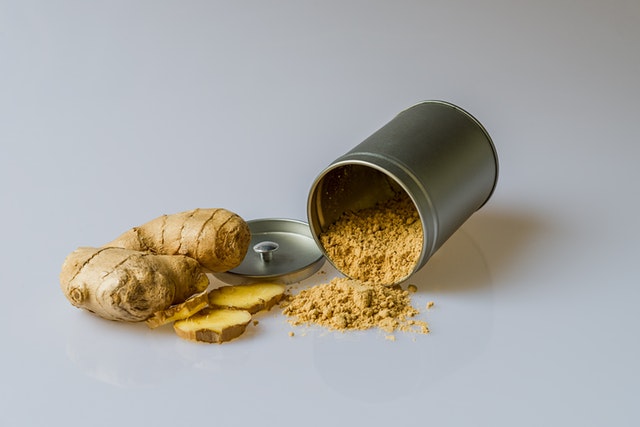
    Ginger has many health benefits such as soothing osteoarthritis or menstrual cramps.

         The second benefit is soothing osteoarthritis.  If this is something you suffer from, you should know that ginger can reduce the pain that comes with this chronic condition.  Extensive research shows that regular doses of it extract over a period of months, both alone, and when combined with other ingredients, can help to reduce pain in the knees, as well as pain upon standing and walking.  It is often compared to ibuprofen, but in some studies a superior choice in treating pain.

         The third benefit is that it could manage your diabetes.  Certain studies have found that taking ginger can help control blood sugar, though some of the findings are contradictory.  Some research has found that ginger can reduce insulin levels, but has no effect on blood sugar; others have found the reverse.  But be sure to consult with a medical professional before deciding to take ginger for diabetes.

         The last benefit is that it could help with menstrual cramps.  If you’re a woman going through painful cramps, evidence shows that regular doses of ginger can help reduce the severity of it.  This could be effective particularly within the first three days of your period.  Similar studies indicate that such treatments are effective on up to 62% of women, which makes ginger on par with ibuprofen in effectiveness of menstrual cramp pain relief.

         Ginger may not be beneficial for people with low blood pressure, but it does help treat nausea, menstrual cramps and managing diabetes and osteoarthritis.  If you consume it in moderation, it will prove to be beneficial for you.  For more information on this, visit www.healthiguide.com.
  • Don’t eat ginger if you have these following four conditions

    Ginger is a great spice that is used in a lot of recipes.  It has great health benefits such as relieving nausea, dizziness, vertigo, or to facilitate digestion.  It is also used as a good natural remedy.  However, having too much of it can do you more harm than good, especially if you are affected by certain conditions.  What types of conditions are affected by high levels of ginger?  If you have any of these four conditions, you may not want to add ginger to your diet.

         The first condition is low blood pressure.  Ginger acts as a blood thinner, which can prevent the blood from clotting.  This behavior can be very helpful for those with high blood pressure.  However, it can be harmful for those with low blood pressure.  Having this condition can cause symptoms like dizziness and confusion and fainting.  When persistent and severe, it can cause serious complications such as heart attack, shock and organ failure, all of which require timely medical intervention.

    If dealing with low blood pressure, it may not be a good idea to add ginger to your diet.

        If you’re trying to gain a little more weight, ginger may prevent that from happening.  If you’re underweight, ginger could be a suppression of appetite despite it being good for digestion.  This is because ginger may give those who consume it the sense of being sated, shutting off the desire to eat.

         The third important condition is gallstones, which are often painful and can affect the gallbladder.  Because of the way that ginger increases the production of bile, it is thought in some parts of the medical community that ginger can make gallstones worse.  The main concern is that a gallstone may cause a blockage, and ginger may lead to the overproduction of bile, which can be harmful to organs in excessive amounts.

         The last condition to avoid ginger is when you’re undergoing surgery.  If you’re ever have to go through this, it is a good rule of thumb to stop taking ginger at a minimum of one week, but up to two weeks in advance.  This is because of ginger’s blood thinning properties, which slow clotting and may cause problems with excessive bleeding during surgery, which could result in infection or the need for transfusions.  It’s also beneficial to refrain from taking ginger after surgery because your body still needs time to recover.

         Ginger has its health benefits, but if you’re going through these conditions, you may have to refrain from putting it into your diet.  For more information on other conditions and medical situations where ginger isn’t too beneficial, visit www.healthiguide.com.

close

Get my Two Watercolor Eucalyptus Thank you Cards sent to your inbox!

Verified by MonsterInsights