Tag: sleep

  • Get Some Quality Sleep at Night During Daylight Savings Time

    This past Sunday, we all have to undergo the ritual of setting our clocks back an hour.  This is known as daylight savings time.  During this time, our days of sunlight are shorter, impacting many people’s sleep patterns.  Many people have reported greater sleep loss during the weeks after DST.  This time at the beginning of November has a way causing a lack of energy in people due to sleep problems.  You probably wondering, “There’s got to be an easier way to get some good sleep at night during DST time.”  Have no fear because here are some tips to improve your sleep during this time change.

    How Daylight Savings Time Affects your Sleep?

    As was mentioned earlier, daylight savings time has a way of throwing people off their sleeping habits.  It could also throw off our body’s internal clock, otherwise known as our circadian rhythm.  This is responsible for determining our sleep-wake cycle.  Circadian rhythm is controlled by clock genes and determines the daily fluctuations of wakefulness, body metabolism, and body healing.  When setting our clocks back an hour, we have to also be prepared to reset our circadian rhythm.

    How Can We Do This?

    We can go about doing this by taking some different measures in changing our sleeping habits.  If you’re having problems with sleeping during this time, follow these tips in having a better night’s sleep:

    • Go to bed earlier.
    • Get out of bed if you can’t sleep after 20 minutes.
    • Exercise a few hours before bedtime.
    • Avoid napping during the day.
    • Create relaxing bedtime rituals.
    • Expose yourself to the light during the day as much as possible.
    • Avoid the use of electronics before bedtime.
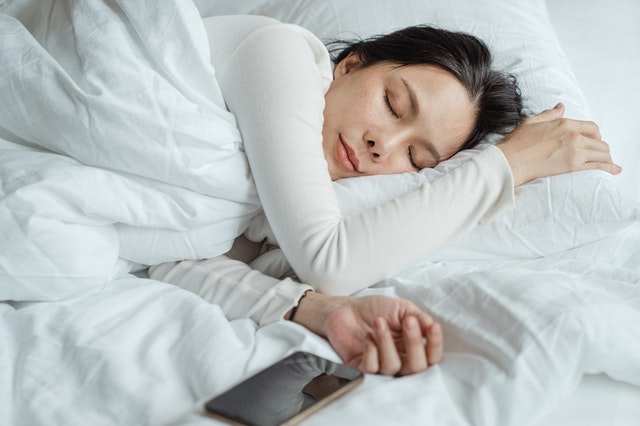
    Try to avoid usage of your cell phone before bedtime.

    Going to bed a little early will help us in adjusting our sleeping patterns.  Napping during the day will cause us to feel wakeful when it is time to sleep.  Creating a routine before we go to bed such as reading or journaling will help our brains relax.

    Get a Good Night’s Sleep During Daylight Savings Time

    Getting a good night’s sleep every night isn’t easy, but it could be done.  Adjustments have to be made when sleeping during this time.  If we follow the above suggestions of going to bed earlier, creating a routine before going to bed, or exposing ourselves to daylight as much as possible, we will be taking the needed steps in improving our sleeping habits.  So sleep tight this winter season and don’t let the bed bugs bite!

    Have some interesting tips for sleeping well during daylight savings time?  Please share them in the comments section below.  Also, like or share this post with someone you know who hasn’t been sleeping well lately.
  • Three Serious Diseases Caused by a Lack of Sleep

    Last month, I wrote an article about improving the quality of your sleep.  But now I am going to shed light on illnesses that are associated with getting a lack of sleep.  As we all know, sleep is very important for our well-being.  But what happens when we start to neglect our eight hours of sleep? Here are three well known conditions that are caused by sleep reduction.

         The first condition that is caused by a lack of sleep is Alzheimer’s disease.  Sleep is necessary for the brain to function and once we start to lose it, we start to lose our minds, too. According to a recent study published in the JAMA Neurology journal, researchers from Johns Hopkins discovered that little sleep or poor quality of sleep is linked to Alzheimer’s disease and can even influence its progression.  So if you don’t want to be at risk of this condition, be sure to get some quality sleep.

    Sleep is important for lowering your risk against diseases such as Alzheimer’s disease

         The second condition that is linked to poor sleep is Obesity and Diabetes.  According to researchers from the University of Chicago, a link between poor sleep and obesity has been discovered that ultimately leads to diabetes.  This study found that little sleep led to fatty acid buildup, which impacts both metabolism and insulin sensitivity.  Clearly, healthy sleeping leads to keeping your weight down and not being at risk of diabetes.

         The third and last condition linked to poor sleep is Ulcerative Colitis.  This condition is known as a chronic inflammatory bowel disease that causes long-lasting inflammation and ulcers in the digestive tract.  Studies have found that colitis, along with Crohn’s disease, is correlated with sleep deprivation.  While little sleep could have an effect, too much sleep also puts people at risk.  That’s why it is important to get the right amount of sleep every night to avoid inflammation in the digestive tract.      Those are some of the diseases that are caused by sleep deprivation.  Getting good quality sleep is part of staying healthy.  So be sure to get your eight hours of sleep every night.  For more information on this issue, check out the article, “6 Diseases Caused by a Lack of Sleep,” on www.healthiguide.com.       

close

Get my Two Watercolor Eucalyptus Thank you Cards sent to your inbox!

Verified by MonsterInsights